

How Long Should a Washing Machine Last? Lifespan, Signs of Failure, and Maintenance Tips
 May, 17 2026
Washing Machine Repair vs. Replace Calculator
This tool uses the industry-standard "50% Rule": If the repair cost is more than 50% of a new unit's price, OR if the machine is past half its expected lifespan (approx. 7 years), it is usually better to replace.
There is a specific moment every homeowner knows. You are standing in front of your washing machine, a major household appliance designed to clean laundry using water and detergent, and it makes a sound that doesn't belong. It’s not the usual hum or spin. It’s a grind, a thud, or a high-pitched scream. In that instant, you have to make a decision: call for a washing machine repair, the service of fixing broken appliances to restore functionality technician, or start shopping for a new one?
The answer usually comes down to one question: how long should this thing actually last? If your unit is five years old, the answer is different than if it’s fifteen. Understanding the expected lifespan of your appliance helps you stop throwing good money after bad and helps you plan your budget so you aren’t caught off guard by a sudden breakdown.
The Average Lifespan: What the Data Says
Let’s get straight to the numbers. On average, a modern washing machine lasts between 10 and 14 years. This range covers most brands, models, and types found in homes across North America and Europe. However, "average" can be misleading because it hides the significant differences between machine types.
If you own a top-loading washer, a washing machine where clothes are loaded from the top, typically using an agitator or impeller, you might see it push closer to the 14-year mark. These machines have simpler mechanical designs with fewer electronic sensors and complex motors compared to their counterparts. They are built like tanks-robust, straightforward, and easier to fix.
In contrast, front-loading washers, a washing machine where clothes are loaded from the front, known for higher efficiency and gentler cycles often have a shorter functional lifespan, typically ranging from 10 to 12 years. Why? Because they are more complex. They use heavier drums, require precise balancing during spins, and rely heavily on rubber door seals (gaskets) that degrade over time. While they save water and energy, they also introduce more points of potential failure.
It is also worth noting that premium brands, such as Miele or Speed Queen, often market themselves on longevity, sometimes claiming lifespans of 20+ years. While possible, these units come with a significantly higher upfront cost. For the average consumer buying a mid-range brand like Samsung, LG, Whirlpool, or Bosch, the 10-to-14-year window is the realistic expectation.
Factors That Shorten or Extend Your Washer's Life
Not all washing machines age at the same rate. Several variables determine whether your appliance dies young or thrives into its second decade. Here are the biggest factors at play:
- Usage Frequency: A single-person household running two loads a week will wear out a machine much slower than a family of five running four loads daily. High-cycle usage accelerates wear on the motor, bearings, and suspension springs.
- Water Quality: Hard water is a silent killer. Minerals like calcium and magnesium build up inside the drum, hoses, and heating elements. This buildup forces the machine to work harder, clogs filters, and can cause premature failure of internal components.
- Maintenance Habits: Leaving the door closed after a wash creates a moist environment perfect for mold and mildew. This isn’t just a smell issue; moisture corrodes metal parts and degrades rubber seals faster than air-drying would.
- Installation Quality: An unlevel floor causes excessive vibration. Over time, this shaking loosens bolts, damages the outer tub, and wears out the shock absorbers. Proper leveling is critical for longevity.
- Power Surges: Without a surge protector, voltage spikes can fry the control board-the brain of the machine. Replacing a control board is expensive and often signals the end of the road for older units.
Repair vs. Replace: The 50% Rule
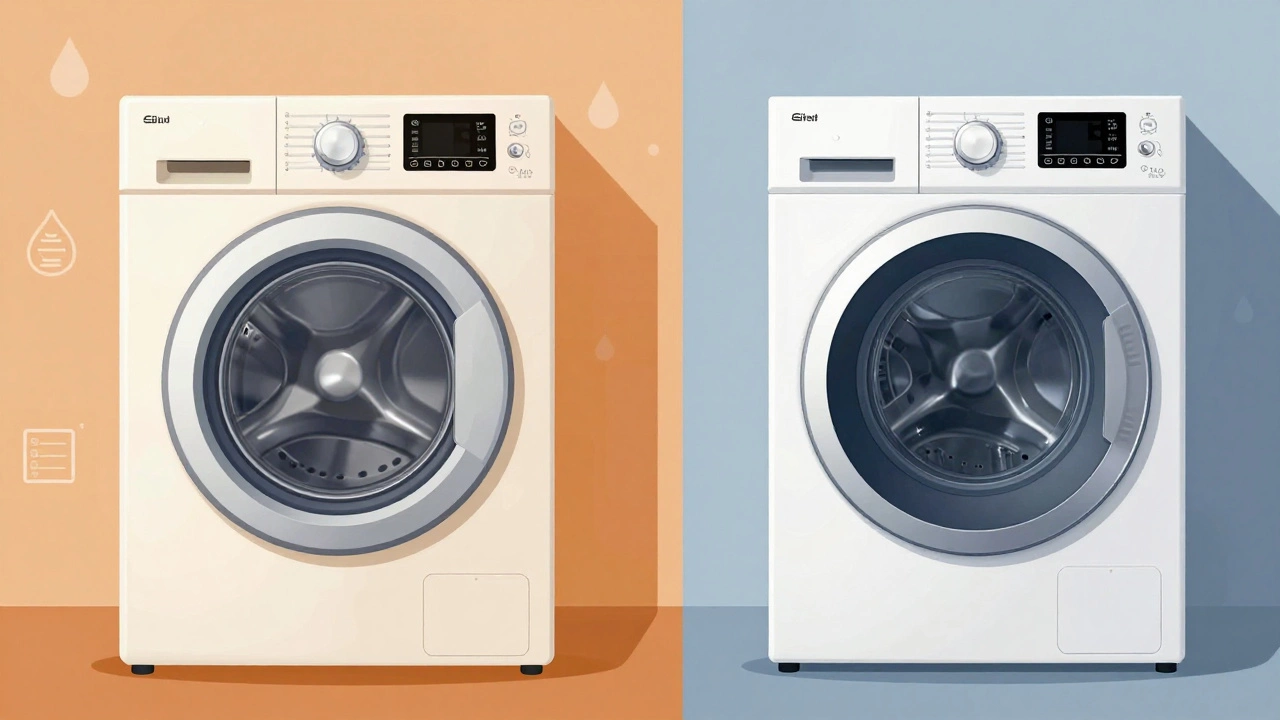
This is the most practical rule of thumb for anyone facing a broken washer. When deciding whether to invest in appliance repair services, professional services dedicated to diagnosing and fixing household appliances, use the 50% rule.
If the cost of the repair is less than 50% of the price of a new, comparable machine, and the machine is less than half of its expected lifespan, repair it. If the repair costs more than 50% of a new unit, or if the machine is already past its expected life, replace it.
For example, if a new washer costs $800, do not spend more than $400 on repairs. If your technician quotes you $350 to replace the drive belt, go ahead. But if they quote you $600 to replace the main control board on a 12-year-old machine, it’s time to buy new. You’re likely to face another expensive repair within months anyway.
Common Warning Signs Your Washer Is Dying
Appliances rarely die instantly without warning. They usually give you clues. Pay attention to these symptoms:
- Excessive Noise: Grinding, screeching, or loud banging during the spin cycle often indicates worn-out bearings or damaged suspension rods. Bearings are sealed units; once they fail, the entire drum assembly may need replacement, which is costly.
- Leaking Water: Small drips might mean a loose hose. But persistent leaking from the bottom or back suggests a cracked tub or failed pump seal. Cracked plastic tubs cannot be repaired; they must be replaced, which is rarely economical.
- Poor Cleaning Performance: If clothes come out dirty despite fresh detergent and correct cycles, the machine’s agitation mechanism or water intake system may be failing. This defeats the purpose of owning the appliance.
- Frequent Error Codes: Modern washers communicate problems via error codes. If you see recurring errors related to drainage, temperature, or imbalance, the underlying sensors or pumps are likely degraded.
- Rumbling or Walking: If the machine moves across the floor during spins, the shock absorbers or dampers are shot. This not only risks damaging your flooring but also stresses the entire chassis.
How to Maximize Your Washing Machine's Lifespan
You don’t have to accept the average lifespan as fate. Simple, consistent maintenance habits can add several years to your washer’s life. Here is what you should do regularly:
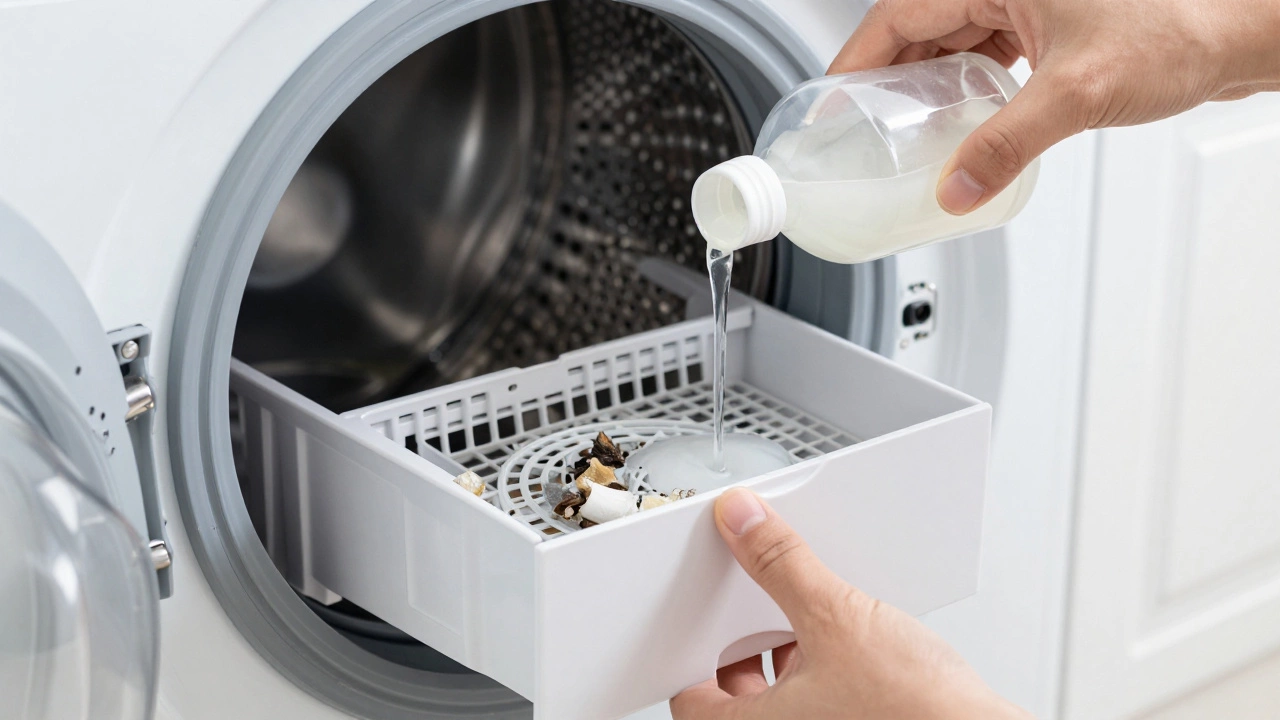
- Clean the Filter Monthly: Most washers have a lint/debris filter near the bottom. Clogged filters cause poor drainage and strain the pump. Clean it out every month.
- Run a Cleaning Cycle: Once a month, run an empty hot water cycle with a cup of white vinegar or a dedicated washer cleaner. This removes soap scum, mineral deposits, and bacteria from the drum and hoses.
- Leave the Door Open: After every load, leave the door slightly ajar for a few hours to let the interior dry. This prevents mold growth and keeps rubber seals flexible.
- Check Hoses Annually: Inspect the inlet and drain hoses for cracks, bulges, or leaks. Replace them every 3-5 years to prevent catastrophic flooding.
- Use the Right Amount of Detergent: Overloading with detergent creates excess suds that can leak into electronic components and damage sensors. High-efficiency (HE) detergents are formulated to produce fewer suds.
- Balance Loads: Avoid washing single heavy items like comforters alone. Unbalanced loads cause severe stress on the motor and suspension system.
When Technology Changes the Equation
Another reason to consider replacing an older washer isn’t just breakage-it’s efficiency. Washing machines manufactured before 2010 consume significantly more water and electricity than modern Energy Star-rated models.
A newer front-loader can use up to 50% less water and 30% less energy per load. Over ten years, those savings can amount to hundreds of dollars on utility bills. So, even if your old top-loader still works, upgrading might pay for itself through reduced operating costs. Additionally, modern machines offer features like Wi-Fi connectivity, steam cleaning, and specialized cycles for delicate fabrics that older models simply cannot match.
Is it worth repairing a 15-year-old washing machine?
Generally, no. At 15 years old, a washing machine has exceeded its average lifespan. Even if one component is fixed, other parts are likely nearing failure. Unless the repair is very minor (like a door latch or hose), the cumulative cost of future repairs will exceed the value of keeping the old unit. Investing in a new, efficient model is usually the smarter financial move.
What is the most common reason washing machines fail?
The most common failures involve the drive belt, lid switch (in top-loaders), or the door lock assembly (in front-loaders). These are relatively inexpensive parts. However, bearing failure and motor burnout are the most expensive and frequent reasons for total machine replacement, especially in units older than 10 years.
Do front-load washers really last longer than top-loaders?
Not necessarily in terms of years, but they are more durable in terms of fabric care. Top-loaders with agitators tend to have simpler mechanics that can last longer mechanically, but they are harsher on clothes. Front-loaders are more complex and prone to seal issues, but their gentle tumbling action is better for clothing longevity. Mechanical simplicity often gives top-loaders a slight edge in raw lifespan.
How can I tell if my washing machine needs professional repair?
Call a professional if you notice leaking water from the bottom, unusual grinding noises during spin, error codes that persist after resetting the machine, or if the drum does not agitate or spin properly. DIY fixes are suitable for simple issues like clogged filters or loose hoses, but electrical and mechanical internals require expert diagnosis to avoid safety hazards.
Should I buy a warranty for a used washing machine?
If you are buying a used machine, a short-term warranty (3-6 months) can provide peace of mind against immediate failure. However, extended warranties for older appliances are often not cost-effective. Ensure the seller provides proof of maintenance history, and inspect the machine thoroughly for rust, mold, or excessive wear before purchasing.