

How Long Do Ovens Last? Life Expectancy and Replacement Guide
 Apr, 23 2026
Oven Repair vs. Replace Decision Tool
Analysis Guide
- The 50% Rule: If repair cost > 50% of replacement cost, replace it.
- Lifespan Check: If the oven is past its average expectancy, repairs are riskier.
- Complexity: Gas units generally last longer due to simpler components.
- Efficiency: New models are often significantly more energy efficient.
Quick Takeaways: Oven Lifespan
- Gas Ovens: Usually last longer, often hitting the 15-20 year mark.
- Electric Ovens: Typically last around 10-15 years.
- Key Killers: Neglected cleaning, power surges, and ignoring small leaks.
- The Rule of Thumb: If a single repair costs more than 50% of a new oven, replace it.
Gas vs. Electric: Who Wins the Long Game?
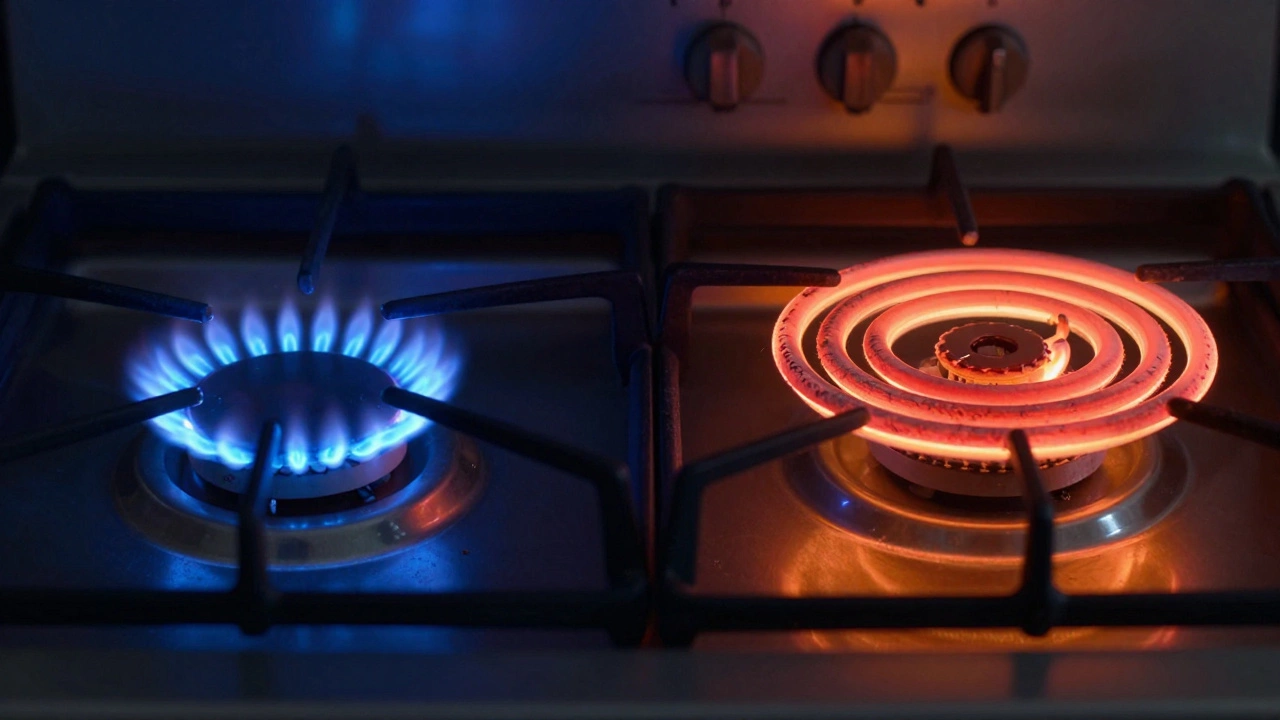
If you're choosing between fuel sources, the lifespan is a big factor. Gas Ovens generally have a longer life than their electric cousins. Why? Because they have fewer complex electronic components that can fry. A gas burner is essentially a pipe and a valve; it's simple and robust. You'll often find gas units comfortably hitting 20 years if the thermostat stays calibrated.
On the other hand, Electric Ovens rely on Heating Elements-those big coils at the top and bottom. These elements are essentially resistors that wear out over time. Once the metal fatigues or the internal filament snaps, the element is dead. While replacing an element is a common oven life expectancy milestone, the control boards in modern electric ovens are more prone to failure due to heat exposure and electrical spikes, often capping their lifespan at around 13 years.
| Oven Type | Average Lifespan | Common Failure Point | Maintenance Effort |
|---|---|---|---|
| Gas | 15-20 Years | Igniter/Thermostat | Low |
| Electric | 10-15 Years | Bake/Broil Elements | Medium |
| Convection | 10-15 Years | Convection Fan Motor | Medium |
The Silent Killers of Your Cooking Range
It's not just about the year on the manufacture sticker. How you use the oven changes the math. One of the biggest mistakes people make is ignoring the "gunk." When grease and food spills build up on the bottom of the oven, they don't just smell; they create hotspots. These hotspots can warp the oven cavity or damage the Heating Element, forcing it to work harder to maintain a steady temperature.
Then there's the Self-Cleaning Cycle. While convenient, this feature is essentially a "stress test" for your oven. It cranks the temperature up to astronomical levels (sometimes over 800°F) to incinerate residue. This intense heat can fry the electronic control board or blow a thermal fuse. If you use the self-clean mode every single time you see a crumb, you might actually be shortening your oven's life by a couple of years.
Lastly, consider your environment. In places with unstable power grids or frequent surges, the sensitive electronics in a high-end smart oven can be wiped out long before the physical chassis rusts. A high-quality surge protector for your home's heavy appliances can be the difference between an oven that lasts 12 years and one that lasts 18.
Signs Your Oven is Entering Its Final Chapter
You can't always tell an oven is dying just by looking at it. You have to listen and watch. One major red flag is uneven baking. If your cookies are burnt on one side and raw on the other, your oven might have developed "cold spots" because the insulation has degraded or the element is failing. This isn't just annoying; it's a sign that the internal structural integrity is slipping.
Keep an ear out for strange noises. A rattling sound in a convection oven usually means the fan motor is on its last legs. A clicking sound in a gas oven often points to a failing Igniter. While these are repairable, if you're already at year 14 and you're seeing multiple components fail in a six-month window, you're likely dealing with a "cascading failure." This is when the age of the entire system makes each repair a temporary band-aid.
Another subtle sign is the door seal. If you notice heat escaping from the edges of the door, the gasket has likely perished. While a gasket is cheap to replace, a warped door frame-often caused by years of extreme heat cycles-is a sign that the oven's chassis is fatigued. Once the frame loses its shape, you can't effectively seal the heat, leading to higher energy bills and poor cooking results.
The 'Repair vs. Replace' Decision Matrix
So, your oven just died. Do you fix it or toss it? The most logical approach is the 50% rule: if the cost of the repair is more than 50% of the price of a new, comparable model, it's time to move on. But there are other factors to weigh. For example, if you have a professional-grade Wolf or Viking oven, the parts are expensive, but the build quality is vastly superior to a budget model. In those cases, it often makes sense to repair a 20-year-old luxury oven rather than buy a brand-new cheap one.
You also need to consider energy efficiency. Ovens from 15 years ago weren't nearly as efficient as today's models. New appliances often use induction technology or better insulation that can shave a noticeable amount off your monthly utility bill. If you're spending $100 a year extra in electricity just to keep an ancient electric oven running, that's a hidden cost that makes replacement more attractive.
Ask yourself these three questions:
- Is the repair a one-time fix (like a single burner) or a systemic issue (like a failing control board and warped frame)?
- Does the oven still meet your cooking needs, or has technology evolved (e.g., air fry modes) in a way that would actually improve your life?
- How much trust do you have in the rest of the appliance? If you fix the oven today, will the stovetop fail tomorrow?
Pro Tips for Extending Your Oven's Life
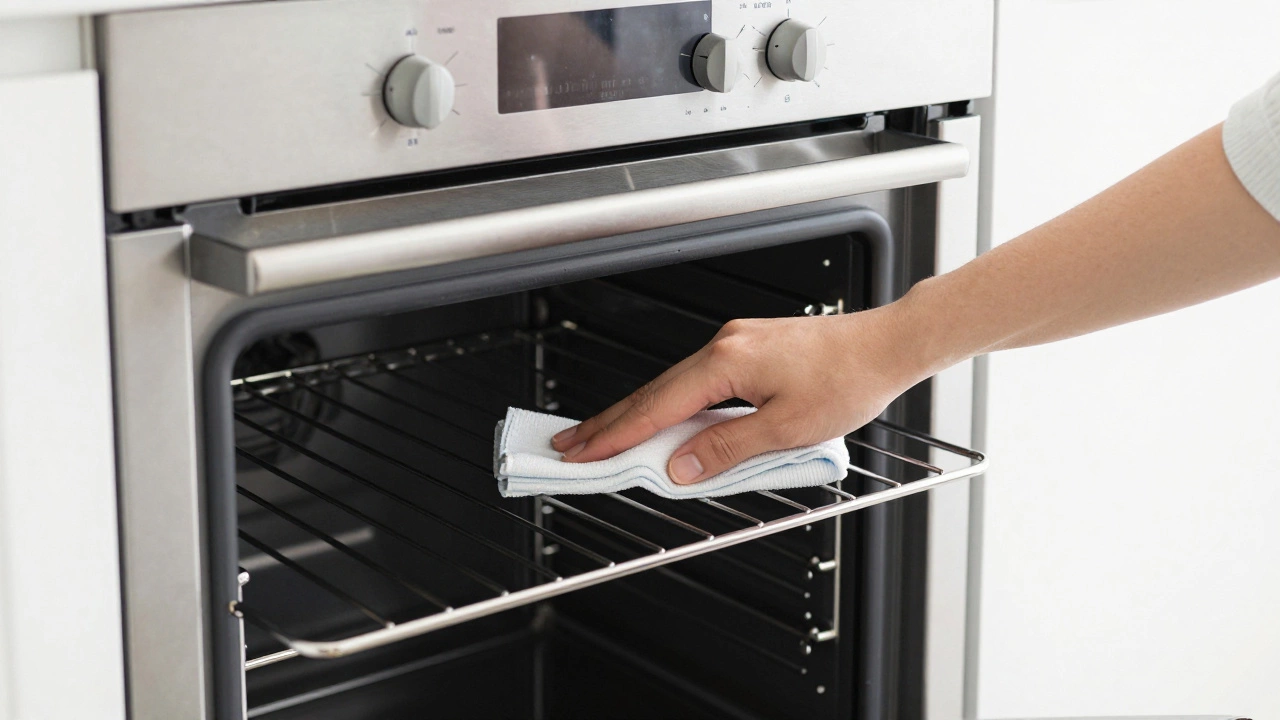
You can actually push your oven past its average expiration date with a few simple habits. First, stop relying exclusively on the self-clean feature. Instead, do a manual wipe-down with a damp cloth and a mild degreaser once a month. This prevents the massive buildup that makes the self-clean cycle so taxing on the electronics.
Second, check your door seals annually. A simple soap-bubble test or a piece of paper caught in the door can tell you if the seal is tight. Replacing a $30 gasket every five years is a tiny investment that prevents your oven from overworking to maintain temperature.
Third, give your oven room to breathe. If you have a built-in unit, ensure the ventilation gaps specified in the manual are clear. Heat buildup around the external chassis can degrade the wiring and capacitors on the control board, leading to premature electronic failure.
Does a convection oven last as long as a standard oven?
Generally, yes, but they have one extra point of failure: the convection fan. Because there is a moving part (the fan motor) that isn't present in a standard oven, there is a slightly higher chance of a mechanical breakdown. However, if the fan is well-maintained and not clogged with grease, the overall lifespan remains similar to standard electric or gas models.
Why do electric ovens seem to die faster than gas ovens?
Electric ovens rely on heating elements that undergo extreme thermal expansion and contraction every time you turn them on. This physical stress eventually leads to metal fatigue and burnout. Gas ovens use a flame, which doesn't experience the same type of material degradation, meaning the core heating mechanism lasts significantly longer.
Is it worth repairing a 15-year-old oven?
It depends on the part. If it's a simple replacement like a light bulb, a thermometer, or a door hinge, absolutely. But if the main control board or the oven chassis itself is compromised, you're likely wasting money. At 15 years, most electric ovens are nearing the end of their reliable life, and a major repair is often a sign that other components will soon follow.
Can using a surge protector really help my oven?
Yes, especially for modern digital ovens. Power surges can fry the capacitors and microprocessors on the control board. While most high-voltage appliances are hardwired, having a whole-home surge protector in your electrical panel protects the sensitive circuitry of your oven from external spikes during storms or grid fluctuations.
How do I know if my oven's thermostat is failing?
The easiest way is to use an independent oven thermometer. Place it in the center of the rack and compare the reading to the digital display on your oven. If there is a consistent gap of 25 degrees or more, your thermostat is likely drifting. While some ovens allow for calibration, a failing thermostat often leads to erratic temperature swings, which is a sign the appliance is aging.
What to Do Next
If you've decided your oven is on its way out, don't wait for it to completely die in the middle of a holiday dinner. Start by auditing your current energy usage. If you're switching from electric to gas, check if your home has the necessary gas line infrastructure to avoid expensive plumbing costs.
For those who want to keep their current unit alive, schedule a professional "tune-up." A technician can check for gas leaks, calibrate the thermostat, and ensure the heating elements are drawing the correct amperage. This proactive approach can often squeeze another 2-3 years out of an aging appliance.
If you are shopping for a replacement, look for models with modular components. Some newer brands are designing appliances where the control board can be swapped out easily without replacing the entire unit, which effectively resets the electronic lifespan of your kitchen's most important tool.