

Boiler Life Expectancy: How Long Do Boilers Last and When to Replace?
 Jul, 16 2026
Boiler Replacement Calculator
Use this tool to determine if it makes financial sense to repair your current boiler or invest in a new high-efficiency model.
Enter your details and click analyze to see our recommendation.
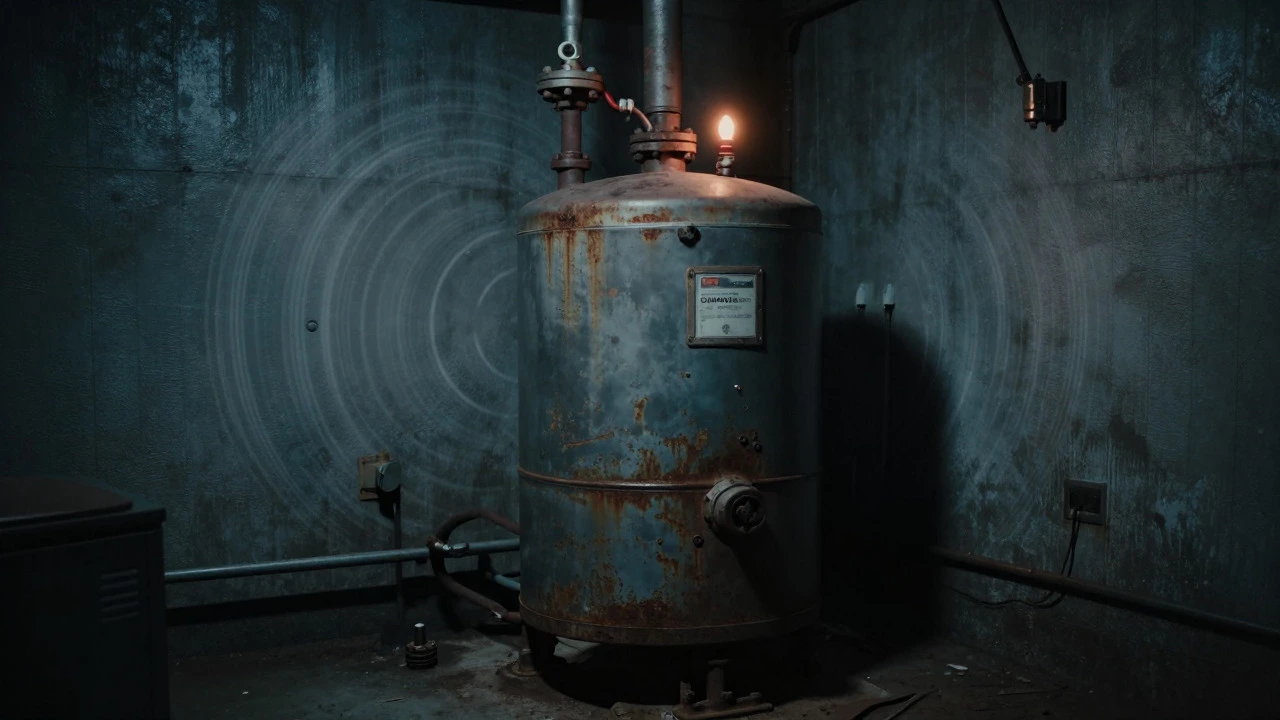
That clanking noise in the basement isn't just annoying; it’s a warning shot. Most homeowners treat their heating system like a black box-set it and forget it-until the day the pipes go cold. But here is the hard truth: your boiler has an expiration date. Ignoring it doesn't stop time; it just increases the risk of a catastrophic failure on the coldest night of the year.
If you are wondering how many years you have left before that big ticket item needs replacing, the answer depends heavily on what kind of unit you own and how well you’ve treated it. Generally speaking, a standard gas boiler is designed to last between 10 and 15 years. However, with diligent care, some units stretch into their late teens or even early twenties. On the flip side, neglect can cut that lifespan in half. Let's break down exactly what determines whether your boiler makes it to retirement or ends up as scrap metal.
The Lifespan Breakdown by Boiler Type
Not all boilers are created equal. The technology inside matters just as much as the brand name on the front. If you are trying to guess your remaining runway, first identify which category your system falls into.
| Boiler Type | Average Lifespan | Key Characteristics |
|---|---|---|
| Standard Gas Boiler | 10-15 Years | Common in older homes; lower efficiency (60-80%) |
| Condensing Boiler | 12-18 Years | Modern standard; captures waste heat; higher efficiency (90%+) |
| Electric Boiler | 20-30 Years | Fewer moving parts; silent operation; expensive to run |
| Oil-Fired Boiler | 15-20 Years | Robust build; requires fuel tank maintenance |
| Biomass Boiler | 15-25 Years | Eco-friendly; high maintenance due to ash cleaning |
Notice the jump for electric boilers? They don’t burn fuel, so they lack the complex combustion chambers and flues that fail in gas units. If you have a modern condensing boiler is a high-efficiency heating unit that recovers heat from exhaust gases, you should expect around 15 years if you service it annually. These units are more sensitive because they rely on precise condensate drainage and heat exchangers. If those get clogged with sludge or limescale, the internal components overheat and crack prematurely.
Why Your Boiler Might Die Early
You might be thinking, "I bought this thing five years ago, why does it sound like it’s falling apart?" It’s rarely bad luck. It’s usually one of three invisible killers eating away at your system.
1. System Sludge and Corrosion
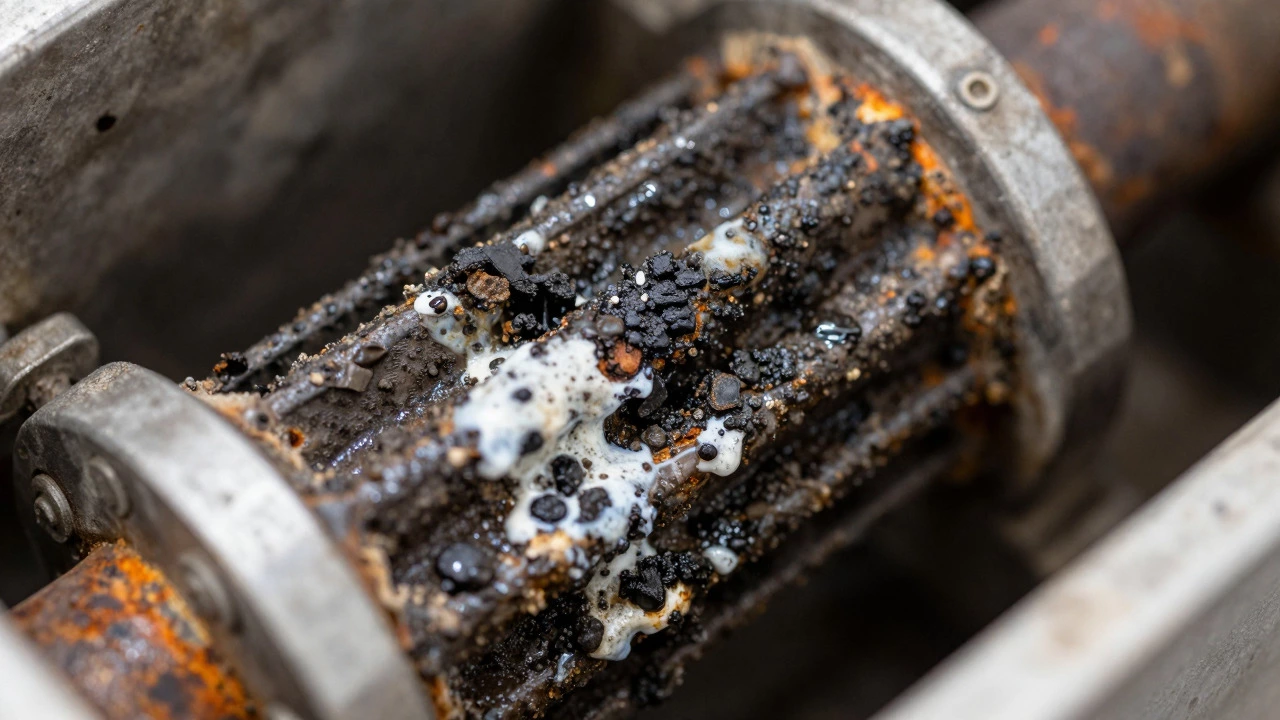
Inside your central heating system, water circulates through metal pipes. Over time, oxygen enters the system, causing rust. This rust mixes with magnetite (black iron oxide) to form a thick, tar-like sludge. This sludge settles at the bottom of the boiler, blocking heat transfer. The boiler then works harder to heat the water, leading to overheating and component fatigue. In Toronto, where we see hard water in many neighborhoods, limescale buildup adds another layer of insulation that traps heat against the metal walls, causing them to warp or crack.
2. Lack of Annual Servicing
This is the number one reason boilers fail before their prime. A yearly service isn't just about ticking a box for insurance. A technician checks the pressure valve, cleans the burner, tests the carbon monoxide output, and flushes the system. Without this, minor issues like a leaking seal or a weak spark become major failures. Think of it like changing the oil in your car. You wouldn’t drive 100,000 kilometers without an oil change, right? Same logic applies here.
3. Incorrect Sizing
If your boiler is too big for your home, it short-cycles. It turns on, heats the water instantly, and shuts off. Then it repeats. This constant start-stop motion puts immense stress on the ignition system and the pump. Conversely, if it’s too small, it runs continuously at maximum capacity, burning out the motor. Both scenarios slash the lifespan significantly.
Signs Your Boiler Is Reaching the End of Its Road
How do you know when it’s time to say goodbye? Don’t wait for total silence. Watch for these red flags:
- Rising Energy Bills: If your usage hasn’t changed but the bill has jumped 10-20%, your boiler is losing efficiency. An old non-condensing boiler might only be 60% efficient, meaning 40% of your money goes up the chimney as wasted heat.
- Noisy Operation: Kettling (a boiling sound), banging, or whistling indicates sludge buildup or air locks. This friction damages the pump and heat exchanger.
- Inconsistent Heat: If some radiators are hot and others are cold, or the hot water takes forever to arrive, the internal valves or pumps are failing.
- Yellow Flame: A healthy gas flame should be blue. A yellow or orange flame means incomplete combustion, which produces carbon monoxide-a deadly, odorless gas. If you see this, call a pro immediately.
- Frequent Repairs: If you’ve called for repairs more than twice in the last two years, the math stops making sense. You’re pouring good money after bad.
Cost vs. Replacement: The Economic Decision
Let’s talk numbers. In Canada, a new mid-range condensing boiler installation typically costs between $3,500 and $6,000, depending on complexity and location. A major repair, like replacing a heat exchanger, can cost $1,500 to $2,500 alone.
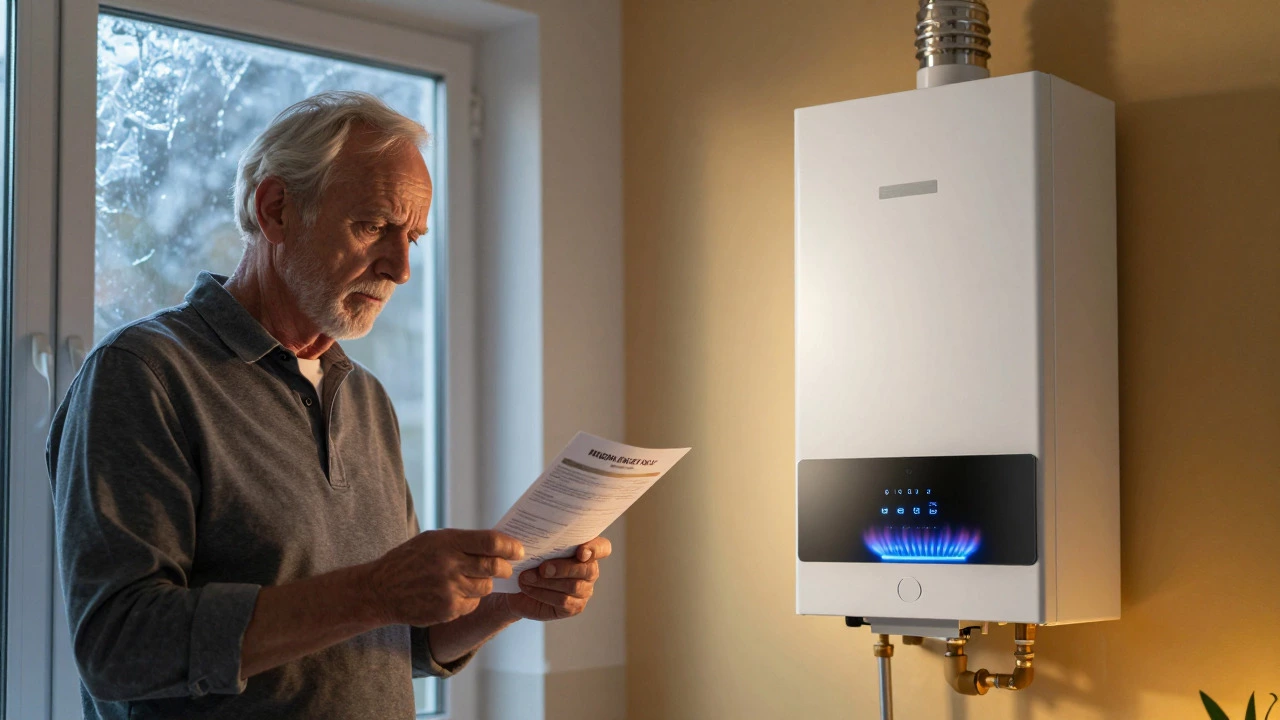
Here is a simple rule of thumb: If your boiler is over 10 years old and the repair bill exceeds $500, consider replacement. Why? Because an older boiler is less efficient. Upgrading to a modern Energy Star-rated boiler is a certified high-efficiency appliance that meets strict government standards can reduce your annual heating bills by 15-20%. Over five years, those savings often offset the initial investment. Plus, newer models come with better warranties, often covering parts and labor for up to 10 years.
How to Maximize Your Boiler’s Lifespan
If your boiler is still young, or you just installed a new one, here is how to ensure it hits that 15-year mark.
- Get an Annual Service: Schedule this every fall, before the heating season kicks in. It prevents emergency breakdowns in winter.
- Check Pressure Regularly: Look at the gauge on the front. It should sit between 1 and 1.5 bar. If it drops below 1, the system may not heat properly. If it goes above 2, the safety valve might release water. Top it up if needed, but if it drops frequently, you have a leak.
- Bleed Radiators: Trapped air causes cold spots and forces the boiler to work harder. Bleeding radiators once a year keeps the flow smooth.
- Install a Magnetic Filter: This device catches sludge before it enters the boiler. It’s a small upfront cost ($100-$200) that pays for itself by protecting the heat exchanger.
- Keep the Area Clear: Ensure there’s at least 30cm of clearance around the boiler for airflow. Blocked vents cause overheating.
When to Call a Professional
While checking pressure and bleeding radiators are DIY-friendly tasks, anything involving gas, electricity, or internal components requires a licensed professional. In Ontario, you need a TechSafe-certified technician is a qualified expert authorized to perform gas appliance repairs and installations. Attempting to fix a gas leak or a faulty thermostat yourself is dangerous and voids your warranty.
If you notice the smell of gas, hear hissing sounds, or see soot around the boiler, evacuate the house and call emergency services. For routine issues, book a local specialist. Don’t let a small problem turn into a full replacement.
Is it worth repairing a 15-year-old boiler?
Generally, no. At 15 years, most boilers are nearing the end of their useful life. Even if you fix the current issue, another part is likely to fail soon. Additionally, older boilers are significantly less efficient than modern condensing models. Replacing it will save you money on energy bills and provide reliable heat for another decade or more. Only repair if the cost is minimal (under $200) and you plan to replace it within a year.
Does regular maintenance really extend boiler life?
Yes, absolutely. Annual servicing removes sludge, checks for leaks, and ensures safe combustion. Studies show that maintained boilers last 3-5 years longer than neglected ones. It also helps maintain efficiency, meaning you pay less for heat. Think of it as preventive healthcare for your home’s heart.
What is the difference between a standard and a condensing boiler?
A standard boiler releases hot exhaust gases directly outside, wasting heat. A condensing boiler captures that waste heat to pre-warm the return water, boosting efficiency to over 90%. They are more complex but cheaper to run. Since 2005, all new gas boilers sold in Canada must be condensing types due to environmental regulations.
Can I install a boiler myself to save money?
No. Installing a gas boiler requires specialized training and certification. In Ontario, only TechSafe-certified professionals can legally install and certify gas appliances. DIY installation is illegal, dangerous, and will void your homeowner’s insurance if an accident occurs. The cost of professional installation includes safety checks and compliance with building codes.
How often should I check my boiler pressure?
You should check the pressure gauge once or twice a month, especially during the heating season. Ideal pressure is between 1 and 1.5 bar. If it drops below 1, top it up using the filling loop. If it consistently drops, you likely have a leak in the system that needs professional attention. High pressure (above 2 bar) can trigger the safety valve to release water, so bleed radiators if needed.