

Why Do Kitchen Extractor Fans Stop Working? 7 Common Causes & Fixes
 Jun, 28 2026
Kitchen Fan Troubleshooter
Click the steps on the left to diagnose your issue.
Select "Yes" or "No" for each prompt.Your kitchen smells like last night’s garlic, the air feels heavy, and you reach for the switch on your kitchen extractor fan is a ventilation device mounted above cooking surfaces to remove smoke, steam, and odors. Nothing. Not even a whir. It’s frustrating, especially when you’re in the middle of cooking. Before you call a technician or buy a new unit, it helps to understand why these devices fail. Most issues are simple fixes that save you time and money.
Quick Summary: Why Your Fan Might Be Silent
- Clogged filters: Grease buildup blocks airflow and strains the motor.
- Wiring issues: Loose connections or tripped breakers cut power completely.
- Motor failure: Overheating or age causes the internal mechanism to seize.
- Ductwork blockages: Birds’ nests or debris in external vents stop exhaust.
- Switch problems: Faulty wall switches or remote controls lose signal.
- Condensation buildup: Moisture corrodes internal components over time.
- Age and wear: Units older than 10 years often suffer from general degradation.
The Dirty Truth About Clogged Filters
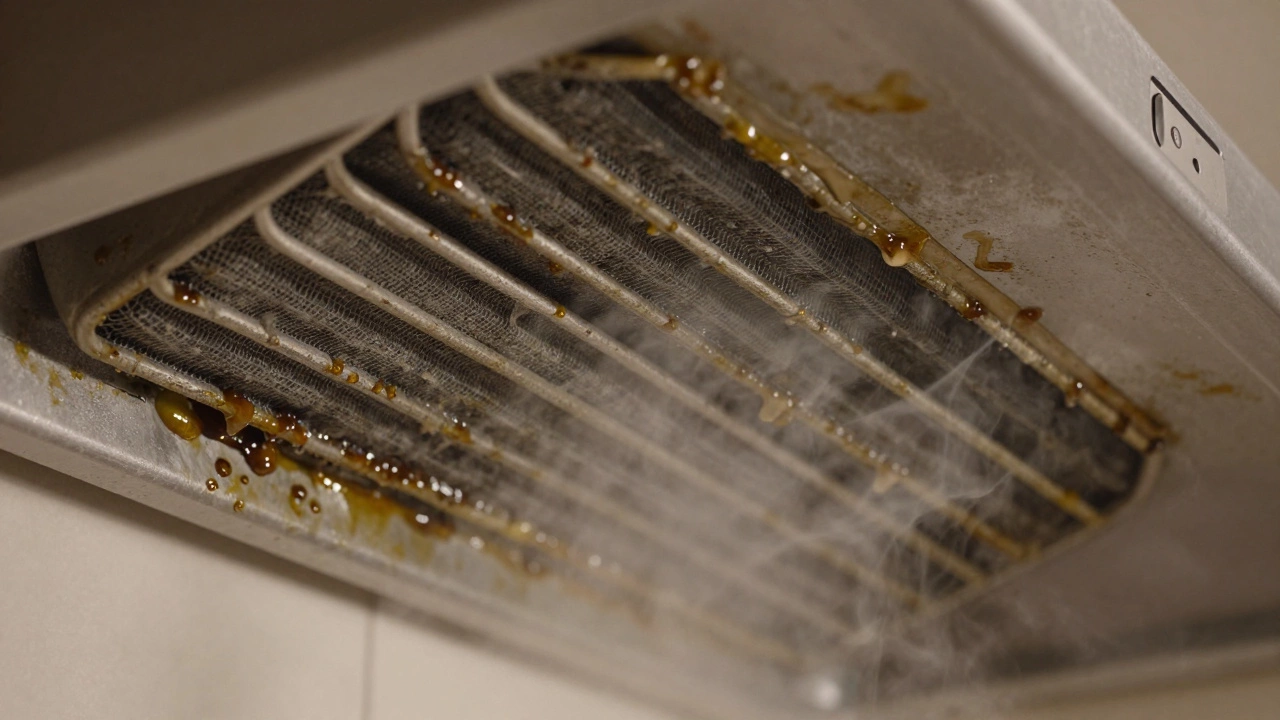
The most common reason an extractor fan stops working isn’t mechanical failure-it’s neglect. Specifically, neglected filters. Every time you cook, tiny particles of oil and grease travel up with the heat. These particles stick to the metal mesh or charcoal filters inside your hood. Over weeks, this layer thickens. Eventually, it becomes so dense that air cannot pass through. The fan motor tries to push air against this blockage, overheats, and shuts down as a safety measure. Or, it simply runs without moving any air, making it seem broken.
If your fan makes noise but doesn’t pull smoke, check the filters first. For aluminum mesh filters, soak them in hot soapy water or place them in the dishwasher. Charcoal filters, however, cannot be cleaned. They must be replaced every three to six months depending on usage. Ignoring this schedule leads to reduced efficiency and eventual motor burnout. In Toronto, where winters bring cold drafts and summers bring humidity, proper filtration is even more critical to prevent moisture damage.
Electrical Issues: Power Problems You Can Check Yourself
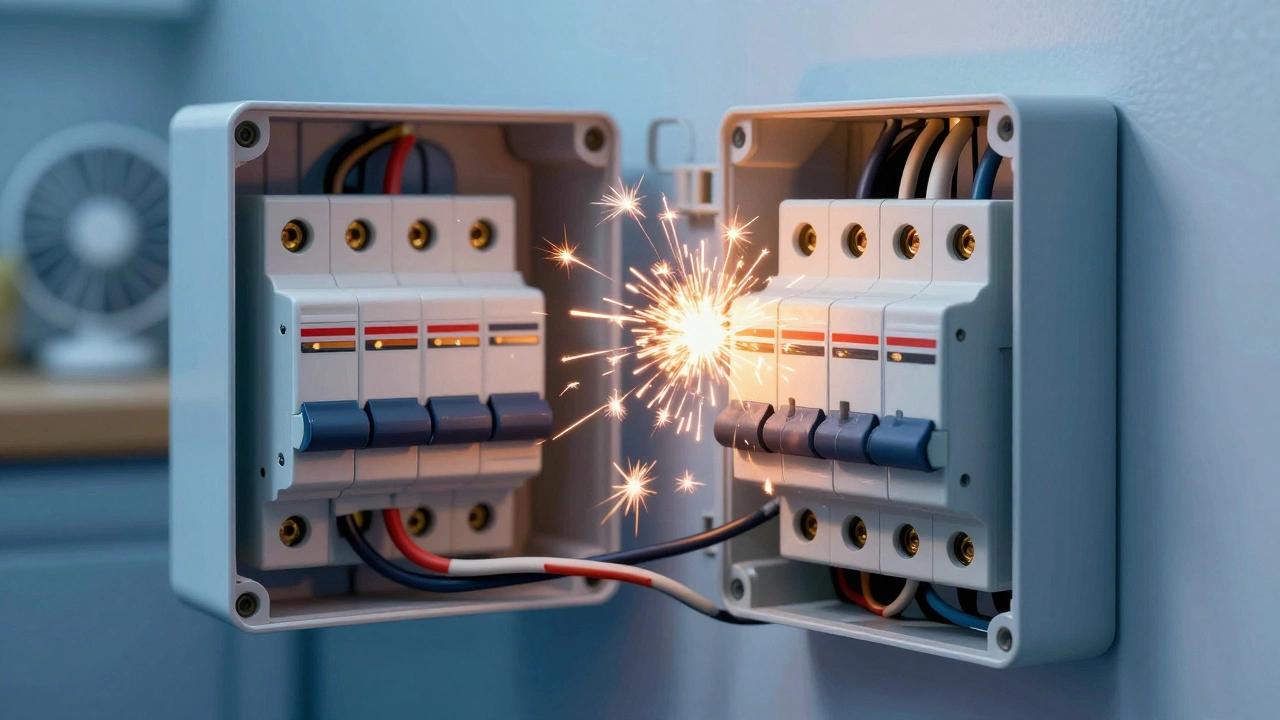
Sometimes the problem isn’t the fan at all, but the electricity reaching it. Start by checking if other appliances in the kitchen are working. If they are, the issue is likely isolated to the fan circuit. Look at your home’s electrical panel. Is the breaker for the kitchen switched off? A minor surge can trip it. Flip it back on and test the fan.
If the breaker stays on, inspect the plug. Many under-cabinet models plug into standard outlets. Ensure the cord is firmly seated. For hardwired units, turn off the power at the main panel before removing the faceplate. Look for loose wires, burnt marks, or corrosion. Tighten any loose connections with a screwdriver. If you see blackened wires or smell burning plastic, do not touch them. This indicates a serious electrical fault requiring a licensed electrician. Never attempt to repair high-voltage wiring without proper training.
When the Motor Gives Up
The motor is the heart of your extractor fan. It spins the impeller blades to create suction. Motors fail for two main reasons: age and overheating. Cheaply made motors may last only five years, while high-quality units can run for a decade or more. If your fan hums but the blades don’t spin, the capacitor might be dead. Capacitors give the motor the initial jolt needed to start spinning. Replacing a capacitor costs less than $20 and takes ten minutes if you have basic tools.
If the motor is completely silent and hot to the touch, the bearings may have seized. Grease and dust accumulate around the bearing shafts, creating friction. Over time, this friction generates heat, melting the insulation on the motor windings. Once the windings short out, the motor dies. At this point, replacement is usually cheaper than repair. Look for universal replacement motors online, ensuring the voltage (120V in Canada) and RPM match your original spec.
| Symptom | Likely Cause | Difficulty Level |
|---|---|---|
| Fan is silent, no lights | Tripped breaker or blown fuse | Easy |
| Fan hums but doesn't spin | Bad capacitor or seized motor | Moderate |
| Weak suction, noisy operation | Clogged filters or duct blockage | Easy |
| Intermittent operation | Loose wiring or faulty switch | Moderate |
| Burning smell | Overheated motor or electrical short | Hard (Call Pro) |
Ductwork Blockages: The Hidden Culprit
Even if your fan motor works perfectly, it won’t vent air if the path is blocked. Most Canadian homes use ducted systems that expel air outside through the roof or wall. Over time, these ducts collect grease, lint, and debris. Worse, birds or squirrels may build nests in the external vent cap. If you live in an urban area like Toronto, pigeon nests are a frequent cause of sudden ventilation failure.
To check for blockages, go outside and locate the vent hood. Remove the cover and look inside. Use a flashlight to see how deep the obstruction goes. For minor debris, a long brush or vacuum extension can clear it. For solid blockages, you may need to detach the ducting from the fan and clean it section by section. Flexible aluminum ducts are prone to kinking; straighten any bends to restore airflow. Rigid metal ducts are easier to clean but require more effort to access. Always reinstall the weatherproof cap securely to prevent pests from returning.
Switches and Controls: Are You Pushing the Right Button?
Modern extractor fans come with various control methods: physical rocker switches, touch pads, remote controls, or integration with smart home systems. Physical switches wear out over time. The internal contacts oxidize, breaking the circuit. If flicking the switch multiple times sometimes works, the switch is failing. Replace it with a matching model from a hardware store.
Touch-sensitive panels are sensitive to moisture and grease. A film of oil can prevent the sensor from registering your touch. Clean the panel with a microfiber cloth and mild detergent. Remote controls often fail due to dead batteries or lost pairing. Reset the remote according to the manufacturer’s instructions. Smart home integrations can glitch if the Wi-Fi signal drops. Restart your router and re-pair the device via the app. If none of these work, the control board itself may be damaged, requiring professional diagnosis.
Condensation and Corrosion: The Silent Destroyer
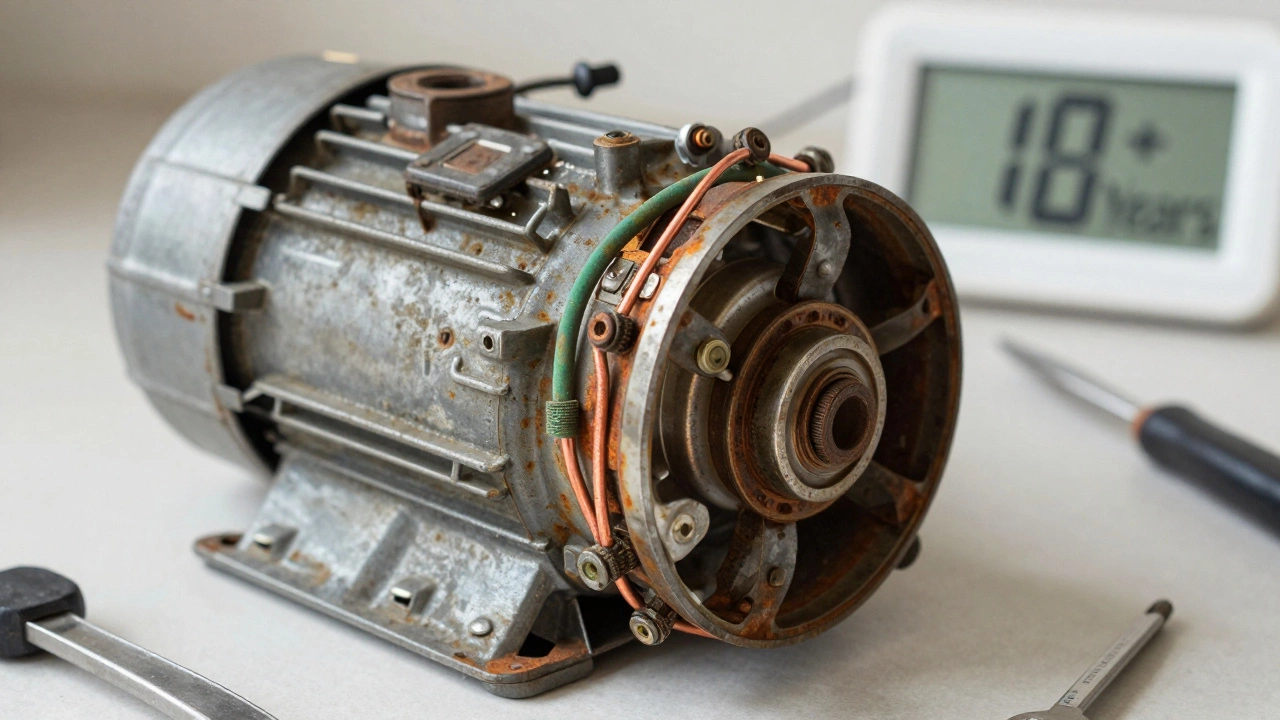
Kitchens are humid environments. Steam from boiling water, simmering sauces, and dishwashers rises directly into the hood. While filters catch grease, moisture passes through. Inside the housing, this condensation drips onto electrical components. Over months, this leads to corrosion. Rust forms on metal parts, and green oxidation coats copper wires. Corroded connections increase resistance, causing overheating and eventual failure.
This is particularly relevant in older homes or those without adequate secondary ventilation. To mitigate this, ensure your kitchen has cross-ventilation. Open a window while cooking to reduce overall humidity. Wipe down the interior of the hood regularly to remove moisture. If you notice rust spots on the exterior or interior, address them immediately with rust inhibitor spray. Severe corrosion requires replacing affected components to prevent fire hazards.
Age and Wear: When to Replace Rather Than Repair
All appliances have a lifespan. The average extractor fan lasts between 8 to 12 years. After this period, efficiency drops significantly. Even if you fix one issue, another will likely arise soon. Consider the cost of repairs versus the price of a new unit. If repair costs exceed 50% of the price of a new fan, replacement is the smarter financial choice.
Newer models offer better energy efficiency, quieter operation, and improved filtration technology. LED lighting, variable speed controls, and auto-shutoff features enhance usability. When shopping for a replacement, measure the opening carefully. Standard widths are 30, 36, and 42 inches. Choose a CFM (cubic feet per minute) rating appropriate for your kitchen size. A general rule is 100 CFM per linear foot of cooktop. Higher CFM means stronger suction but potentially more noise. Balance performance with comfort.
Troubleshooting Checklist: Step-by-Step Diagnosis
- Check the power source: Ensure the outlet is live or the breaker is on.
- Inspect the filters: Clean or replace grease and charcoal filters.
- Test the switch: Try bypassing the switch temporarily to isolate the issue.
- Listen for humming: Humming suggests a motor or capacitor problem.
- Examine the ductwork: Clear any visible blockages in the vent pipe.
- Look for corrosion: Check internal components for rust or oxidation.
- Consult a professional: If unsure, hire a certified technician for safety.
How much does it cost to repair a kitchen extractor fan?
Simple fixes like cleaning filters or replacing a switch cost $0-$50. Motor replacements range from $100-$300 including labor. Electrical repairs vary widely but typically start at $150. Always get a quote before authorizing work.
Can I clean my extractor fan myself?
Yes, you can clean filters and wipe down the exterior safely. Internal cleaning requires disassembly and should only be done if you are comfortable with electrical safety. Turn off power at the breaker before starting.
Why is my extractor fan loud but not sucking well?
This usually indicates a blockage in the filters or ductwork. The motor works harder to push air through the restriction, creating noise. Clean the filters and check for obstructions in the vent pipe.
Is it dangerous to use a broken extractor fan?
If there are electrical sparks, burning smells, or exposed wires, yes, it is a fire hazard. Turn it off immediately. If it’s just weak suction, it’s inefficient but not immediately dangerous. However, poor ventilation can lead to mold growth.
How often should I change the charcoal filter?
Charcoal filters should be replaced every 3-6 months for regular cooking. Heavy cooks who fry or grill frequently may need to change them monthly. Aluminum mesh filters can be washed indefinitely.
What is the best way to maintain my extractor fan?
Clean filters monthly, wipe the exterior weekly, and inspect ductwork annually. Run the fan during cooking to prevent grease buildup. Avoid running it empty for long periods as this wastes energy and wears the motor.