

Who Installs Extractor Fans? Plumbers, Electricians, or DIY?
 Aug, 6 2026
Extractor Fan Installation Advisor
Project Details
Your Recommendation
Fill in the details and click "Get Recommendation" to see who should install your extractor fan.
That humming noise from your ceiling vent is annoying, but the damp smell in your bathroom or the grease buildup on your kitchen cabinets is worse. You’ve decided it’s time to get an extractor fan is a mechanical device that removes stale air, moisture, and odors from indoor spaces. But here is the question that stops most people cold: who actually puts this thing in? Do you call a plumber? An electrician? Or do you grab a drill and handle it yourself?
The answer isn’t as simple as picking one trade. It depends entirely on where the fan goes, what kind of wiring you have, and whether you’re dealing with existing ductwork. Getting this wrong can lead to poor ventilation, electrical hazards, or even voided home insurance policies. Let’s break down exactly who handles which part of the job so you don’t waste money calling the wrong pro.
The Short Answer: It Depends on the Trade
If you are looking for a single name to call, it’s usually a licensed electrician is a skilled tradesperson qualified to install and repair electrical systems. Extractor fans run on electricity. They need power. Therefore, an electrician is the primary professional responsible for connecting the unit to your home’s circuit.
However, the "who" changes based on the complexity of the setup. If you are replacing an old fan with a new one in the exact same spot, using the existing wiring and ducting, a handyman might be enough. If you are installing a brand-new fan in a location that has never had one before, you likely need a team effort involving an electrician and possibly a roofer or HVAC specialist for the external venting.
When to Call an Electrician
Electricians are the go-to professionals for any job involving new circuits or complex wiring. Here is when you absolutely need one:
- New Wiring Runs: If there is no power source near your planned fan location, an electrician needs to run new wires through your walls or ceiling. This involves opening up drywall or plaster, which requires knowledge of local building codes.
- Hardwired Units: Most high-performance kitchen and bathroom fans are hardwired directly into your home’s electrical system. Unlike a plug-in appliance, these connect directly to live wires. Mishandling these connections can cause short circuits or fires.
- Smart Home Integration: If you want your fan to link with voice assistants or smart switches, the wiring requirements are more specific. An electrician ensures the neutral wire and ground are correctly configured for smart devices.
- Circuit Load Checks: Adding a fan increases the load on your circuit. An electrician will check if your current breaker can handle the additional amperage without tripping.
In Toronto and much of Canada, electrical work must meet the Canadian Electrical Code (CEC) is the national standard for electrical installations in Canada. If you plan to sell your home, inspectors often look for permits on electrical work. Hiring a licensed electrician ensures you get the proper permit and inspection sticker, protecting your resale value.
When a Handyman or General Contractor Suffices
You don’t always need a specialized electrician. A skilled handyman is a versatile tradesperson capable of performing minor repairs and installations. or general contractor can handle the job if the scope is limited. Look for them when:
- Like-for-Like Replacement: You are swapping out an old, broken fan for a new model of similar size and power. The wiring box and duct path already exist. The handyman just needs to disconnect the old unit, mount the new one, and reconnect the wires (usually via screw terminals).
- Plug-In Models: Some smaller bathroom fans come with a cord and plug. If there is an outlet nearby, a handyman can simply hang the unit and plug it in. No electrical license required.
- Minor Duct Adjustments: If the fan fits but the duct needs a slight bend or sealant adjustment, a handyman with basic carpentry skills can manage this.
Just make sure the handyman is insured. Even simple jobs carry risks. If they drop a heavy fan and crack your tile, or if they strip a wire and cause a spark, you want their liability coverage to protect you.
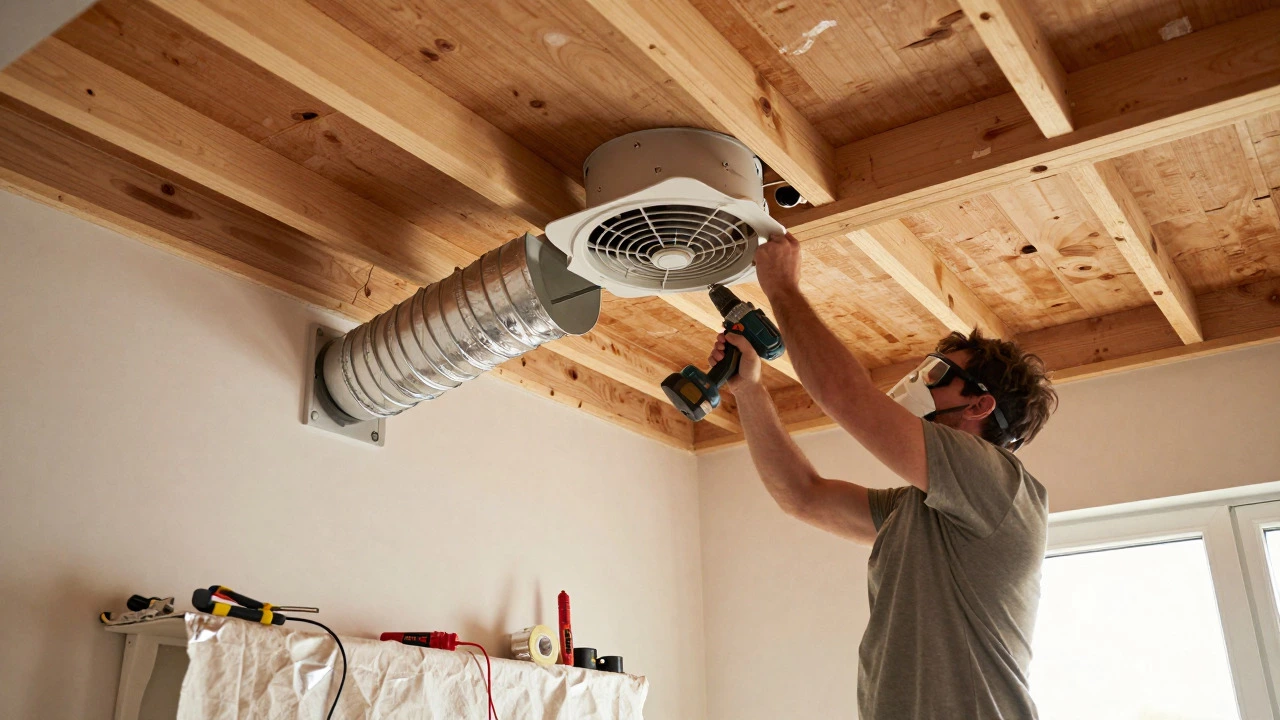
The Role of Plumbers and HVAC Specialists
Wait, didn’t I say electricians? Yes, but ventilation is about moving air, not just powering a motor. Sometimes, other trades step in:
HVAC Technicians: For large kitchen range hoods that require significant airflow (measured in CFM - Cubic Feet per Minute), an HVAC technician is a specialist in heating, ventilation, and air conditioning systems. might be the best choice. They understand airflow dynamics, static pressure, and how to balance the system so your house doesn’t become depressurized. If your kitchen fan is pulling 1000+ CFM, you need professional advice on makeup air to prevent backdrafting in your furnace.
Plumbers: Rarely, plumbers install extractor fans. This usually happens only if the fan is part of a larger bathroom renovation where the plumber is already on-site handling showers and sinks. However, unless the plumber is also certified in electrical work, they will still call an electrician for the wiring. Don’t assume a plumber can wire your fan just because they installed your shower.
Can You Install an Extractor Fan Yourself? (DIY)
Yes, you can. Many homeowners successfully install their own fans. But before you buy the tools, ask yourself three questions:
- Do you have experience with electrical wiring? Can you safely identify hot, neutral, and ground wires? Do you know how to turn off the main breaker and test for voltage?
- Is the ductwork accessible? Running a duct through a wall or roof is messy. It involves cutting holes, sealing gaps, and ensuring the exterior vent flap opens freely. If you don’t have a ladder or roofing experience, skip the roof vent option.
- Are you comfortable working at heights? Ceiling installations mean standing on a ladder for hours. Bathroom fans are often in tight, awkward spaces.
If you answered yes, here is the basic workflow:
- Turn off power: Go to your breaker panel and switch off the circuit. Verify it’s dead with a non-contact voltage tester.
- Prepare the hole: Cut the opening in the ceiling or wall according to the manufacturer’s template. Ensure the space between joists matches the fan housing dimensions.
- Install the duct: Connect the flexible or rigid duct to the fan outlet. Seal all joints with aluminum tape (not duct tape, which degrades). Run the duct to the outside wall or roof.
- Mount the fan: Secure the housing to the joists or mounting brackets. Push the wiring through the knockout holes.
- Wire the unit: Connect the black (hot) to black, white (neutral) to white, and green/bare (ground) to ground. Use wire nuts securely.
- Test and finish: Turn the power back on. Test the fan. Install the faceplate and grille.
Remember, in many jurisdictions, including Ontario, you can do your own electrical work if you pull the permit and pass the inspection. Check with your local municipal building department first.
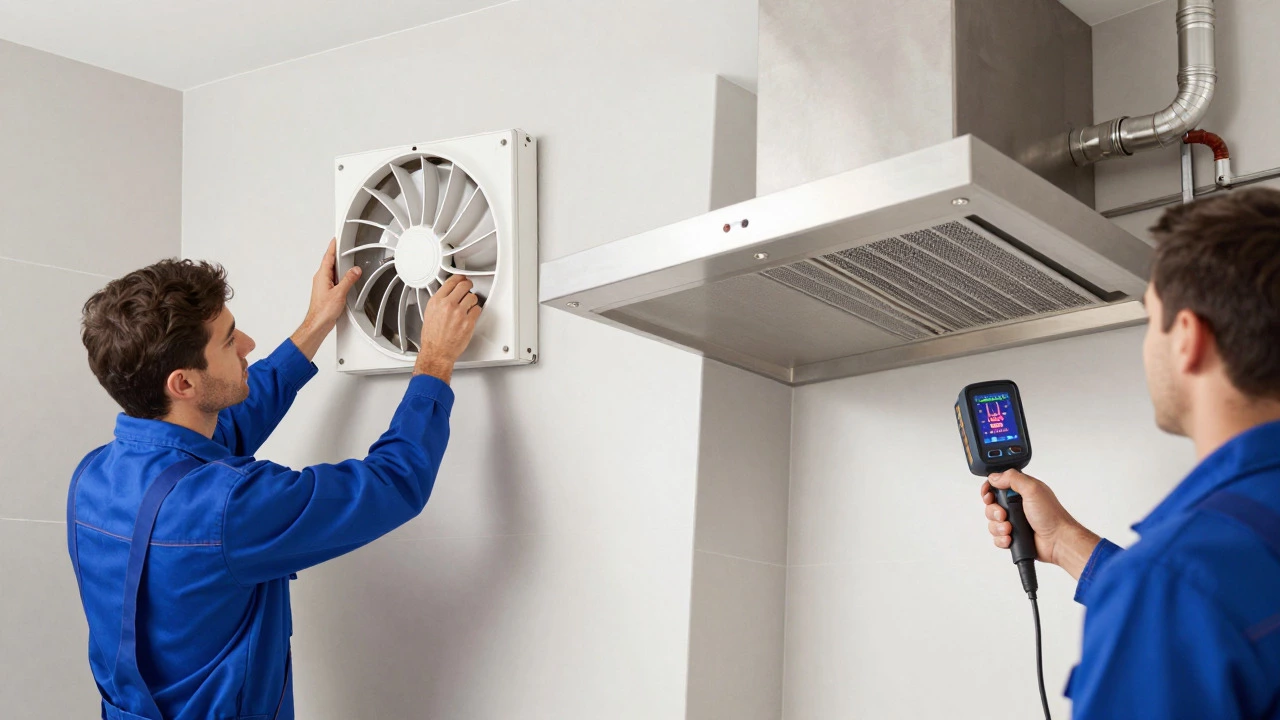
Comparison: Who Should You Hire?
| Professional Type | Best For | Cost Estimate (Toronto Area) | Pros | Cons |
|---|---|---|---|---|
| Electrician | New wiring, hardwired units, code compliance | $150 - $300 + parts | Code compliant, insured, handles complex wiring | Higher hourly rate, may charge trip fees |
| Handyman | Replacements, plug-in models, simple swaps | $80 - $150 + parts | Lower cost, flexible scheduling | May not handle new circuits, variable skill levels |
| HVAC Tech | High-CFM kitchen hoods, whole-house ventilation | $200 - $400 + parts | Expertise in airflow and duct sizing | Overkill for small bathroom fans |
| DIY | Budget-conscious homeowners with skills | Cost of parts only ($50 - $200) | Lowest cost, personal satisfaction | Risk of error, time-consuming, permit responsibility |
Common Mistakes to Avoid
Whether you hire a pro or do it yourself, watch out for these pitfalls:
- Undersizing the Fan: A weak fan won’t clear steam or smoke. Calculate the room volume (length x width x height) and multiply by the recommended air changes per hour (usually 6-8 for bathrooms, 10-15 for kitchens). Buy a fan that meets or exceeds this CFM rating.
- Poor Duct Sealing: Leaky ducts send moist air into your attic or walls, leading to mold. Use mastic sealant or metal tape on every joint.
- Ignoring Noise Levels: Measured in Sones, lower is quieter. A 1.5 Sone fan is barely noticeable; a 3.0 Sone fan sounds like a conversation. Don’t sacrifice quietness for cheap price.
- Blocking the Intake: If you install a powerful exhaust fan without allowing fresh air to enter, the fan struggles. Ensure there is a gap under the door or a dedicated intake vent.
FAQ
Does an extractor fan installation require a permit in Toronto?
If you are adding new electrical wiring or altering the structure of your home (like cutting a new hole in the roof), you typically need a permit from the City of Toronto. Replacing an existing fan with a similar model usually does not require a permit, but it’s wise to check with your local building department to be sure.
How much does it cost to install an extractor fan?
The total cost varies widely. A basic bathroom fan replacement by a handyman might cost $100-$150 plus the price of the fan ($50-$100). A new kitchen hood installation with custom ductwork and electrical work by an electrician can range from $300 to $800 or more, depending on complexity.
Can I install an extractor fan myself if I’m not an electrician?
Yes, if you are confident with basic electrical safety and carpentry. Many DIYers successfully install fans by following manufacturer instructions. However, if you need to run new wires or modify your circuit breaker, hiring a licensed electrician is safer and often legally required.
What is the difference between a bathroom and kitchen extractor fan?
Kitchen fans are designed to handle grease and higher volumes of air (CFM). They often include filters to catch oil particles. Bathroom fans focus on moisture removal and odor control, usually requiring less CFM but needing to run for longer periods. Using a bathroom fan in a kitchen can lead to grease buildup and fire hazards.
Why is my extractor fan noisy after installation?
Noise can come from improper mounting, vibrating ductwork, or an undersized fan struggling against resistance. Ensure the fan is securely mounted to solid framing, not just drywall. Check that the duct is straight and free of kinks. If the problem persists, the fan unit itself may be defective.