

Ventilation Fan vs Extractor Fan: Which One Do You Actually Need?
 Apr, 5 2026
Fan Selection Helper: Which One Do You Need?
Answer a few questions about your space to find the right air solution.
Your Recommendation
You walk into your bathroom after a shower and the mirror is completely fogged up, or you've just seared a steak and the whole house smells like a grill. You know you need a fan, but when you start shopping, you see two different terms: ventilation fans and extractor fans. At first glance, they both just move air, right? Not exactly. Using the wrong one can lead to mold growth in your walls or a kitchen that stays greasy for days. The real difference lies in what they are trying to move and where that air is actually going.
Quick Summary: The Main Differences
- Ventilation Fans: Focus on general air circulation and bringing fresh air into a space.
- Extractor Fans: Designed to pull specific pollutants, steam, or odors out of a room and push them outdoors.
- Goal: Ventilation is about comfort and freshness; extraction is about removing contaminants.
- Location: Ventilation fans are common in bedrooms or living areas; extractor fans are staples in kitchens and bathrooms.
Understanding the Ventilation Fan
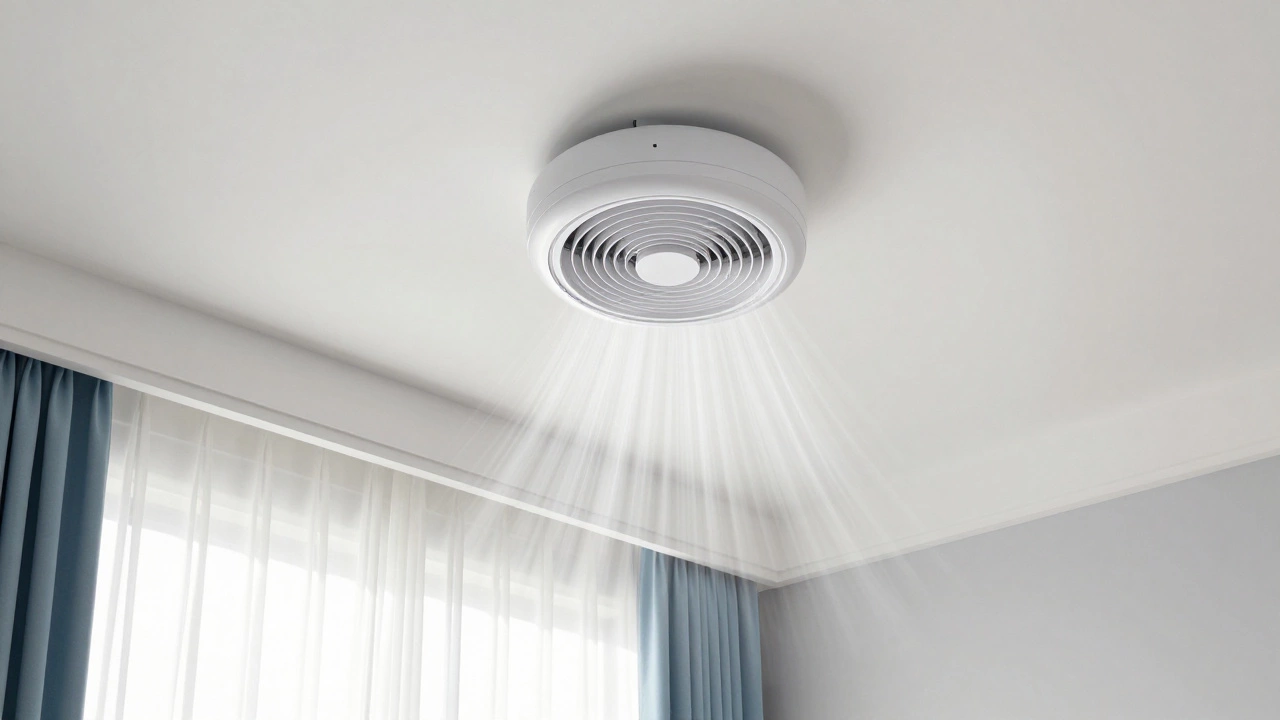
A Ventilation Fan is a device used to maintain a steady flow of air within a building to ensure a healthy indoor environment. Think of these as the "lungs" of a room. They don't necessarily care if the air is dirty or clean; their primary job is to prevent air from becoming stagnant. In many modern homes, this might be a window fan or a ceiling-mounted unit that pushes air around.
If you've ever lived in a humid climate, you know that stagnant air feels heavy. A ventilation fan solves this by creating a cross-breeze. It often works by pulling fresh air from outside and distributing it inward, or simply circulating the existing air to regulate temperature. Because they aren't fighting against heavy grease or thick steam, these fans usually have a lower CFM (Cubic Feet per Minute) rating compared to heavy-duty extractors.
The Power of the Extractor Fan
An Extractor Fan is a powerful mechanical device specifically engineered to remove moisture, smoke, and odors from a localized area and vent them directly outside. Unlike a general vent fan, an extractor is a one-way street. It creates a vacuum effect, sucking the "bad" air out of the room so that fresh air is naturally drawn in from under doors or through vents.
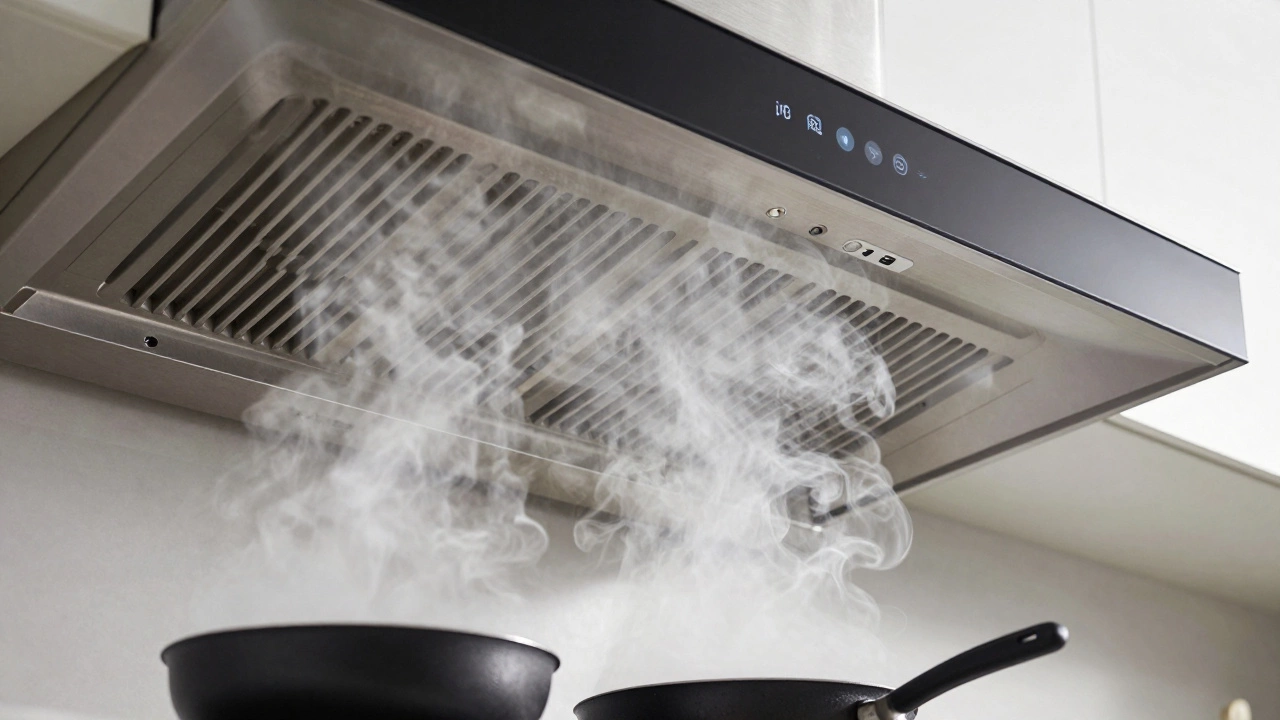
You'll find these in two main hotspots: the kitchen and the bathroom. In the kitchen, a Range Hood acts as an extractor, pulling grease and heat away from the stove before it can settle on your cabinets. In the bathroom, the extractor fan prevents condensation from clinging to the ceiling, which is the number one cause of black mold in residential homes. Without a high-functioning extractor, the moisture from a 10-minute shower can stay in the air for hours, rotting the drywall from the inside out.
Key Performance Differences
To really see the difference, we have to look at how they are built. Extractor fans are usually built with more powerful motors to handle the weight of humid air or the resistance of a long duct leading to the roof. They are often paired with filters-especially in kitchens-to catch grease particles before they clog the internal machinery.
A general ventilation fan, on the other hand, is often just a motor and a blade. It doesn't need to fight through a 10-foot PVC pipe to reach the outside; it might just be moving air from one side of a room to another. This is why you can't simply swap a bathroom extractor for a cheap window vent fan and expect the steam to vanish; the window fan just pushes the steam around the room, while the extractor removes it from the building entirely.
| Feature | Ventilation Fan | Extractor Fan |
|---|---|---|
| Primary Goal | Freshness & Circulation | Removal of Pollutants |
| Air Direction | Bi-directional or Circular | Outward (One-way) |
| Common Use Case | Bedrooms, Living Rooms | Kitchens, Bathrooms, Labs |
| Filtration | Rarely filtered | Often uses grease/charcoal filters |
| Power Requirement | Low to Moderate | Moderate to High |
When to Use Which?
If your goal is to lower the temperature of a room during a Toronto summer evening, a ventilation fan is your best bet. It moves a large volume of air quickly, making the space feel cooler without needing a full AC unit. It is about comfort.
However, if you are dealing with "active" air problems-like the smell of burnt toast, cigarette smoke, or the heavy fog of a steaming shower-you need an extractor. Trying to use a ventilation fan in a bathroom is a common mistake; you'll notice the air feels moving, but the walls still feel damp. That's because you're just circulating the moisture instead of removing it. For these areas, a dedicated Exhaust System is non-negotiable.

Common Signs Your Extractor Fan Needs Repair
Since extractor fans work harder and deal with nastier air, they tend to break down more often than simple ventilation fans. If you notice any of these signs, it's time to look into extractor fan repair or replacement:
- The "Hum" but no "Pull": If the fan is making noise but a single sheet of toilet paper held up to the grill doesn't stick, your motor is likely failing or the belt has snapped.
- Excessive Noise: Rattling or grinding sounds usually mean the bearings are worn out or a piece of debris is caught in the blades.
- Visible Grease Buildup: In kitchens, if the fan isn't clearing smoke as well as it used to, the internal motor might be coated in grease, which slows down the RPMs and can eventually cause the motor to burn out.
- Condensation After Use: If you run the fan for 20 minutes and the mirror is still steamed up, the ducting might be blocked or the fan's CFM output has dropped significantly.
The Impact on Long-Term Home Health
Choosing the right fan isn't just about convenience; it's about the structural integrity of your home. When an extractor fan fails, moisture finds the easiest path-which is usually into your ceiling joists and insulation. Over time, this leads to "dry rot" and structural weakening. By ensuring you have a high-powered extractor in moisture-heavy rooms and a general ventilation strategy for the rest of the house, you keep the air quality high and the repair bills low.
Can a ventilation fan be used as an extractor fan?
Generally, no. While both move air, a ventilation fan is designed for circulation and usually lacks the static pressure needed to push air through a long duct to the outside. Using one in a bathroom would likely just move the steam around the room rather than removing it, increasing the risk of mold.
How often should I clean my kitchen extractor fan?
If you cook daily, you should clean the grease filters every 2 to 4 weeks. Grease buildup doesn't just reduce efficiency; it creates a fire hazard. If you see yellow droplets forming on the grill, it's overdue for a cleaning.
What is CFM and why does it matter for fans?
CFM stands for Cubic Feet per Minute. It measures how much air the fan can move in one minute. A bathroom fan typically needs 50-100 CFM, while a kitchen extractor might need 300-600 CFM to effectively handle smoke and steam.
Why is my bathroom fan so loud?
Loud fans are usually caused by three things: a loose mounting bracket causing vibration, worn-out motor bearings, or a buildup of dust on the blades causing an imbalance. If it's a grinding sound, it's likely the bearings and requires professional repair.
Do I need a fan if I have a window in the bathroom?
Yes. While opening a window helps, it's not always practical in winter or during rain. An extractor fan provides a consistent, controlled way to remove moisture quickly, which is far more effective at preventing mold than a window alone.
Next Steps for Homeowners
If you're unsure if your current setup is working, try the "tissue test." Turn on your fan and hold a single ply of toilet tissue against the intake grill. If the tissue clings firmly, your extraction is working. If it flutters or falls, your fan is either underpowered or failing. If you're in a high-humidity area, consider upgrading to a fan with a humidity sensor that turns on automatically when the air reaches a certain moisture level, taking the guesswork out of ventilation.