

Is Replacing a Boiler a Big Job? Timeline, Costs & What to Expect
 Jun, 25 2026
Boiler Replacement Cost Estimator
Project Details
Estimated Total
~1 Day$0
Breakdown
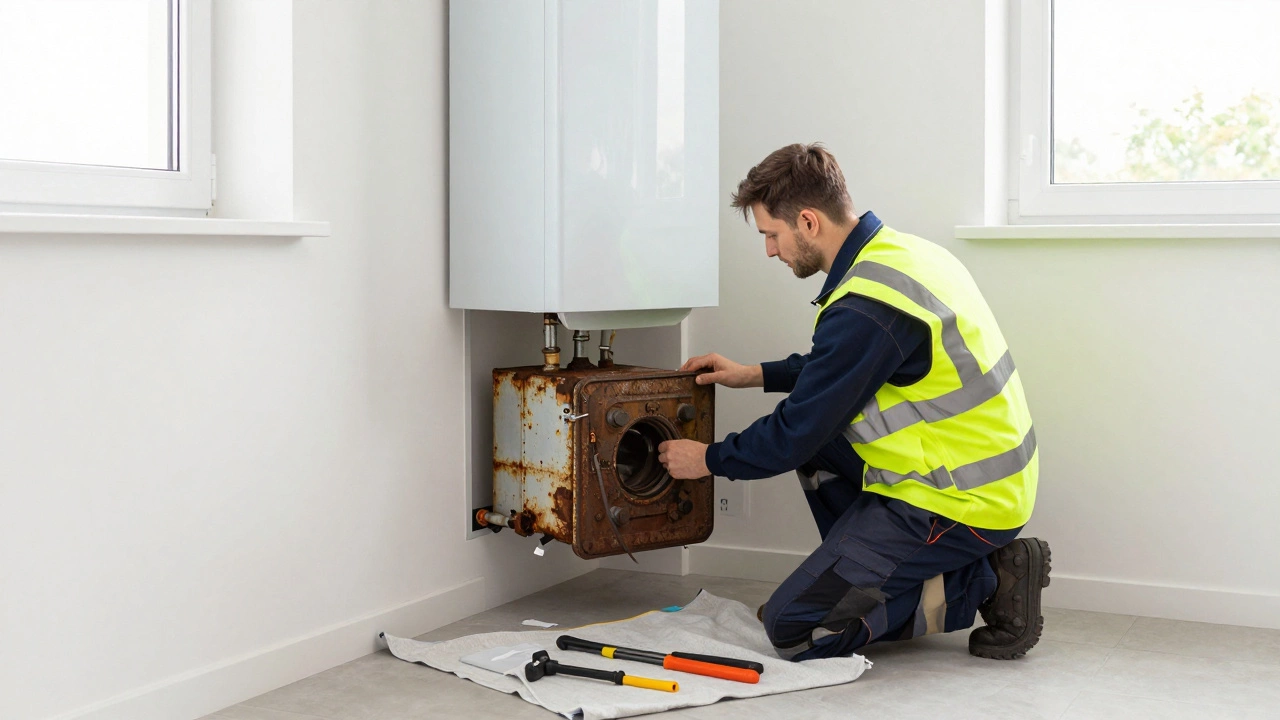
Your radiator stays cold while the rest of the house freezes. The technician looks at your twenty-year-old unit and says it’s not worth fixing. Now you face the dreaded question: is replacing a boiler a big job? The short answer is yes, but not in the way you might fear. It isn’t usually a month-long construction nightmare, but it is a significant mechanical undertaking that requires precision, permits, and professional hands.
If you are standing in a drafty hallway wondering how much disruption this will cause, take a breath. Modern installations are faster than ever. However, understanding what actually happens during a boiler replacement helps you prepare your home, your schedule, and your budget. Let’s break down exactly what goes into swapping out an old heating system for a new one.
The Scope of Work: More Than Just Swapping Boxes
Many homeowners imagine a boiler replacement as simply unscrewing the old box and screwing on the new one. In reality, it is a complex integration of plumbing, gas lines, electrical wiring, and ventilation systems. A standard like-for-like swap-where the new boiler fits in the exact same spot with existing pipework-is relatively straightforward. But most replacements involve upgrades that complicate the timeline.
Consider the shift from conventional boilers to combi boilers. If you are moving from a system that uses a large water tank in the loft to a compact combi unit that heats water on demand, you aren’t just changing the heater. You are removing the tank, capping off old pipes, and rerouting fresh water lines. This changes the scope from a simple appliance swap to a minor plumbing renovation. The complexity depends heavily on your current setup. Are you keeping the same fuel source? Is the flue (the pipe that exhausts gases) still usable? These factors dictate whether your job takes six hours or two days.
Timeline: How Long Will Your Home Be Without Heat?
Time is often the biggest stressor during a heating crisis. Here is a realistic breakdown of what to expect regarding duration:
- Like-for-Like Swap: A direct replacement of a broken boiler with a new model of similar type typically takes one day. Technicians can often remove the old unit and commission the new one within 6 to 8 hours. You might lose heat for half a day, but you won’t be sleeping in coats.
- System Upgrade (e.g., Conventional to Combi): Removing tanks and re-piping can extend the job to two days. Day one involves demolition and prep work; day two is for installation and testing.
- Full System Overhaul: If your radiators are inefficient, your pipes are corroded, or you are adding underfloor heating, the project expands. This isn’t just a boiler job anymore; it’s a heating system retrofit. Expect three to five days of work, potentially involving multiple tradespeople.
Weather also plays a role. If you are replacing your boiler in the dead of winter, technicians may rush slightly less to ensure perfect sealing against freezing temperatures. Summer installations allow for more thorough pressure testing and system flushing without the immediate pressure of providing heat.
Cost Breakdown: What Are You Actually Paying For?
Pricing for boiler replacements varies wildly based on location, brand, and labor rates. In major urban centers like Toronto, labor costs reflect the high demand for certified HVAC professionals. When getting quotes, look beyond the sticker price of the unit itself.
| Component | Low End Estimate | High End Estimate | Notes |
|---|---|---|---|
| Standard Combi Boiler Unit | $1,500 | $3,500 | Brand reputation and efficiency rating affect price |
| Labor & Installation | $800 | $2,000 | Includes removal of old unit and basic fitting |
| Permits & Inspections | $100 | $400 | Required by local municipal codes for gas work |
| System Flush & Power Flushing | $200 | $600 | Cleans sludge from old pipes; extends new boiler life |
| New Radiators/Pipework | $500 | $3,000+ | Only if upgrading the entire distribution system |
A common pitfall is choosing the cheapest quote. A low bid might skip the power flush, which leaves magnetic sludge in your pipes. That sludge circulates into your shiny new boiler, causing overheating and failure within three years. Always ask if the quote includes a full system flush and a warranty registration. A reputable installer will never cut these corners.
Regulatory Hurdles: Permits and Safety Checks
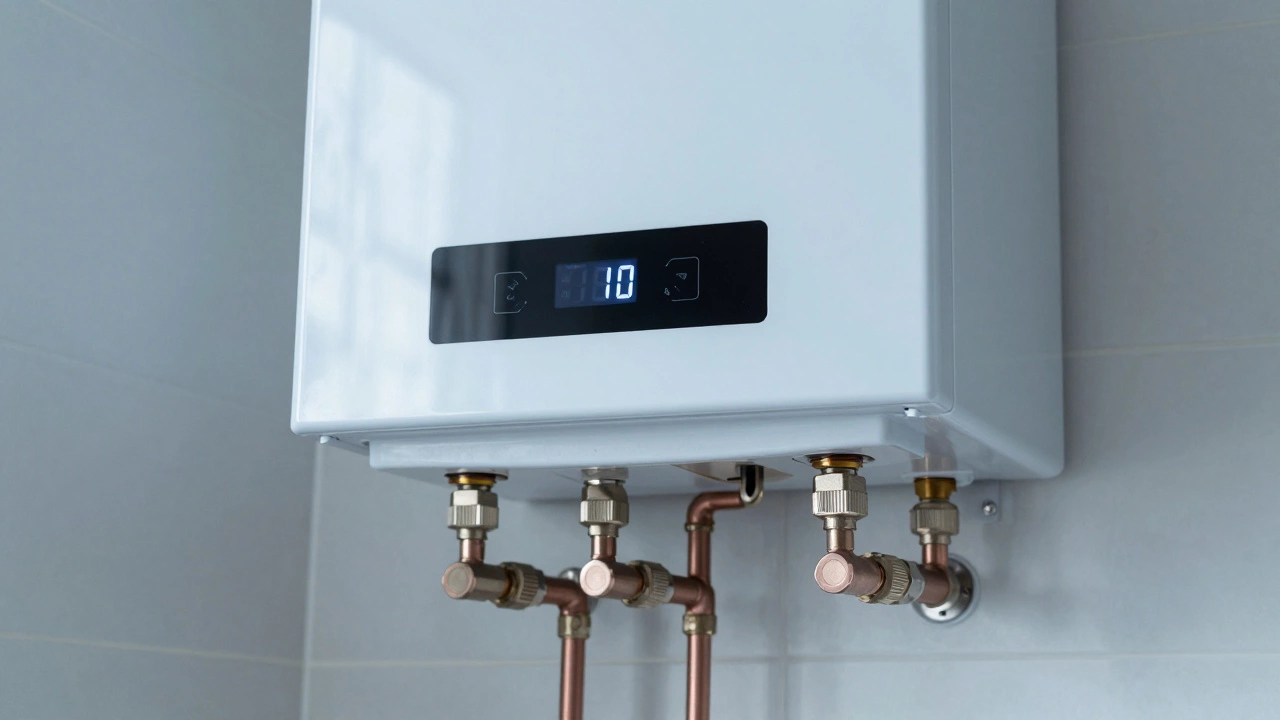
Replacing a boiler is not a DIY project. Gas appliances pose serious risks of carbon monoxide poisoning and explosion if installed incorrectly. In Canada, specifically Ontario, any work involving natural gas lines must be performed by a licensed Gasfitter. Furthermore, the City of Toronto requires a permit for any new gas appliance installation.
Here is why permits matter beyond just following the law. A permit triggers an inspection by a city official or a certified third-party inspector. They verify that the flue is sealed correctly, the gas line has no leaks, and the ventilation meets safety standards. If you hire an unlicensed handyman to save money, you risk voiding your home insurance. If a leak occurs later, the insurer will deny the claim because the work wasn’t permitted. Always verify the technician’s license number before they pick up a wrench.
Choosing the Right Boiler for Your Home
Not all boilers are created equal. Selecting the wrong type can lead to higher energy bills and poor performance. Here are the main types you need to know:
- Combi Boilers (Combination): These provide hot water on demand and heat for radiators. They are compact and ideal for smaller homes with one bathroom. They eliminate the need for a cold water tank in the loft and a hot water cylinder in the cupboard.
- System Boilers: These connect directly to a hot water cylinder. They are better for larger homes with multiple bathrooms where simultaneous hot water use is common. They require less space than conventional setups but still need a cylinder.
- Conventional Boilers (Regular/Open Vent): These use both a cold water tank and a hot water cylinder. They are best for older properties with existing infrastructure. They provide good water pressure but take up significant space.
Efficiency ratings are another critical factor. Look for boilers with a high Annual Fuel Utilization Efficiency (AFUE) rating. In 2026, modern condensing boilers achieve over 90% efficiency, meaning only 10% of the energy generated is lost up the flue. Older non-condensing models might waste nearly 30%. Switching to a high-efficiency model can reduce your annual heating bill by 15-20%, paying for the upgrade over time.
Preparation Tips: How to Make the Process Smooth
You can make the installation day much easier for yourself and the technicians with a little prep work. Clear the area around the current boiler. Remove decorations, furniture, or storage boxes that block access. If the boiler is in the kitchen, clear the countertops. Technicians need workspace to lay out tools and parts.
Think about noise and dust. While boiler installation isn’t as messy as a bathroom remodel, there will be drilling, especially if the flue needs to be moved to a different wall. Cover nearby surfaces with drop cloths if possible. Also, discuss parking with the crew. Heavy equipment and ladders need easy access to your home. If you live in a tight street, coordinate with neighbors to keep driveways clear.
Finally, decide on controls. A new boiler is a chance to upgrade your thermostat. Smart thermostats allow you to control heating via your phone, schedule temperature drops when you’re at work, and learn your habits to save energy. Installing a smart control system alongside the boiler is a small add-on cost that pays off in convenience and savings.
When to Repair vs. Replace
Before committing to a full replacement, ask yourself if a repair makes sense. Generally, if your boiler is over 15 years old, replacement is the smarter financial move. Old units become increasingly inefficient, burning more gas for less heat. Frequent breakdowns are a red flag. If you’ve called for service twice in the last year, the underlying components are likely failing.
However, if your boiler is relatively new (under 10 years) and the issue is a single part like a pump or a valve, repair is usually cheaper. A quick diagnostic can save you thousands. But remember the 50% rule: if the repair cost exceeds 50% of the price of a new unit, replace it. You’ll get better efficiency and a fresh warranty.
Do I need a permit to replace my boiler in Toronto?
Yes. In Toronto, any installation or replacement of a gas-fired appliance requires a building permit from the City of Toronto. Additionally, the work must be performed by a licensed Gasfitter. Failure to obtain a permit can result in fines and issues with home insurance claims.
How long does a typical boiler replacement take?
A standard like-for-like boiler replacement typically takes one day (6-8 hours). If you are upgrading from a conventional system to a combi boiler, it may take two days due to the removal of water tanks and re-piping. Complex system overhauls can take three to five days.
What is the average cost of a new boiler in 2026?
The total cost for a boiler replacement, including the unit and labor, generally ranges from $2,500 to $5,500. This varies based on the brand, efficiency rating, and complexity of the installation. Simple swaps are on the lower end, while system upgrades with new pipework are on the higher end.
Can I install a boiler myself?
No. Installing a gas boiler is illegal for unlicensed individuals in Canada. It poses severe safety risks including carbon monoxide poisoning and gas explosions. Only a licensed Gasfitter should perform this work to ensure compliance with safety codes and manufacturer warranties.
Should I choose a combi boiler or a system boiler?
Choose a combi boiler if you have a smaller home with one bathroom and want to save space by eliminating water tanks. Choose a system boiler if you have a larger home with multiple bathrooms and need consistent hot water supply for simultaneous use. Consult with a technician to assess your specific water pressure and usage needs.