

Is It Worth Replacing a Freezer Compressor? Cost vs. Value Guide
 Jul, 13 2026
Freezer Repair vs. Replace Calculator
Current Freezer Details
Recommendation
Enter your details to see if repairing the compressor is financially sound.
Your freezer stops keeping things frozen, and the technician tells you the compressor is dead. The quote for parts and labor lands somewhere between $400 and $800. You look at your reliable unit that has served you well for five years. Do you pay that bill, or do you walk out the door with a receipt for a brand-new machine?
This is one of the most common dilemmas in home appliance maintenance. The answer isn't just about money; it's about energy efficiency, environmental impact, and how much you value your current setup. Let’s break down the real costs so you can make a decision that doesn’t hurt your wallet or your peace of mind.
How Much Does a Compressor Replacement Actually Cost?
First, let’s get the numbers straight. In 2026, the price of raw materials like copper and steel has stabilized slightly after the supply chain hiccups of the early decade, but labor rates in major cities like Toronto have continued to climb. A professional repair job involves more than just swapping the box that makes the noise.
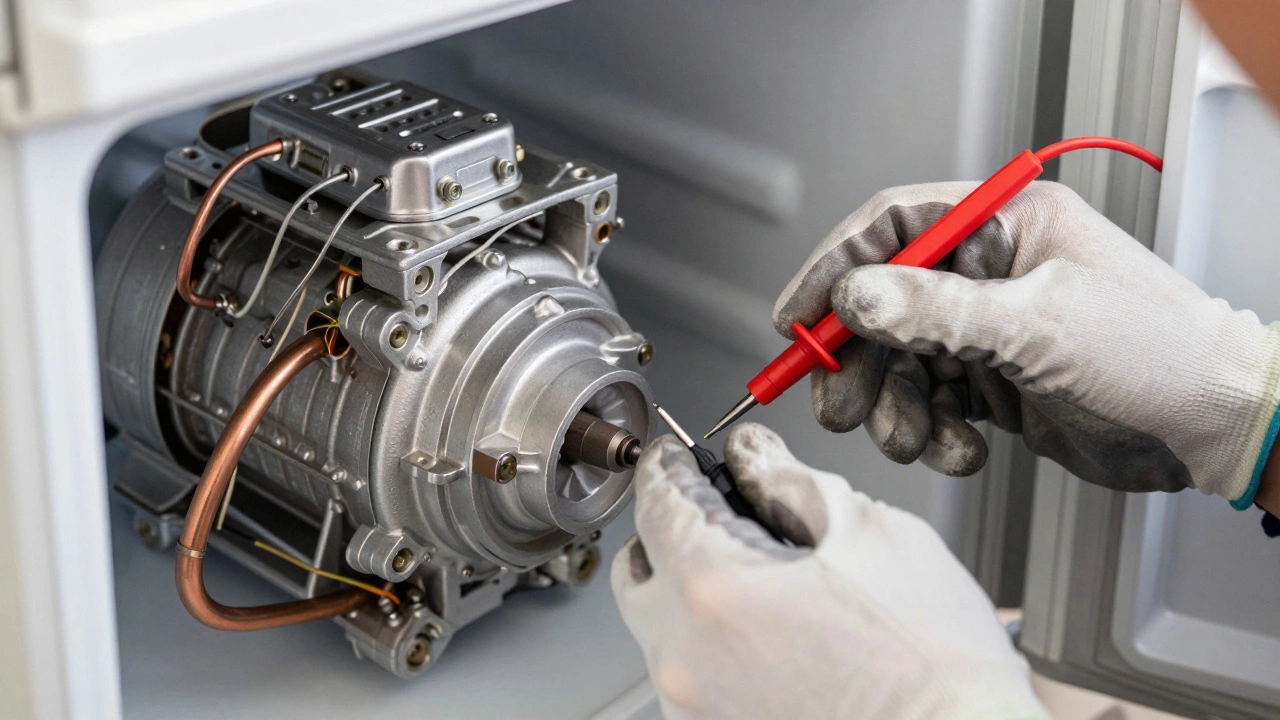
The technician needs to recover the old refrigerant (which is illegal to vent into the atmosphere), remove the old compressor, install the new one, replace the dryer filter, vacuum the system to remove moisture, and recharge it with fresh gas. Here is what that typically looks like:
- New Compressor Unit: $150 - $300 depending on the brand and size.
- Refrigerant Gas: $50 - $100 for R-134a or newer eco-friendly alternatives.
- Dryer Filter & Valves: $30 - $50 (always replaced during this job).
- Labor (2-4 hours): $200 - $400 depending on local rates.
Total out-of-pocket: $430 - $850.
If your freezer is a basic upright model bought ten years ago, spending $600 to fix it feels heavy. But if it’s a high-end built-in unit or a specialized medical-grade chest freezer, that same cost might be a no-brainer. The context matters.
The "Half-Life" Rule for Appliances
I use a simple rule of thumb when advising clients: If the repair cost exceeds 50% of the price of a comparable new unit, and the appliance is older than half its expected lifespan, buy new.
Average freezers last between 10 and 15 years. If your unit is eight years old, it’s nearing the end of its road. Spending $600 to extend its life by another three years is rarely worth it. However, if your freezer is only four years old under warranty (or just out of it), replacing the compressor gives you another decade of service. That’s a solid investment.
Think of it like a car. Would you spend $2,000 on transmission repairs for a 2015 sedan worth $8,000? Maybe. Would you spend $2,000 on a 2008 sedan worth $3,000? Absolutely not. Apply that logic here.
Energy Efficiency: The Hidden Cost of Old Units
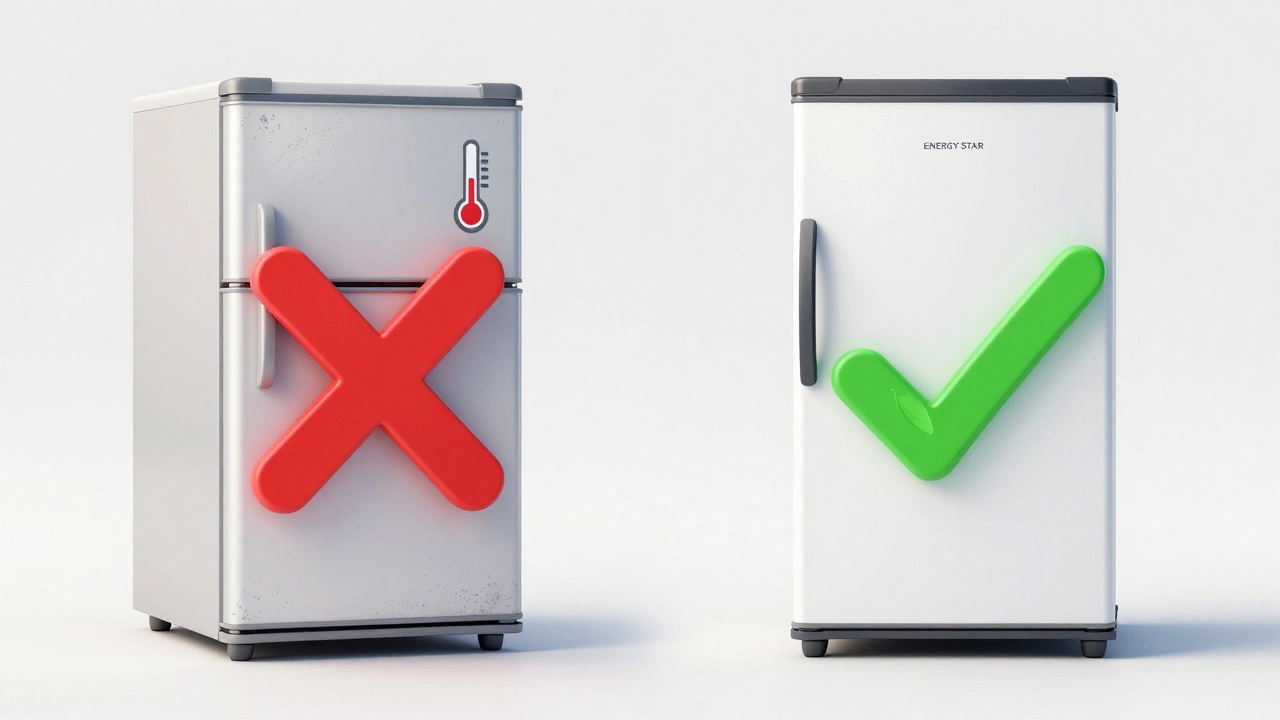
This is where many people miss the bigger picture. Freezers manufactured before 2015 are significantly less efficient than modern models. Energy standards have tightened over the last decade. A new ENERGY STAR-certified freezer uses roughly 20-30% less electricity than an older non-certified model.
Let’s do the math. An old freezer might consume 400 kWh per year. At current Ontario electricity rates (approx. $0.12/kWh), that’s about $48 a year. A new efficient model might use 280 kWh, costing $33.60 a year. You save about $14.40 annually.
It sounds small, right? Over ten years, that’s $144 in savings. Not huge. But combine that with the reliability of new parts and the lack of immediate repair bills, the total cost of ownership shifts in favor of the new unit. Plus, modern compressors run quieter and maintain temperatures more consistently, which means less food spoilage.
When Repairing Makes Perfect Sense
Don’t write off repair just yet. There are specific scenarios where fixing the compressor is the smartest move:
- Built-In Models: If your freezer is part of a custom kitchen cabinetry setup, replacing the entire unit involves carpentry, electrical work, and potential damage to surrounding finishes. The installation hassle often outweighs the repair cost.
- High-Capacity Chest Freezers: Large capacity units (8+ cubic feet) are expensive to replace. A new high-end chest freezer can cost $1,000+. Paying $500 to keep a 5-year-old beast running is financially sound.
- Specialized Medical Freezers: If you store vaccines or biological samples, downtime is not an option. These units are critical infrastructure. Repair them immediately to avoid data loss or sample degradation.
- Warranty Coverage: Check your paperwork. Some extended warranties cover compressor failures specifically because they are known weak points in certain brands.
Signs Your Compressor Is Actually the Problem
Before you commit to any money, ensure the diagnosis is correct. Technicians sometimes guess based on symptoms. Here is how to verify if the compressor is truly dead:
- No Humming Sound: A working compressor hums steadily. If it’s silent but the fan runs, the compressor relay or start capacitor might be faulty (cheap fixes). If the compressor clicks repeatedly but never starts, it’s likely seized.
- Warm Interior: The air inside is room temperature, and ice cream is soft. This indicates a complete cooling failure.
- Hot Sides: On some models, the sides get warm as heat is expelled. If the sides are cold to the touch while the unit is running, the compressor isn’t circulating refrigerant.
- Condensation or Frost Buildup: If the defrost system failed first, it can freeze over the evaporator coils, causing the compressor to overwork and burn out. If you see thick ice behind the back panel, the issue might have started with the defrost heater, not the compressor itself.
Ask your technician to test the continuity of the windings and check the start relay. These tests take five minutes and save you from unnecessary parts orders.
Environmental Impact: To Toss or To Fix?
We live in an era where e-waste is a massive crisis. Discarding a functional freezer just because one component failed contributes to landfill waste. Modern refrigerants, even the newer HFO types, have global warming potentials (GWP) that require careful handling. Professional repair ensures these gases are captured and recycled properly.
Repairing extends the lifecycle of the product. From a purely environmental standpoint, fixing a 5-year-old unit is better than buying new. Buying new introduces manufacturing emissions, shipping carbon footprints, and packaging waste. If your unit is young enough to have 7+ years of life left, repairing it is the greener choice.
| Factor | Repair | Replace |
|---|---|---|
| Upfront Cost | $400 - $800 | $300 - $1,200+ |
| Lifespan Extension | 5-10 years (if unit is young) | 10-15 years guaranteed |
| Energy Efficiency | Same as before (often lower) | 20-30% improvement |
| Warranty | 90 days - 1 year on parts/labor | 1-5 years manufacturer warranty |
| Best For | Units < 7 years old, Built-ins, High-end models | Units > 10 years old, Basic models, Frequent breakdowns |
What If It’s Not the Compressor?
Sometimes, the symptom mimics a compressor failure, but the root cause is cheaper to fix. Before you sign the big ticket, ask about these possibilities:
The Start Relay: This small plastic component sits on top of the compressor. It fails frequently and costs about $20-$40. If the relay is stuck, the compressor won’t start. Swapping it takes 10 minutes.
The Thermostat: If the thermostat thinks the freezer is already cold, it won’t signal the compressor to turn on. Testing this is easy for a tech.
Door Seals: Worn gaskets let warm air in. The compressor runs constantly trying to catch up, eventually burning out. If the seals are bad, the compressor might still be good, but it’s being abused. Replacing seals costs $50-$100.
Final Verdict: Make the Call
So, is it worth it? If your freezer is less than seven years old, yes. The cost of repair is justified by the remaining useful life. If your freezer is older than ten years, or if it has needed other repairs recently (like a new fan motor or defrost board), cut your losses. Buy a new, energy-efficient model. You’ll sleep better knowing you have a full warranty and lower electric bills.
Don’t let fear of the unknown drive your decision. Get two quotes. Ask for a diagnostic fee waiver if you proceed with the repair. And remember, a broken freezer is stressful, but a bad financial decision is worse. Choose wisely.
How long does a new freezer compressor last?
A newly installed compressor should last the remainder of the freezer's life, typically 10 to 15 years if the rest of the system (condenser coils, fans, seals) is healthy. However, if the original compressor failed due to poor ventilation or voltage spikes, the new one may fail sooner unless those underlying issues are fixed.
Can I replace the freezer compressor myself?
Technically, yes, but it is highly discouraged for DIYers. Handling refrigerant requires EPA certification (in the US) or equivalent provincial licensing (in Canada). Improper evacuation of the system leads to moisture contamination, which will destroy the new compressor within weeks. The risk of voiding warranties and damaging the environment makes professional service the safer bet.
Why did my freezer compressor fail suddenly?
Common causes include power surges, clogged condenser coils causing overheating, worn-out start relays forcing the motor to strain, or a leak in the sealed system causing the compressor to run dry. Lack of maintenance, such as failing to clean coils, is a leading contributor to premature failure.
Is it safe to leave food in the freezer while waiting for repair?
No. Once the compressor stops, the internal temperature rises rapidly. Food safety guidelines state that perishables should not be above 4°C (40°F) for more than two hours. Move meat, dairy, and prepared foods to a neighbor’s freezer, a cooler with ice packs, or a friend’s house immediately to prevent spoilage and health risks.
Do all freezers use the same type of compressor?
No. Compressors vary by size, voltage, and refrigerant type. Older units may use R-12 or R-22 refrigerants, which are banned and require special retrofit kits. Newer units use R-134a or R-600a (isobutane). Using the wrong compressor or refrigerant can cause catastrophic failure or fire hazards. Always match the exact specifications listed on the unit’s rating plate.