

How to Fix Hot Water Not Turning On: A Step-by-Step Troubleshooting Guide
 Nov, 19 2026
Hot Water Troubleshooting Wizard
Answer the questions below to identify the likely cause of your hot water issue.
What type of water heater do you have?
Look at the front panel or label. If unsure, check if there is a vent pipe going up (Gas) or just electrical panels (Electric).
What is the main symptom?
Check the Breaker Panel
Go to your main electrical panel. Look for the breaker labeled "Water Heater".
Check Gas & Pilot
Ensure the gas valve handle is parallel to the pipe. Then look at the pilot area.
Sediment Check
If water runs out fast, sediment may be insulating the lower element.
Sediment Check
Sediment can cover the burner or dip tube.
Thermostat Settings
The temperature might be set too low.
Leak Location
Where exactly is the water coming from?
Diagnosis
Your diagnosis will appear here.
You wake up, step into the shower, and get hit with a blast of freezing cold. It’s the worst feeling, especially when you’re late for work or just trying to relax. If your hot water isn’t turning on, it’s rarely a catastrophic failure that requires replacing the entire unit immediately. In most cases, the issue is a simple switch flipped off, a tripped breaker, or a pilot light that blew out. Before you call a plumber and pay for a service call, you can troubleshoot the problem yourself in about fifteen minutes.
| Symptom | Likely Cause | First Action |
|---|---|---|
| No hot water anywhere in house | Main power/gas supply cut | Check breaker box or gas valve |
| Hot water runs out quickly | Failing heating element or dip tube | Inspect elements or schedule service |
| Pilot light won't stay lit | Dirty thermocouple or draft | Clean thermocouple or check vents |
| Leaking from bottom of tank | Tank corrosion or drain valve leak | Shut off water; call pro if tank leaks |
Identify Your Water Heater Type First
Before you start poking around, figure out what kind of system you have. This changes everything. You generally have one of two main types: an electric storage tank or a gas-powered unit. There are also tankless models, but the troubleshooting logic differs slightly there.
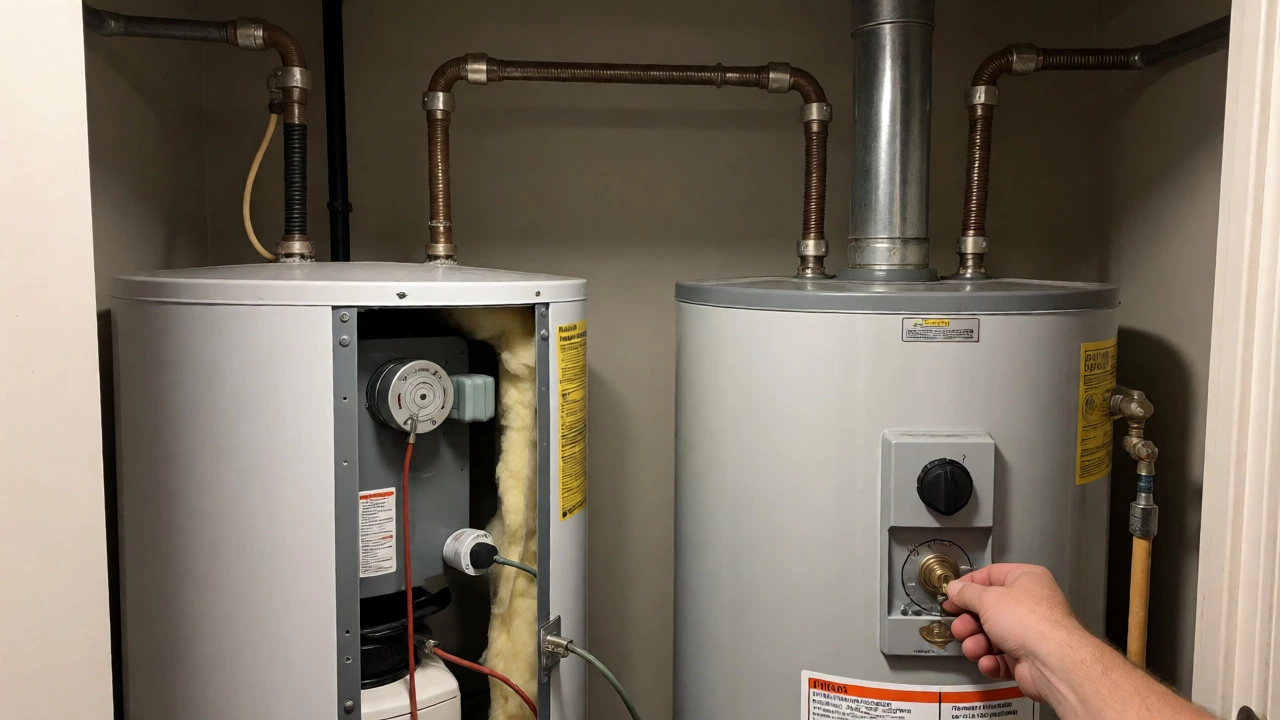
Electric Water Heaters use heating elements submerged in the tank to warm the water directly. They rely entirely on electricity, so if the power is out or a breaker trips, you lose heat instantly. These units usually have two thermostats and two heating elements-one at the top, one at the bottom. Gas Water Heaters burn natural gas or propane to heat the water via a burner at the base of the tank. They require a constant fuel source and proper ventilation. The most common point of failure here is the pilot light or the thermocouple safety device. If you aren’t sure, look at the front panel. Electric heaters often have access panels with insulation behind them. Gas heaters usually have a control knob on the front (Low, Pilot, High) and a vent pipe going up through the ceiling.Check the Power Supply (Electric Units)
If you have an electric water heater, the first thing to do is check the electrical supply. It sounds obvious, but this fixes about 30% of "no hot water" calls.
- Check the Circuit Breaker: Go to your main electrical panel. Look for the breaker labeled "Water Heater." If it’s switched to "Off" or stuck in the middle position, flip it fully Off, then back On. If it trips again immediately, you might have a shorted heating element.
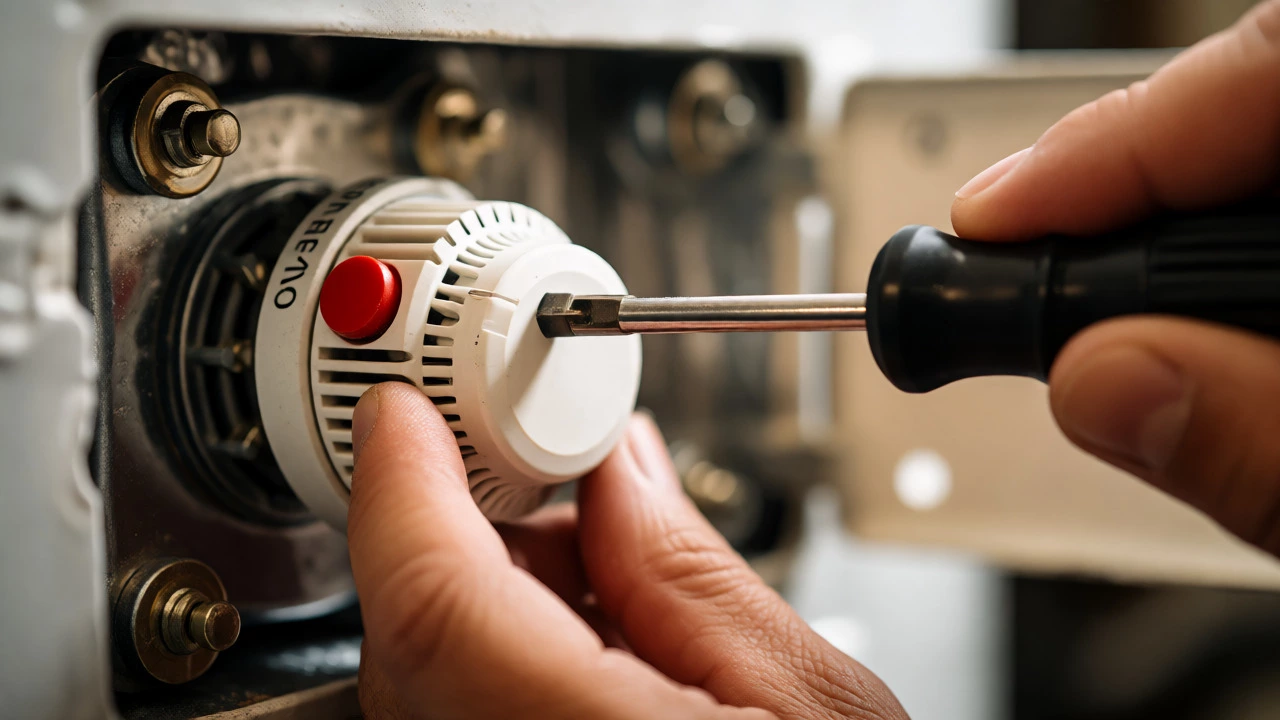
- Inspect the Reset Buttons: Many electric heaters have high-limit reset buttons hidden behind the access panels. Turn off the power at the breaker first. Remove the cover plate and insulation. You’ll see a small red button near the thermostat. Press it firmly. If it clicks, it had tripped due to overheating. Restore power and wait an hour to see if hot water returns.
Be careful here. You are dealing with live voltage. Never touch the internal components without ensuring the breaker is off. Use a non-contact voltage tester if you have one.
Examine the Gas Supply and Pilot Light (Gas Units)
For gas heaters, the problem is usually fuel-related. Start by checking the gas valve. Ensure the handle is parallel to the gas line. If it’s perpendicular, the gas is off. Turn it parallel to restore flow.
Next, look at the pilot light. Most modern gas heaters use an electronic ignition, meaning you won’t see a standing flame. Instead, you might hear a clicking sound as the igniter tries to spark. If you smell gas, stop. Do not try to relight it. Open windows and call a professional.
If you have an older model with a standing pilot light:
- Turn the control knob to "Pilot."
- Press and hold the knob while pressing the igniter button (or using a long lighter).
- Hold the knob down for 60 seconds after the pilot lights. This heats up the Thermocouple, which is a safety sensor that detects the pilot flame and signals the gas valve to stay open.
- Release the knob slowly. If the pilot goes out, your thermocouple is likely dirty or broken.
A faulty thermocouple is cheap to replace (usually under $20), but it requires precise alignment. If you aren’t comfortable working with gas components, this is a good time to call a pro.
Investigate Thermostat Settings
Sometimes the heater is working, but the temperature is set too low. Check your thermostat settings. For electric heaters, the thermostats are located behind the side panels. They are usually set to 120°F (49°C) by default. If someone bumped the setting down to 100°F, the water might feel lukewarm rather than hot.
Use a screwdriver to adjust the dial carefully. Don’t crank it up to 140°F unless necessary-that increases scalding risk and energy bills. For gas heaters, turn the dial from "Pilot" to "On" or a medium setting like "Eco" or "Normal." Wait at least an hour for the tank to recover before testing the water again.
Look for Leaks and Sediment Buildup
If the power and gas are fine, but you still have no hot water, inspect the physical condition of the tank. Puddles around the base are bad news. A leaking tank usually means the inner liner has corroded through. Unfortunately, if the tank itself is leaking, repair isn’t an option-you need a replacement.
However, if the leak is coming from the pressure relief valve or the drain valve, those are easy fixes. A dripping pressure relief valve might just need tightening or replacement ($15 part).
Sediment buildup is another silent killer. Over years, minerals settle at the bottom of the tank. This insulates the water from the heat source (especially in gas heaters) or covers the lower heating element (in electric ones). If your hot water runs out faster than usual, or makes popping noises, you likely have sediment. Draining the tank can help, but if the element is buried in scale, it may have burned out.
When to Call a Professional
You’ve checked the breakers, reset the buttons, verified the pilot light, and looked for leaks. Still no hot water? Here is when you should stop DIY-ing:
- Electrical Issues: If the breaker keeps tripping, you have a ground fault or a shorted element. Testing and replacing elements requires removing the tank’s side panel and handling high-voltage wires.
- Gas Smell: Any scent of rotten eggs near the heater warrants immediate evacuation and a call to your gas company or plumber.
- Tank Leakage: As mentioned, a cracked tank cannot be patched effectively. Replacement is the only solution.
- Age: If your water heater is over 10-12 years old, repairs are often throwing money away. Replacing it now prevents emergency flooding later.
Preventing Future Failures
Once you get the hot water back, take steps to keep it running. Flush your tank once a year to remove sediment. Insulate the pipes leading from the heater to reduce heat loss. And consider installing a timer if you have an electric unit, so it doesn’t run unnecessarily during peak rate hours.
Why did my hot water stop suddenly?
Sudden loss of hot water is often caused by a tripped circuit breaker in electric systems or a blown pilot light in gas systems. Sudden failures can also result from a failed heating element or a malfunctioning thermocouple.
How long does it take for hot water to come back on?
After fixing a power issue or relighting a pilot, it typically takes 30 to 60 minutes for a standard 40-gallon tank to reheat fully. Tankless heaters provide hot water almost instantly once the ignition sequence completes.
Can I replace a heating element myself?
Yes, if you are comfortable with basic tools and safety precautions. You must drain the tank partially, disconnect the power, and unscrew the old element. However, incorrect wiring can cause shorts, so consult a manual or video guide specific to your model.
What does a bad thermocouple look like?
A failing thermocouple may appear blackened, burnt, or coated in heavy soot. However, visual inspection isn't always reliable. If the pilot light stays lit but the main burner won't ignite, the thermocouple is likely faulty and needs replacement.
Is it cheaper to repair or replace a water heater?
If the unit is less than 8 years old and the issue is a component like a thermostat or element, repair is usually cheaper. If the tank is leaking or the unit is over 10 years old, replacement is more cost-effective long-term due to improved efficiency and reliability.