

How Long Should an Electric Stove Last? Lifespan Guide & Repair Tips
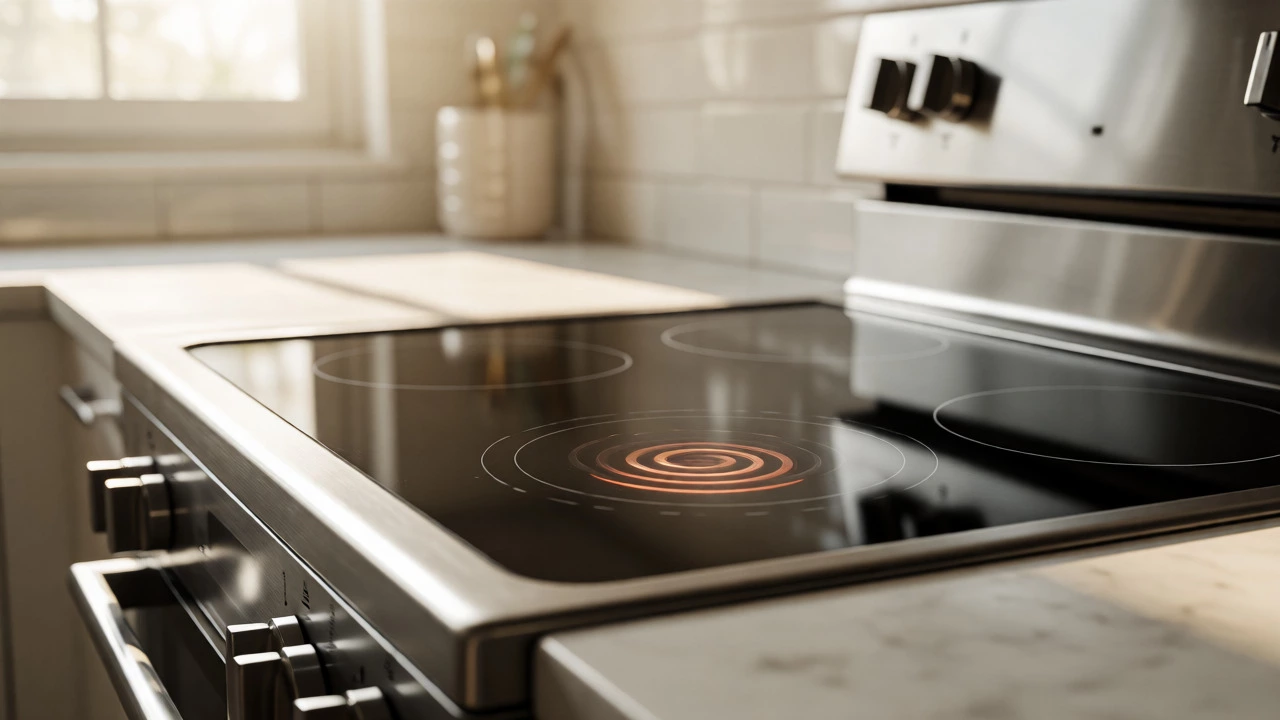 Nov, 26 2026
Electric Stove Repair vs. Replace Calculator
Use this tool to apply the "50% Rule" mentioned in the article. If repair costs exceed 50% of a new comparable stove's price, it is often better to replace.
Enter details to see recommendation
Quick Reference: Common Failure Points & Costs
| Surface Heating Element | $20 - $50 (Part) | Easy Fix |
| Oven Bake/Broil Element | $20 - $50 (Part) | Easy Fix |
| Door Seal / Gasket | ~$30 (Part) | Preventative |
| Control Board / Touchscreen | $150 - $300 (Part+Labor) | Expensive |
| Glass Cooktop Replacement | ~50% of New Stove | Replace Unit? |
You just bought a new electric stove, and the receipt is still in your pocket. You’re probably thinking, "Great, I won’t have to worry about this for a decade." But then, three years later, one burner stops working, or the oven takes twenty minutes to preheat instead of ten. Panic sets in. Is it dying? Do you need a full electric oven repair? Or are you just unlucky?
Here’s the truth: most people replace their ranges way too early because they don’t know what normal wear looks like versus actual failure. The average lifespan isn't a single number; it depends heavily on how often you cook, what you cook, and whether you actually clean the thing properly. If you want to squeeze every last dollar out of your kitchen workhorse, you need to understand the anatomy of its longevity.
The Real Numbers: What Does 'Average' Mean?
Let’s cut through the marketing fluff. According to data from the National Association of Home Builders and various appliance industry reports, the typical life expectancy for a standard electric range is between 13 and 15 years. That’s a solid chunk of time. However, that number assumes moderate use-think family dinners four times a week, not a commercial kitchen simulation in your home.
If you’re a serious baker or someone who runs the oven daily for meal prep, expect closer to 8-10 years. Why? Thermal cycling. Every time you heat up the oven and let it cool down, the metal expands and contracts. Over thousands of cycles, that stress weakens seals, warps racks, and eventually cracks the insulation around wiring. Conversely, if you barely use your stove (maybe once a week), it might last 20 years, but ironically, lack of use can cause issues too, like seized hinges or corroded contacts from humidity buildup.
| Usage Level | Cooking Frequency | Expected Lifespan | Common Failure Point |
|---|---|---|---|
| Light | < 2 times/week | 15-20+ years | Corrosion, Seized Hinges |
| Moderate | 3-5 times/week | 13-15 years | Heating Elements, Thermostat |
| Heavy | Daily / Multiple meals | 8-10 years | Oven Seal, Control Board |
What Actually Breaks First?
Your stove doesn’t usually die all at once. It fails in parts. Knowing which part is failing helps you decide whether to fix it or replace the whole unit. Here are the usual suspects:
- Surface Heating Elements: These are the coils or glass-top radiants. They are consumables. A coil element might last 5-7 years before sagging or burning out. Glass-top elements are trickier; if the glass cracks, the whole cooktop section often needs replacing, which can cost nearly half the price of a new stove.
- Oven Heating Elements: There are two: bake (bottom) and broil (top). The bake element works harder and fails more often. Replacing one is cheap ($20-$50 for the part) and easy. If you ignore a broken bake element and keep using the broiler, you’ll burn food and frustrate yourself until you fix it.
- Thermostats and Sensors: This is where things get annoying. If your oven says 350°F but is actually running at 400°F, your cookies burn. Old mechanical thermostats drift over time. Newer digital sensors fail abruptly. Calibration fixes minor drift; replacement fixes major errors.
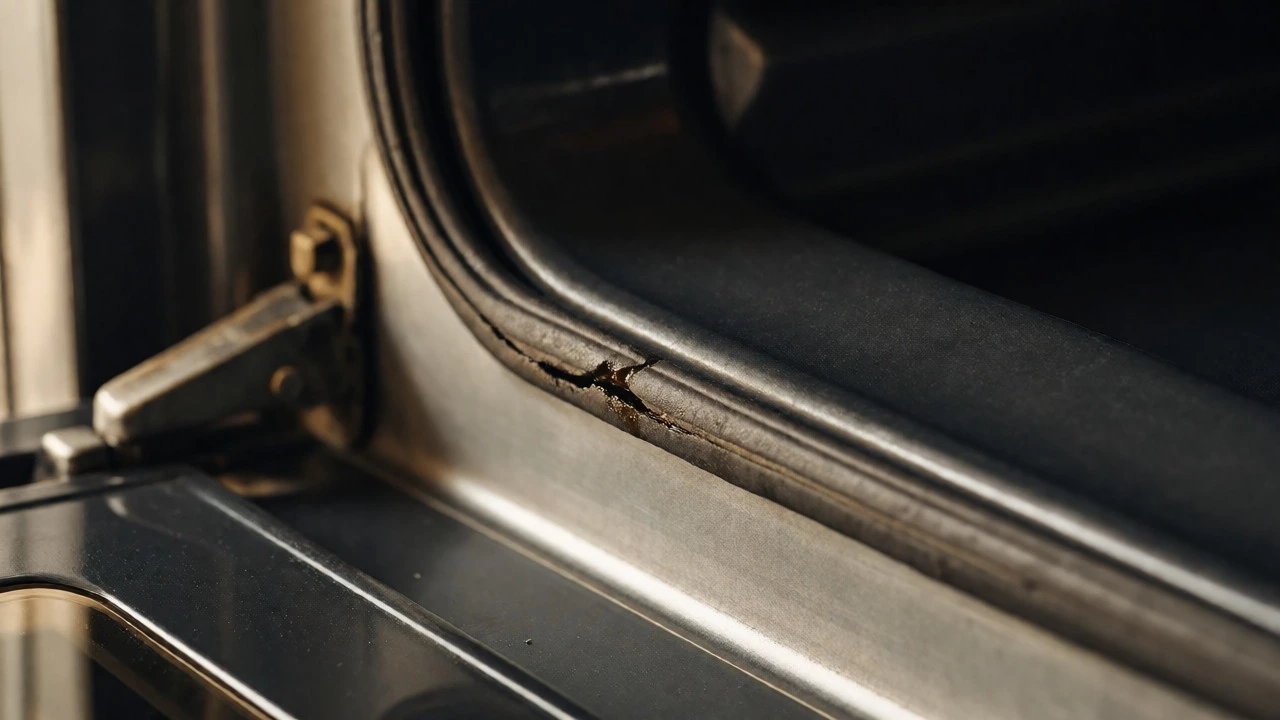
- Door Seals (Gaskets): This is the silent killer of efficiency. A torn gasket lets heat escape. Your oven works twice as hard to maintain temperature, wearing out the heating elements faster. Check the seal annually. If it’s brittle or cracked, replace it immediately-it’s a $30 fix that saves energy and extends element life.
Signs Your Stove Is Nearing the End
Not every glitch means retirement. But some signals are red flags. Watch for these:
- Inconsistent Temperature: If baking takes forever or burns unevenly despite rotating pans, the thermostat or sensor is likely gone. Before buying a new stove, try an independent oven thermometer. If it’s off by more than 25 degrees, you need a repair, not a replacement.
- Electrical Issues: Flickering lights, tripped breakers, or sparks near the cord indicate wiring problems. On older stoves, internal wiring insulation degrades. If you smell burnt plastic, stop using it. Rewiring an old stove can be risky and expensive compared to a new unit with better safety standards.
- Rust and Corrosion: Look under the oven floor and around the door frame. Surface rust is cosmetic. Deep rust that pits the metal means structural integrity is compromised. Water damage from spills seeping into vents causes this. Once water hits the control board, game over.
- Control Panel Failures: Touchscreens and digital interfaces love to fail after 10-12 years. If buttons become unresponsive or the display glitches randomly, it’s often the main control board. Replacement costs $150-$300. For a 15-year-old stove, that’s often money better spent on a new model with better features.
Repair vs. Replace: The Math
So, when do you call a technician for electric oven repair, and when do you shop for a new range? Use this simple rule of thumb: The 50% Rule.
If the repair cost exceeds 50% of the price of a comparable new stove, replace it. But there’s nuance here. Let’s say your stove is 12 years old. A new mid-range electric stove costs $800. A new heating element is $40 plus labor ($100 total). That’s well below 50%, so repair it. But if the control board dies and costs $300 to fix, that’s 37%. Still worth fixing? Maybe. But consider energy efficiency. Newer models use less electricity and have better insulation. Over five years, those savings add up.
Also, consider availability of parts. Brands like Whirlpool and GE have excellent parts support for older models. Boutique brands or discontinued lines might leave you hunting for used parts on eBay, which is a gamble. If you can’t find a replacement part within a month, it’s time to move on.
How to Make Your Stove Last Longer
You can’t change the age of your stove, but you can slow its aging process. Here’s what actually works:
- Clean Spills Immediately: Sugar-based spills (like pie filling) carbonize and eat through enamel and glass. Clean them while warm (not hot) with a damp cloth. Don’t wait for them to bake into concrete.
- Avoid Self-Cleaning Abuse: The self-clean cycle reaches 900°F. This extreme heat stresses seals, hinges, and electronics. Limit it to once or twice a year. Manual cleaning with baking soda paste is gentler and just as effective for most messes.
- Don’t Lean on the Door: It seems harmless, but leaning on an open oven door puts torque on the hinges. Over time, this misaligns the door, breaking the seal. A broken seal means higher energy bills and hotter kitchen floors.
- Check the Level: An unlevel stove causes pots to slide and, more importantly, affects how evenly the oven heats. Use a bubble level and adjust the feet quarterly. Proper leveling ensures even thermal distribution, reducing strain on heating elements.
When to Call a Pro
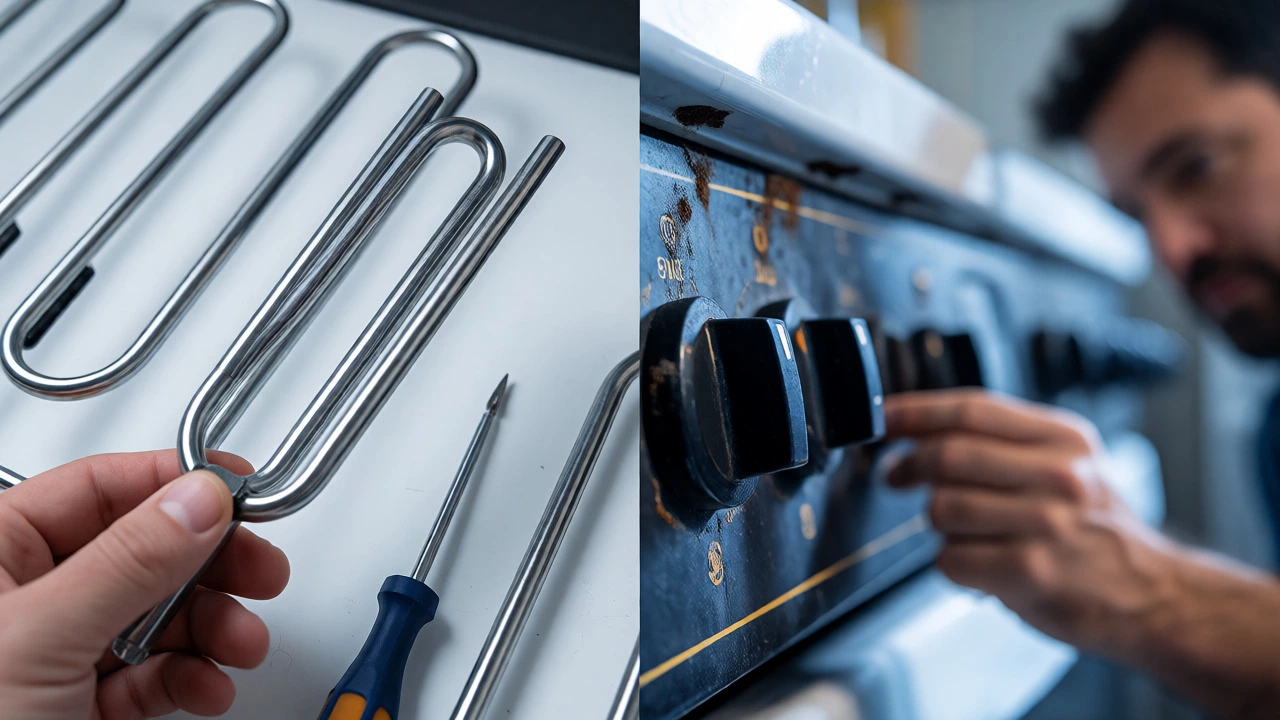
Some repairs are DIY-friendly. Swapping a surface coil or a bake element? Easy. Just unplug the stove, remove two screws, swap the part, and test. But electrical diagnostics, control board replacements, or gas line connections (if you have a hybrid setup) require a licensed technician. Mistakes here can void warranties or create fire hazards. If you’re unsure, get a quote. Many reputable repair services offer free diagnostic fees if you proceed with the repair.
Remember, your electric stove is a durable machine. With basic care and timely small repairs, hitting the 15-year mark is totally realistic. Don’t let a faulty burner convince you the whole thing is dead. Diagnose first, then decide.
Is it cheaper to repair or replace an electric stove?
It depends on the age and the specific fault. Generally, if the repair cost is less than 50% of a new stove's price and the appliance is under 10 years old, repair is the better financial choice. For older units with multiple failing components, replacement is often more cost-effective due to improved energy efficiency and reliability of new models.
How long do electric stove heating elements last?
Surface coil elements typically last 5-7 years, while glass-top radiant elements can last longer if not subjected to heavy impacts or severe thermal shock. Oven bake and broil elements also tend to last 5-10 years depending on usage frequency. Regular cleaning prevents residue buildup, which can shorten their lifespan.
Why is my electric oven not heating evenly?
Uneven heating is usually caused by a faulty oven fan (in convection models), a failing temperature sensor, or a damaged door seal allowing heat to escape. In non-convection ovens, it may indicate a weakening bake element. Checking the door seal and calibrating the thermostat are the first steps to resolving this issue.
Can I extend the life of my electric stove?
Yes. Key practices include avoiding excessive use of the high-temperature self-cleaning cycle, cleaning spills promptly to prevent corrosion, ensuring the stove is level, and replacing worn door seals immediately. These steps reduce thermal stress and electrical load, significantly extending the appliance's operational life.
What are common signs that an electric stove needs replacement?
Major indicators include deep structural rust, repeated electrical failures (such as tripping breakers), obsolete parts that are no longer manufactured, and cumulative repair costs exceeding the value of the appliance. If the control panel is unresponsive and the stove is over 12 years old, replacement is often recommended.