

How Do I Know If My Cooker Is Broken? A DIY Diagnostic Guide
 Aug, 9 2026
Cooker Diagnostic Assistant
Identify Your Cooker Type
Select your cooker type to begin diagnostics
Gas Cooker
Natural gas or propane powered
Electric Cooker
Coil or glass-ceramic hob
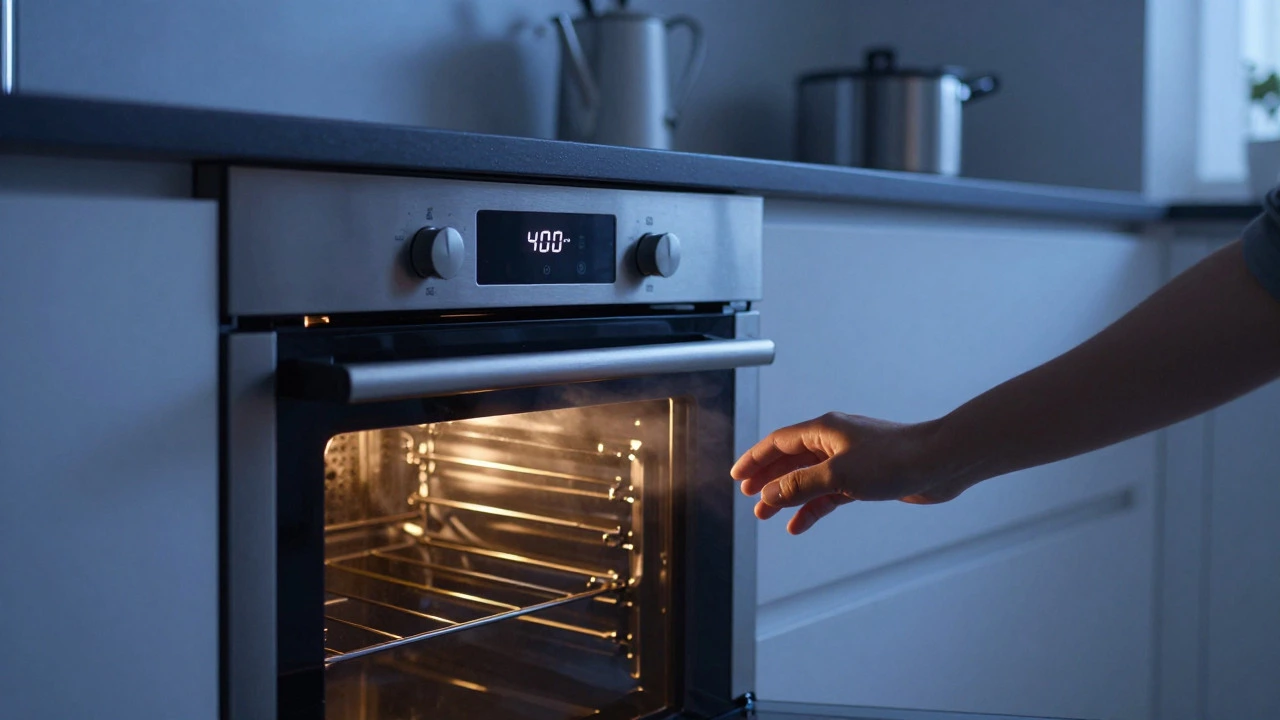
It’s Tuesday evening. You’ve got a roast in the Oven is a kitchen appliance used for baking and roasting food at high temperatures., dinner is late, and the temperature gauge reads 400°F, but your hand feels nothing but cold air when you reach in. Or maybe your Hob is the cooking surface of a stove where pots and pans are placed to cook food. won’t light, no matter how many times you click the igniter. Panic sets in. Is it a simple fix, or have you just bought yourself a $2,000 headache?
Before you call a technician or rush to the store, take a breath. Most Cooker failures are common malfunctions in stoves and ovens that can often be diagnosed by homeowners before professional repair is needed. aren’t catastrophic. They’re usually minor issues with power supply, clogged burners, or tripped breakers. Knowing the difference between a "broken" cooker and a "confused" one saves you time, money, and a lot of stress.
The Power Check: Is It Even On?
It sounds obvious, but we’ve all been there. You assume the machine is working because the lights are on, but the heating elements are dead. The first step in any Appliance diagnosis is the process of identifying why an electrical device is not functioning correctly. is checking the power source.
- Check the plug: Ensure the cord is firmly seated in the outlet. If it’s a freestanding range, wiggle it slightly. Sometimes vibrations from cooking loosen the connection.
- Test the outlet: Plug something else into that socket-a lamp or a phone charger. If that doesn’t work, the issue is your home’s wiring, not the cooker.
- Inspect the breaker box: Look for a tripped switch. High-draw appliances like Electric ranges are large kitchen appliances that use electricity to heat both the cooktop and the oven compartment. often trip breakers if overloaded alongside other devices like microwaves or toasters.
If the power is good, move on to the specific symptoms. Are you dealing with gas or electric? The troubleshooting paths diverge here.
Gas Cooker Troubleshooting: No Flame?
Gas Stoves are kitchen appliances that burn natural gas or propane to generate heat for cooking. rely on a precise mix of fuel and spark. If one part fails, you get no fire.
The Igniter Clicks But Won’t Light
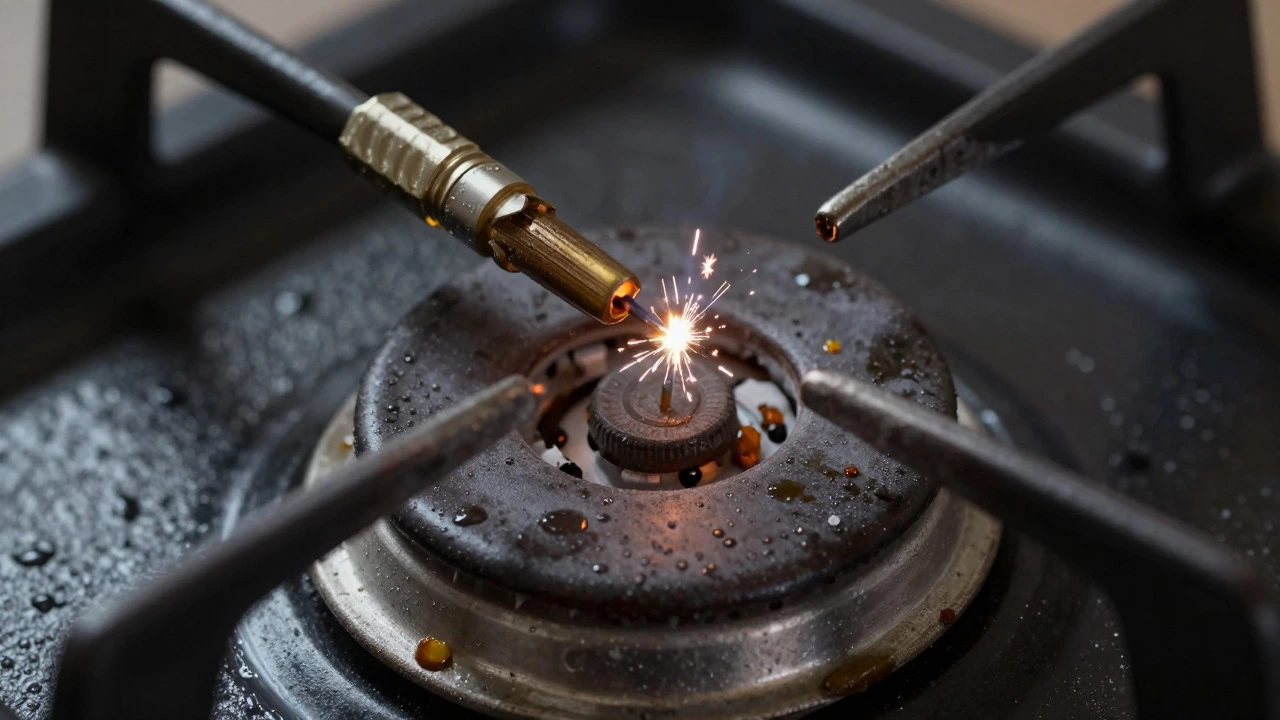
If you hear the rapid clicking sound but see no flame, moisture is likely the culprit. Steam from boiling water can seep into the ignition system. Wipe down the burner area with a dry cloth. Let it sit for ten minutes. Try again. If it still fails, check for debris. Food spills, grease, and burnt-on crumbs can block the spark electrode. Use a toothpick or a soft brush to gently clean around the spark generator.
No Clicking At All
Silence means no spark. This could be a faulty spark module or a disconnected wire. However, before assuming the worst, check the gas supply. Did you turn off the main valve after cleaning? Ensure the knob turns smoothly. If the knob feels stiff or broken, the internal linkage might be damaged.
Safety First: If you smell rotten eggs (mercaptan), evacuate immediately. That’s a gas leak, not a broken cooker. Call emergency services, not a repairman.
Electric Hob Issues: Burners That Refuse to Heat
Electric hobs come in two main types: coil and glass-ceramic. Both have distinct failure modes.
Coil Burners
If a coil glows red but stays cool, the element itself might be failing internally. If it doesn’t glow at all, check the drip pan beneath the coil. Corrosion or misalignment here breaks the electrical contact. Lift the coil, inspect the metal contacts, and ensure they’re clean and flat. Re-seat the coil firmly.
Glass-Ceramic Hobs
These are sleek but sensitive. If a zone isn’t heating, look for error codes on the display. Common codes like "E1" or "F5" indicate sensor failures. Clean the surface thoroughly. Spills under the pot can trigger thermal sensors to shut off the zone as a safety precaution. If the display is blank, check the control board fuses inside the back panel (after unplugging the unit!).
| Symptom | Likely Cause | DIY Fix | Call Pro? |
|---|---|---|---|
| Oven won’t heat | Tripped breaker or blown fuse | Reset breaker; check fuses | No (unless repeated) |
| Gas burner won’t light | Moisture or clogged igniter | Dry and clean igniter | No |
| Electric coil cold | Corroded contacts | Clean and reseat coil | No |
| Oven door won’t latch | Broken hinge or spring | Tighten screws; replace hinge | Yes (if spring snapped) |
| Error code displayed | Control board fault | Power cycle (unplug for 5 mins) | Yes (if persists) |
Oven-Specific Failures: Temperature and Timing
An oven that heats unevenly or runs too hot/cold is frustrating. Here’s how to tell if it’s truly broken.
The Thermometer Test
Buy a cheap oven thermometer ($10 online). Place it in the center rack. Set the oven to 350°F (175°C). Once preheated, check the thermometer. If it’s within ±25°F, your oven is fine. Your perception might be off due to old calibration. If it’s wildly inaccurate (e.g., 400°F+), the thermostat or temperature sensor is faulty. These parts are cheap and easy to replace if you’re handy.
Uneven Baking
If cookies burn on the bottom but stay raw on top, the broil element might be stuck on, or the convection fan is failing. Listen for the fan humming during bake cycles. If it’s silent, the motor may be dead. Uneven heating can also result from a warped rack or dirty interior. Clean the oven thoroughly. Grease buildup insulates heat, causing hot spots.
Door Seal Issues
A worn gasket lets heat escape. Run your hand along the door edge while the oven is warm (carefully!). If you feel significant heat escaping, the seal is compromised. Replace the gasket-it’s a $20 part that restores efficiency.
When to Call a Professional: Red Flags
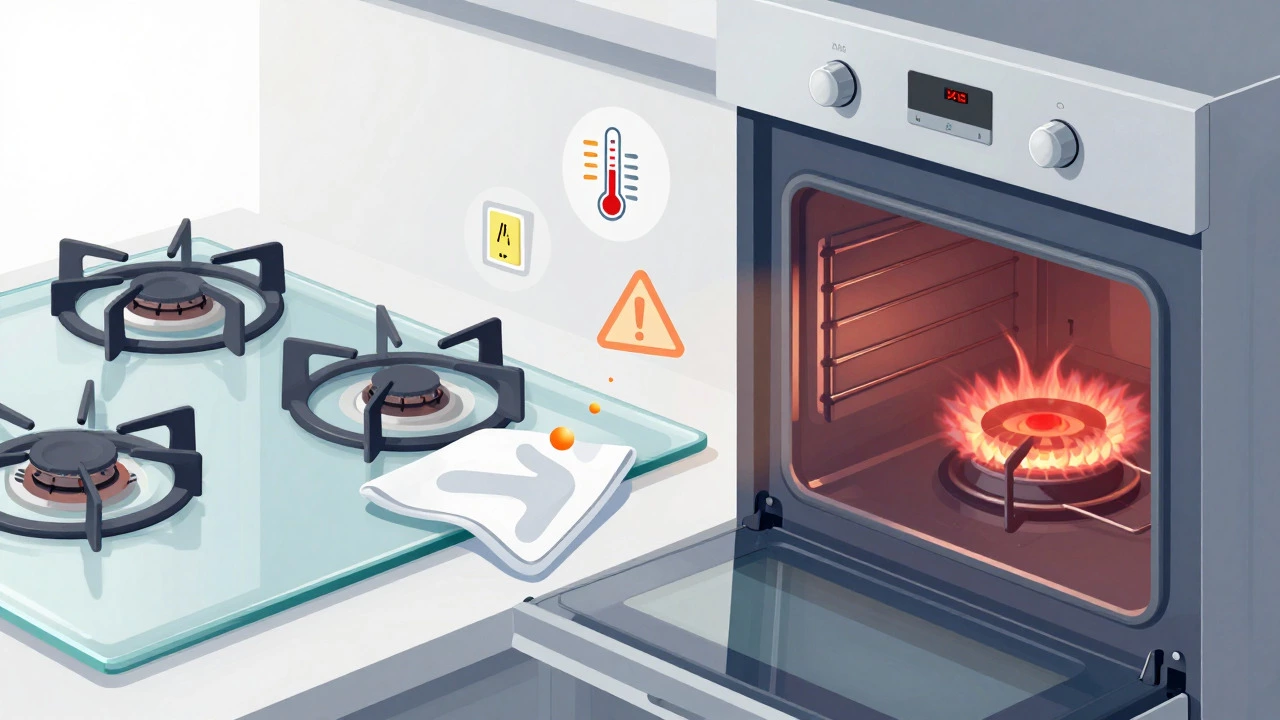
Not every problem needs a DIY approach. Some issues are dangerous or require specialized tools. Call a Qualified technician is a certified expert trained to diagnose and repair complex appliance malfunctions safely. if:
- You smell burning plastic or ozone. This indicates melting wires or a short circuit. Unplug immediately.
- The control panel sparks or smokes. Electrical arcing is a fire hazard.
- Gas smells persist after turning off the valve. Evacuate and call gas emergency services.
- The problem recurs after your fix. Intermittent faults often point to deeper board-level issues.
- Your cooker is under warranty. DIY repairs can void coverage. Check the manual first.
In Toronto, expect to pay $80-$120 for a service call, plus parts. For older units (10+ years), weigh the repair cost against replacement. A new energy-efficient model might save you more in the long run.
Maintenance Tips to Prevent Future Breakdowns
Prevention is cheaper than cure. Simple habits extend your cooker’s life significantly.
- Clean spills immediately. Sugary sauces caramelize and corrode surfaces over time.
- Descale self-clean ovens annually. Mineral buildup affects heating elements.
- Replace filters regularly. Range hood filters trap grease that can drip onto controls.
- Avoid abrasive cleaners. Steel wool scratches glass hobs, leading to cracks.
- Don’t overload circuits. Run heavy appliances on separate breakers.
By understanding these common signs, you’ll stop guessing and start fixing. Whether it’s a loose plug or a failed thermistor, most cooker issues are solvable without breaking the bank. Stay safe, stay curious, and keep cooking.
Why does my oven click continuously without heating?
Continuous clicking usually indicates a faulty relay on the control board or a stuck heating element switch. Moisture can also cause intermittent sparking. Dry the area thoroughly and reset the breaker. If clicking persists, the control board likely needs replacement.
Is it safe to use a gas stove if the pilot light goes out?
Modern gas stoves don’t use pilot lights; they use electronic ignition. If the flame dies unexpectedly, turn off the gas supply and ventilate the area. Relighting manually is risky unless you know the exact procedure for your model. Consult the manual or call a pro.
How much does it cost to replace an oven heating element?
Parts typically cost $20-$60. Labor adds $80-$120. Total DIY cost is just the part price. Professional installation usually totals $100-$180 depending on location and accessibility.
Can a tripped GFCI outlet affect my electric cooker?
Yes, if your cooker is plugged into a GFCI-protected circuit. Heavy loads can trip GFCIs falsely. Reset the button on the outlet near the stove. If it trips repeatedly, the circuit may need upgrading by an electrician.
Why does my oven door feel hot even when off?
Residual heat is normal for 15-30 minutes after use. If it’s hot hours later, the door seal is compromised, allowing heat to escape. Inspect the gasket for tears or gaps and replace if necessary.