

Gas Appliance Life Expectancy: How Long Do Your Units Last?
 Oct, 26 2026
Gas Appliance Lifespan Estimator
Select your appliance type and enter its current age to determine if you should plan for replacement or continue with maintenance.
Enter details to see recommendations
You flip the switch on your gas stove, and it lights up instantly. It feels like it will run forever, right? But here is the cold hard truth: every mechanical component has a ticking clock. Knowing the average life expectancy of a gas appliance isn't just trivia; it’s budget planning. If you’re in Toronto or anywhere else dealing with older housing stock, understanding these timelines helps you decide whether to repair or replace before a breakdown leaves you in the cold.
The Short Answer: Average Lifespans by Appliance Type
Before we dig into the variables, let’s look at the numbers. These figures come from industry standards set by organizations like the National Association of Home Builders (NAHB) and major manufacturers. Keep in mind, these are averages. Some units fail early due to poor installation; others last decades longer than expected with meticulous care.
| Appliance Type | Expected Lifespan (Years) | Key Failure Point |
|---|---|---|
| Gas Furnace | 15-20 | Heat exchanger cracks |
| Tankless Water Heater | 20+ | Lime scale buildup |
| Storage Water Heater | 8-12 | Tank corrosion/leaks |
| Gas Stove/Oven | 13-15 | Igniter failure |
| Gas Dryer | 13 | Thermostat issues |
| Fireplace Insert | 15-20 | Glass cracking |
Why Your Gas Furnace Might Not Make It to Twenty Years
The gas furnace is often the heart of a Canadian home’s heating system. While the manual might claim a 20-year life, reality in regions with harsh winters tells a different story. In Toronto, furnaces work overtime for six months a year. That constant cycling wears down moving parts faster than in milder climates.
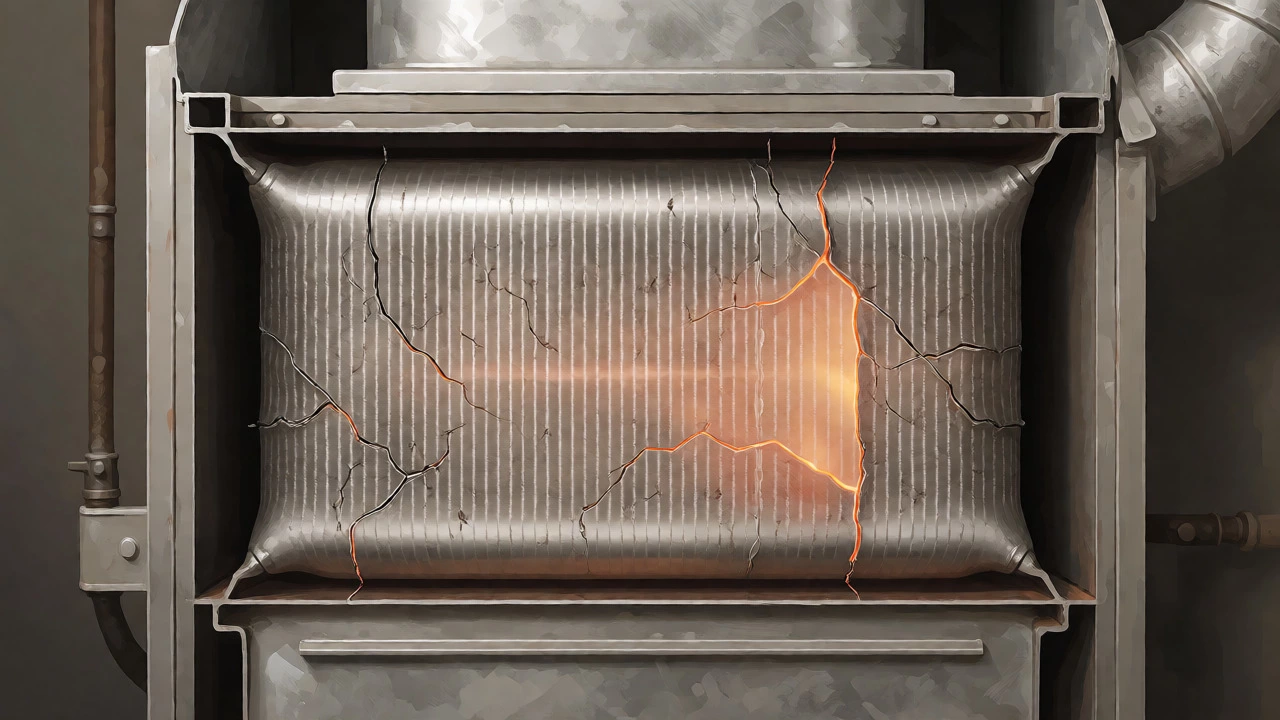
The biggest killer of furnaces isn’t usually age-it’s neglect. A dirty filter restricts airflow, causing the heat exchanger to overheat. Over time, this thermal stress creates hairline cracks. Once that heat exchanger cracks, carbon monoxide can leak into your living space. At that point, the unit is done. You cannot safely patch a cracked heat exchanger. Regular annual inspections by a certified technician can catch these issues early, potentially adding five years to the lifespan.
Water Heaters: The Tank vs. Tankless Debate
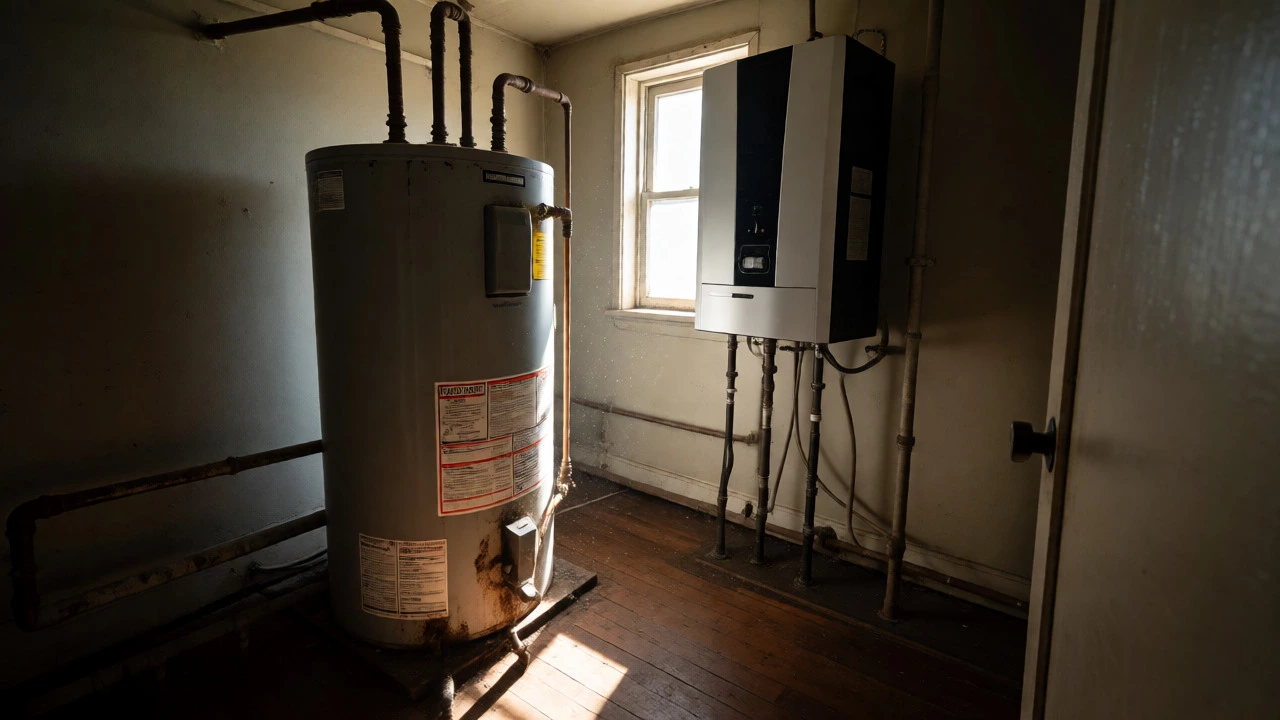
If you have a traditional storage tank, expect it to last between 8 and 12 years. Why so short compared to other appliances? Because it holds thousands of liters of water constantly. Even with a sacrificial anode rod designed to corrode instead of the steel tank, minerals in the water eventually eat through the lining. Hard water areas see shorter lifespans because mineral buildup insulates the burner, forcing it to work harder and hotter.
Tankless water heaters, on the other hand, are built differently. They heat water on demand, meaning no standing water sits inside corroding the metal. This design alone boosts their potential lifespan to 20 years or more. However, they aren’t maintenance-free. If you don’t flush the system annually to remove lime scale, the heat exchanger clogs. A clogged tankless unit loses efficiency rapidly and can fail within 10 years if ignored. The trade-off is clear: higher upfront cost for tankless, but lower long-term replacement frequency.
Kitchen Workhorses: Stoves, Ovens, and Hobs
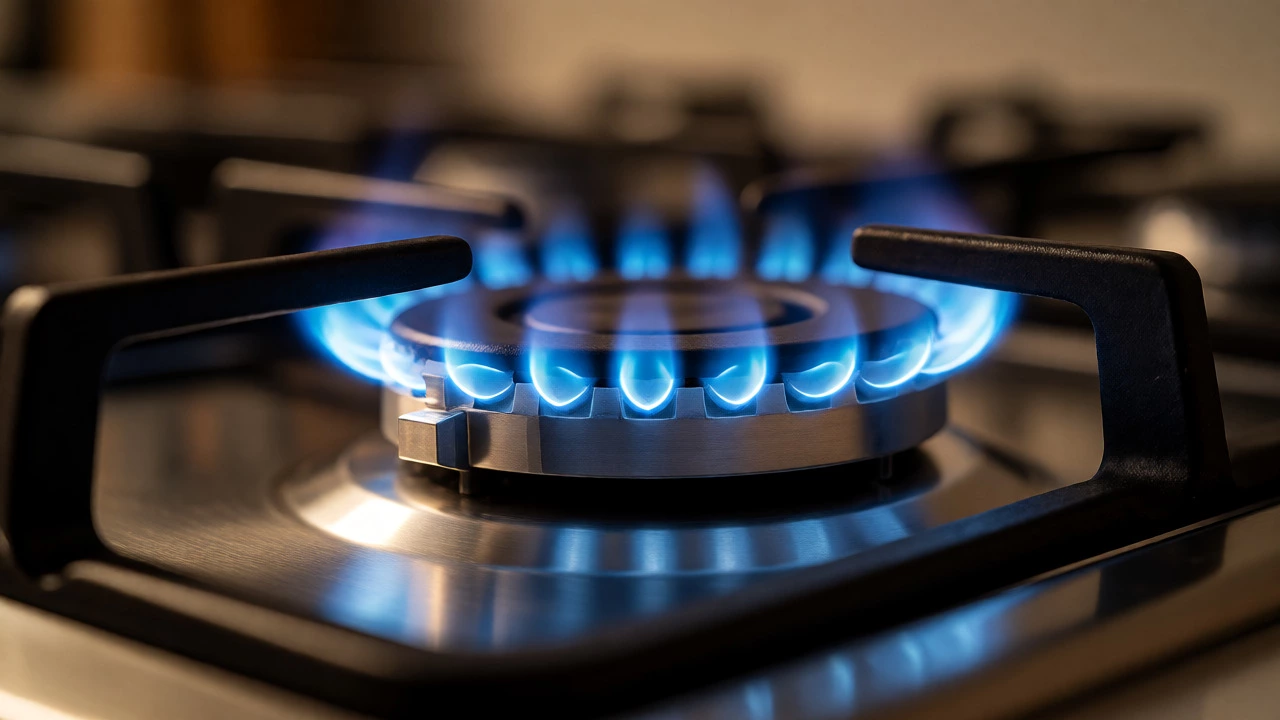
Your kitchen range takes a beating daily. Grease spills, food debris, and high heat take their toll. Most gas stoves last about 13 to 15 years. The first sign of trouble is rarely the oven itself; it’s usually the igniters. Modern electronic igniters are fragile ceramic components. If you notice clicking sounds without ignition, or delayed lighting, the igniter is failing. Replacing it costs less than $100 in parts and labor, extending the life of the whole unit significantly.
Ovens face a different threat: door seals. If the gasket around your oven door degrades, heat escapes. Your thermostat works harder to maintain temperature, stressing the internal electronics. Cleaning your oven regularly prevents grease from gumming up the burner ports, which ensures even flame distribution. Uneven flames cause hot spots that warp baking sheets and damage the oven floor over time.
Laundry Room Longevity: The Gas Dryer Factor
A gas dryer typically matches its electric counterpart in lifespan-around 13 years. But there is a critical safety factor here. Gas dryers produce lint, which is highly flammable. If you skip cleaning the vent hose behind the machine, lint builds up. This blocks airflow, causing the dryer to overheat. Overheating damages the drum bearings and the motor. More importantly, it increases fire risk.
In multi-unit buildings common in cities like Toronto, shared venting systems can backdraft. If your neighbor’s dryer exhaust smells in your laundry room, your vent line might be compromised. Addressing this immediately protects both your appliance and your air quality. Check the external vent flap outside your building; if it doesn’t open when the dryer runs, you have a blockage waiting to happen.
Five Signs It’s Time to Replace, Not Repair
How do you know when you’ve reached the end of the road? Don’t wait for total failure. Watch for these red flags:
- Age exceeds average lifespan: If your furnace is 18 years old and needs a new blower motor ($600+), put that money toward a new high-efficiency unit instead.
- Frequent repairs: If you call a technician twice in one year, the cumulative cost likely outweighs the value of keeping the old unit.
- Rising energy bills: Older appliances lose efficiency. A sudden spike in your gas bill, despite similar usage habits, indicates the unit is struggling.
- Visible rust or corrosion: On water tanks or furnace cabinets, surface rust can turn into structural weakness quickly.
- Pilot light color changes: A healthy flame is blue. Yellow or orange flames indicate incomplete combustion, which produces carbon monoxide and signals a serious issue.
Maximizing Your Investment: Maintenance Tips
You can’t change the physics of wear and tear, but you can slow it down. Here is how to squeeze every last year out of your gas equipment:
- Schedule professional tune-ups: For furnaces and boilers, annual service is non-negotiable. Technicians clean burners, check gas pressure, and test safety controls.
- Replace filters religiously: Change HVAC filters every 90 days, or monthly during peak winter. Dust accumulation is the enemy of efficiency.
- Keep vents clear: Ensure nothing blocks the intake or exhaust pipes for tankless heaters or furnaces. Snow drifts in winter can block exterior vents, causing shutdowns.
- Test detectors: Install carbon monoxide detectors near sleeping areas. Test them monthly. This won’t extend the appliance life, but it saves lives if the appliance fails unexpectedly.
- Clean burners: For stoves, soak grates and clean burner caps with warm soapy water. Clogged ports lead to uneven heating and wasted gas.
When to Call a Professional
While some tasks are DIY-friendly, gas lines are not toys. If you smell rotten eggs (the added scent for natural gas), evacuate immediately and call your utility company. Never attempt to move a gas appliance yourself without proper tools and knowledge. Improper connections lead to leaks, which are invisible killers. Always hire licensed professionals for any work involving the gas supply line or combustion chambers. In Ontario, look for TSSA (Technical Standards and Safety Authority) registered technicians to ensure compliance with local codes.
Does a gas appliance last longer than an electric one?
Generally, yes, for heating applications. Gas furnaces and water heaters often have simpler mechanical designs than complex electric heat pumps, leading to slightly longer lifespans. However, electric ovens may last longer than gas ovens because they lack igniters and gas valves, which are common failure points. It depends heavily on the specific model and maintenance history.
What happens if I ignore my gas furnace maintenance?
Ignoring maintenance leads to reduced efficiency, higher energy bills, and premature component failure. The most dangerous outcome is a cracked heat exchanger, which can leak carbon monoxide into your home. Regular cleaning prevents dust buildup that causes overheating, which is the primary cause of early furnace death.
Is it worth repairing a 15-year-old water heater?
Usually, no. If a standard tank water heater is over 10 years old and starts leaking, replacement is almost always the better financial decision. Parts for older models may be hard to find, and the risk of a catastrophic tank rupture increases significantly after the 12-year mark. Investing in a new, energy-efficient model pays off in reliability.
How does climate affect gas appliance lifespan?
Harsh climates accelerate wear. In cold regions like Canada, heating appliances run for extended periods, increasing cycle counts. Humidity can also impact gas dryers and stoves by promoting rust on internal components. Coastal areas with salt air see faster corrosion on metal casings and connectors compared to inland locations.
Can I extend the life of my gas stove?
Yes. Regular cleaning is key. Prevent grease buildup in burner ports and keep the oven interior free of burnt-on food. Avoid using harsh abrasive cleaners on stainless steel surfaces as they can scratch protective coatings. Also, ensure the stove is level; an unlevel stove causes uneven cooking and puts stress on the internal structure.