

Do You Need an Electrician to Replace an Electric Hob?
 Dec, 1 2025
Hob Replacement Cost Calculator
Professional Installation
Cost:
Includes: Permit, inspection, wiring upgrade, ESA certification
Insurance coverage
Legal compliance
DIY Risks & Costs
Potential costs:
Includes: Fire damage, permit fines, rewiring costs
Electricity Safety Tip: Most full-size electric hobs (5.5-7.2 kW) require 240V dedicated circuits. 240V can cause serious injury or death. Never attempt hardwiring without a licensed electrician.
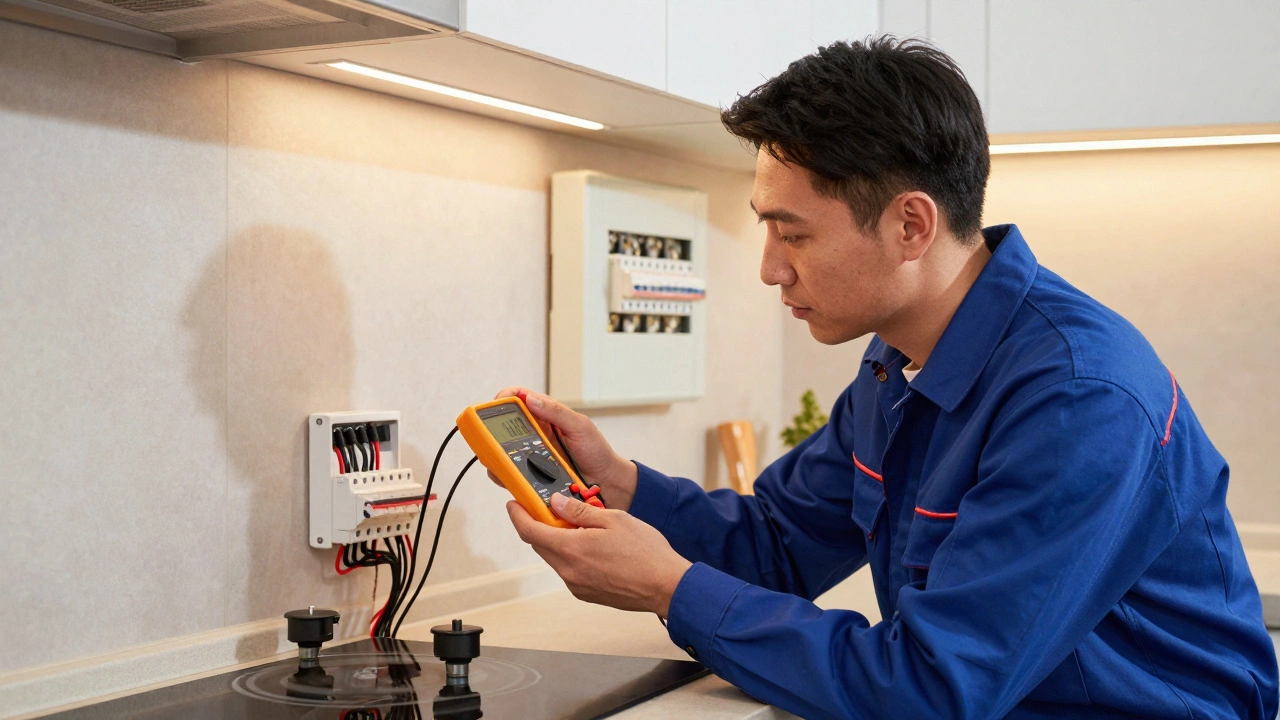
Replacing an electric hob isn’t like swapping out a light bulb. It’s not a DIY job you can rush through with a YouTube video and a screwdriver. If you’re thinking about replacing your old electric hob with a new one, the first question you should ask isn’t about brand or price-it’s whether you need a licensed electrician. The answer? Almost always, yes.
Why an Electrician Isn’t Optional
Electric hobs run on 240 volts in Canada. That’s not the 120 volts your lamp or phone charger uses. It’s the same voltage as your dryer or oven-enough to kill you if something goes wrong. Even if your old hob was wired by someone who wasn’t licensed, that doesn’t make it safe or legal to copy.When you install a new electric hob, it has to connect to a dedicated circuit. That means a specific breaker in your panel, the right gauge wire, and a properly grounded outlet. If your house is older-say, built before 2010-your wiring might not meet current code. A licensed electrician will check your panel, test the circuit, and upgrade anything that’s outdated or unsafe.
Here’s what happens if you skip the electrician: your insurance won’t cover damage from a fire caused by a DIY electrical job. The city won’t pass inspection if you ever sell your home. And if your new hob stops working because of bad wiring, the manufacturer won’t honor the warranty. You’re not saving money-you’re risking your home and your life.
What the Electrician Actually Does
It’s not just plugging in wires. A qualified electrician does a full assessment before touching the hob:- Checks your electrical panel for available amperage
- Verifies the circuit is dedicated (no other appliances sharing the line)
- Confirms the correct wire size (usually 6 AWG or 8 AWG for hobs)
- Tests grounding and bonding
- Installs a disconnect switch near the hob (required by Ontario Electrical Code)
- Seals and secures all connections to prevent overheating
- Labels the breaker clearly so future homeowners know what it controls
They also make sure the new hob matches the power requirements of your old one. A 7.2 kW hob needs a different circuit than a 5.5 kW model. If you swap in a more powerful hob without upgrading the wiring, you’ll trip the breaker constantly-or worse, overload the wires and start a fire.
When You *Might* Skip the Electrician
There’s one rare exception: if you’re replacing the hob with an identical model, and you’re 100% sure the existing wiring is up to code, properly grounded, and has a dedicated circuit. Even then, you’re still breaking the law in Ontario if you don’t have a permit and inspection.Most homeowners don’t know what’s behind their kitchen wall. You might think the wires look fine, but without a multimeter and training, you can’t tell if the neutral is floating, if the ground is bonded, or if the breaker is underrated. Electricians carry tools that show you things your eyes can’t see.
And here’s the kicker: in Toronto, any electrical work that involves permanent wiring-like hardwiring a hob-requires a permit. The city can fine you up to $50,000 for unpermitted work. They can also force you to tear out the installation and pay for repairs. That’s not a risk worth taking.
What About Plug-In Hobs?
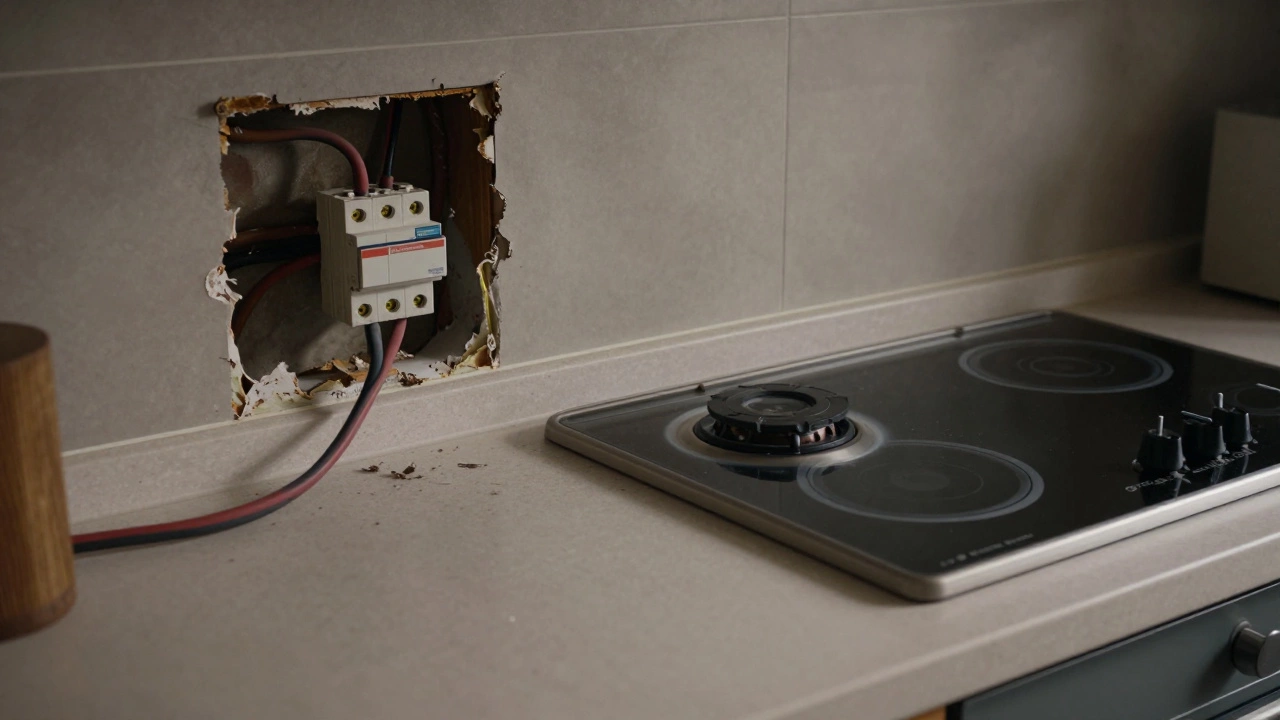
Some newer models claim to be “plug-in.” But don’t be fooled. These are usually low-power models (under 3.5 kW) meant for temporary use or small kitchens. They’re not designed for daily, heavy cooking. If you’re replacing a full-size electric hob, it’s hardwired. No plug exists that can safely handle the load.Even if you find a hob advertised as plug-in, check the specs. If it draws more than 13 amps, it needs a dedicated circuit and hardwiring. Most full-size hobs draw 25-35 amps. That’s not something you plug into a regular outlet.
Cost Comparison: DIY vs. Electrician
Let’s say you buy a new hob for $800. You think you’ll save $300 by doing the wiring yourself. But here’s what you’re not counting:- Cost of a permit: $150-$300 (required even if you do the work)
- Cost of inspection failure: $200-$500 to fix mistakes
- Cost of fire damage: tens of thousands
- Cost of insurance denial: no payout if your kitchen burns down
- Cost of reduced home value: buyers walk away if wiring isn’t code-compliant
Hiring a licensed electrician in Toronto for a standard hob replacement usually costs between $300 and $600, including labor, materials, and permit handling. That’s less than the cost of one hour of fire damage. And you get peace of mind.

What to Look for in an Electrician
Not every electrician knows how to handle appliance installations. Look for someone who:- Is licensed by the Electrical Safety Authority (ESA)
- Has experience with cooktop installations
- Can show you their ESA-issued permit paperwork
- Provides a written quote before starting
- Includes inspection scheduling in their service
A good electrician will bring a copy of the Ontario Electrical Code with them. If they don’t, walk away.
What Happens After Installation
After the electrician finishes, they’ll schedule an inspection with the ESA. You don’t have to do anything-just keep the receipt. Once the inspector signs off, you get a certificate. That’s your proof the job is legal.Keep that certificate with your home’s other important documents. If you ever sell your house, the buyer’s inspector will ask for it. No certificate? You’ll have to pay to rewire the hob before closing. That’s a deal-killer.
Final Thought: It’s Not About Skill-It’s About Safety
You might be handy. You might have replaced a faucet, fixed a leaky toilet, or installed a ceiling fan. But electricity doesn’t care how confident you are. One wrong move, one loose wire, one misread color code, and you could burn down your home-or worse.Replacing an electric hob isn’t about saving money. It’s about protecting your family, your property, and your future. The cost of hiring a licensed electrician is a tiny fraction of what you’d lose if something goes wrong. And in a city like Toronto, where winters are harsh and homes are packed tight, safety isn’t optional-it’s essential.
Don’t gamble with your kitchen. Call a pro.