

Can a Gas Hob Be Repaired? What to Check Before Calling a Pro
 Aug, 23 2026
Gas Hob Repair vs. Replace Decision Tool
You turn the knob, hear a faint click, but no flame appears. Or maybe one burner works while the others sputter and die out. It’s frustrating, especially when you’re hungry. The immediate question is: can a gas hob be repaired, or is it time to toss it in the bin?
The short answer is yes, in most cases. But "most" is doing a lot of heavy lifting here. Whether your unit is worth saving depends on what’s actually broken, how old it is, and whether the fix involves complex internal components or just a clogged jet. Here is the reality of fixing these appliances without falling into the trap of paying for a replacement.
Quick Summary / Key Takeaways
- Common faults are often cheap fixes: Clogged jets, dirty igniters, and faulty knobs account for 70% of repairs and usually cost under £50.
- Gas leaks require immediate action: If you smell gas, open windows and call a certified engineer. Do not use electrical switches until the air clears.
- Age matters: If your hob is over 10 years old, compare the repair cost against a new unit (typically £150-£300).
- Safety first: Only qualified engineers should touch gas lines; DIY is limited to cleaning and cosmetic parts.
Diagnosing the Problem: Is It Worth Fixing?
Before you panic-buy a new kitchen centerpiece, look at the symptoms. Different failures have different costs and complexities. A gas hob consists of several key parts: burners, control valves, ignition modules, and gas trains. Identifying which part failed determines if a repair makes sense.
If only one burner fails, the issue is likely localized. This could be a blocked jet or a worn-out thermocouple. These are minor issues. However, if the entire unit stops working, the problem might be with the main gas valve or the control board (in electronic models). That is a more significant repair.
| Fault Type | Likely Cause | DIY Feasibility | Typical Cost (UK) |
|---|---|---|---|
| No ignition (all burners) | Igniter module failure | Low (requires tools) | £60 - £90 |
| One burner won't light | Clogged jet or valve | Medium (cleaning) | £40 - £60 |
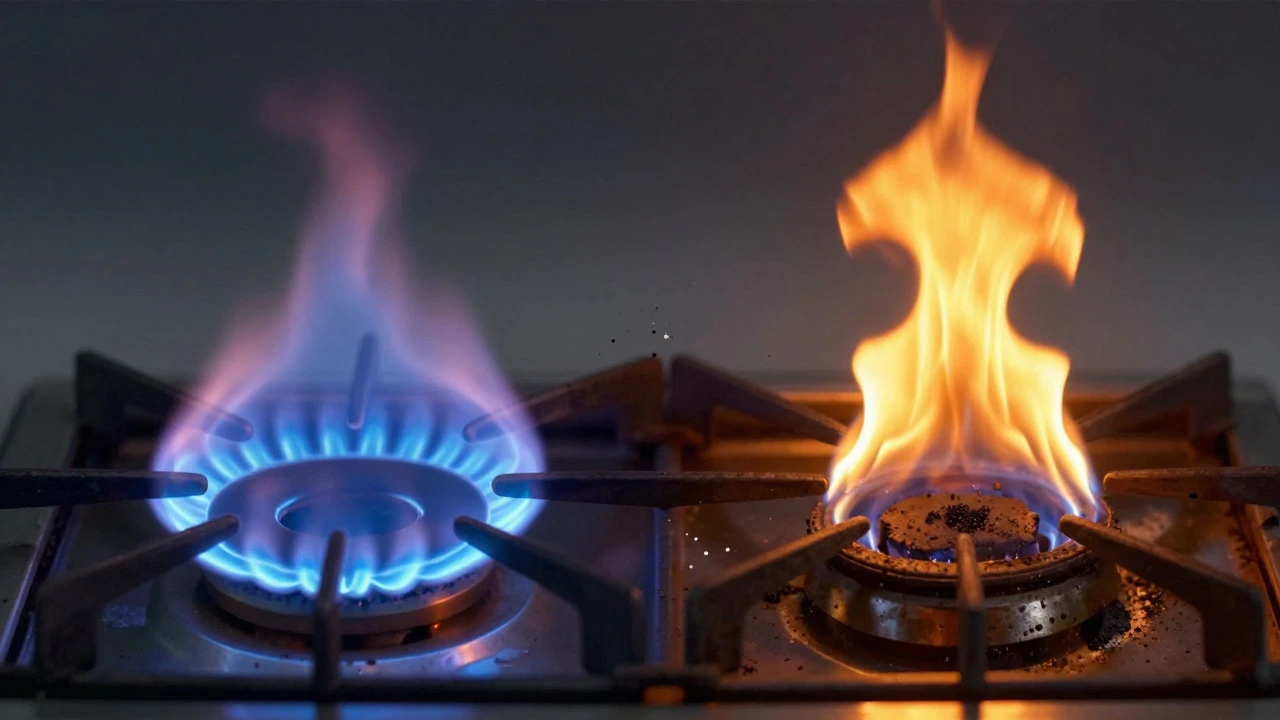
| Yellow/orange flame | Dirty burner cap | High (easy clean) | £0 (DIY) |
| Knob stuck/broken | Worn plastic shaft | Medium | £30 - £50 |
| Gas leak smell | Hose or connection fault | None (Safety risk) | £80 - £120 |
Notice the pattern? Cosmetic and cleaning issues are free or cheap. Electrical and gas-line issues cost money. If the quote from an engineer exceeds 50% of the price of a new mid-range hob, it is usually smarter to replace the unit. New hobs come with warranties and improved efficiency, whereas older models may struggle with modern energy standards.
What You Can Fix Yourself (Safely)
Many people think any gas work requires a professional. While that is true for pipes and valves, the top surface of the hob is fair game for DIY maintenance. In fact, neglecting this area causes most minor faults.
- Clean the Burner Caps: Remove the caps and soak them in hot soapy water. Food debris blocks the gas flow, causing yellow flames or weak fires. Use a pin to clear the tiny holes in the jet.
- Check the Igniters: Those small ceramic pieces next to the burners get covered in grease. Wipe them down with a dry cloth. If they are cracked, they need replacing, but cleaning often restores function.
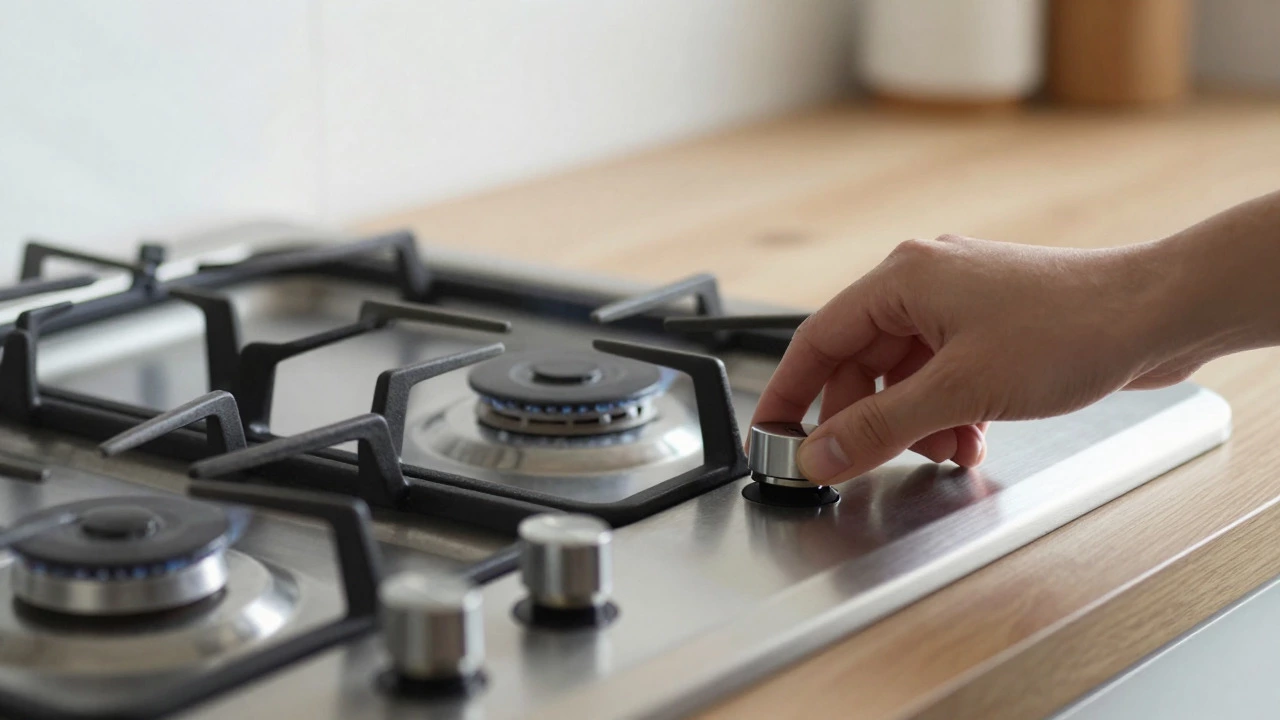
- Tighten Knobs: If a knob wobbles, remove it and check the metal shaft underneath. Clean off any rust or grime. Reattach firmly. Loose knobs can cause uneven gas flow.
These steps take less than 15 minutes and solve about half of all reported "breakdowns." If the problem persists after cleaning, then you are dealing with an internal component.
When to Call a Certified Engineer
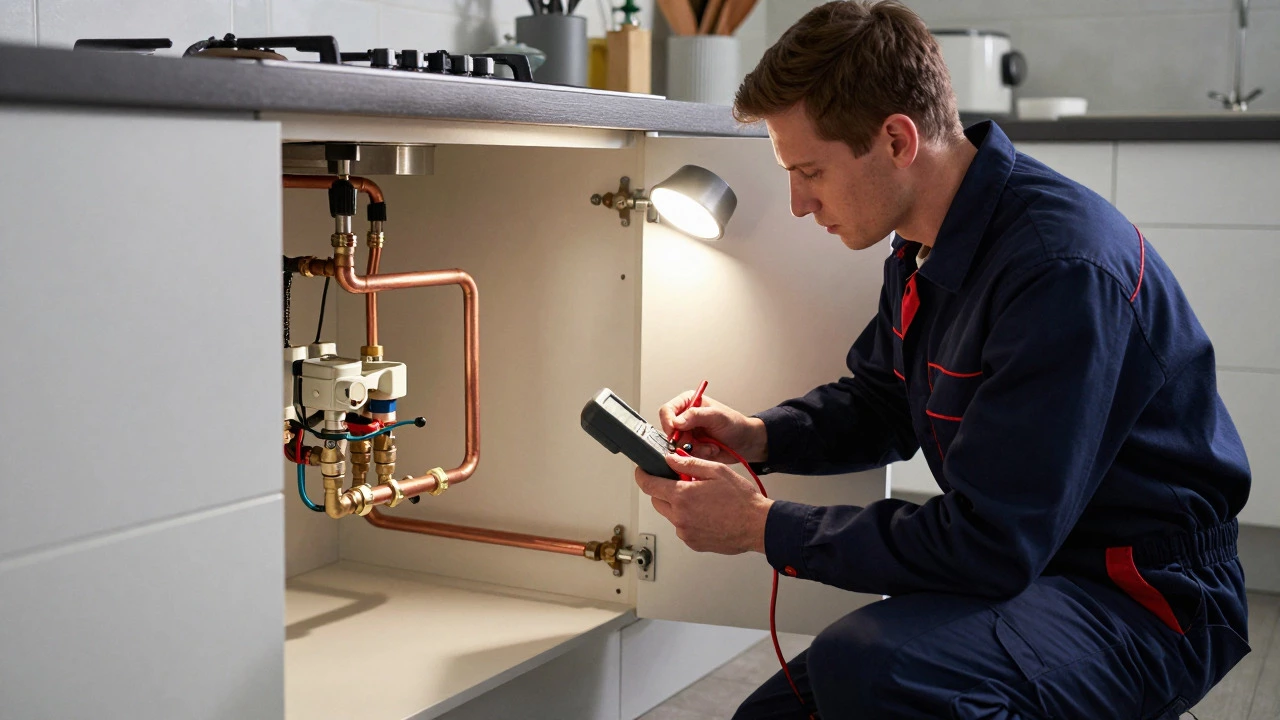
Some parts are dangerous to touch without training. Specifically, anything involving the gas train, the main valve, or the piezo generator mechanism inside the base of the unit. If you see these signs, stop and call a pro:
- The smell of gas: Even a faint odor means a leak. Turn off the main supply outside your home, open windows, and wait for help.
- Clicking but no flame: If the spark happens but no gas comes out, the solenoid valve might be stuck. This requires testing with a multimeter and specialized tools.
- Flame goes out immediately: This suggests a faulty thermocouple or flame sensor. It cuts the gas supply to prevent leaks. Replacing this part ensures safety compliance.
In the UK, gas work must be done by a Gas Safe registered engineer. Using an unqualified person voids your insurance and risks carbon monoxide poisoning. When calling, ask specifically if they carry common parts like igniters and valves. Engineers who carry stock can fix the issue in one visit, saving you a second call-out fee.
Repair vs. Replace: The Economic Decision
This is where logic beats sentiment. Ask yourself three questions:
- How old is the hob? If it is under 5 years old, repair it. If it is over 10, lean toward replacement.
- What is the brand? Premium brands like Rangemaster or Smeg have better parts availability. Cheap generic brands often become obsolete quickly, making parts hard to find.
- What is the damage? A cracked glass top is expensive to replace. Often, the cost of a new glass panel approaches the price of a new hob. In that case, buy new.
A typical mid-range gas hob costs between £150 and £250. If the repair quote is over £100, you are spending nearly half the value of a new unit. Plus, a new hob uses less gas and has better safety features like child locks and automatic shut-off. Unless you have a specific design requirement for your old model, replacement is often the smarter financial move for major faults.
Maintenance Tips to Prevent Future Breaks
Prevention is cheaper than cure. Here is how to keep your gas hob running smoothly for years:
- Clean weekly: Don’t let food build up. Grease is the enemy of ignition systems.
- Check hoses annually: Look for cracks or stiffness on the rubber hose connecting the hob to the wall. Replace every 5 years as a precaution.
- Test the flame color: A healthy gas flame is blue. If it turns orange or yellow, clean the burner immediately. Orange flames mean incomplete combustion, which produces soot and reduces efficiency.
- Keep the area ventilated: Ensure your extractor fan is working. Poor ventilation leads to moisture buildup, which corrodes metal parts over time.
Taking these simple steps extends the life of your appliance significantly. It also makes future repairs easier because technicians can access parts without digging through layers of grime.
Frequently Asked Questions
Is it safe to repair a gas hob myself?
Only for surface-level issues like cleaning burners or tightening knobs. Any work involving gas lines, valves, or internal wiring should be done by a Gas Safe registered engineer to ensure safety and compliance.
Why does my gas flame turn orange instead of blue?
An orange flame indicates incomplete combustion, usually caused by a dirty burner cap or a clogged jet. Clean the burner thoroughly. If the problem persists, the air intake mix might need adjustment by a professional.
How much does it cost to repair a gas hob in the UK?
Most minor repairs cost between £40 and £90 including parts. Major issues like valve replacements or gas line fixes can range from £100 to £150. Always get a quote before authorizing the work.
Should I replace my gas hob if it is 10 years old?
If the repair cost exceeds £100, consider replacing it. Older models are less efficient and may lack modern safety features. A new mid-range hob typically costs £150 to £250, offering better performance and warranty coverage.
What should I do if I smell gas near the hob?
Turn off the main gas supply valve outside your home. Open windows to ventilate the area. Avoid using electrical switches or matches. Wait for the smell to fade, then call a Gas Safe engineer to inspect the connections.