

Why Your Hot Water Heater Reset Button Trips: Causes & Fixes
 Jun, 15 2026
Water Heater Troubleshooter
Select the symptoms you are experiencing below to get a diagnosis.
Select symptoms to see diagnosis
Diagnosis
SeverityDescription goes here.
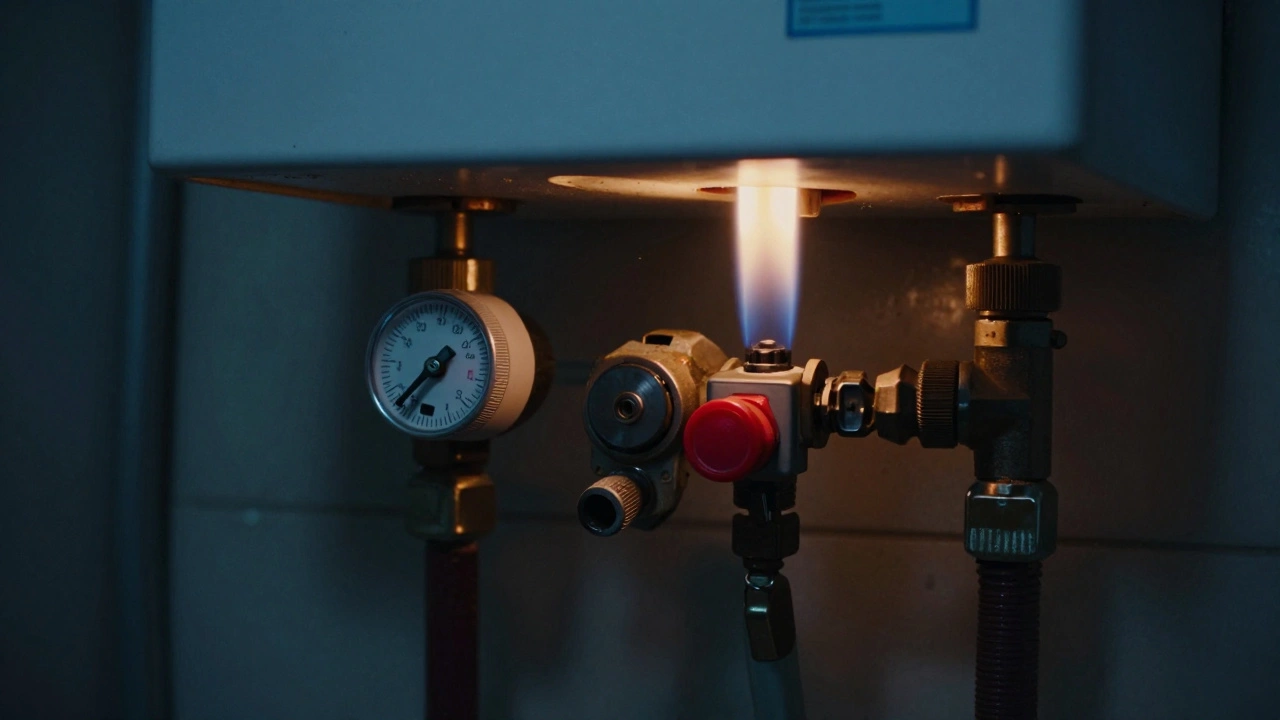
There is nothing worse than stepping into a shower and getting blasted with ice-cold water. You rush to the basement or utility room, find your water heater, and notice that the little red or yellow button on the front has popped out. This is the reset button for the high-limit safety switch.
You press it back in. The pilot light flickers back to life. The burner roars. For a few minutes, everything seems fine. Then, *click*. It trips again. Now you are stuck without hot water, staring at a confusing piece of machinery, wondering if you just bought a lemon or if something dangerous is about to happen.
The reset button isn't a random glitch; it is a deliberate safety mechanism designed to stop your tank from exploding. When it trips repeatedly, it is screaming that something is wrong with the heat regulation system. Ignoring it doesn't fix the problem-it just delays the inevitable breakdown or, worse, creates a fire hazard.
How the Safety System Actually Works
To understand why the button trips, you need to know what it is guarding. Inside your gas water heater, there is a component called the high-limit thermostat. Think of this as the bouncer at an exclusive club. Its only job is to watch the temperature of the water inside the tank. If the water gets too hot-usually above 150°F (65°C)-the thermostat cuts power to the gas valve immediately. That physical click you hear? That is the bouncer kicking everyone out.
This system works alongside two other critical components:
- The Main Thermostat: This controls when the burner turns on and off to keep water at your desired setting (like 120°F).
- The Gas Control Valve: This is the brain that receives signals from the thermostats and opens or closes the gas flow.
When the main thermostat fails, it might tell the gas valve to keep heating even though the water is already boiling. The high-limit thermostat sees this danger, trips the reset button, and shuts down the gas supply. So, when we talk about "tripping," we are talking about a successful safety intervention. The question is: why did the water get so hot in the first place?
The #1 Culprit: A Broken Thermocouple
If your water heater uses a standing pilot light (a small flame that burns 24/7), the most common reason for repeated tripping is a faulty thermocouple. This is a small copper rod located near the pilot assembly. Its job is simple: detect the heat of the pilot flame and send a tiny electrical signal to the gas control valve to keep it open.
Over time, thermocouples degrade. They can become coated in soot, bend out of position, or simply wear out electrically. Here is the tricky part: a weak thermocouple doesn't always shut off the gas completely. Sometimes, it sends an inconsistent signal. The gas valve might stutter, allowing too much gas to flow, or it might fail to sense the pilot correctly, causing the safety system to panic and trip the high-limit switch as a precautionary measure.
If your pilot light goes out shortly after you light it, or if you have to hold the button down for longer than usual to keep the flame lit, your thermocouple is likely dead. Replacing this part costs less than $30 and takes about 15 minutes. It is the easiest fix and the most frequent cause of these headaches.
Dirty Burners and Restricted Airflow
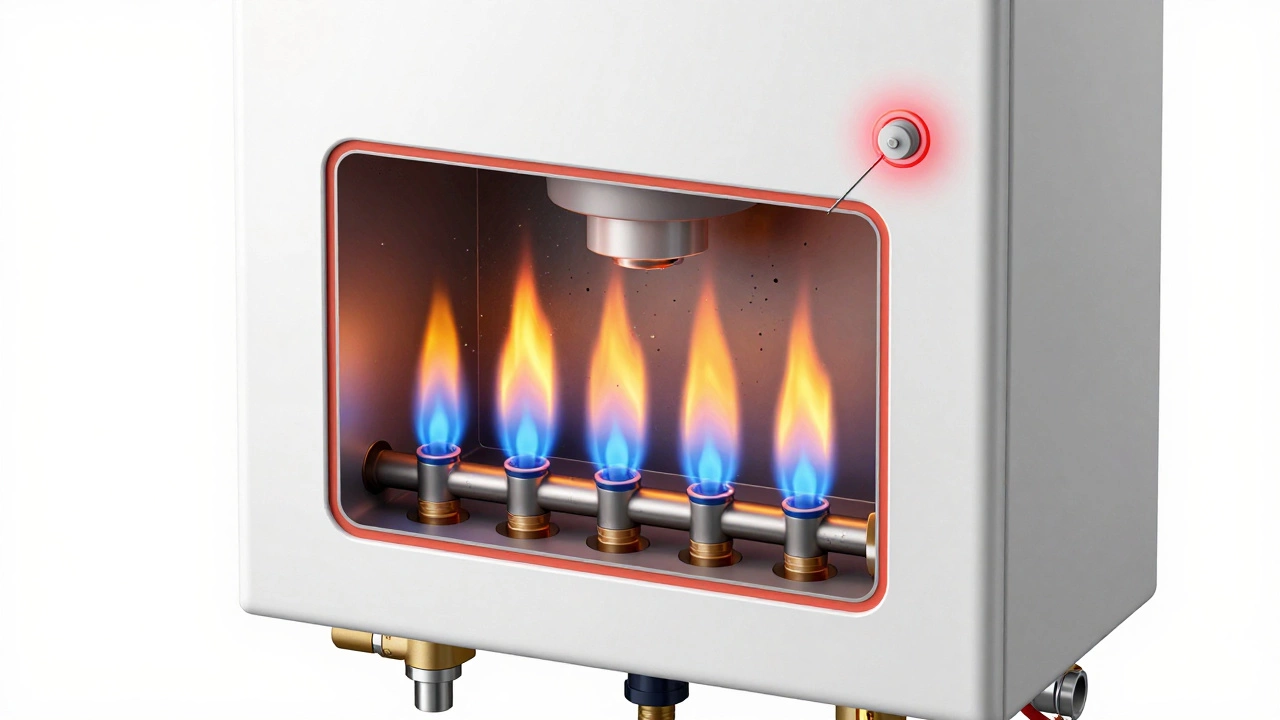
Imagine trying to breathe through a straw clogged with dust. Your water heater’s burners face the same problem. Over years of operation, dust, lint, and debris settle on the burner tubes. When the gas ignites, it doesn't burn evenly. Instead of a clean blue flame, you get a lazy, yellow, or orange flame that licks up the sides of the tank.
This inefficient burning creates two problems. First, it produces excess soot, which coats the internal sensors and makes them read temperatures incorrectly. Second, and more dangerously, incomplete combustion can cause localized overheating. The high-limit thermostat detects this abnormal heat spike and trips to prevent damage to the tank lining or a potential carbon monoxide leak.
You can check this yourself by turning off the gas, removing the burner access panel, and looking at the flames. They should be steady and blue. If they look like candles flickering in a draft, or if they are yellow, you need to clean the burners. Use a vacuum with a brush attachment to clear out the dust from the burner ports. Never use a wire brush, as you can damage the delicate metal.
Thermostat Failure: The Silent Killer
Sometimes, the problem isn't the sensor detecting the heat, but the brain controlling it. The main thermostat is a mechanical device with contacts that open and close. Like any switch, these contacts can weld themselves together due to arcing or age. When this happens, the thermostat tells the gas valve to stay on, regardless of how hot the water gets.
The high-limit thermostat will trip repeatedly because it is constantly fighting a losing battle against a stuck-on main thermostat. This is a serious issue because it means your water heater is essentially unregulated. Even if you manage to reset the button, the water could reach scalding temperatures within minutes.
Replacing a thermostat requires draining the tank partially and accessing the internal dip tube area. It is a moderately difficult DIY job. If you are not comfortable working with gas lines and electrical connections, this is where you call a professional. However, if you do attempt it, ensure you buy a replacement rated for the exact BTU output of your unit. Mismatched parts can lead to further instability.
Gas Pressure Issues and Venting Problems
Your water heater needs a steady supply of air to burn gas efficiently. If your home has poor ventilation, or if the flue pipe (the exhaust pipe going outside) is blocked by bird nests, snow, or corrosion, the heater cannot expel exhaust gases properly. This causes heat to build up inside the combustion chamber rather than transferring to the water.
Additionally, incorrect gas pressure can cause the burner to run too hot. If your local gas company recently adjusted pressures, or if your regulator is failing, the heater might receive more fuel than it can safely burn. This excess energy raises the tank temperature rapidly, triggering the high-limit switch.
Check your venting visually. Look for cracks in the PVC or metal pipes. Ensure the exterior cap is free of debris. If you smell rotten eggs (mercaptan) or see soot around the flue collar, turn off the gas immediately and call a technician. These are signs of dangerous combustion issues that a simple reset won't fix.
| Cause | Symptoms | Difficulty Level | Estimated Cost |
|---|---|---|---|
| Failed Thermocouple | Pilot won't stay lit, intermittent hot water | Easy | $20 - $50 |
| Dirty Burners | Yellow flames, soot buildup, slow heating | Medium | $0 (DIY cleaning) |
| Stuck Main Thermostat | Rapid tripping, scalding water before trip | Hard | $100 - $200 (Parts + Labor) |
| Venting Blockage | Carbon monoxide alarm triggers, soot stains | Professional Only | $150 - $300 |
When to Stop Resetting and Call a Pro
There is a fine line between saving money on a repair bill and risking your home's safety. You should stop pressing that reset button and call a licensed plumber or HVAC technician if:
- The button trips immediately upon restart. This indicates a hard fault, likely a shorted thermostat or severe gas pressure issue.
- You smell gas. Even a faint odor of mercaptan means there is a leak. Do not touch any switches. Evacuate and call your gas provider.
- There is visible rust or leakage at the base. If the tank is corroding, the structural integrity is compromised. Heating a weakened tank can cause catastrophic failure.
- The unit is over 10-12 years old. At this age, multiple components are likely failing simultaneously. Investing in repairs might not be cost-effective compared to replacing the unit.
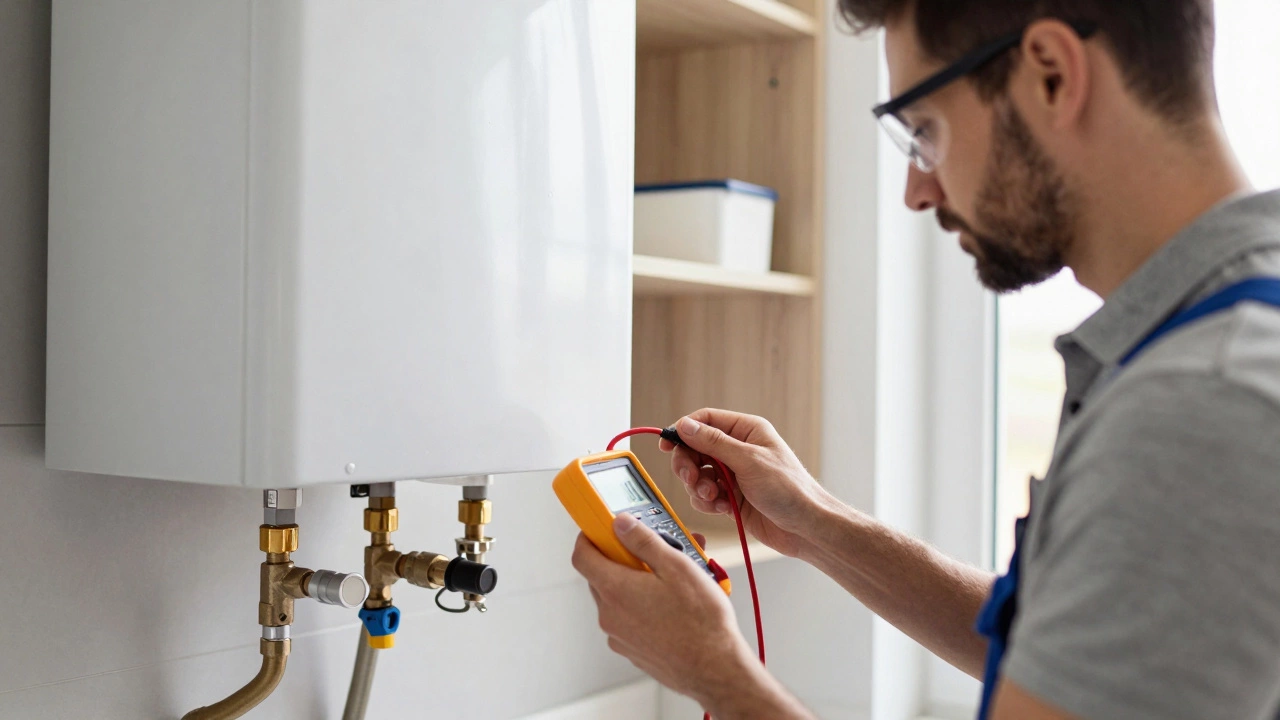
In Toronto, where winters are harsh and demand on water heaters is high, neglecting these signs can lead to frozen pipes or complete system failures during peak usage times. Professional technicians have manometers to test gas pressure and multimeters to diagnose electrical faults in the control board. They can also check for carbon monoxide leaks, which are invisible and deadly.
Maintenance Tips to Prevent Future Trips
Prevention is always cheaper than cure. To keep your reset button from becoming a recurring nightmare, follow this simple maintenance schedule:
- Flush the tank annually. Sediment buildup acts as an insulator, forcing the bottom of the tank to work harder and overheat. Draining a few gallons until the water runs clear removes this layer.
- Inspect the pilot assembly yearly. Clean the thermocouple and pilot orifice with compressed air. Ensure the flame is touching the tip of the thermocouple.
- Check the Temperature-Pressure Relief Valve. Lift the lever on the TPR valve once a year to ensure it isn't stuck. A stuck valve can cause pressure buildup, leading to safety trips.
- Keep the area clear. Ensure at least three feet of clearance around the water heater for proper airflow and service access.
By treating your water heater as a complex appliance rather than a black box, you can catch small issues before they trigger the big red reset button. Remember, that button is your friend. It is trying to save you from disaster. Listen to what it is telling you.
Is it safe to keep resetting the water heater button?
No, it is not safe to repeatedly reset the button without diagnosing the cause. The button trips because the water temperature exceeded safe limits. Continuously resetting it ignores the underlying fault, which could be a failed thermostat or gas pressure issue, potentially leading to scalding water, tank rupture, or fire hazards.
How much does it cost to fix a tripped reset switch?
The cost varies widely depending on the cause. Cleaning dirty burners is free if done yourself. Replacing a thermocouple costs between $20 and $50 for parts. If the main thermostat or gas control valve needs replacement, expect to pay $150 to $300 for parts and labor. Always get a diagnostic quote first.
Why does my pilot light go out every time I let go of the button?
This is almost always a sign of a bad thermocouple or a misaligned pilot flame. The thermocouple generates the electricity needed to keep the gas valve open. If it is dirty, bent, or worn out, it cannot generate enough current, causing the valve to snap shut when you release the button.
Can sediment buildup cause the reset button to trip?
Yes. Sediment settles at the bottom of the tank, creating a barrier between the burner and the water. This forces the metal at the bottom to overheat to transfer heat through the sludge. This excessive heat can trigger the high-limit thermostat, causing the reset button to pop out.
What is the difference between the reset button and the TPR valve?
The reset button is part of the electrical/gas control system that stops the burner if the water gets too hot. The Temperature-Pressure Relief (TPR) valve is a mechanical plug that releases water and steam if the pressure inside the tank becomes too high. Both are safety devices, but they address different risks: temperature vs. pressure.