

Why Won't My Hot Water Heater Kick On? Troubleshooting Guide
 Sep, 10 2026
Water Heater Troubleshooting Assistant
Diagnostic Summary
You turn on the shower, brace for warmth, and get blasted by a stream of ice-cold misery. It’s one of those moments that ruins your morning faster than a missed alarm clock. You check the other taps-same story. Your hot water heater isn’t just slow; it’s completely refusing to kick on. Before you panic about the cost of a replacement or wait three days for an emergency plumber, take a breath. In my years fixing units across Toronto, I’ve found that about 70% of "dead" water heaters are actually fine-they’re just disconnected from their power source or safety switches. This guide will walk you through exactly how to diagnose why your unit won’t start, saving you both time and money.
Check the Power Source First
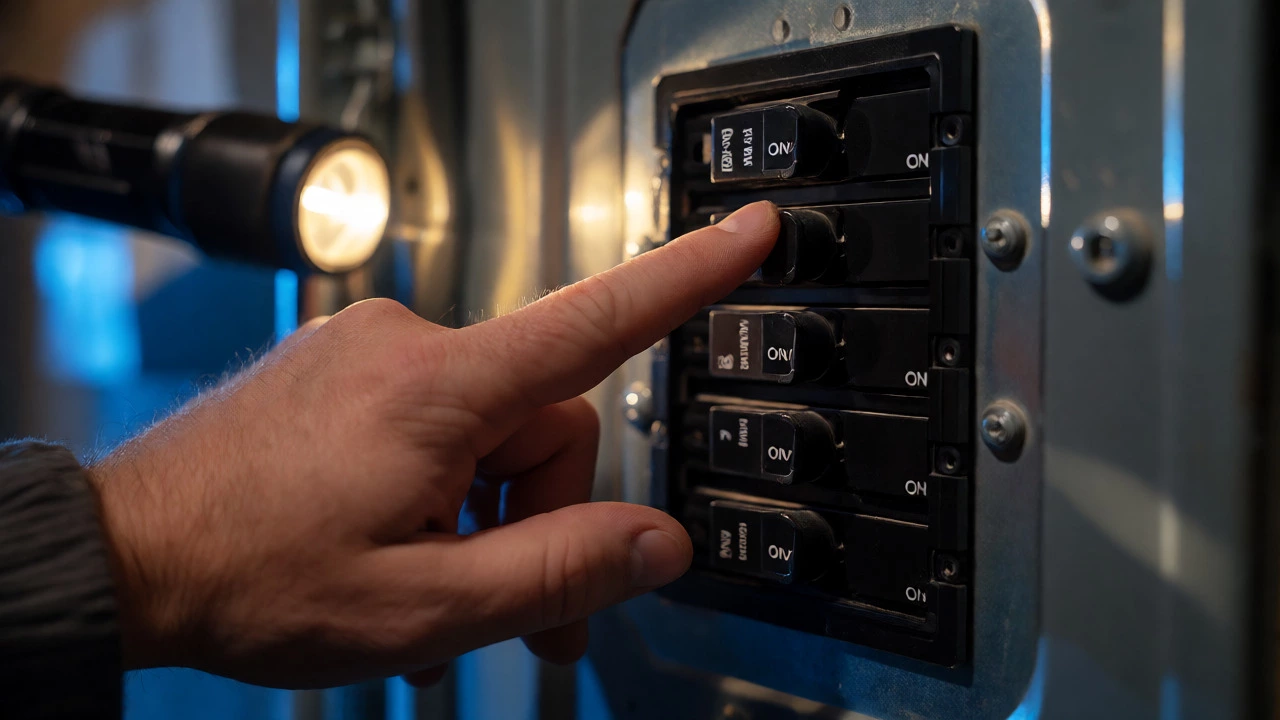
It sounds too simple to be true, but the most common reason a electric water heater fails to ignite is that it has lost power. These units draw a massive amount of electricity, often requiring a dedicated 240-volt circuit. If you recently ran a heavy appliance like a dryer or vacuum on the same circuit, you might have tripped the breaker.
Go to your main electrical panel. Look for the switch labeled "Water Heater." Even if it doesn’t look flipped off, breakers can trip internally without moving visibly. Flip it fully off, then back on firmly. If it trips again immediately, you have a short circuit or a failed heating element, and you’ll need a pro. But if it stays on, give the tank about an hour to recover heat. If you still have cold water, we move to the next suspect: the high-limit switch.
The High-Limit Switch Safety Trip
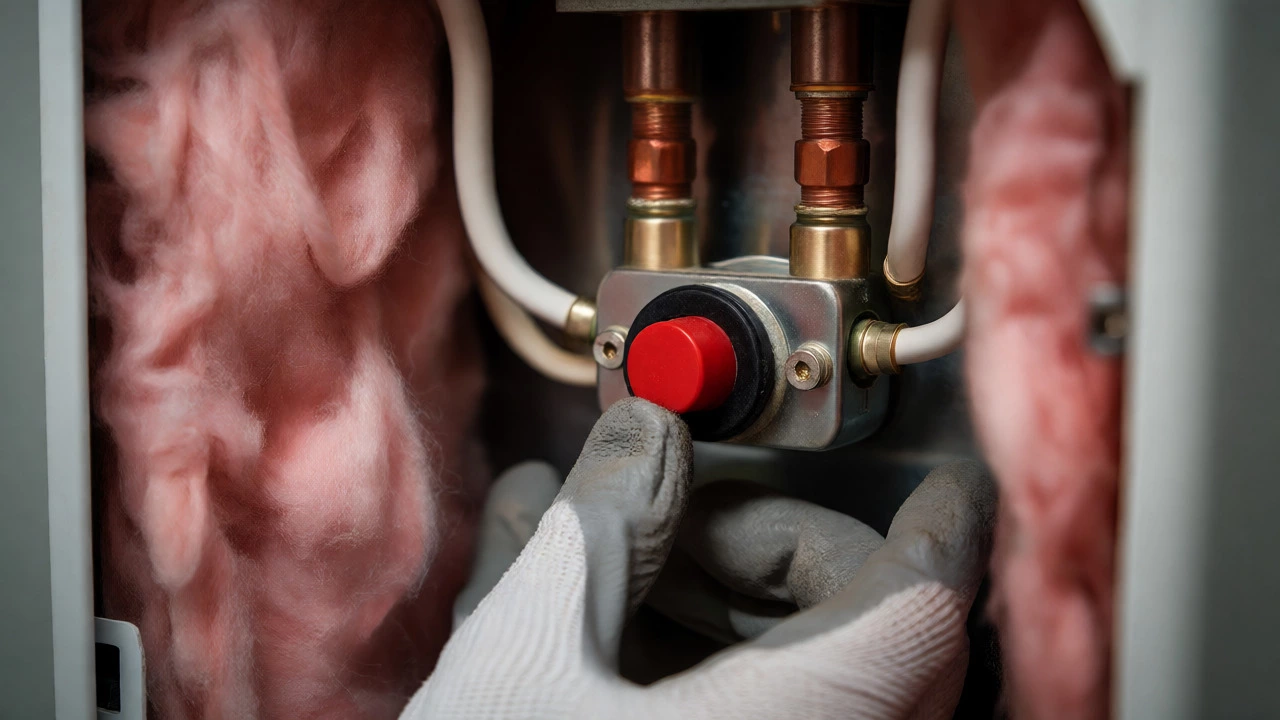
Every electric water heater has a built-in safety mechanism called a high-limit switch, also known as an ECO (Emergency Cut-Off) button. Its job is to shut down power if the water inside gets dangerously hot, usually above 180°F (82°C). This often happens if a thermostat malfunctions and overheats the tank.
To reset it, you’ll need to remove the access panels on the side of the tank. Underneath the insulation, you’ll see a small red or black button. Press it gently. If you hear a click, you’ve successfully reset the system. Note this down-if it keeps tripping, your upper thermostat is likely faulty and needs replacing. Don’t ignore repeated trips; they signal a deeper control issue.
Thermostat Settings and Failures
If power is flowing and the limit switch is reset, the problem often lies with the thermostats. Electric tanks typically have two thermostats: one for the upper element and one for the lower. They work in tandem to maintain temperature.
- Accidental Adjustment: Did someone recently clean around the tank and bump the dials? Ensure both thermostats are set to at least 120°F (49°C).
- Thermostat Failure: Thermostats wear out. If one fails open, the corresponding heating element never gets power. A multimeter test can confirm this, but visually, if the dial feels loose or gritty, it’s likely dead.
- Wiring Issues: Loose wires at the thermostat terminals can interrupt the flow of electricity. With the power off, check that all connections are tight.
In older units, sediment buildup can insulate the lower element, causing the upper thermostat to do all the work until it burns out. If you haven’t flushed your tank in over two years, this is a strong possibility.
Gas Heaters: Pilot Light and Thermocouple Woes
If you have a gas model, the diagnosis shifts slightly. The heart of a gas water heater is the pilot light. If it’s out, the main burner won’t kick on.
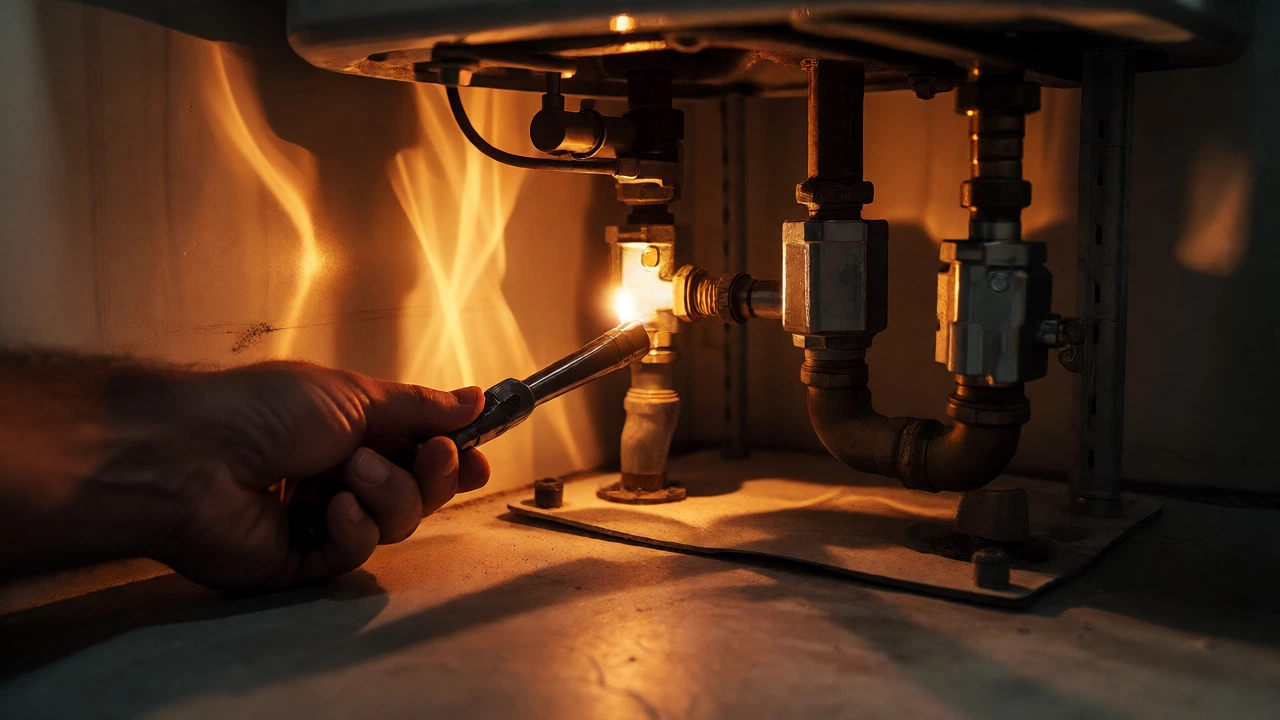
Try relighting it according to the instructions on the label. If it lights but goes out as soon as you release the knob, your thermocouple is faulty. This safety device senses the pilot flame and keeps the gas valve open. If it’s dirty or broken, the system thinks the pilot is out and shuts off the gas supply to prevent leaks. Cleaning the thermocouple with steel wool often fixes minor issues, but replacement is cheap and easy if cleaning fails.
What if the pilot won’t light at all? Check the gas supply valve. Ensure it’s fully open. Also, listen for the sound of gas. If you smell gas but see no flame, stop immediately, ventilate the area, and call a professional. Never attempt to force a gas ignition if you suspect a leak.
Sediment Buildup: The Silent Killer
In hard water areas like parts of Ontario, mineral deposits accumulate at the bottom of the tank. This layer of sand-like grit acts as an insulator between the heating elements and the water.
| Symptom | Likely Cause | Action Required |
|---|---|---|
| Hot water runs out quickly | Sediment blocking lower element | Flush the tank |
| Popping or rumbling noises | Water trapped under sediment boiling | Flush the tank |
| No heat at all, power confirmed | Element burned out due to dry fire | Replace element |
| Leaking from bottom | Tank corrosion from acidic water | Replace water heater |
When sediment covers the lower heating element, it can cause the element to overheat and burn out because it’s trying to heat rock instead of water. Flushing the tank annually prevents this. To flush it, attach a hose to the drain valve, run it outside, and open the valve until the water runs clear. If you haven’t done this in five years, expect a lot of rusty water.
When to Call a Professional
While DIY troubleshooting solves many issues, some problems require licensed expertise. If you’ve checked the breaker, reset the limit switch, verified the pilot light, and tested the thermostats, but still have no hot water, you might be dealing with a failed heating element or a cracked tank.
Replacing an electric heating element involves draining the tank and working with live voltage if not careful. Gas repairs involving the gas valve or igniter module should generally be left to certified technicians due to combustion safety risks. In Toronto, strict building codes apply to gas line modifications, so improper DIY repairs can lead to fines or insurance complications.
How long does it take for a water heater to reheat after a power outage?
For a standard 50-gallon electric tank, it typically takes 1 to 2 hours to bring the entire volume of water up to temperature. Gas heaters are faster, usually reheating within 30 to 60 minutes. Factors like incoming groundwater temperature and insulation quality affect these times significantly.
Can a bad dip tube cause no hot water?
Yes, though it usually causes lukewarm water rather than completely cold water. The dip tube directs cold water to the bottom of the tank. If it breaks, cold water mixes directly with the hot water at the top, resulting in inconsistent temperatures and shorter hot water duration.
Is it safe to reset the high-limit switch myself?
Yes, provided you follow safety protocols. Always turn off the power at the breaker before opening the access panels. Use insulated tools and avoid touching any internal wiring while the power is on. If the switch trips repeatedly after resetting, do not keep resetting it; this indicates a failing thermostat that needs replacement.
Why does my gas water heater make a popping noise when starting?
Popping noises are almost always caused by sediment buildup. When the burner fires, gas bubbles form under the layer of sediment and burst, creating loud pops. While annoying, it’s not immediately dangerous, but it reduces efficiency and can shorten the life of the tank. Flushing the tank resolves this issue.
How do I know if my heating element is burnt out?
You need a multimeter to test continuity. Turn off the power, disconnect the wires from the element, and touch the probes to the terminals. If the meter reads infinite resistance (or OL), the element is burnt out and must be replaced. Visual inspection may show a blistered or corroded surface, but testing is more accurate.