

Why Doesn't My Freezer Make Ice? 7 Common Causes and Fixes
 Jul, 2 2026
Ice Maker Troubleshooter
Follow these steps in order. Click "Yes" or "No" for each check to narrow down the issue.
1. Is the Ice Maker Switch On?
Check for a wire arm inside the freezer (push it down) or an electronic switch on the control panel.
Quick Tips
- ⏱️ Patience: It takes 12-24 hours for a new cycle to complete.
- 💧 Filtration: Replace filters every 6 months to prevent clogs.
- 🌡️ Temperature: Keep freezer at -18°C (-0.4°F) for best results.
- 🛠️ Safety: Unplug before inspecting internal components.
It’s a small thing until it isn’t. You reach for a glass of water, the ice dispenser clicks empty, and suddenly your entire kitchen routine feels off. A freezer that stops making ice is one of those silent failures-it doesn’t leak, it doesn’t smoke, but it definitely breaks the habit. Before you call a technician or buy a new unit, there are several simple things to check. Most often, the problem is mechanical blockage, temperature drift, or a tripped safety switch rather than a catastrophic failure.
Understanding how an ice maker is a device within a refrigerator or standalone freezer that automatically freezes water into cubes and dispenses them on demand works can save you time and money. The process relies on precise temperatures, clean water flow, and intact sensors. When one link in this chain fails, production stops. This guide walks you through the most common reasons your ice maker has gone quiet, starting with the easiest fixes and moving toward components that might need professional attention.
Check the Basics: Power and Position
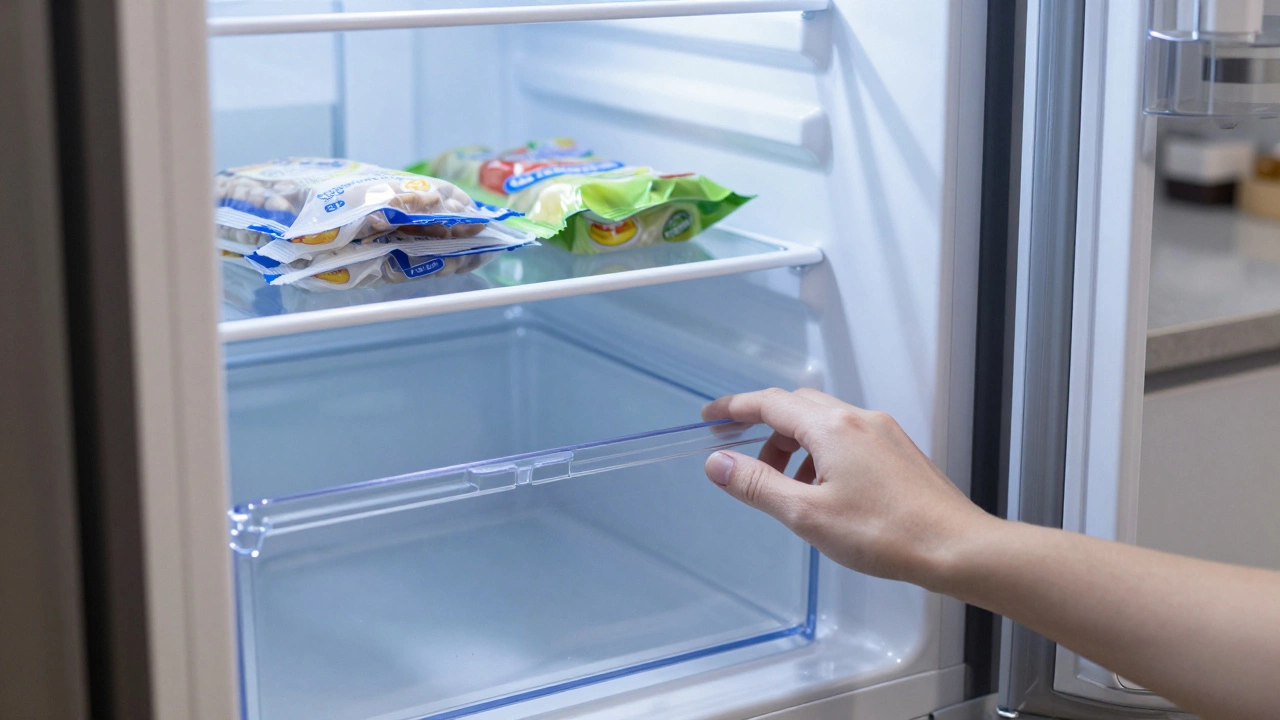
Before tearing apart panels or calling for service, look at the obvious. It sounds silly, but people forget to turn the machine back on after cleaning or moving the fridge. Many modern units have an on/off switch or a wire arm inside the freezer compartment. If that arm is lifted up (or pushed down, depending on the model), the ice maker thinks you’ve manually turned it off. Lower the arm or flip the switch to the "on" position and wait a few hours. If the cycle starts, you’re done.
Next, check the power supply. Is the freezer plugged in? Did a recent power surge trip the circuit breaker? Even if the lights in the freezer are on, the control board might have reset. Unplug the unit for ten seconds, then plug it back in. This hard reset can clear minor electronic glitches that prevent the ice maker from initiating a cycle.
Temperature Matters More Than You Think
An ice maker needs cold-really cold. Specifically, the freezer compartment must stay at or below -15°C (5°F). If the temperature hovers around -10°C (14°F) or higher, the ice won’t freeze solid enough to eject, or the sensor will tell the system to pause production to protect itself.
Why would the temperature rise? Often, it’s due to poor airflow. Are the vents inside the freezer blocked by food packages? Air needs to circulate freely around the evaporator coils. Rearrange items so nothing covers the back wall vents. Also, check the door seals. Pull a dollar bill between the rubber gasket and the door frame; if it slides out easily, the seal is worn. Warm air leaking in forces the compressor to work harder, raising the internal temperature and stalling ice production.
| Issue | Symptom | Fix |
|---|---|---|
| Blocked Vents | Freezer warm, ice soft | Rearrange food, clear vent paths |
| Worn Door Seal | Frost buildup, high temps | Clean seal or replace gasket |
| Thermostat Failure | Inconsistent cooling | Test thermostat, replace if faulty |
Water Supply Problems
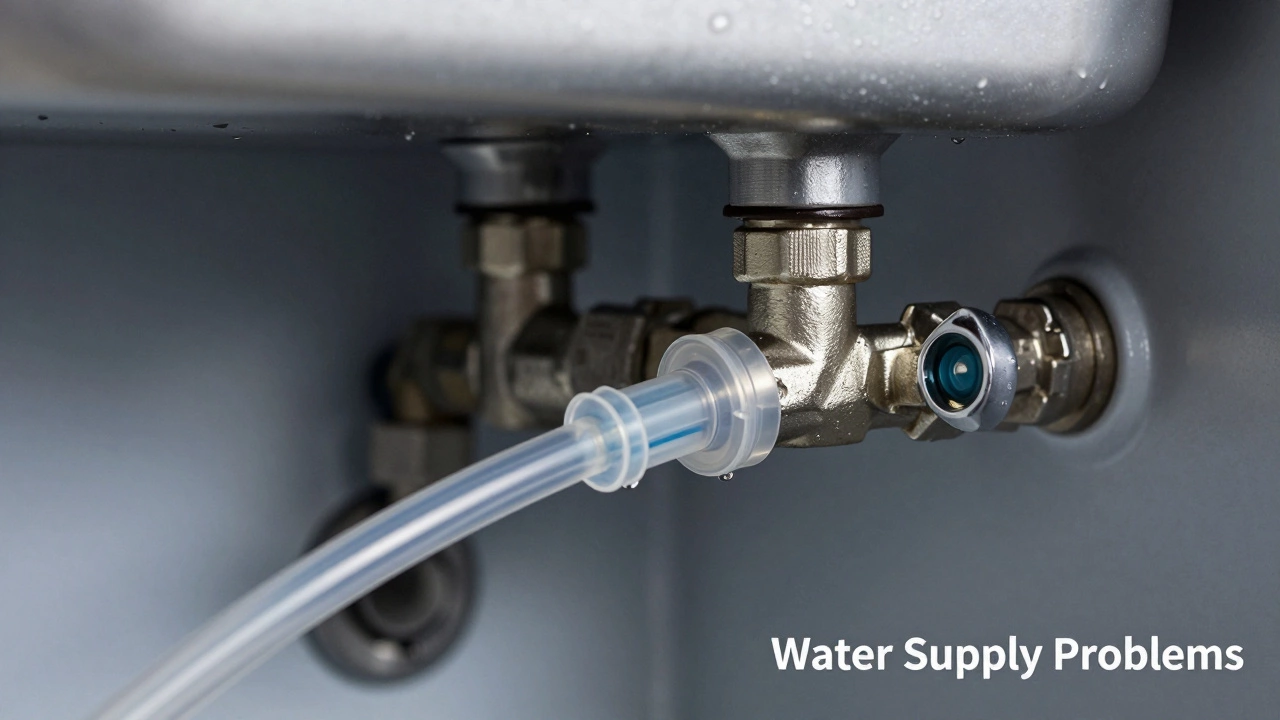
If the freezer is cold but no ice appears, the issue might be upstream. Ice makers need a steady stream of water. Check the water line behind the refrigerator. Is it kinked? A bent hose restricts flow, leading to small, misshapen ice or none at all. Straighten any bends and ensure the line isn’t pinched against the wall or cabinet.
Next, verify the shut-off valve. Locate the valve where the water line connects to your home’s plumbing. Turn it fully open. Sometimes, valves get partially closed during maintenance or by accident. If you have a filtered water system, check the filter. Clogged filters reduce pressure significantly. Replace filters every six months, or sooner if you notice slow filling.
Air trapped in the line can also stop flow. After installing a new filter or reconnecting a line, purge the system by dispensing water (if available) or running a few cycles without ice production. This clears air pockets that block water entry.
The Water Inlet Valve
If water reaches the fridge but not the ice maker, the culprit is often the water inlet valve is an electromechanical component that controls water flow into the refrigerator's ice maker and dispenser. This valve sits at the back of the fridge and opens when the ice maker signals it’s ready to fill. Over time, mineral deposits clog the tiny screens inside the valve, or the solenoid coil burns out.
To test this, listen for a faint click when the ice maker attempts to start a cycle. If you hear the click but no water flows, the valve is likely clogged. If there’s no click, the valve might be dead electrically. Replacing the inlet valve is a moderate DIY task. You’ll need to disconnect the water line, unscrew the old valve, and install a new one matching your model number. Always shut off the water supply first!
Ice Maker Module and Sensors
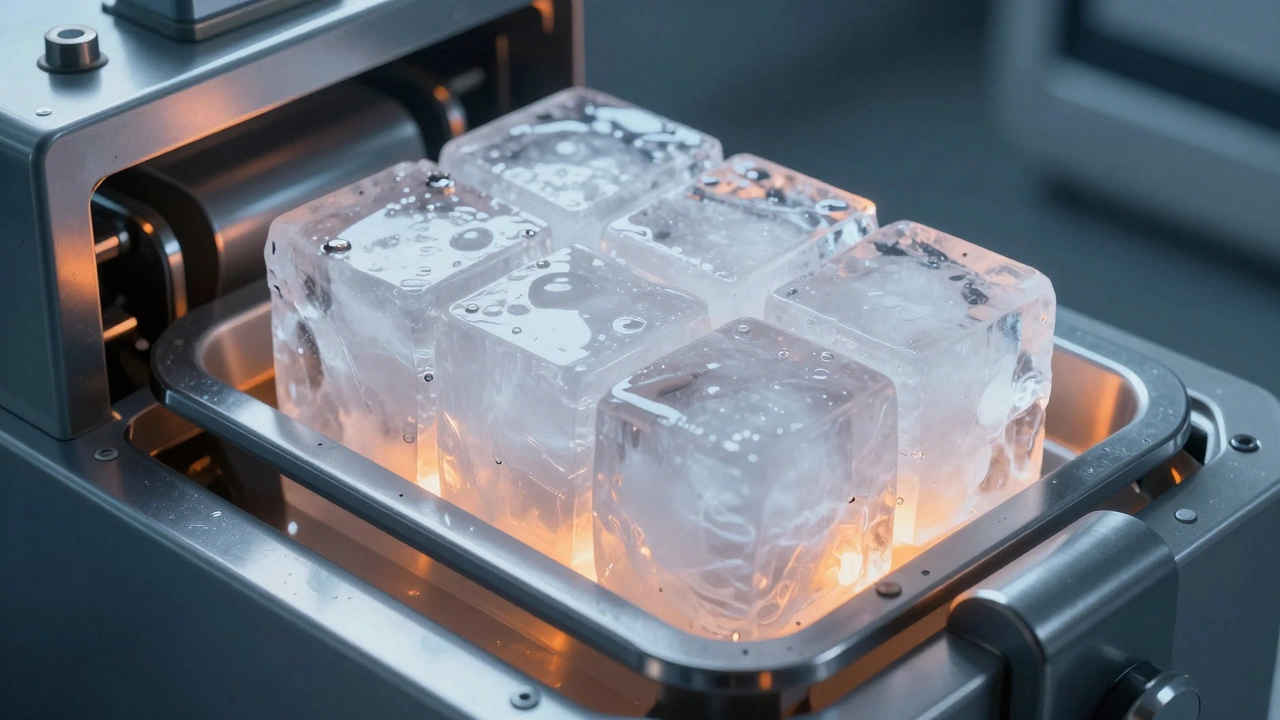
Modern ice makers use thermal switches and heaters to release ice. The heater warms the mold slightly so cubes pop out, then the motor turns the auger to drop them into the bin. If the heater fails, ice sticks to the walls. You might see a solid block of ice instead of individual cubes. This is a common failure point in older units.
Another component is the thermistor, a sensor that monitors temperature. If it reads incorrectly, the ice maker might think it’s too warm to produce ice, even when the freezer is freezing. Testing these parts requires a multimeter. Check resistance values against the manufacturer’s specifications. If the readings are off, replace the sensor or the entire ice maker module. For many brands, replacing the whole module is easier than diagnosing individual wires.
When to Call a Professional
Some issues go beyond DIY scope. If you suspect refrigerant leaks, compressor failure, or complex control board errors, bring in a pro. Signs include hissing noises, frost covering the entire back wall unevenly, or error codes flashing on the display. Technicians have tools to detect gas leaks and calibrate sensors accurately.
In Toronto, where winters are harsh and appliances run year-round, regular maintenance prevents big breakdowns. Consider scheduling an annual check-up for your freezer is an appliance designed to keep food frozen at temperatures below -18°C to preserve freshness and safety. Cleaning coils, checking seals, and descaling water lines extend the life of your unit and keep ice flowing smoothly.
How long does it take for a freezer to make ice after being turned on?
Typically, it takes 12 to 24 hours for an ice maker to produce its first batch of ice after installation or resetting. The initial cycle involves filling, freezing, and ejecting, which requires stable low temperatures. Don’t panic if nothing happens overnight; give it a full day.
Can I use tap water in my ice maker?
Yes, most ice makers are designed for municipal tap water. However, if your water is hard (high mineral content), consider installing a filtration system. Minerals cause scaling inside the inlet valve and mold, leading to slower production and cloudy ice. Soft water extends the lifespan of components.
Why is my ice stuck together in a block?
A solid block of ice usually means the ejection heater failed. Without heat, cubes don’t loosen from the mold walls. Alternatively, the freezer temperature might be too low, causing excess frost to glue cubes together. Check the heater continuity with a multimeter or adjust the thermostat slightly warmer.
Is it safe to clean the ice maker with bleach?
No, avoid harsh chemicals like bleach. Use a mixture of warm water and mild dish soap, or white vinegar diluted with water. Rinse thoroughly afterward. Harsh cleaners can damage plastic components and leave residues that affect taste and safety.
What causes ice to taste bad or smell funny?
Bad-tasting ice often comes from old water sitting in the line, dirty filters, or odors absorbed from stored food. Replace the water filter regularly, discard old ice batches, and ensure strong-smelling foods are sealed tightly. If the problem persists, flush the water system completely.