

Why Do I Have to Keep Resetting My Water Heater? (Fix It Now)
 Jun, 14 2026
Water Heater Reset Diagnostic Tool
Select the option that best matches your situation to get a diagnosis.
1. What type of water heater do you have?
Diagnosis Result
Description goes here.
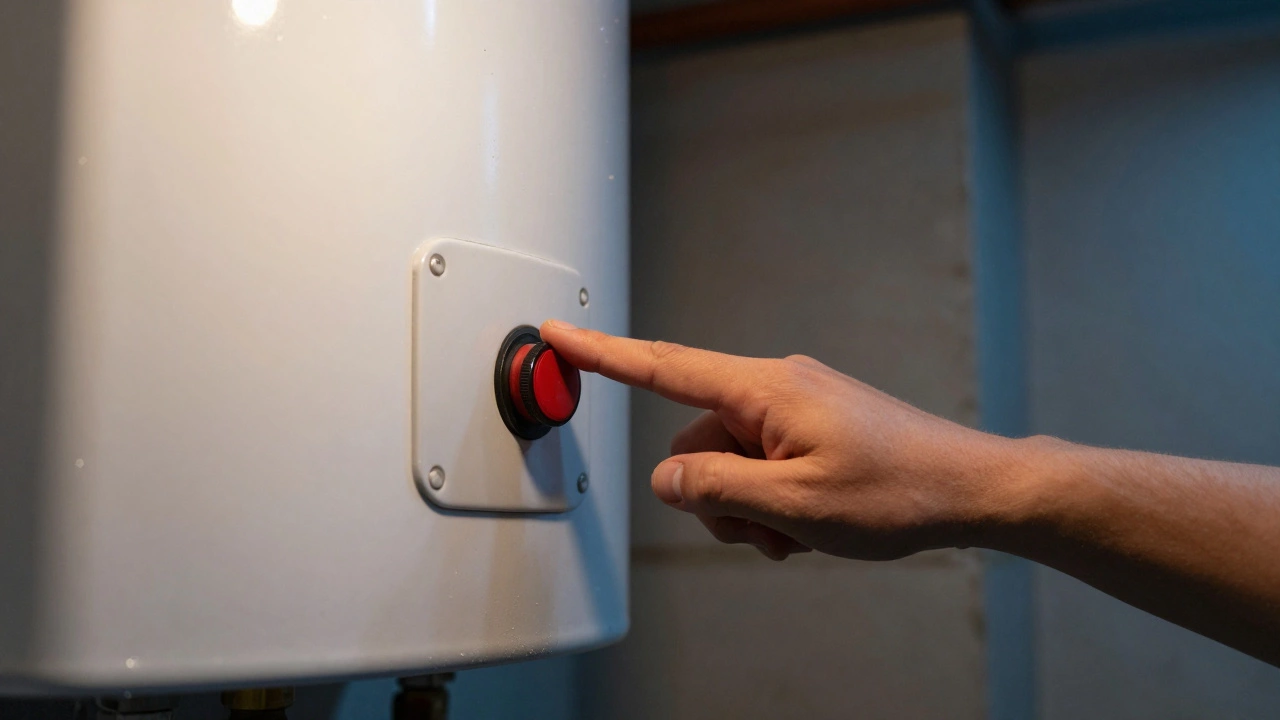
There is nothing worse than stepping into a shower, expecting warmth, and getting hit with ice-cold water. You grab the towel, walk to the utility closet or basement, press the red button on your water heater is a household appliance that heats and stores water for domestic use, wait ten minutes, and hope it works. If this sounds like your weekly routine, you aren't just dealing with bad luck. Your unit is telling you something is broken.
Resetting a water heater isn't a maintenance task; it's a temporary band-aid. When you have to keep resetting the thermostat or relighting the pilot light, the system is fighting a losing battle against a specific failure point. Ignoring this pattern doesn't just waste your time-it can lead to no hot water at all, higher energy bills, or even safety hazards like carbon monoxide leaks.
The Thermocouple: The Silent Guardian Failing You
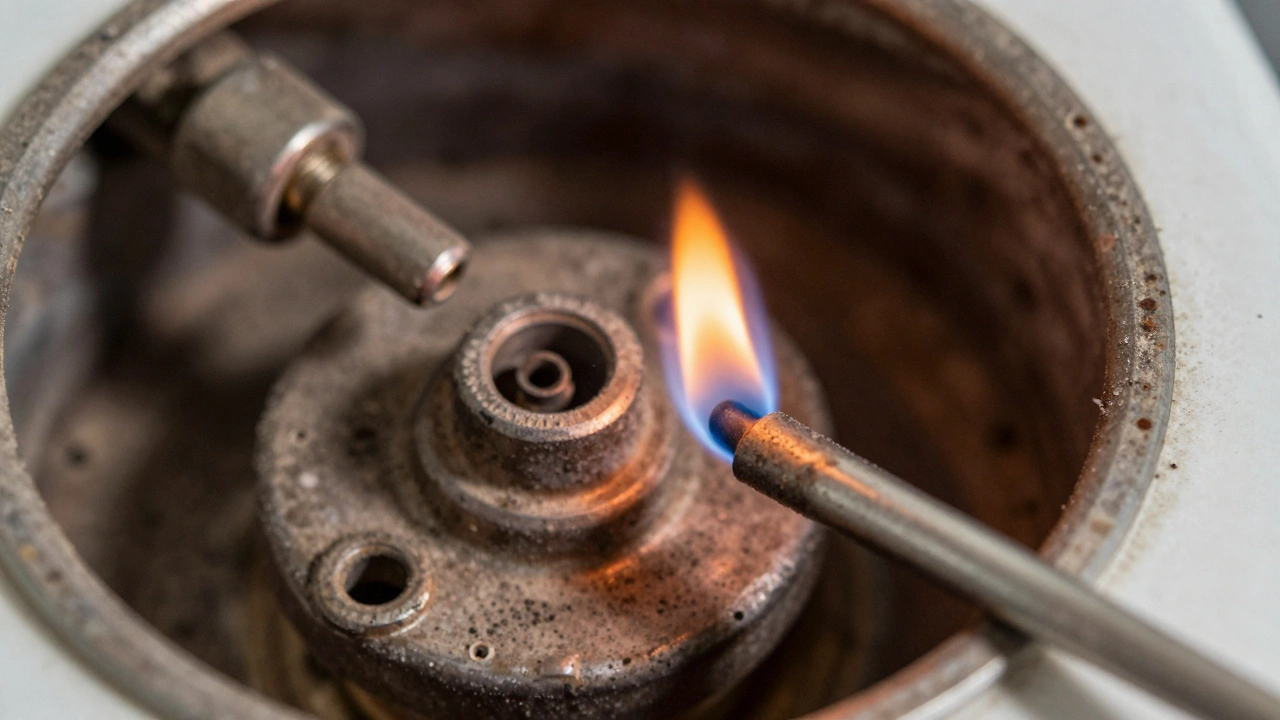
If you have a gas water heater, the most common reason for constant resets is a failing thermocouple is a safety device that generates a small electrical current when heated by the pilot light to keep the gas valve open. Think of the thermocouple as the brain's check on the heart. Its job is simple: if the pilot light goes out, the thermocouple cools down, stops sending current, and shuts off the gas supply. This prevents gas from leaking into your home.
However, thermocouples degrade over time. Heat, vibration, and age cause them to become brittle or develop internal resistance. When this happens, they stop generating enough voltage to hold the gas valve open. You light the pilot, it stays lit for a minute while you watch it, but as soon as you let go of the control knob, the flame dies. Why? Because the thermocouple cooled too fast or failed to signal the valve properly. You end up repeating this cycle every few days or weeks.
This component is inexpensive-usually costing between $10 and $30-and easy to replace. But many homeowners mistake this for a "gas pressure" issue or a "bad valve," leading to unnecessary expensive repairs. Before calling a pro, check if the thermocouple looks blackened, bent, or corroded. If it does, replacement is likely your fix.
Sediment Buildup: The Insulation Trap
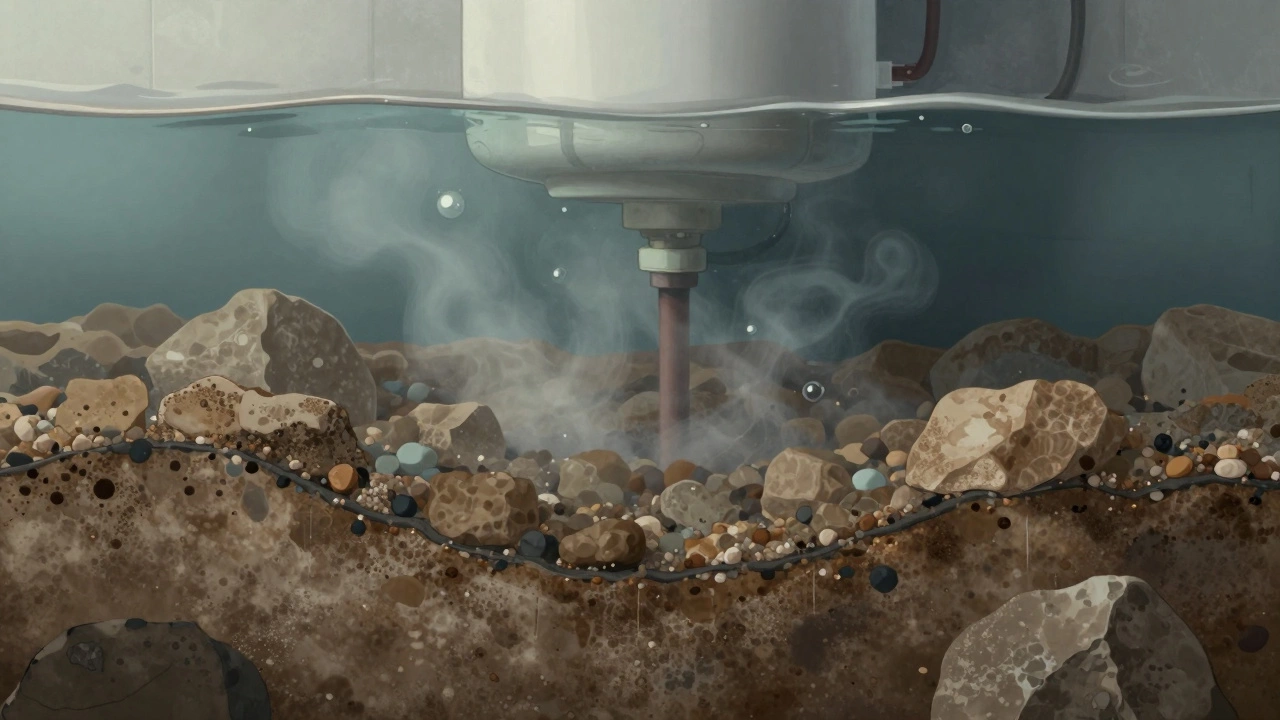
For electric water heaters, or gas units that seem to run constantly but still struggle to heat, sediment buildup is the usual suspect. Over years, minerals in your water-especially hard water found in many parts of Canada and the US-settle at the bottom of the tank. This creates a layer of rock-like sediment.
Here is the problem: the heating element sits right above this sediment. Instead of heating water directly, the element heats the sediment, which then slowly transfers heat to the water. This acts as an insulator. The thermostat senses the water temperature is low because the sensor is blocked by mineral deposits, so it tells the element to keep running. Eventually, the element overheats the sediment, burns out, or trips the high-limit switch (the reset button).
You might notice other signs alongside the need to reset:
- Popping or rumbling noises coming from the tank.
- Hot water lasting only a short time before turning lukewarm.
- A noticeable drop in water pressure.
Flushing the tank annually removes this sediment. If you haven't done this in three or more years, the sediment layer could be inches thick, making a flush difficult without professional help. In severe cases, the heating elements may already be damaged beyond repair.
Faulty Thermostats and Control Boards
Your water heater relies on precise temperature readings to function. The thermostat is a device that regulates the temperature of the water by turning the heating elements or gas burner on and off monitors the water temp and signals the power source to activate. When thermostats fail, they often send erratic signals. They might think the water is cold when it’s actually scalding hot, or vice versa.
In electric models, there are usually two thermostats: one for the upper element and one for the lower. If the upper thermostat fails in the "on" position, the upper element runs continuously, potentially boiling the water and creating steam pockets. This can trip the thermal cutoff switch, requiring a manual reset. If it fails in the "off" position, you simply get no hot water from that zone.
Gas models use a gas control valve with an integrated thermostat. These valves are more complex and less likely to be replaced individually compared to electric thermostats. If the dial feels loose, clicks randomly, or doesn't hold the setting, the internal bimetallic strips inside the valve have likely warped due to heat stress. Replacing the entire gas control valve is often necessary here, which is a job best left to certified technicians due to the risk of gas leaks.
High-Limit Switches and Safety Cutoffs
Every modern water heater has a backup safety feature called a high-limit switch or thermal cutoff. This is the red button you see on the side of electric tanks or near the gas control valve. Its sole purpose is to cut power if the water temperature exceeds a safe limit (usually around 150°F or 65°C). This prevents the tank from becoming a pressure bomb.
If you find yourself pressing this button repeatedly, it means the primary thermostat isn't doing its job. The water gets too hot, the safety switch trips, and the heater shuts down. Once the water cools slightly, you reset it, and the cycle begins again. This is a critical warning sign. Continuing to reset it without fixing the underlying thermostat issue risks damaging the heating elements or, in extreme cases, causing the tank to rupture.
Do not ignore this. A tripping high-limit switch indicates a loss of temperature regulation. It is not a mechanical glitch; it is a safety intervention.
Draft Issues and Venting Problems
For gas water heaters, air flow is everything. The pilot light needs oxygen to stay lit, and the main burner needs proper venting to exhaust combustion gases. If your flue pipe is blocked by bird nests, leaves, or ice dams (common in Toronto winters), the draft reverses. Hot gases and smoke get pushed back into the room instead of going up the chimney.
This backdraft cools the thermocouple prematurely, extinguishing the pilot light. You’ll smell faintly of sulfur or gas, and the pilot will refuse to stay lit. Additionally, strong winds outside can blow out the pilot if the draft hood is missing or damaged. Check the top of your water heater for the draft diverter. If it’s clogged with debris, clean it gently. If the problem persists, inspect the vent pipes for obstructions.
| Symptom | Likely Cause | Difficulty Level | Estimated Cost |
|---|---|---|---|
| Pilot light won't stay lit | Faulty Thermocouple | Easy | $10 - $30 (Part) |
| Red reset button trips frequently | Bad Thermostat or Sediment | Moderate | $50 - $150 (Parts/Labor) |
| No hot water after reset | Burnt-out Heating Element | Moderate | $40 - $80 (Part) |
| Smell of gas / Pilot blows out | Venting/Draft Issue | Hard | $100+ (Pro Required) |
| Control valve unresponsive | Failed Gas Control Valve | Hard | $150 - $300 (Part + Labor) |
When to Call a Professional vs. DIY
Some fixes are straightforward for a handy homeowner. Replacing a thermocouple involves turning off the gas, unscrewing two nuts, and swapping the part. Flushing a tank requires a garden hose and some patience. However, working with gas lines, high-voltage electricity, and pressurized tanks carries real risks.
If you suspect a gas leak (rotten egg smell), do not touch anything. Leave the house and call emergency services. If the reset button trips immediately after you press it, the issue is likely internal wiring or a short circuit, which requires a multimeter and expertise. Similarly, if your water heater is older than 10 years, consider whether repairing it makes financial sense. A new unit offers better efficiency and a warranty, whereas patching an old tank is often a money pit.
Preventive Maintenance Checklist
To avoid the frustration of cold showers and constant resets, adopt a simple maintenance routine. Most failures are preventable with basic care.
- Test the Temperature: Once a year, measure the water temperature at a faucet. It should be around 120°F (49°C). Adjust the thermostat if it’s higher to save energy and reduce scale buildup.
- Flush the Tank: Drain a few gallons from the drain valve to remove sediment. Do this annually if you have hard water.
- Inspect the Anode Rod: Every three to five years, check the sacrificial anode rod. If it’s heavily corroded, replace it to prevent tank rust.
- Check the Pressure Relief Valve: Lift the lever on the T&P valve briefly to ensure it releases water freely. This ensures the safety mechanism works if pressure builds up.
- Visual Inspection:** Look for signs of leakage, corrosion, or soot around the burner area. Soot indicates incomplete combustion, which is dangerous.
By understanding these components and their roles, you can diagnose why your water heater keeps demanding attention. Whether it’s a cheap thermocouple or a neglected tank, addressing the root cause restores comfort and safety to your home.
How long does a thermocouple last?
A thermocouple typically lasts between 3 to 5 years, depending on usage and environmental factors. High heat exposure and vibrations can shorten its lifespan. If your pilot light frequently goes out, the thermocouple is likely nearing the end of its life.
Is it dangerous to keep resetting the water heater?
Yes, repeatedly resetting the high-limit switch without fixing the underlying issue can be dangerous. It may indicate overheating, which can damage the tank integrity or lead to gas leaks in gas models. Always investigate the cause before resetting.
Can sediment really cause my water heater to fail?
Absolutely. Sediment acts as an insulator, forcing heating elements to work harder and overheat. This leads to premature burnout of elements and frequent tripping of safety switches. Regular flushing prevents this buildup.
What should I do if I smell gas near my water heater?
If you smell gas, evacuate the house immediately. Do not turn lights on or off, and do not use any electrical devices. Call your gas company or emergency services from outside. Never attempt to fix a gas leak yourself.
How often should I flush my water heater?
It is recommended to flush your water heater once a year. If you live in an area with hard water, you may need to do it twice a year to prevent significant sediment accumulation that affects performance and longevity.