

Why Are None of My Gas Appliances Working? Troubleshooting Guide
 Nov, 9 2026
Gas Appliance Troubleshooting Wizard
Follow these steps in order to diagnose why your gas appliances aren't igniting. This tool guides you through the most common causes of total gas outages.
Step 1: Check Smart Meter Status
Look at your gas meter screen. Is it blank, showing an error code (like E01), or displaying a normal reading?
Step 2: Attempt Meter Reset
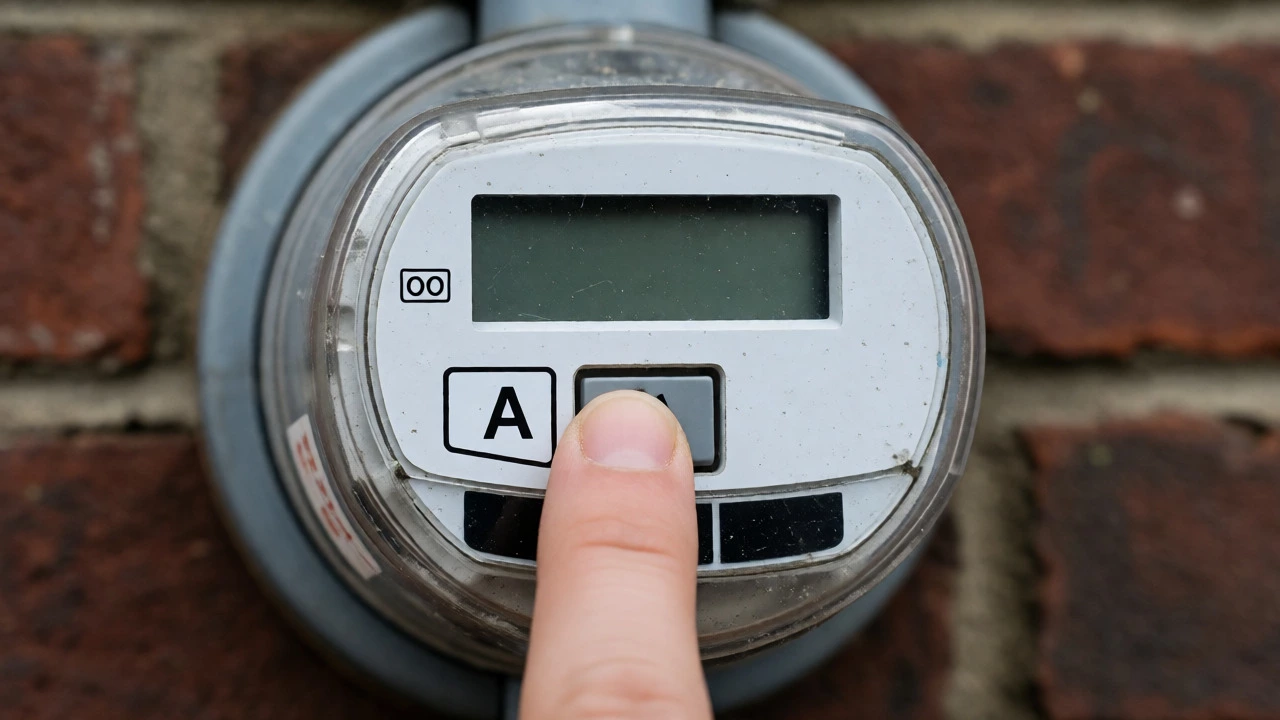
If the meter was blank or errored, press and hold the 'A' or Display button for 3-5 seconds. Listen for a loud "clunk" indicating the valve has reopened.
Note: If you heard the clunk, try lighting your hob now. If it lights, wait 10 mins before trying other appliances.
Step 3: Inspect Emergency Control Valve (ECV)
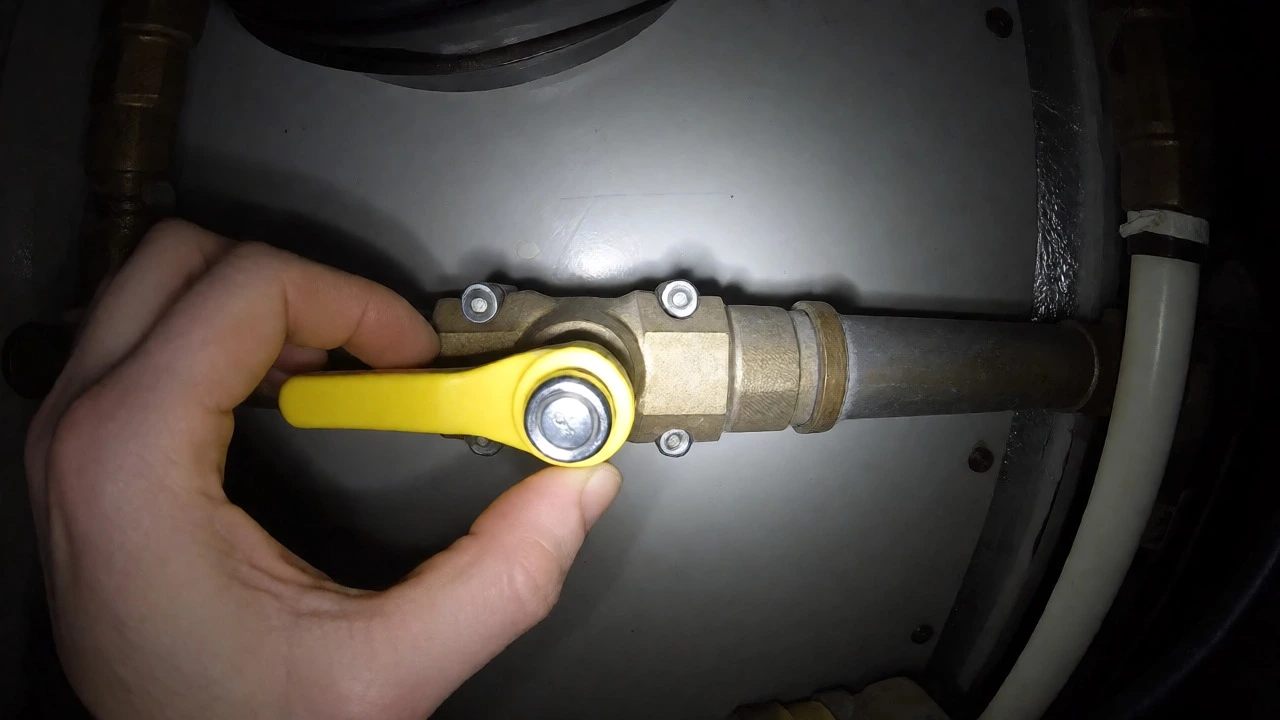
Locate the yellow handle lever near your meter (outside or in utility cupboard). Is the handle parallel (along) or perpendicular (across) to the pipe?
Step 4: Verify Credit/Balance
Are you on a prepayment plan? Check if your balance is positive. If so, stand near the meter and press the display button repeatedly to force a network sync.
Step 5: Appliance-Specific Checks
Does the hob ignite but the boiler doesn't? Or do neither work despite supply checks passing?
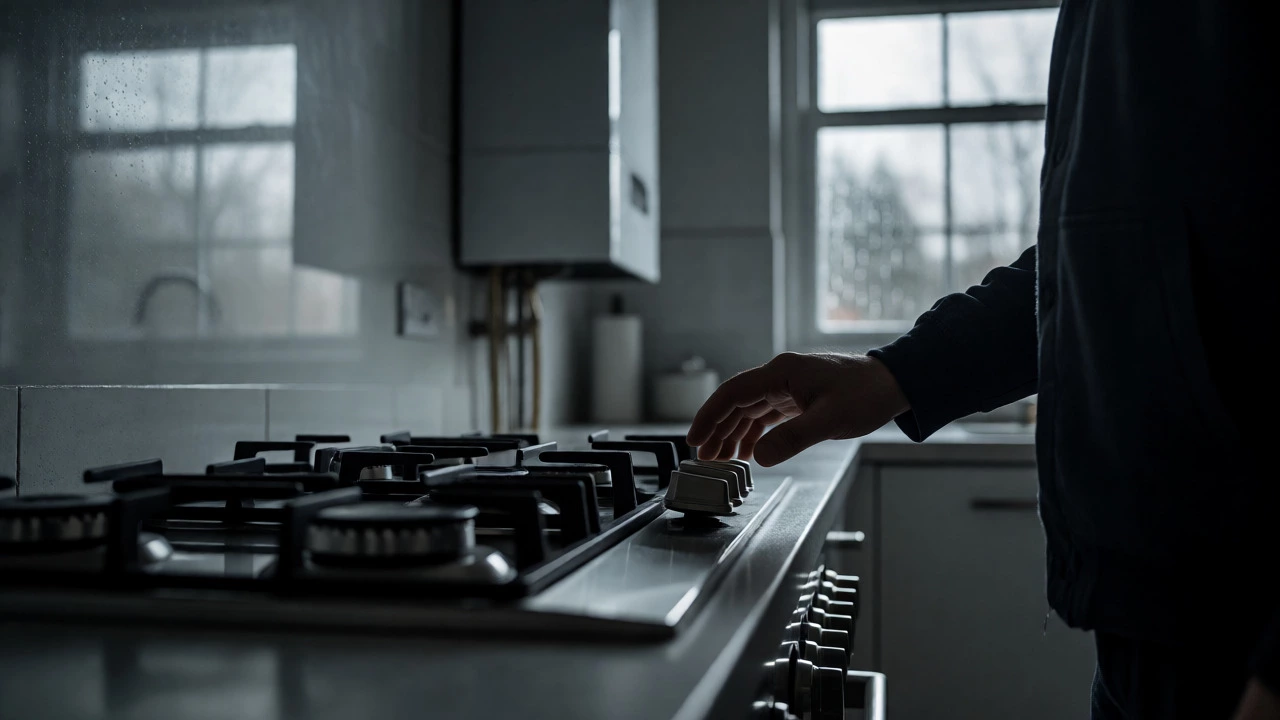
Imagine this: you walk into your kitchen on a cold November morning, ready to make coffee and heat up the house. You flip the switch on the gas hob, but there’s no click, no flame, just silence. You try the oven-nothing. The boiler won’t ignite. It feels like every single gas-powered device in your home has simultaneously decided to take a holiday. This isn’t bad luck; it’s a systemic failure. When multiple appliances fail at once, the problem is rarely with the appliances themselves. It’s almost always upstream, located in the supply chain that feeds them.
Before you start pulling out screwdrivers or calling for an expensive engineer, you need to understand how your gas system works. Think of your home’s gas network like the electrical wiring in your house. If one lamp burns out, you replace the bulb. But if every light in the house goes dark, you don’t check each bulb-you check the fuse box. With gas, the "fuse box" is your meter and its associated safety valves. Most modern homes use smart meters or older dial meters equipped with automatic shut-off valves. These devices are designed to cut off the gas flow automatically if they detect specific irregularities, such as a sudden drop in pressure or a suspected leak. Understanding this mechanism is the key to solving why none of your appliances are working.
The Smart Meter Lockout: The Most Common Culprit
If you have a smart gas meter (the digital ones installed widely since the mid-2010s), the most likely reason for a total blackout is that the meter has entered a "lockout" state. This happens when the meter detects a fault condition and closes its internal valve to prevent gas from flowing. Unlike old mechanical meters, smart meters require manual intervention to reset after certain errors. They don’t just open back up when the issue is resolved; you have to tell them to try again.
Here is what typically triggers a lockout:
- Airlocks: If the gas was turned off previously (perhaps by the supplier for maintenance) and then turned back on, air can get trapped in the pipes. When you turn on an appliance, the meter sees low pressure because it’s pushing air, not gas, and shuts down.
- Battery Failure: Many smart meters run on batteries. If these die, the display might go blank, and the valve will close for safety.
- Suspected Leak: A small, continuous draw of gas when all appliances are off can trigger the leak detection algorithm.
To fix this, look for a button on your meter labeled "A," "Display," or sometimes just a generic reset symbol. Pressing this button often wakes the screen. If the screen shows an error code (like E01, E02, etc.), consult your meter’s manual or your energy provider’s website. Often, simply pressing and holding the button for three seconds resets the valve. You should hear a distinct clunking sound inside the meter, indicating the valve has reopened. Once you hear that clunk, go back to your appliances. Try igniting the hob first. If it lights, wait ten minutes before trying the boiler. This gradual reintroduction helps clear any remaining air pockets without tripping the sensor again.
Check the Emergency Control Valve (ECV)
If resetting the meter doesn’t work, your next stop is the Emergency Control Valve. This is a physical lever, usually located outside your home near the gas meter cabinet, or sometimes in a utility cupboard indoors. It looks like a yellow handle or a black lever attached to the main pipe entering your property. Its job is simple: to manually cut off the gas supply in case of an emergency, like a burst pipe or a major leak.
It’s surprisingly easy to accidentally knock this valve closed. Maybe you were moving furniture near the wall, or perhaps a child played with it. If the lever is perpendicular (across) to the pipe, the gas is off. If it’s parallel (along) the pipe, the gas is on. Check this immediately. If you find it closed, gently push it back into the parallel position. Do not force it. If it resists, stop-forcing a stuck valve can break the seal and cause a real leak. Once opened, try your appliances again. Remember, if you suspect a gas smell anywhere in the process, do not operate switches or light matches. Ventilate the area and call your gas emergency line.
Depleted Credit or Prepayment Issues
For those on prepayment plans, a total gas outage is often just a matter of running out of credit. Modern smart meters communicate wirelessly with your supplier. If your balance hits zero, the meter cuts the supply instantly. Sometimes, there is a delay between topping up via an app or card and the meter receiving that data. This is called "top-up latency." While you wait for the signal to reach the meter, the gas remains off.
To expedite this, stand near the meter and press the display button repeatedly. This forces the meter to ping the network for updated balance information. If you use a traditional prepayment key, ensure you’ve inserted it correctly and waited for the green light to confirm the credit load. If you’re on credit but still have no gas, check your direct debit status. Suppliers can remotely disconnect supply for unpaid bills, though they usually send warnings first. A quick call to customer service can verify if there’s a hold on your account.
Appliance-Specific Safety Lockouts
Let’s assume the meter is fine, the ECV is open, and you have credit. Why would everything still be dead? Some modern boilers and cookers have their own diagnostic systems. If a boiler fails to ignite three times in a row, it may enter a "lockout" mode to prevent unburnt gas from accumulating. However, this usually affects only the boiler, not the hob or oven.
But here is a tricky scenario: shared flues. In some apartment buildings or terraced houses, multiple appliances vent through a single chimney stack. If one appliance’s flue is blocked (by debris, a bird’s nest, or soot), it can create back-pressure that prevents other appliances from drafting properly. This is rare for hobs but common for boilers and fires. If you recently had construction work done nearby, or if high winds have been persistent, this could be the cause. Look for signs of carbon monoxide poisoning symptoms-headaches, nausea, dizziness-and install detectors if you haven’t already. A blocked flue is a serious safety hazard, not just an inconvenience.
When to Call a Professional
You should never attempt to repair gas lines yourself unless you are qualified. Gas work requires certification (such as Gas Safe registration in the UK or similar local licenses). If you’ve checked the meter, the ECV, and your credit, and the appliances still won’t light, you likely have a blockage in the pipework or a faulty regulator. A regulator controls the pressure of gas entering your home. If it fails, it might let too little gas through, causing weak flames or no ignition at all across all units.
Also, consider the age of your appliances. If your hob uses piezo ignition (the clicking spark) and none of the burners click, it might be a central ignition module failure. But if the clicks happen but no gas flows, the issue is definitely supply-side. Don’t waste time replacing individual burner heads if the whole system is down. Focus on the source.
| Potential Cause | Symptoms | Immediate Action |
|---|---|---|
| Smart Meter Lockout | No click, no flame; meter screen may show error or be blank. | Press 'A' or Reset button on meter; listen for valve clunk. |
| Emergency Valve Closed | All appliances dead; valve handle perpendicular to pipe. | Turn handle parallel to pipe; do not force. |
| Zero Credit | Meter display shows £0.00 or negative balance. | Top up; press meter button to sync data. |
| Blocked Flue | Boiler trips; smell of fumes; appliances struggle to stay lit. | Ventilate area; call Gas Safe engineer immediately. |
| Faulty Regulator | Weak flames or no ignition despite meter being active. | Professional inspection required. |
Preventing Future Outages
Once you get your gas back, take steps to avoid this happening again. First, know where your emergency valve is. Everyone in the household should know how to locate and operate it. Second, keep your smart meter batteries fresh. Some models allow you to change them easily; others require a technician. Third, schedule annual servicing for your boiler and cooker. Regular maintenance catches minor leaks or blockages before they trip the safety valves.
Finally, invest in a good quality gas detector. It’s cheap insurance against invisible dangers. If your gas keeps cutting out randomly, note the time and conditions. Was it windy? Had you just used the shower? This pattern helps engineers diagnose intermittent faults faster. By understanding the hierarchy of your gas system-from the street supply to the meter, then the valve, and finally the appliance-you can troubleshoot efficiently and safely.
Why did my gas stop working suddenly?
Sudden gas outages are usually caused by the smart meter locking out due to a detected fault, such as a temporary pressure drop or airlock. It can also happen if the emergency control valve was accidentally knocked closed or if you ran out of prepayment credit.
How do I reset my gas meter?
Locate the button on your smart meter, often labeled 'A' or 'Display'. Press and hold it for 3-5 seconds until the screen activates or changes. Listen for a loud 'clunk' from inside the meter, which indicates the internal valve has reopened. Then, try lighting a low-flame appliance like a hob first.
Can I fix a gas leak myself?
No. If you smell gas, do not try to fix it yourself. Turn off the emergency valve if safe to do so, ventilate the area, and leave the property. Call your gas emergency number immediately. Only certified professionals should handle gas repairs.
What does it mean if the meter screen is blank?
A blank screen usually means the meter batteries are dead or the meter has lost power. Try pressing the display button to wake it. If nothing happens, contact your energy supplier, as they may need to send someone to replace the batteries or the unit itself.
Why is my boiler locked out but the hob works?
If the hob works, the gas supply is fine. The boiler has its own safety lockout triggered by failed ignition attempts, low water pressure, or a fault code. Check the boiler display for error codes and consult the manual. You may need to press the 'Reset' button on the boiler itself.