

Who Pays for Boiler Service? Landlord vs. Tenant Rules
 Aug, 16 2026
Boiler Responsibility Checker
Step 1: What type of issue are you dealing with?
Step 2: What is the fuel type of the boiler?
Step 3: Was there any evidence of tenant negligence or misuse?
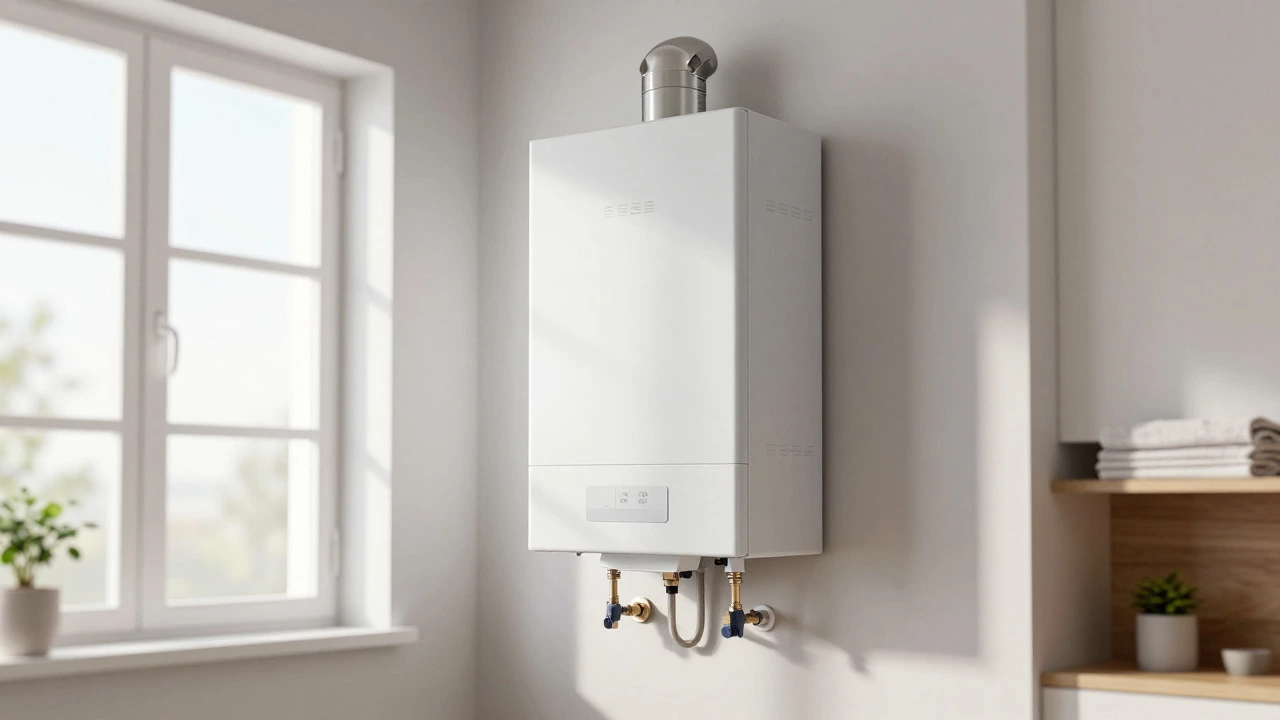
Walking into a new rental home and seeing the boiler is a central heating system that heats water to provide hot water and central heating in residential buildings, you might wonder: who actually pays to keep it running? It’s a question that causes more friction between landlords and tenants than almost any other appliance issue. The short answer isn’t always "the landlord," but it usually is. However, the details depend heavily on your lease, local laws, and whether the unit is gas or electric. Getting this wrong can lead to surprise bills or even disputes when the system fails.
In most standard residential leases, the responsibility for major mechanical systems falls on the property owner. This includes the initial installation, annual safety checks, and significant repairs. Think of the boiler like the roof or the foundation-it’s part of the building’s infrastructure, not a personal appliance you bought. If the heat goes out in January because the pump failed, you’re not typically expected to fork out hundreds of dollars to fix it. That’s the landlord’s problem to solve. But there are nuances, especially regarding minor maintenance and consumables, which we’ll break down below.
The General Rule: Landlords Cover Major Costs
Under standard tenancy agreements in many regions, including the UK and much of North America, the landlord is responsible for ensuring the heating system works efficiently and safely. This legal obligation often stems from housing acts that require properties to be habitable. A non-functional boiler makes a home uninhabitable during cold months, so the burden rests with the owner.
- Annual Servicing: For gas boilers, an annual service by a certified engineer is legally required in many jurisdictions (like the UK) to ensure safety and efficiency. The landlord must pay for this inspection.
- Major Repairs: If internal components like the heat exchanger, burner, or control board fail due to age or wear, the repair cost is on the landlord.
- Replacement: If the boiler is beyond repair or too old to be economical to fix, the landlord must replace it, provided the failure wasn't caused by tenant negligence.
This distinction is crucial. Wear and tear is inevitable. Boilers have moving parts that degrade over time. Tenants shouldn’t expect to pay for the natural aging of equipment they didn’t purchase. Instead, they should report issues promptly to avoid small problems becoming expensive failures.
When Tenants Might Pay: Negligence and Minor Items
So, when does the bill land on the tenant’s desk? Usually, it’s only if the damage was caused by misuse or neglect. For example, if a tenant runs the boiler without adequate water pressure for weeks, causing the pump to seize, that might be considered tenant-caused damage. Similarly, if a filter is clogged because the tenant ignored instructions for years, some strict leases might pass that specific cleaning cost to the tenant, though this is rare for internal boiler filters.
There are also minor consumables that sometimes fall to the tenant, depending on the lease terms:
- Fuses and Batteries: Replacing a fuse in the consumer unit or batteries in the thermostat remote is often a tenant task.
- Thermostat Batteries: If the digital thermostat stops working because the batteries died, that’s typically a cheap fix the tenant handles.
- Cosmetic Damage: If a tenant knocks off a pipe cover or damages external casing, repair costs may be charged to them.
However, these are exceptions. Most modern leases explicitly state that all mechanical repairs are the landlord's responsibility. Always check your specific contract. If it’s silent on the matter, the default legal presumption in most places favors the landlord paying for essential services.
Gas vs. Electric: Does the Fuel Type Matter?
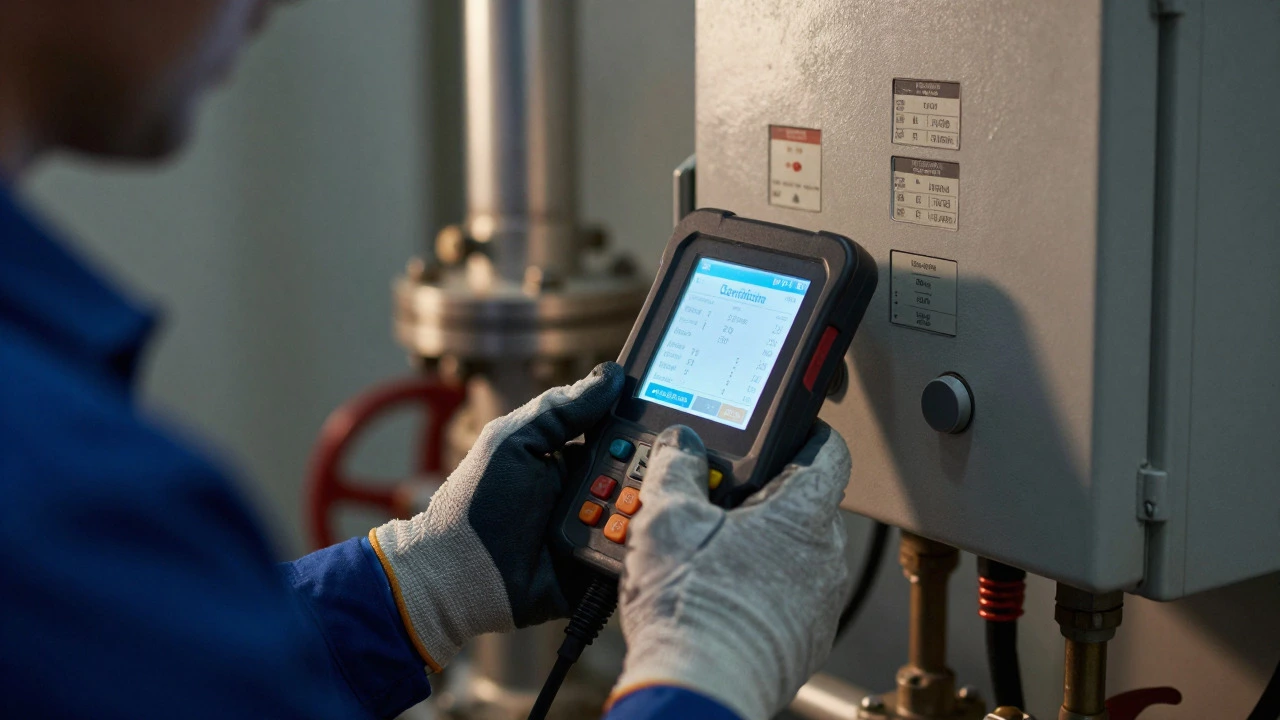
The type of boiler can influence who pays what, primarily due to regulatory requirements. Gas boilers, such as combi boilers, require mandatory annual servicing by a Gas Safe registered engineer (in the UK) or a licensed HVAC technician elsewhere. This is a legal compliance issue, not just a maintenance one. Therefore, the landlord has no choice but to pay for this annual check to remain compliant with health and safety laws.
Electric boilers, while less common in whole-house heating, follow similar principles. They don’t have the same strict statutory annual service requirement as gas units in some regions, but best practice still dictates regular checks. If the lease doesn’t specify, the landlord generally covers the cost to maintain the property's value and habitability. The key difference is that gas boiler servicing is a non-negotiable legal duty for the owner, whereas electric boiler servicing might be framed as a "recommended" maintenance task, though the financial responsibility rarely shifts to the tenant unless specified otherwise.
Reading Your Lease Agreement
Your tenancy agreement is the final word on who pays. While general laws set the baseline, specific clauses can modify responsibilities. Look for sections titled "Repairs and Maintenance" or "Utilities and Services."
- Check for Exclusions: Does the lease say tenants are responsible for "minor repairs under £50"? If so, small fixes might be on you.
- Look for Service Clauses: Some high-end rentals include a service plan where the landlord pays for a package that covers parts and labor for a fixed period. Know if you’re covered.
- Review Utility Definitions: Ensure "heating" is listed as a utility paid by the landlord. In some setups, tenants pay for gas/electricity usage, but the equipment itself remains the landlord's asset.
If the lease is ambiguous, it’s worth asking the landlord for clarification in writing before a problem occurs. A simple email confirming that "all boiler repairs and annual services are included in the rent" can save headaches later.
What Happens When the Boiler Breaks Down?
Emergency breakdowns are stressful. Who calls the engineer? Usually, the tenant notices the issue first. You should contact the landlord immediately, providing photos or error codes if possible. The landlord then arranges the repair. If the landlord delays significantly (e.g., more than 48 hours in winter), you may have rights to organize the repair yourself and deduct the cost from rent, but this varies by location and lease terms.
Keep records. Save emails, text messages, and receipts. If you ever need to dispute a charge, documentation proves who acted when. Also, ask for the engineer’s report after any service. It outlines the condition of the boiler and confirms that the work was necessary. This report is useful evidence if a future dispute arises about whether a repair was due to wear and tear or tenant negligence.
| Task/Item | Typical Responsibility | Reasoning |
|---|---|---|
| Annual Safety Service | Landlord | Legal requirement for gas appliances; ensures habitability |
| Major Component Replacement | Landlord | Wear and tear on owned assets |
| Thermostat Batteries | Tenant | Consumable item; low cost |
| Damage from Neglect | Tenant | Failure to follow basic care instructions |
| Full Boiler Replacement | Landlord | End-of-life replacement of infrastructure |
Navigating Disputes Over Repair Costs
Disputes happen. Maybe the landlord claims you broke the pump, but you think it just wore out. How do you resolve it? First, compare the engineer’s diagnosis. Did they note signs of improper use? If not, the presumption favors wear and tear. Second, check local tenant protection laws. Many cities have ordinances that strictly limit what can be charged to tenants for structural or mechanical failures. Third, consider mediation. Local tenant associations often offer free advice or mediation services that can clarify rights without going to court.
Pro tip: Never pay a repair bill directly to an engineer called by the landlord unless you have written agreement that it’s your responsibility. Let the landlord handle the payment. If you pay upfront, get a receipt and a signed note stating it’s an advance against rent or a specific agreed-upon cost. This protects your cash flow and creates a paper trail.
Best Practices for Both Sides
For tenants, the best way to avoid unexpected costs is proactive communication. Report dripping pipes, unusual noises, or pressure drops early. Small issues are cheaper to fix and harder to blame on negligence. Keep the area around the boiler clean and uncluttered, as blocked vents can cause overheating and damage. For landlords, transparency builds trust. Provide a clear guide at move-in explaining what’s included in the rent and what isn’t. Offer a direct line for urgent heating issues. Knowing that their landlord is responsive makes tenants more likely to treat the equipment with care, reducing long-term costs for everyone.
Ultimately, the boiler is a shared asset. The landlord owns it, but the tenant relies on it. Clear expectations and open communication turn potential conflicts into routine maintenance tasks. By understanding the standard rules and checking your specific lease, you can navigate the question of "who pays?" with confidence and clarity.
Does the tenant pay for boiler service if they live in a flat?
Generally, no. In multi-unit buildings, the boiler is often a communal asset or part of the individual unit's infrastructure owned by the landlord. Unless the lease specifically states otherwise, the landlord covers the annual service and major repairs. Tenants usually only pay for utilities (gas/electricity) and minor consumables like batteries.
What if the boiler breaks down in summer?
The responsibility remains the same. Even if the heating isn't being used, the hot water function is essential. If the boiler fails, the landlord must repair it to ensure the property is habitable. Summer breakdowns are often easier to schedule, so landlords might prefer fixing it then rather than rushing in winter.
Can a landlord charge a tenant for a boiler replacement?
Rarely. Replacements are considered capital improvements or end-of-life replacements of the landlord's asset. Unless the tenant caused catastrophic damage through gross negligence (like flooding the unit), the landlord bears the full cost of buying and installing a new boiler.
Is an annual boiler service mandatory for tenants?
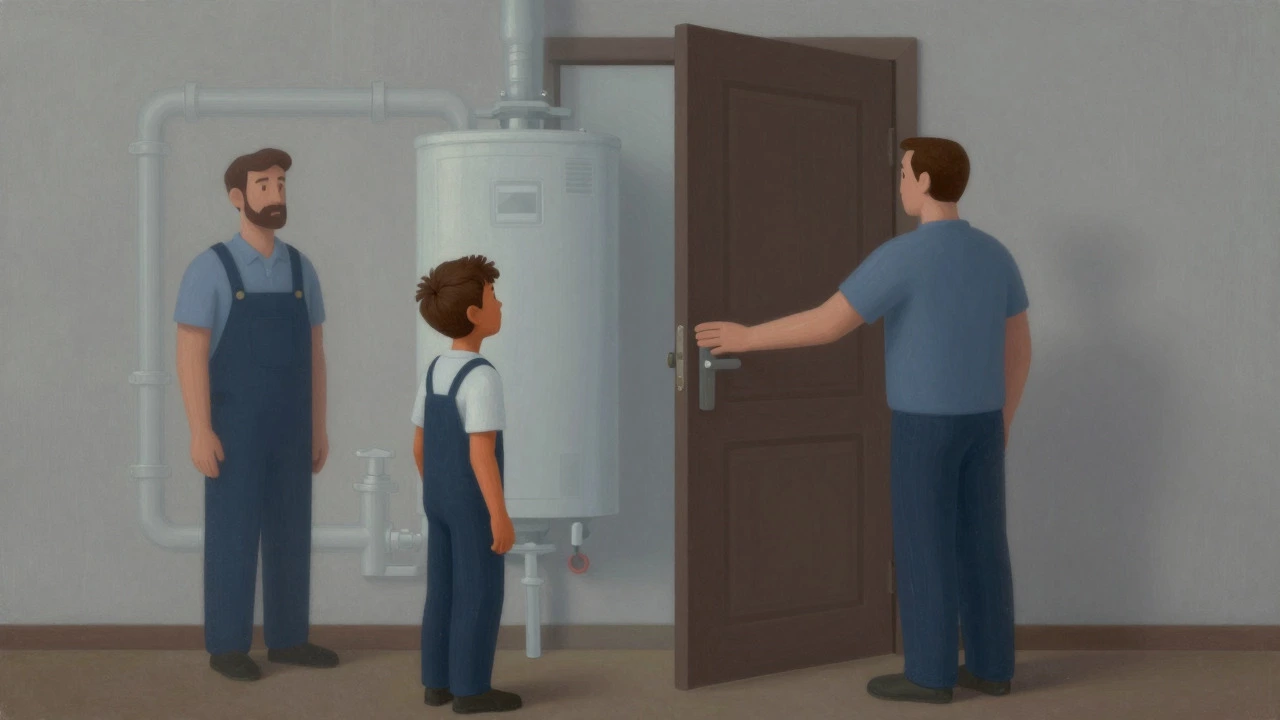
No, the tenant is not personally liable for the cost, but they may need to grant access. For gas boilers, the law requires the landlord to arrange an annual safety check. The tenant must allow the engineer entry, but the invoice goes to the landlord.
What counts as 'negligence' in boiler care?
Negligence typically involves ignoring obvious warnings. Examples include running the boiler with very low pressure for extended periods, blocking ventilation grilles, or using incompatible chemicals in the system. Normal usage, even if heavy, does not count as negligence.