

What Usually Breaks on a Water Heater? Common Failures & Fixes
 May, 31 2026
Water Heater Troubleshooter
Select a symptom above
to see likely causes and recommended fixes.
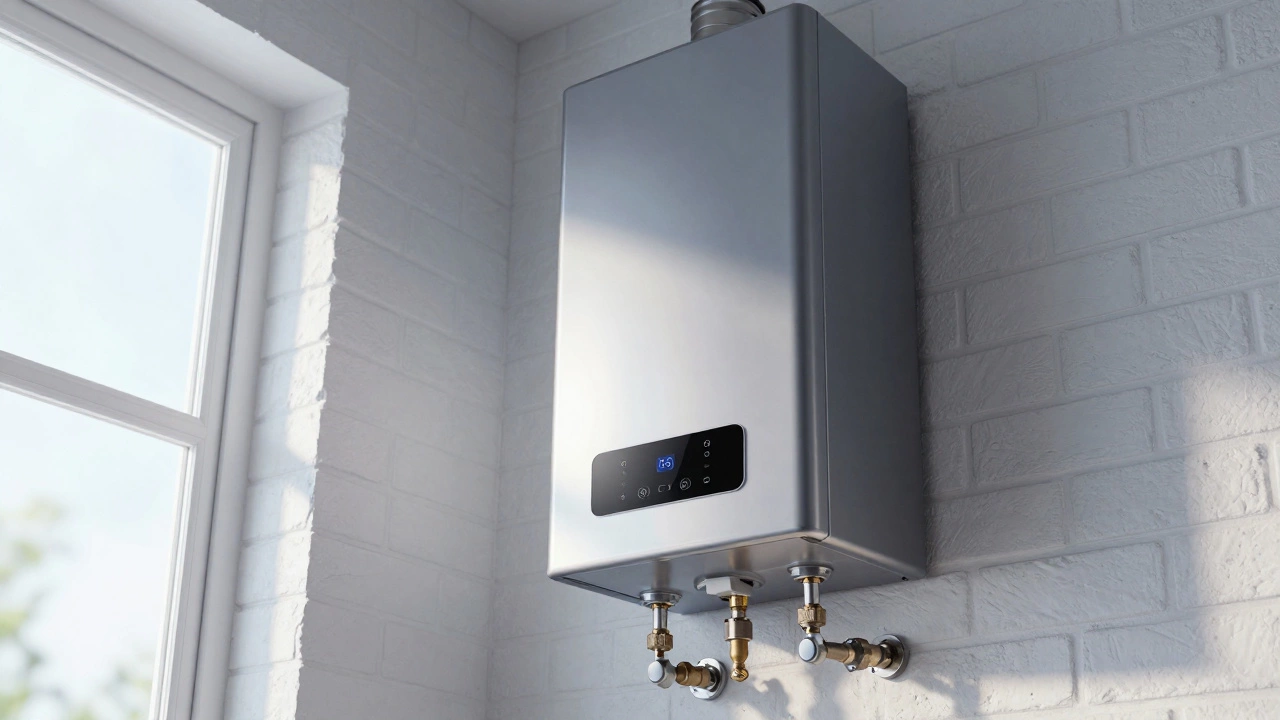
There is nothing quite as frustrating as stepping into a shower only to be greeted by a blast of icy water. It ruins your morning routine and leaves you wondering what went wrong inside that metal tank in your utility closet or garage. Most homeowners assume the entire unit has failed and needs replacing, but the truth is often simpler. Specific components wear out over time, and knowing which parts are prone to failure can save you hundreds of dollars in unnecessary replacement costs.
Water heaters are robust appliances designed to last between eight and twelve years, but they operate under constant stress. They deal with high temperatures, electrical currents or gas flames, and pressurized water twenty-four hours a day. When one component fails, it doesn't always mean the end of the line for the whole system. Understanding the most common points of failure helps you diagnose issues quickly and decide whether a simple repair will do the trick or if it's time to call a professional.
The Silent Killer: Sediment Buildup
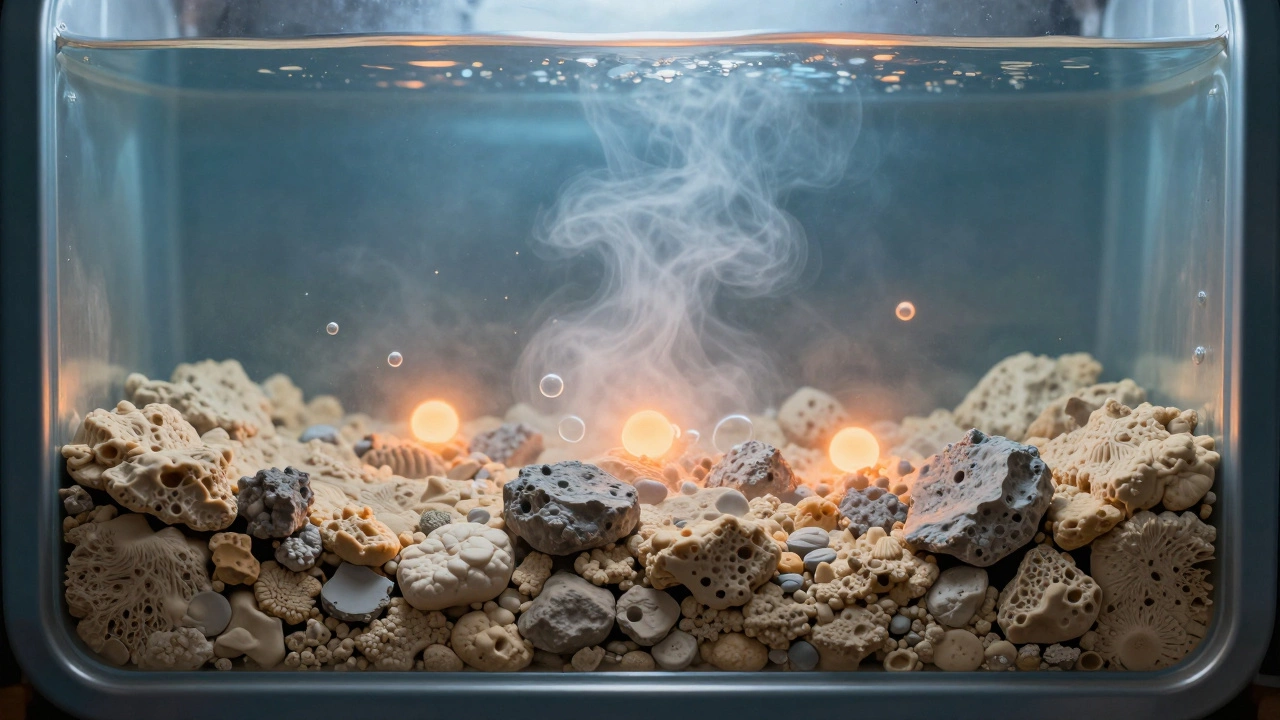
If there is one thing that kills water heaters faster than anything else, it is sediment. In areas with hard water, minerals like calcium and magnesium precipitate out of the water as it heats up. These minerals settle at the bottom of the tank, creating a layer of rock-hard scale. Over time, this layer thickens, acting as an insulator between the burner (or heating element) and the water.
This insulation effect forces the water heater to work harder to heat the water, driving up your energy bills. More critically, the sediment traps heat against the bottom of the tank. This localized overheating can cause the steel tank to crack or warp, leading to leaks. You might hear rumbling or popping noises coming from the tank; this is the sound of steam bubbles trying to escape through the sediment layer. If you ignore these noises, you are likely accelerating the death of your water heater. Flushing the tank annually removes this sediment and extends the life of the appliance significantly.
Anode Rod Failure
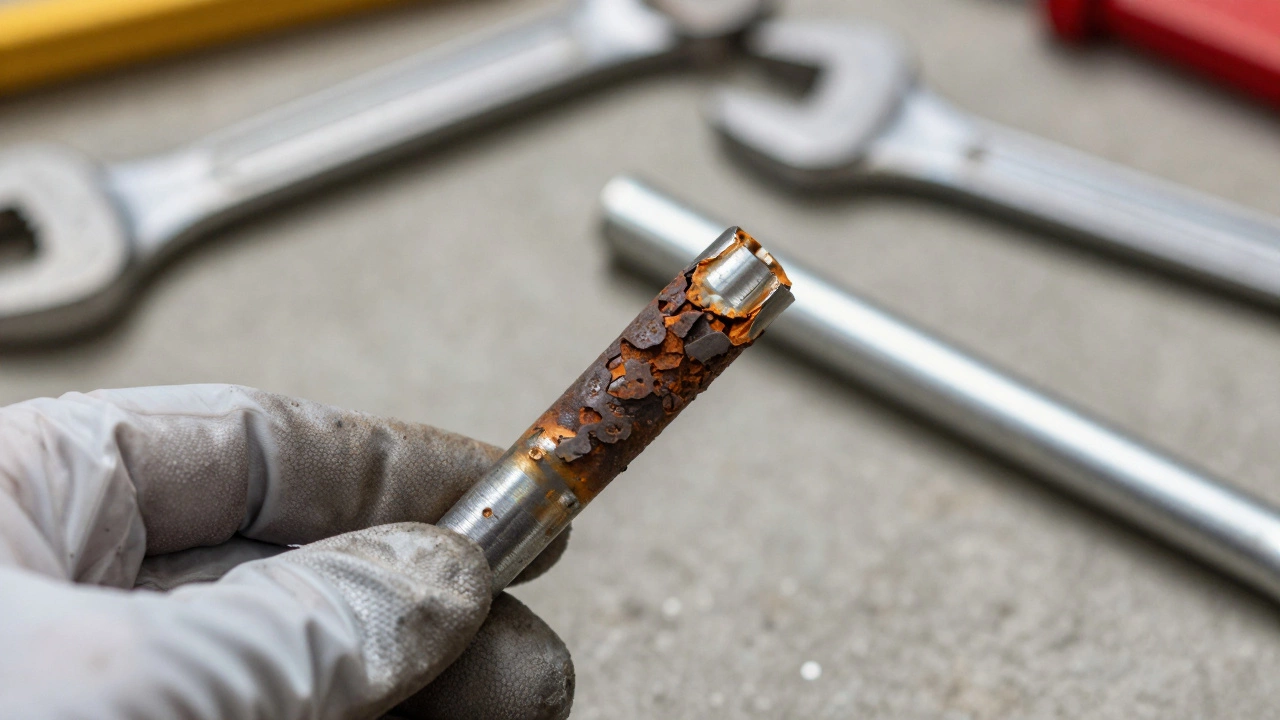
Anode Rod is a sacrificial metal rod designed to corrode instead of the water heater tank. Every water heater comes with this crucial component, yet most homeowners never think about it until it’s too late. The anode rod is made of magnesium or aluminum and is installed specifically to attract corrosive elements in the water. Through a process called electrolysis, the rod sacrifices itself to protect the steel tank lining from rusting.
Once the anode rod is completely consumed, the corrosive elements start attacking the tank itself. This is why a leaking tank is often a sign that the anode rod was neglected. Replacing an anode rod is a relatively inexpensive repair compared to buying a new water heater. However, once the tank starts leaking, the damage is done. Regular inspection of the anode rod every three to five years is essential for longevity. If the rod looks thin or crumbly, it needs immediate replacement.
Thermostat Malfunctions
Inconsistent water temperature is a classic symptom of a failing thermostat. Whether you have a gas or electric model, the thermostat regulates the temperature of the water. If it malfunctions, you might experience water that is too hot, risking scalding, or water that isn’t hot enough for a comfortable shower. In some cases, the thermostat may fail in the "on" position, causing the water to become dangerously hot and triggering the temperature and pressure relief valve to open.
Electric water heaters typically have two thermostats, one for each heating element. If the upper thermostat fails, you might get no hot water at all. If the lower thermostat goes bad, you might run out of hot water much faster than usual because the bottom half of the tank isn’t being heated properly. Gas water heaters use a single thermostat connected to the gas control valve. A faulty thermostat here can cause the pilot light to go out repeatedly or the burner to shut off prematurely. Testing and calibrating these thermostats is a straightforward task for a technician.
Heating Element Issues
For electric water heaters, the heating elements are the heart of the system. There are usually two elements: an upper and a lower one. The upper element heats the incoming cold water, while the lower element maintains the temperature of the stored water. Over time, these elements can burn out due to age, voltage spikes, or mineral buildup coating their surface.
A common sign of a bad heating element is when you have hot water initially, but it runs out quickly and never recovers. This often indicates that the lower element has failed. Conversely, if you have no hot water at all, the upper element or its associated thermostat might be the culprit. Sometimes, the issue isn’t the element itself but the wiring connections, which can loosen or corrode over time. Replacing a heating element involves draining part of the tank and accessing the side panel, a job that requires basic plumbing skills and safety precautions regarding electricity.
Pilot Light and Thermocouple Problems
Gas water heaters rely on a small flame called the pilot light to ignite the main burner. If the pilot light goes out, you won’t have any hot water. One of the most common reasons for this is a dirty or clogged pilot tube. Dust, debris, or even spider webs can block the flow of gas to the pilot assembly. Cleaning the pilot tube with compressed air or a thin wire can often resolve this issue.
Another critical component is the thermocouple. This safety device sits near the pilot light and detects whether the flame is lit. If the thermocouple senses that the pilot light is out, it shuts off the gas supply to prevent dangerous gas leaks. A weak or misaligned thermocouple can cause the pilot light to extinguish shortly after you try to relight it. Replacing a thermocouple is inexpensive and relatively easy, making it a common first step in troubleshooting gas water heater issues.
Temperature and Pressure Relief Valve Leaks
The temperature and pressure (T&P) relief valve is a critical safety feature located on the top or side of the water heater. Its job is to release water if the internal pressure or temperature gets too high, preventing the tank from exploding. Occasionally, this valve will leak a small amount of water. While this might seem like a minor issue, it is actually a warning sign.
A leaking T&P valve can indicate that the pressure in the system is too high, possibly due to a failing pressure reducing valve elsewhere in the house. Alternatively, the valve itself might be worn out or stuck open due to mineral deposits. Ignoring a leaking T&P valve is dangerous because it means the safety mechanism is compromised. If the valve continues to leak after testing and cleaning, it must be replaced immediately to ensure the safety of your home.
| Symptom | Likely Cause | Severity |
|---|---|---|
| No Hot Water | Faulty thermostat, bad heating element, or pilot light out | High |
| Rumbling Noises | Sediment buildup at the bottom of the tank | Medium |
| Discolored Water | Rusting tank or corroded anode rod | High |
| Leaking Tank | Corroded tank, loose fittings, or failed T&P valve | Critical |
| Inconsistent Temperature | Dip tube failure or faulty thermostat | Medium |
Dip Tube Degradation
The dip tube is a plastic pipe that connects the cold water inlet to the bottom of the tank. Its purpose is to direct incoming cold water to the bottom, allowing hot water to rise to the top where it can be drawn off. Over time, especially in older models, the dip tube can become brittle and break apart. When this happens, cold water enters the tank at the top, mixing with the hot water.
This results in lukewarm showers and a rapid depletion of hot water. You might notice that your shower starts hot but turns cold within minutes, even if you haven’t used much water. Replacing the dip tube is a simple and inexpensive fix that can restore proper water heating performance. It is often overlooked during routine maintenance, but it plays a vital role in the efficiency of the water heater.
When to Call a Professional
While some issues like cleaning the pilot light or flushing the tank can be handled by a confident DIYer, others require professional expertise. Gas leaks, significant electrical faults, and major tank leaks are not jobs for amateurs. If you smell gas, hear hissing sounds, or see water pooling around the base of the unit, turn off the power or gas supply immediately and call a licensed plumber. Attempting to repair these issues yourself can be dangerous and may void your warranty.
Professional technicians have the tools and knowledge to diagnose complex problems accurately. They can test electrical components, check gas pressure, and inspect internal parts without risking further damage. Regular maintenance visits can also help identify potential issues before they become catastrophic failures, saving you money and hassle in the long run.
How long does a water heater usually last?
Most traditional tank water heaters last between 8 to 12 years. Tankless models can last 20 years or more with proper maintenance. Factors like water quality, usage patterns, and regular maintenance significantly impact lifespan.
Is it cheaper to repair or replace a water heater?
If the water heater is less than 6 years old and the issue is a minor component like a thermostat or heating element, repair is usually cheaper. If the unit is older than 10 years or has a leaking tank, replacement is often more cost-effective in the long run.
Why is my water heater making popping noises?
Popping or rumbling noises are typically caused by sediment buildup at the bottom of the tank. As water heats up, steam bubbles form and try to escape through the sediment layer, creating noise. Flushing the tank can resolve this issue.
Can I replace the anode rod myself?
Yes, replacing an anode rod is a manageable DIY project for those with basic plumbing skills. It involves draining the tank, removing the old rod, and installing a new one. However, if you are uncomfortable working with heavy tanks or plumbing connections, hiring a professional is recommended.
What should I do if my water heater is leaking?
First, determine the source of the leak. If it’s from a loose fitting or the T&P valve, tightening or replacing the part may fix it. If the leak is coming from the tank itself, the unit is likely corroded and needs replacement. Turn off the power/gas and water supply immediately to prevent further damage.