

What Trade Fixes Extractor Fans? A Homeowner's Guide
 Sep, 27 2026
Extractor Fan Troubleshooter
Select your primary symptom below to find out who to call and how much it might cost.
Professional Needed
$0 - $0 CADLikely Cause:
Explanation will appear here.
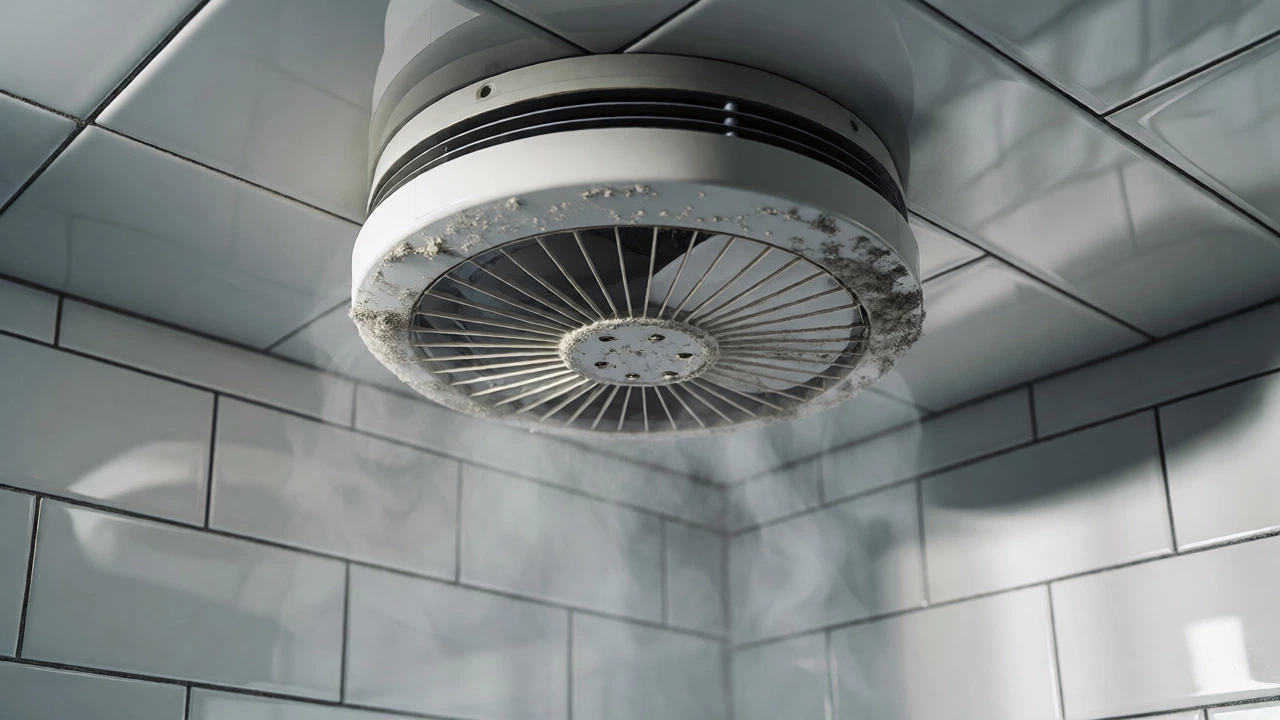
You turn on the switch in your bathroom, and instead of a satisfying hum sucking out the steam from your shower, you get silence. Or worse, a loud grinding noise that sounds like a lawnmower trying to start indoors. Now what? You might be staring at that ceiling vent wondering who actually fixes these things. Is it the plumber? The handyman? The electrician? It’s a common confusion because extractor fans sit at the weird intersection of plumbing (they’re often near showers), electrical work (they need power), and HVAC (they move air).
Here is the short answer: An electrician is usually the right trade for fixing the wiring, motor, or switch issues. However, if the problem is ductwork blockage or a broken housing unit, an HVAC technician or a specialized appliance repair person might be needed. Let’s break down exactly who calls whom based on what’s actually broken.
Why Your Extractor Fan Stopped Working
Before you pick up the phone, you need to diagnose the issue. Knowing the symptom helps you hire the right person. Most extractor fan failures fall into three buckets: electrical faults, mechanical wear, or airflow blockages.
If the fan doesn’t turn on at all, check the obvious stuff first. Is the circuit breaker tripped? Did you replace the bulb recently and accidentally knock a wire loose? If the fan gets power but doesn’t spin, the capacitor or the motor windings are likely dead. These are electrical components. If the fan runs but makes a horrible screeching sound, the bearings have dried out or seized. This is mechanical. If the fan runs fine but your mirror still fogs up after ten minutes, the motor is working, but the air isn’t going anywhere. That’s a ducting problem.
The Electrician: Master of Power and Motors
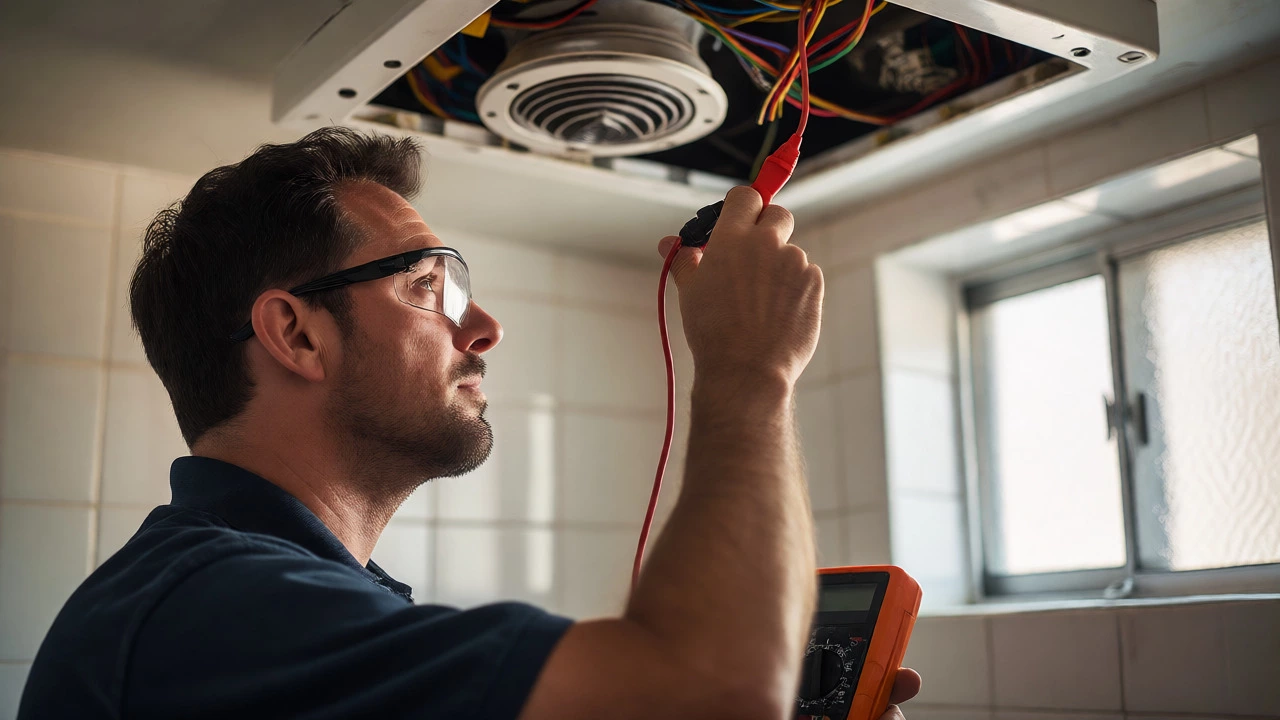
In most residential setups, especially in Toronto where many homes use hardwired units, the electrician is the primary contact for extractor fan repairs. Why? Because modern extractor fans are essentially small AC motors connected to your home’s electrical system. When the motor burns out, the capacitor fails, or the wall switch stops sending voltage, you need someone qualified to handle live wires.
An electrician specializes in installing, maintaining, and repairing electrical systems in buildings. They understand load requirements, grounding, and safe isolation procedures. If your fan sparks when you flip the switch, or if the fuse blows every time you try to run it, call an electrician immediately. Trying to bypass a faulty motor with a DIY hack can create fire hazards, especially in humid environments like bathrooms where moisture can compromise insulation.
Electricians also handle the replacement of the entire unit if the internal electronics are fried. Many older fans use proprietary control boards that aren’t worth repairing individually. An electrician will disconnect the old unit, ensure the new one meets code (like GFCI protection in certain zones), and wire it correctly.
HVAC Technicians: The Airflow Experts
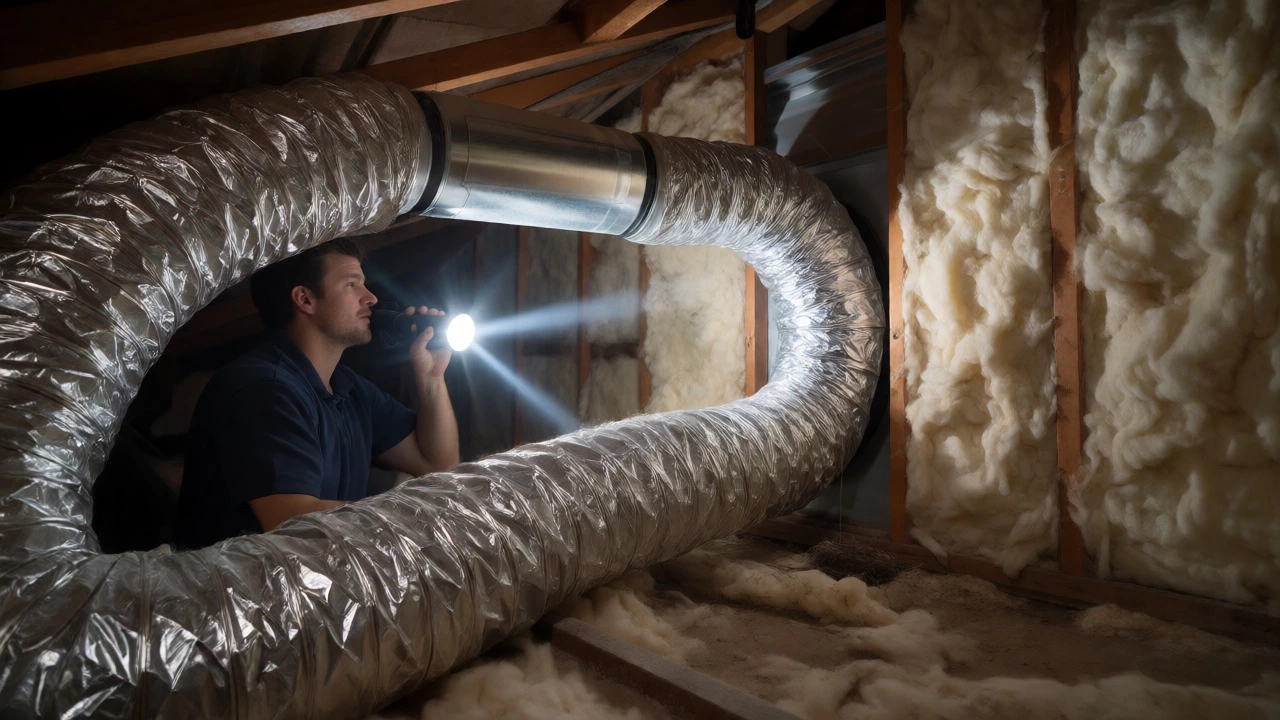
Sometimes the fan works perfectly, but the house feels stale. This is where HVAC technicians come in. Their job isn’t just about heating and cooling; it’s about air quality and movement. If your extractor fan is part of a central ventilation system, or if the issue lies deep within the ductwork behind your walls, an HVAC pro is your best bet.
Common HVAC-related issues include:
- Duct blockages: Dust, lint, or even bird nests can clog the exhaust pipe leading outside.
- Backdraft dampers stuck: These flaps prevent cold air from blowing back in. If they freeze shut or rust open, airflow reverses.
- Improper sizing: If the fan was installed incorrectly by a previous owner, it might not have enough CFM (cubic feet per minute) to clear the room.
While an electrician can swap the motor, they won’t crawl into your attic to clean out a bird nest in the flex-duct. That’s HVAC territory. In newer builds with heat recovery ventilators (HRVs) or energy recovery ventilators (ERVs), the extractor function is integrated into the main system. In those cases, only an HVAC specialist has the diagnostic tools to balance the pressure.
Appliance Repair Specialists: The Middle Ground
Not all extractor fans are built-in fixtures. Some are portable units or specific brand-name appliances (like those integrated into range hoods over stoves). For these, an appliance repair technician is often more cost-effective than a licensed electrician.
Appliance techs specialize in diagnosing specific manufacturers’ parts. If you have a high-end hood from a brand like Bosch or Miele, the repair manual is complex. Appliance specialists stock OEM (Original Equipment Manufacturer) parts and know which capacitors fit which models. They bridge the gap between general electrical work and specialized mechanical knowledge. However, note that in Ontario, appliance repairers don’t always hold the same electrical license as master electricians, so for hardwired mains connections, they might need to collaborate with an electrician or stick to plug-in units.
Handymen: When It’s Just a Clean-Up Job
Can a handyman fix your extractor fan? Yes, but only if the problem is low-voltage or purely mechanical cleaning. Handymen are great for:
- Cleaning filters and grilles.
- Lubricating accessible bearings.
- Tightening loose screws causing vibration.
- Replacing simple plug-and-play units.
But beware: if a handyman opens a junction box and starts twisting wire nuts without turning off the breaker, you’re risking safety. Always ask if they are comfortable with electrical isolation. In Canada, strict codes apply to bathroom electrics. A handyman might save you $50 on labor, but if they miss a code violation, you could face issues during a future home inspection.
Comparison: Who Do You Call?
To make this easier, here is a quick reference guide. Use this table to decide who to call based on your symptoms.
| Symptom | Likely Cause | Best Trade | Avg. Cost Range (CAD) |
|---|---|---|---|
| Fan doesn't turn on at all | Dead motor, bad capacitor, no power | Electrician | $150 - $300 |
| Loud grinding or squealing | Seized bearings, debris in blades | Handyman or Appliance Tech | $80 - $150 |
| Runs but no suction | Clogged duct, stuck damper | HVAC Technician | $120 - $250 |
| Sparking or burning smell | Short circuit, overheating motor | Electrician | $150 - $400 |
| Intermittent operation | Loose wiring, failing switch | Electrician | $100 - $200 |
DIY vs. Pro: Can You Fix It Yourself?
If you’re handy with a screwdriver and a multimeter, you can tackle some basic checks. Start by cutting the power at the breaker panel-not just the wall switch. Remove the cover plate. Look for visible damage. Are the blades blocked by dust bunnies? Clean them with a vacuum brush attachment. Does the motor shaft spin freely by hand? If it’s stiff, the bearings are shot. Replacement fans are cheap ($50-$150), so often it’s cheaper to buy a new unit than to pay for labor to repair an old one.
However, if you have to touch the wires, stop. In Ontario, while homeowners can do minor electrical work, insurance companies and inspectors prefer licensed professionals for anything involving permanent connections. Plus, bathroom zones have specific IP ratings for equipment. Using the wrong replacement part can void warranties or fail inspections.
Preventing Future Breakdowns
The best repair is the one you never need. Most extractor fans die from neglect. Run your fan during showers and for 15-20 minutes after. This keeps moisture levels down, preventing corrosion on the motor terminals. Once a year, pop off the grille and vacuum the blades. If you have a ducted system, check the exterior vent flap to ensure birds haven’t moved in. A $20 maintenance routine saves hundreds in service calls.
Also, consider upgrading. Older fans consume more electricity and are louder. Newer models with EC (Electronically Commutated) motors are quieter, more efficient, and last longer. If your current fan is over 10 years old, replacement is almost always better than repair.
Frequently Asked Questions
Do I need a permit to replace an extractor fan?
Generally, no. Replacing a like-for-like fixture usually doesn’t require a building permit in Toronto. However, if you are moving the location of the fan or running new wiring through joists, you may need an ESA (Electrical Safety Authority) permit. Always check local municipal rules before starting major electrical changes.
How much does it cost to fix a bathroom extractor fan?
Minor repairs like cleaning or lubrication cost $80-$150. Motor replacement or rewiring typically ranges from $150 to $300 including labor. Full installation of a new fan with ducting adjustments can cost $300 to $600 depending on accessibility and complexity.
Can a plumber fix my extractor fan?
Rarely. Plumbers deal with water lines and drains. Unless the fan is damaged due to a leaky shower pan or pipe condensation, a plumber won’t have the tools or licensing to fix the electrical or mechanical components of the fan itself.
Why does my extractor fan make a humming noise?
A humming noise usually indicates the motor is receiving power but cannot start spinning. This is often caused by a failed start capacitor or seized bearings. If the blades are free to spin manually, the capacitor is likely the culprit. If they are stiff, the motor needs replacement.
Is it dangerous to leave a broken extractor fan on?
Yes. If the fan is making grinding noises or smells like burning plastic, turn it off immediately. Continuing to run a seized motor can overheat the windings, melt insulation, and potentially cause an electrical fire. Also, without ventilation, excess humidity promotes mold growth, which poses health risks.