

What is the Most Common Refrigerator Repair? Top Issues Explained
 Aug, 31 2026
Refrigerator Troubleshooting Guide
Select the symptoms you are experiencing with your refrigerator to identify potential causes and recommended actions.
Likely Cause
You open your fridge door, expecting a cold blast of air, but instead, you’re greeted by lukewarm milk and a puddle on the bottom shelf. It’s a scenario every homeowner knows too well. While refrigerators are workhorses that run 24/7, they aren’t immune to wear and tear. So, what breaks most often? If you ask any seasoned technician in Toronto, the answer isn't usually the flashy electronics or the fancy ice maker. The most common refrigerator repair involves the defrost system components, specifically the defrost heater, defrost thermostat, or defrost timer. These parts fail frequently because they cycle on and off hundreds of times a year, eventually burning out or sticking.
The Defrost System: The Silent Culprit
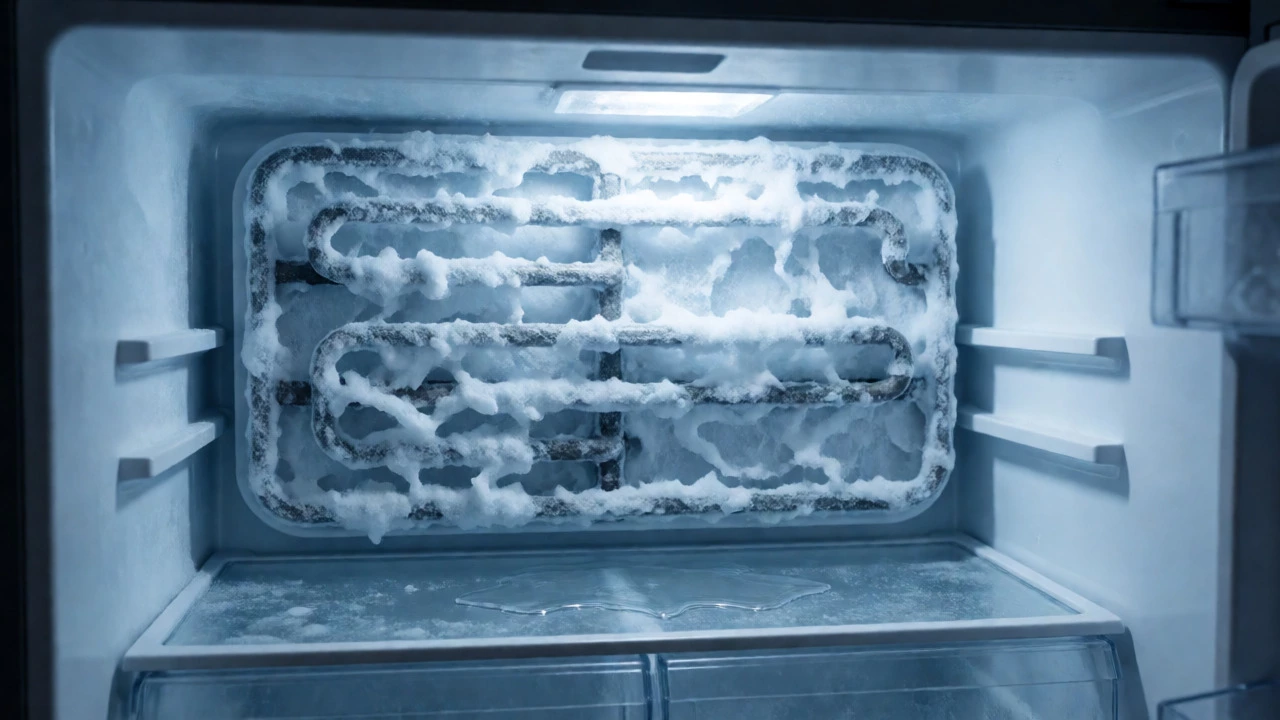
Modern frost-free refrigerators rely on a complex dance between cooling and heating to keep ice from building up on the evaporator coils. When this system fails, ice accumulates, blocking airflow. This leads to the classic symptom: the freezer works fine, but the fridge section is warm. Why does this happen so often? The defrost heater is essentially a high-resistance wire that heats up to melt frost. Like any heating element, it has a finite lifespan. Over time, thermal expansion and contraction cause the metal to fatigue and break.
The defrost thermostat acts as the safety switch, cutting power to the heater once the temperature rises enough to prevent overheating. If this bimetallic strip gets stuck in the "open" position, the heater never turns on, and ice builds up until it blocks the entire system. In older models, a mechanical defrost timer controlled when these cycles happened. These timers are notorious for getting stuck, leaving the fridge in either permanent cooling mode (freezing everything) or permanent defrost mode (thawing everything).
| Component | Function | Failure Symptom | Average Lifespan |
|---|---|---|---|
| Defrost Heater | Melts frost on coils | Ice buildup; no heat generated | 8-10 years |
| Defrost Thermostat | Cuts power at safe temp | Heater stays on or off permanently | 8-10 years |
| Defrost Timer | Schedules defrost cycles | Stuck in one mode; erratic cycling | 5-7 years |
Compressor Start Relays: The Heart Attack
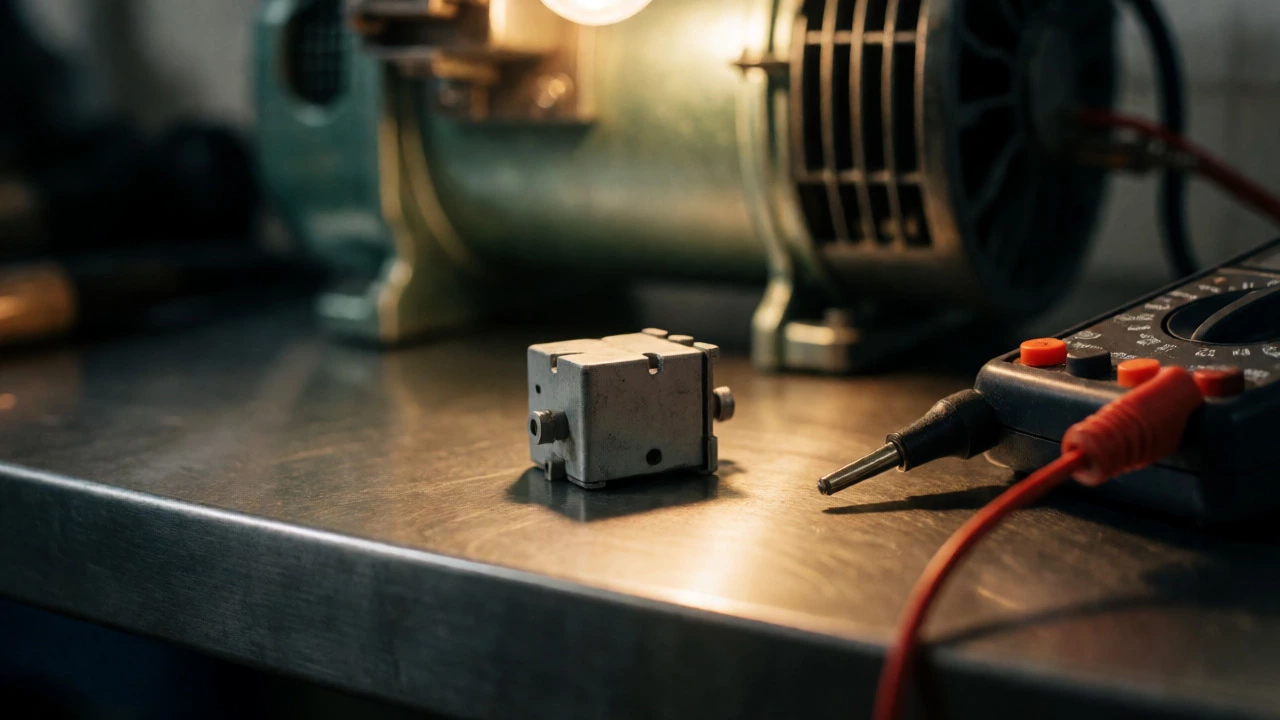
If your fridge hums but doesn't cool, or if it clicks repeatedly before stopping, you might be dealing with a failed start relay. The compressor is the heart of your refrigerator, pumping refrigerant through the system. But it needs a boost to start spinning under load. That’s where the start relay comes in. These small, palm-sized devices send a surge of electricity to the compressor’s start winding. Because they handle high amperage, they are prone to overheating and failing.
There are two main types: potential relays and PTC (Positive Temperature Coefficient) thermistors. PTC relays are more common in modern units. They are solid-state devices with no moving parts, which sounds durable, but they can still crack internally due to vibration or voltage spikes. When a PTC relay fails, the compressor tries to start, draws too much current, and then trips its internal overload protector. You hear a click, silence, and then another click minutes later. Replacing the relay is cheap-often under $30-but diagnosing it correctly requires checking the compressor windings first to ensure the motor itself hasn't seized.
Condenser Coils: The Dirty Secret
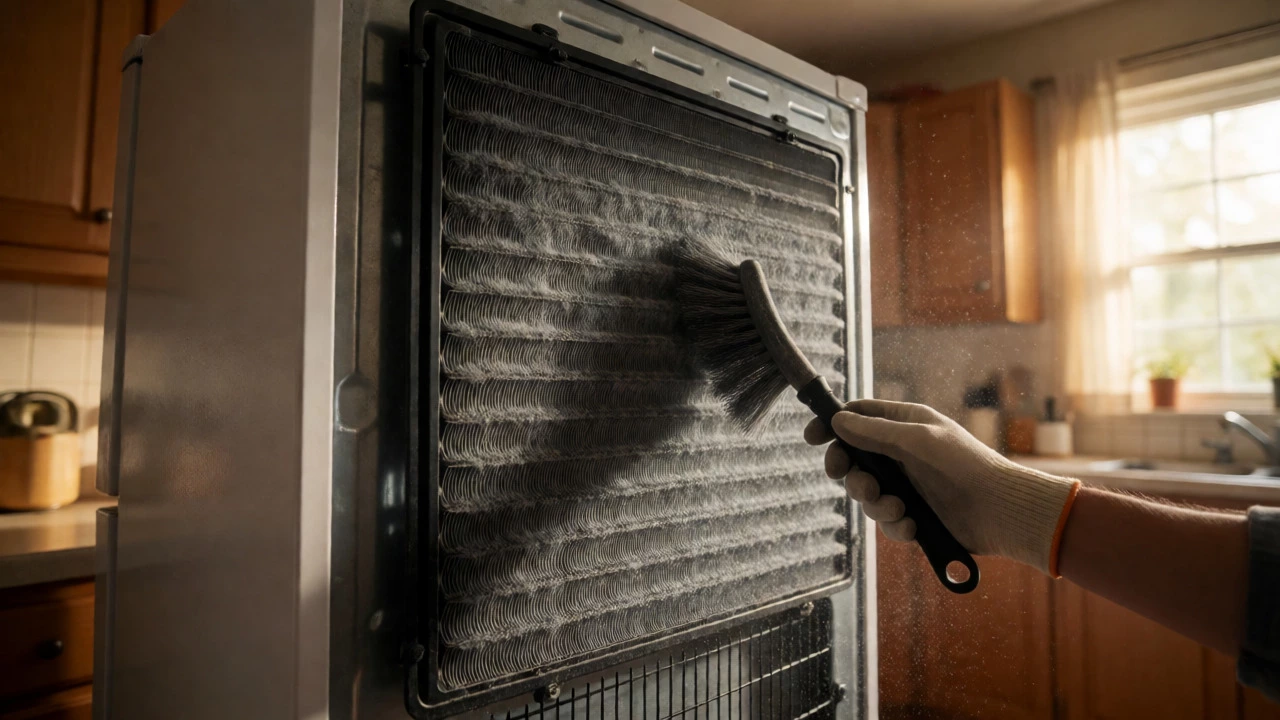
Before you call a technician for expensive repairs, look behind or underneath your fridge. Condenser coils release the heat absorbed from inside the fridge. If they are clogged with pet hair, dust, and lint, the refrigerator has to work twice as hard to reject heat. This inefficiency doesn't just raise your electric bill; it causes the compressor to overheat and shorten its life. While cleaning coils isn't technically a "repair," neglecting them is the primary cause of premature component failure.
In Toronto homes, especially those with pets or carpeted floors, coil cleaning should happen every six months. Use a coil brush or a vacuum with a brush attachment. If you ignore this maintenance step, you’ll likely face the next most common issue: a burnt-out condenser fan motor.
Fan Motors: Airflow Blockages
Refrigerators have two fans: the evaporator fan inside the freezer compartment and the condenser fan near the coils at the back. Both are critical for moving air. The evaporator fan blows cold air from the coils into the fridge and freezer sections. If it fails, you’ll hear a loud humming noise or complete silence, and the temperature will rise despite the compressor running.
These fans are vulnerable to ice damage. Remember the defrost issue mentioned earlier? If ice builds up on the evaporator coils, it can physically hit the fan blades, causing them to crack or the motor shaft to bend. Condenser fans, meanwhile, suffer from dust accumulation. The bearings dry out, leading to squealing noises and eventual seizure. Replacement motors typically cost between $50 and $100, plus labor, making them a mid-tier repair expense.
Door Gaskets: The Energy Leak
It seems trivial, but a torn or warped door gasket (seal) forces the compressor to run continuously. Warm, humid air enters the cabinet, creating excess moisture that freezes on the coils, triggering the defrost failures we discussed earlier. Check your seals by closing the door on a dollar bill. If you can pull it out easily without resistance, the seal is compromised.
Gaskets degrade due to age, cleaning chemicals, or physical tears. Replacing them is one of the easiest DIY fixes. Most manufacturers sell universal or model-specific kits. Ensure you clean the mounting channel thoroughly before installing the new seal, or it won’t sit flush.
When to Call a Pro vs. DIY
Not all repairs are created equal. Some tasks require specialized tools and knowledge about refrigerant handling, which is regulated in Canada. Here’s a quick guide:
- DIY Friendly: Cleaning condenser coils, replacing door gaskets, swapping out light bulbs, adjusting thermostats, and replacing simple defrost heaters or thermostats if you are comfortable using a multimeter.
- Hire a Technician: Sealed system issues like refrigerant leaks, compressor replacement, or electronic control board failures. Handling refrigerants requires certification (like the TSSA permit in Ontario), and improper charging can destroy a new compressor.
Consider the age of your unit. If your refrigerator is over 12 years old and needs a compressor replacement (which can cost $400-$600+), buying a new energy-efficient model might be smarter financially. Newer fridges use less electricity and come with warranties that offset the repair risk.
Troubleshooting Checklist
Before spending money, run through this diagnostic list:
- Check Power: Is the outlet working? Try plugging in a lamp.
- Listen: Does the compressor hum? Do fans spin?
- Inspect Coils: Are they dirty? Clean them first.
- Test Door Seal: Use the dollar bill test.
- Look for Ice: Remove the back panel in the freezer. Is there heavy frost? This points to a defrost system failure.
- Check Temperature Settings: Ensure they haven’t been accidentally adjusted.
Why is my freezer cold but my fridge warm?
This is the hallmark sign of a failed defrost system. Ice has built up on the evaporator coils, blocking the airflow that normally cools the fresh food section. The issue is likely a bad defrost heater, thermostat, or timer.
How much does it cost to fix a refrigerator compressor?
In Toronto, compressor replacement typically ranges from $400 to $600 CAD, including parts and labor. However, if the sealed system is damaged, costs can exceed $800. For older units, replacement is often more economical than repair.
Can I replace a defrost timer myself?
Yes, if you are handy with basic tools. Unplug the fridge, locate the timer (usually behind the kickplate or in the control panel), disconnect the wires, and swap it with an identical part. Take photos before disconnecting to ensure correct wiring.
How often should I clean my condenser coils?
Every six months is ideal, especially if you have pets. Dust and hair insulate the coils, preventing heat dissipation and causing the compressor to overwork and fail prematurely.
Is it worth repairing a 15-year-old refrigerator?
Generally, no. Unless the repair is minor (like a gasket or light bulb), major component repairs on units older than 10-12 years rarely offer good return on investment. Newer models are significantly more energy efficient.