

What is the most common cause of water heater failure?
 Oct, 15 2026
Water Heater Health & Risk Estimator
Answer the questions below to assess your water heater's current health and estimated remaining lifespan.
Assessment Inputs
Estimated Remaining Life: 3-5 Years
Recommended Actions:
Fill out the form and click "Calculate Risk" to see your results.
You wake up to a cold shower. It’s not just inconvenient; it’s a sign that something inside your water heater has finally given up. You might blame age or bad luck, but there is usually a specific culprit behind the breakdown. While mechanical parts wear out and electrical elements fail, the single most common reason for total system failure in traditional storage-tank models is sediment accumulation leading to overheating and structural compromise.
This isn't just about dirty water at the bottom of a tank. It is a chemical and physical process that slowly destroys your appliance from the inside out. If you live in Toronto or anywhere with hard water, this risk doubles. Understanding why sediment kills heaters helps you spot the warning signs before you’re stuck scrubbing ice off your skin.
The Silent Killer: Sediment Buildup
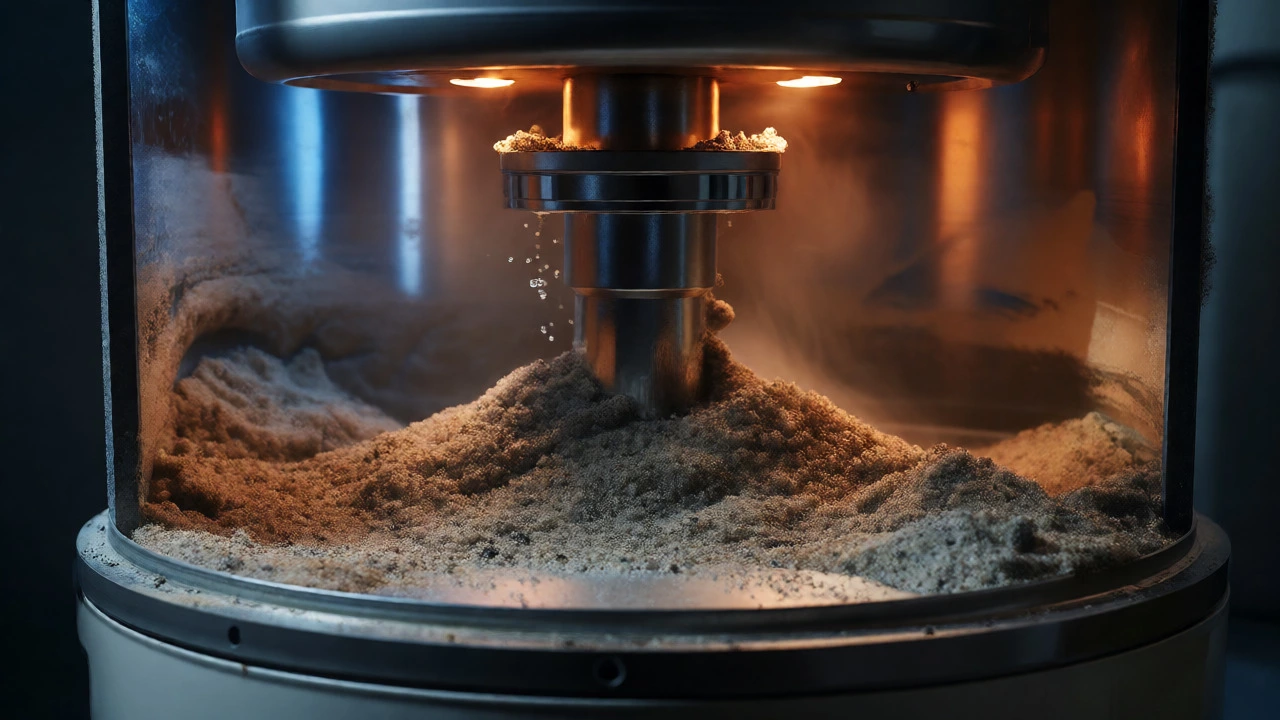
Think of your water heater as a giant kettle. Every time cold water enters the tank, it carries minerals like calcium and magnesium. When the heating element warms this water, those minerals don’t evaporate. They drop to the bottom, forming a layer of sand-like grit known as sediment. Over months and years, this layer thickens.
Why does this matter? Because the burner (in gas units) or the heating element (in electric units) sits right under this pile of rocks. The sediment acts as an insulator. It blocks heat from transferring efficiently into the water. The system senses the water isn’t hot enough, so it keeps firing. The burner works harder and hotter than designed. Eventually, the metal floor of the tank weakens from the excessive heat stress. Cracks form. Leaks start. The tank fails.
In electric heaters, the problem shifts slightly. The lower heating element gets buried in sediment. Instead of heating water, it heats rock. Rock doesn’t transfer heat well to the surrounding water, so the element runs dry and burns out. This is often the first repair people notice, but it’s actually a symptom of the larger sediment issue.
Corrosion and the Anode Rod
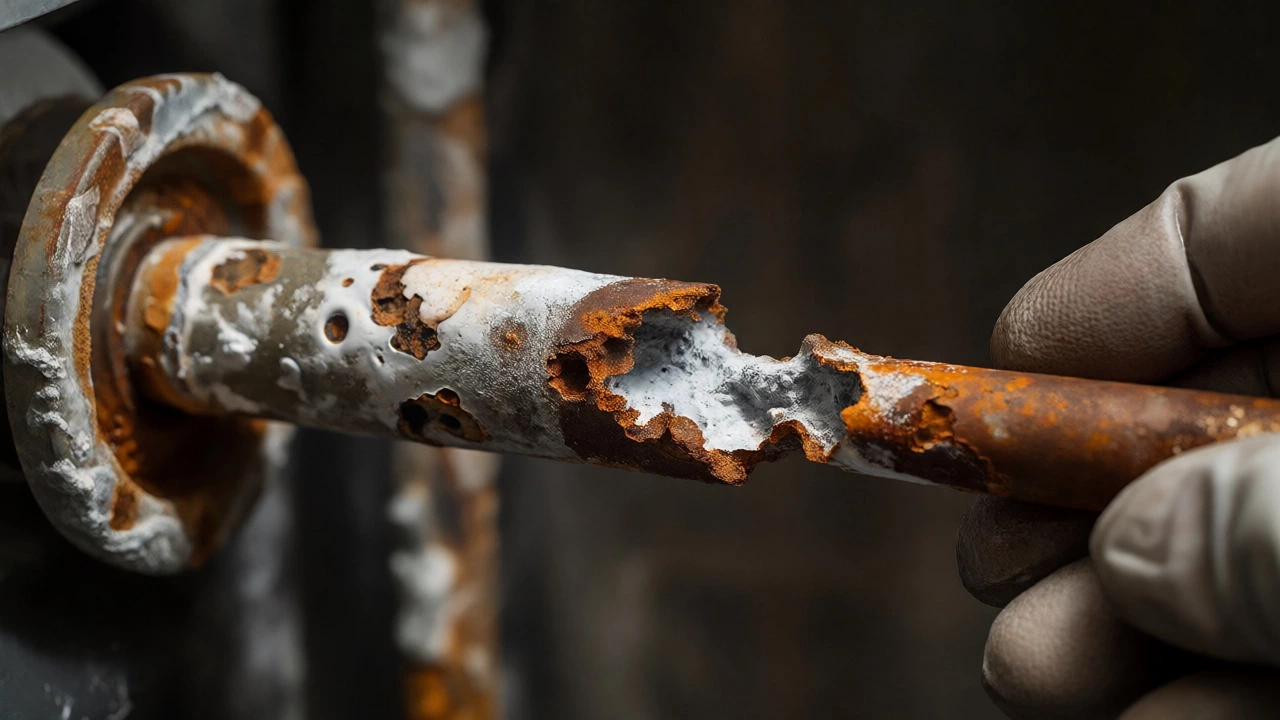
Sediment causes overheating, but corrosion causes leaks. These two work together. Inside every standard steel water heater tank lives a sacrificial component called the anode rod. Its job is simple: attract corrosive ions to itself instead of letting them attack the steel tank walls.
Once the anode rod corrodes away completely, the rust starts eating the tank. Here is where sediment makes things worse. Sediment traps moisture against the tank floor and creates uneven conditions that accelerate localized corrosion. A tank with heavy sediment and no active anode rod will fail much faster than one with clean water and a fresh rod.
Most manufacturers recommend replacing the anode rod every 3 to 5 years. Few homeowners do this. By year 8 or 10, the rod is gone, the sediment is inches deep, and the tank is leaking from the bottom. At this stage, repair is rarely worth it. Replacement is the only option.
Tankless Units: Different Failure Mode
If you have a tankless water heater, the rules change slightly. These units don’t store water, so they don’t develop sediment layers on a tank floor. However, they suffer from scale buildup on the heat exchanger coils.
Hard water minerals coat the internal coils, restricting flow and causing the unit to overheat. Most modern tankless systems have safety sensors that shut down the unit when temperatures get too high. But repeated overheating cycles degrade the electronic control boards and the heat exchanger material. The most common failure here isn’t a sudden leak, but a gradual loss of efficiency followed by error codes related to flow rate or temperature variance.
Regular descaling maintenance-flushing the system with vinegar or a specialized solution-is critical for tankless longevity. Skip it, and you’ll face expensive part replacements within five years.
How to Spot the Warning Signs
You don’t need to wait for a puddle on the basement floor to know trouble is brewing. Your water heater talks to you if you listen. Here are the concrete signals that sediment or corrosion is taking over:
- Popping or Rumbling Noises: This is steam bubbles trapped under sediment bursting through. It sounds like bacon frying or distant thunder. It means your heater is working overtime.
- Rusty Water: If your hot water comes out brown or orange, your anode rod is likely dead, and the tank interior is rusting.
- Inconsistent Temperature: Showers that go from scalding to lukewarm suggest the heating element is struggling against insulation from sediment.
- Faster Hot Water Depletion: If you run out of hot water quicker than usual, sediment is displacing water volume. The tank holds less actual water because it’s filled with rock.
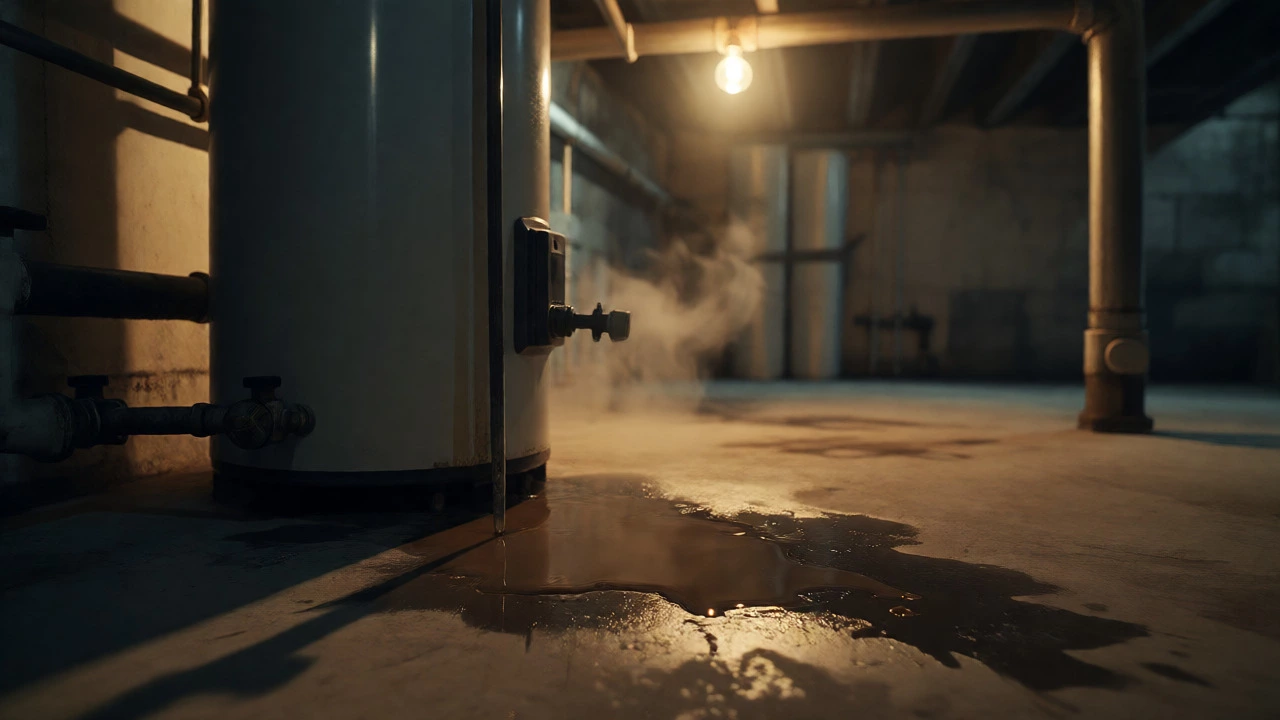
- Visible Moisture Around Base: Small drips near the drain valve or pressure relief valve can indicate tank wall weakness starting from the bottom.
Prevention Is Cheaper Than Replacement
Replacing a water heater costs between $800 and $2,500 depending on type and installation complexity. Preventative maintenance costs a fraction of that. So, how do you stop the most common cause of failure?
- Flush the Tank Annually: Drain a few gallons from the bottom valve to pull out loose sediment. Do this once a year. If you have very hard water, do it twice.
- Check the Anode Rod: Have a plumber inspect it during annual service. Replace it if more than 50% is consumed. It’s a cheap part ($20-$50) that saves a $1,000 tank.
- Install a Water Softener: If your local water hardness exceeds 7 grains per gallon, a softener removes the minerals before they enter your heater. This dramatically extends life.
- Lower the Temperature: Setting your thermostat to 120°F (49°C) reduces mineral precipitation rates. Less heat means less scale formation.
| Feature | Storage Tank Heaters | Tankless Heaters |
|---|---|---|
| Primary Failure Cause | Sediment-induced overheating and corrosion | Scale buildup on heat exchanger |
| Lifespan Impact | Reduces life by 3-5 years if ignored | Reduces life by 2-4 years if ignored |
| Maintenance Frequency | Annual flush + anode check | Bi-annual descaling flush |
| Cost of Neglect | Full tank replacement | Heat exchanger or control board replacement |
When to Repair vs. Replace
Not every failure requires a new unit. If your electric heater has a burnt-out element due to sediment, replacing the element and flushing the tank might buy you another 5 years. This is a cost-effective fix if the tank itself isn’t leaking.
However, if the tank is leaking from the body (not a valve), or if the unit is over 10 years old with significant sediment noise, replacement is smarter. Repairing an old, sediment-filled tank is like putting a new engine in a rusted-out car. It might run, but the chassis won’t hold up.
In Toronto, where winters demand reliable hot water, waiting for a complete failure is risky. Emergency replacements often incur higher labor costs and limited model availability. Proactive replacement based on age and maintenance history is almost always cheaper than emergency response.
Frequently Asked Questions
How long should a water heater last?
Standard storage tank water heaters typically last 8 to 12 years. Gas models often fail sooner (6-10 years) due to combustion heat stress, while electric models may reach 10-15 years. Tankless units can last 20+ years if properly maintained with regular descaling. Hard water significantly reduces these lifespans.
Can I flush my own water heater?
Yes, most homeowners can flush their own water heater. Turn off the power or gas supply, connect a garden hose to the drain valve, and open the valve to let sediment flow out until the water runs clear. Be careful-the water will be very hot. If the drain valve is old and brittle, consider hiring a professional to avoid breaking it.
Does a water softener really help?
Absolutely. In areas with hard water, a water softener removes calcium and magnesium ions that cause sediment and scale. Studies show softened water can extend water heater lifespan by up to 50%. It also improves soap efficiency and protects other appliances like dishwashers and washing machines.
Why is my water heater making popping noises?
Popping, rumbling, or banging noises are caused by water boiling under a layer of sediment at the bottom of the tank. Steam bubbles get trapped, build pressure, and then burst loudly. This indicates significant sediment buildup that needs immediate flushing to prevent damage to the tank floor.
Is it worth repairing a 12-year-old water heater?
Generally, no. At 12 years, most tanks are near the end of their useful life. Even if you fix a specific part like a valve or element, the tank itself is likely compromised by corrosion or sediment. Investing in repairs now often leads to a full replacement within 1-2 years anyway.