

What is the Most Common Cause of No Hot Water? A Practical Guide
 Aug, 30 2026
No Hot Water Troubleshooter
Select your water heater type and describe the issue to get immediate troubleshooting advice.
Recommended Actions:
You turn on the shower, brace for a warm rush, and get hit with a blast of freezing cold. It’s jarring, frustrating, and usually happens right when you’re already running late. Before you panic or call an emergency plumber at midnight, take a breath. In most cases, no hot water isn't a catastrophic system failure but a specific, fixable component issue. Whether you have a gas tank or an electric unit, identifying the root cause saves time and money.
The single most common reason for losing hot water depends entirely on your fuel source. For gas heaters, it’s almost always a failed ignition system. For electric heaters, it’s typically a tripped breaker or a burned-out heating element. Understanding which type you have is the first step to solving the problem quickly.
Gas Heaters: The Pilot Light and Thermocouple Issue
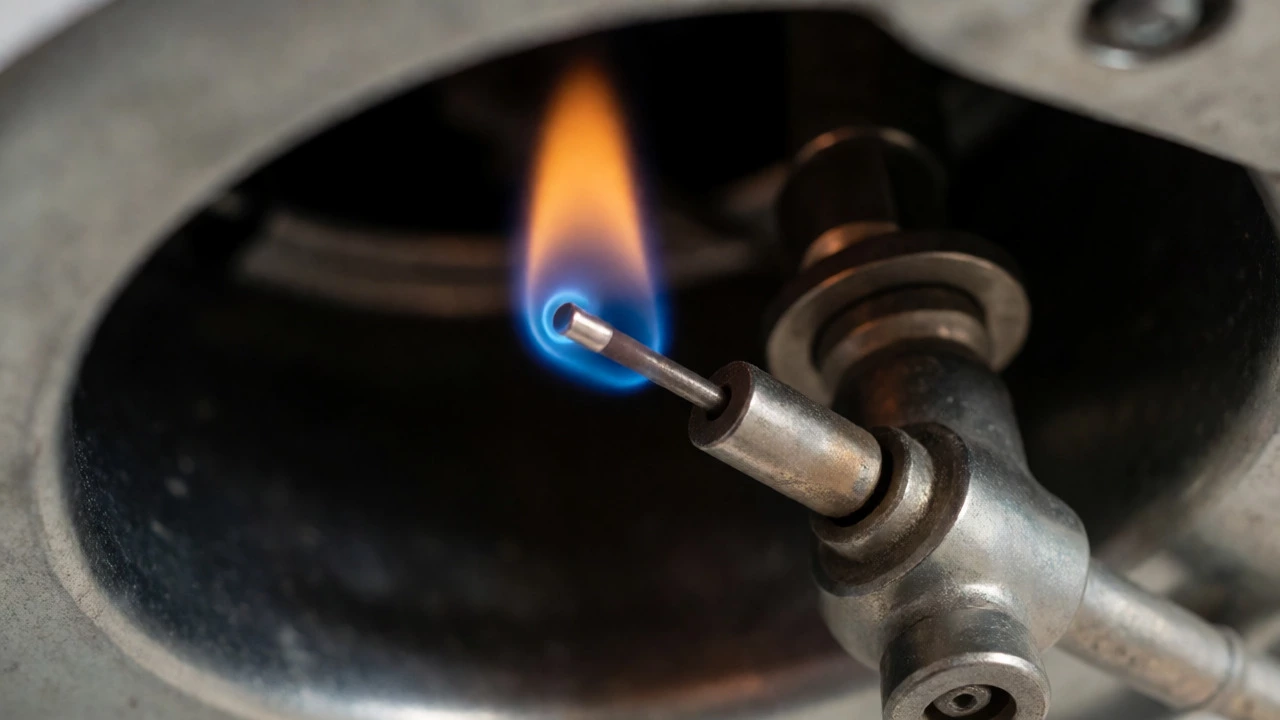
If you have a traditional gas water heater, the pilot light is the heart of the operation. It’s a small flame that stays lit 24/7 to ignite the main burner when you need hot water. If this flame goes out, you get no heat. Why does it go out? Often, it’s a draft from a window or a vent, or simply age-related wear.
But here’s the tricky part: if you relight the pilot and it goes out again within minutes, the culprit is likely the thermocouple. This safety device senses whether the pilot is actually burning. If it fails, it assumes the pilot is out and shuts off the gas supply to prevent leaks. Replacing a thermocouple is a cheap fix-often under $20 for the part-but requires careful handling of gas lines.
- Drafts: Check nearby windows, doors, or vents that might be blowing out the pilot.
- Clogged Pilot Orifice: Dust and debris can block the tiny hole where gas flows to the pilot. A quick clean with compressed air often solves this.
- Faulty Gas Valve: If the pilot won’t stay lit even after replacing the thermocouple, the control valve itself may be failing.
Electric Heaters: Breakers and Heating Elements
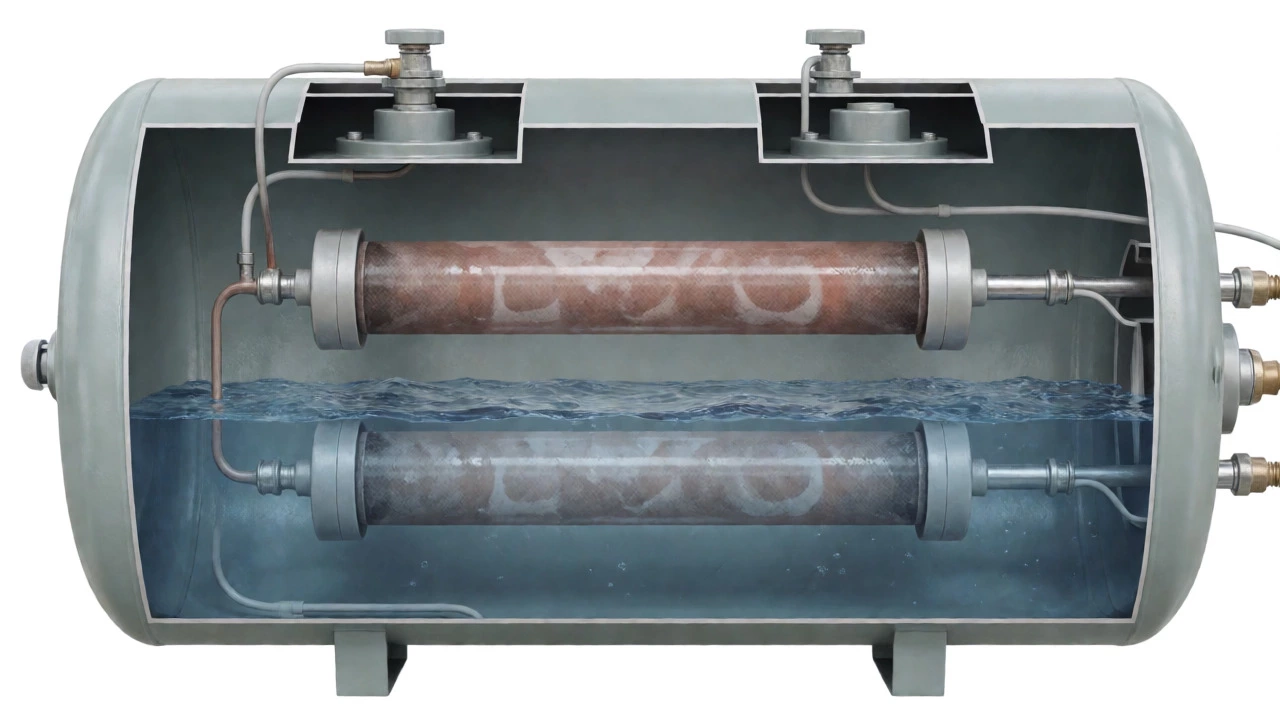
Electric water heaters don’t have flames, so they don’t have pilot lights. Instead, they use two heating elements submerged in the tank. One heats the top half of the water, and one heats the bottom. If you notice your hot water runs out faster than usual, it’s often because only one element is working. But if you have absolutely no hot water, both elements are inactive.
The first place to look is your electrical panel. Electric water heaters draw significant power, usually on a dedicated double-pole 240-volt circuit. If a surge occurs or the system overloads, the breaker trips. Go to your breaker box and look for a switch labeled "Water Heater" that is in the middle position (neither fully ON nor OFF). Flip it firmly to OFF, then back to ON. If it trips immediately again, do not keep resetting it; you likely have a shorted element or wiring fault.
| Heater Type | Most Common Cause | Secondary Cause | DIY Difficulty |
|---|---|---|---|
| Gas Tank | Pilot Light Out / Thermocouple Failure | Clogged Pilot Orifice | Moderate |
| Electric Tank | Tripped Circuit Breaker | Burnt Heating Element | Low to Moderate |
| Tankless (Gas) | Flow Sensor Debris | Igniter Failure | High |
| Tankless (Electric) | Overheating Safety Trip | Scale Buildup | High |
Thermostat Settings and Reset Buttons
Sometimes, the machine is fine, but the settings aren’t. Many people accidentally bump their thermostats during cleaning or maintenance. On electric units, the thermostats are hidden behind access panels on the side of the tank. Insulation covers them, making them easy to miss. If someone lowered the temperature setting below 120°F (49°C), the water might feel lukewarm rather than hot.
More critically, electric heaters have high-limit reset buttons. These act as safety switches that trip if the water gets too hot, preventing scalding or tank damage. If the upper thermostat trips, it cuts power to the lower element. You’ll see a red button on the thermostat assembly. Press it gently. If it clicks, the system has been reset. Note: If this button trips repeatedly, it indicates a deeper issue with the thermostat or element, not just a random glitch.
Sediment Buildup and Maintenance Neglect
In Toronto and many other areas, hard water is a reality. Over years, minerals like calcium and magnesium settle at the bottom of the tank, forming a thick layer of sediment. This layer acts as an insulator between the heating element and the water. The element works harder and longer to heat the water, eventually burning out prematurely.
For gas heaters, sediment can clog the drain valve or interfere with the burner’s efficiency. While sediment rarely causes a sudden total loss of hot water, it accelerates component failure. Flushing your tank once a year removes this buildup, extending the life of your elements and improving energy efficiency. If you haven’t flushed your tank in five years, expect reduced performance and higher risk of breakdowns.
Tankless Systems: Flow Sensors and Igniters
Tankless water heaters are efficient but finicky. They don’t store water; they heat it on demand. If you have no hot water from a tankless unit, check the flow sensor first. Debris in the water line can trigger the sensor incorrectly, causing the unit to shut down before heating starts. Cleaning the inlet filter screen often resolves this.
Another common issue is the igniter. Like the pilot light in older systems, the electronic igniter sparks to light the gas. If it fails, you’ll hear clicking sounds but see no flame. Modern units display error codes on their digital screens. Consult your manual to decode these errors-they tell you exactly which component failed, saving diagnostic guesswork.
When to Call a Professional
While many fixes are DIY-friendly, some situations require a licensed technician. If you smell gas at any point, leave the house immediately and call your utility provider. Never attempt to repair gas valves or complex electrical wiring inside the tank without proper tools and knowledge. Also, if your water heater is over 10-15 years old, repairing a major component might not be cost-effective compared to replacement.
Remember, safety comes first. Always turn off the power or gas supply before opening any panels. Use a multimeter to verify no electricity is flowing through wires before touching them. If you’re unsure, calling a professional ensures the job is done safely and correctly, preventing future headaches.
Why did my hot water suddenly stop while I was showering?
This is often due to a failed dip tube. The dip tube directs incoming cold water to the bottom of the tank. If it cracks or breaks, cold water mixes directly with the hot water at the top, causing a sudden drop in temperature. Another possibility is a tripped high-limit thermostat on an electric unit.
Can I replace a water heater heating element myself?
Yes, if you are comfortable working with basic plumbing and electrical components. You must drain the tank partially, disconnect power, remove the access panel, and unscrew the old element using a special socket wrench. Ensure the new element matches the voltage and wattage specifications of the original.
How long should a water heater last?
Traditional tank water heaters typically last 8 to 12 years. Tankless models can last up to 20 years with proper maintenance. Factors like water quality, usage patterns, and regular flushing significantly impact lifespan.
Is it safe to keep resetting a tripped breaker?
No. If a breaker trips immediately after being reset, there is a short circuit or ground fault. Continuously resetting it can damage the breaker or create a fire hazard. Stop resetting and investigate the heating element or wiring.
What does a hissing sound mean in a gas water heater?
A hissing sound often indicates a gas leak or a pressure relief valve releasing steam. If it’s a continuous hiss near the burner, it could be a minor gas leak. If it’s intermittent and near the T&P valve, it might be normal thermal expansion, but frequent releases suggest a faulty valve.