

What is Considered Old for a Washing Machine? Lifespan & Repair Guide
 Aug, 17 2026
Washer Repair vs. Replace Calculator
Use this tool to evaluate if it's financially smarter to fix your current washer or buy a new one. Enter your machine's details below.
The 50% Rule Analysis
Repair Cost:
$0
Calculated Value:
$0
(Remaining Life / Total Life) x New PriceDifference:
$0
Interpretation:
...
Most people assume their washing machine is a durable household appliance designed to last a decade or more until it suddenly breaks down. But how do you know if your unit is just having a bad day or if it’s officially "old" and beyond saving? The answer isn't just about the number on the calendar; it’s about the relationship between the machine's age, its reliability, and the economics of fixing it.
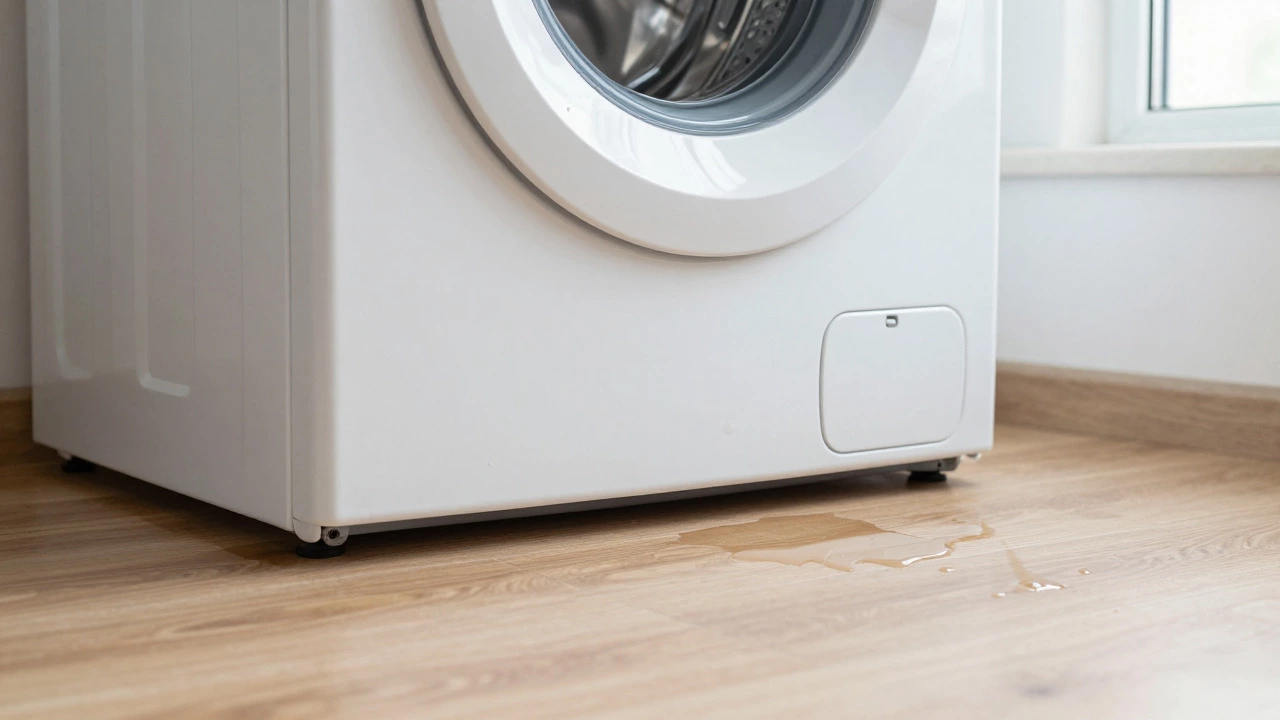
If you’re staring at a puddle of water under your laundry room floor, this guide will help you decide whether to call a technician or start shopping for a new model. We’ll look at the hard data on lifespan, the specific signs that signal the end of the line, and the financial math that usually tips the scale toward replacement.
The Standard Lifespan: What the Data Says
To define "old," we first need a baseline. According to the U.S. Consumer Product Safety Commission (CPSC), the average life expectancy of a major home appliance like a washer is approximately 10 years. However, this number varies significantly based on the type of machine you own.
- Top-Load Washers: These generally last 10 to 15 years. Their simpler mechanical design often means fewer points of failure compared to complex electronics.
- Front-Load Washers: These typically last 8 to 12 years. While they are more energy-efficient, they rely heavily on electronic controls and specialized seals that can degrade over time.
- Commercial Units: Built for heavy duty, these can last 15 to 20+ years, but they are not comparable to residential models.
So, if your machine is 11 years old, is it old? Statistically, it’s hitting its prime retirement age. If it’s 15 years old, it’s considered veteran status. At this point, every part is wearing out simultaneously. You aren't just dealing with one issue; you're dealing with a system where the motor, pump, and control board are all nearing the end of their functional lives.
Signs Your Washer Is Truly "Old" (Not Just Broken)
A broken door latch doesn't mean the machine is old. It means the latch is broken. True aging shows up in systemic failures. Here is how to distinguish a temporary glitch from an aging machine that needs to go.
- Frequent Repairs Within 12 Months: If you’ve had to call a technician twice in the last year, the odds are against you. Each repair stresses the remaining components. A second visit within a short window is a strong indicator that the core machinery is failing.
- Noisy Operation: A healthy washer should be relatively quiet during the spin cycle. Grinding, screeching, or banging noises usually indicate worn bearings or a failing drum suspension. Replacing a bearing set is expensive because it requires disassembling the entire tub.
- Leaking Water: Small drips from the door seal (front-load) or lid gasket (top-load) are common. But if water is pooling *under* the machine, it could be a cracked tub or a failed pump seal. Tub cracks are catastrophic and unreparable.
- Electrical Gremlins: Error codes that appear randomly, buttons that stop working, or the machine resetting itself suggest a failing main control board. In older machines, finding replacement boards can be difficult or impossible as manufacturers stop producing parts for models older than 7-10 years.
The 50% Rule: When to Repair vs. Replace
This is the most practical tool for deciding if your washer is too old. It’s a simple financial heuristic used by many repair technicians.
| Factor | Description | Example Value |
|---|---|---|
| Cost of New Machine | Price of a comparable new washer | $800|
| Estimated Remaining Life | How long the current machine might last after repair | 3 years|
| Repair Cost | Parts + Labor for the current issue | $400|
| Calculation | (Remaining Life / Total Expected Life) x New Price | (3 / 10) x $800 = $240|
| Decision | If Repair Cost > Calculated Value, Replace | $400 > $240, so Replace
In the example above, spending $400 to fix a machine that only has 3 years left of useful life is poor value. You’d be paying more than half the price of a new machine for a fraction of its potential lifespan. Conversely, if the repair was only $150, it would likely be worth it, even for an older unit.
Age-Specific Vulnerabilities
Different ages bring different risks. Understanding where your machine sits on the timeline helps predict what might fail next.
Years 1-3: The Warranty Period
Failures here are usually manufacturing defects. They are covered by warranty. If something breaks now, don’t pay out of pocket. This is not "old" behavior; it’s infant mortality in appliance terms.
Years 4-7: The Stable Phase
This is the sweet spot. Most components have settled in. Failures are rare and usually isolated (e.g., a clogged drain hose or a worn belt). Repairs are cheap and easy. Your machine is young enough that parts are still widely available.
Years 8-12: The Decline Phase
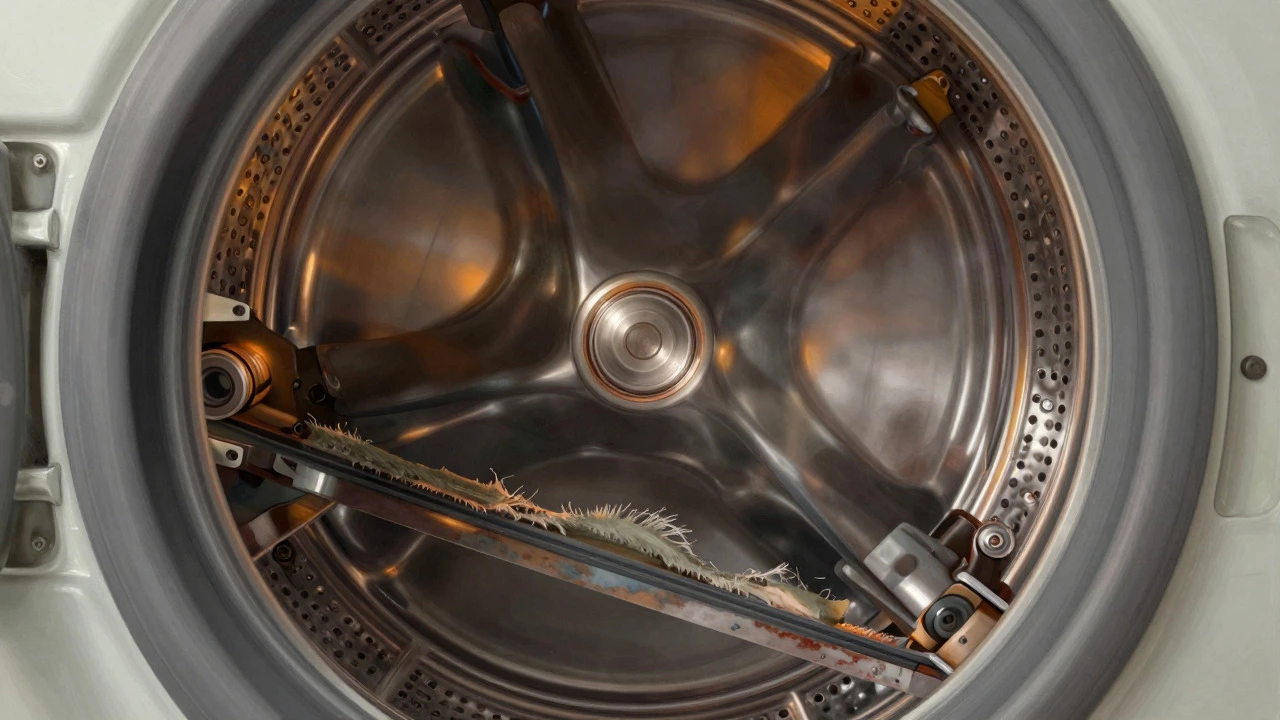
This is where "old" starts to kick in. Rubber seals dry out and crack. Capacitors in the control board lose charge. Bearings begin to wear. You may notice the machine takes longer to heat water or uses more electricity. This is the critical decision zone. One major repair here can trigger a cascade of others.
Year 13+: The Endgame
At this stage, the machine is statistically overdue. Parts availability becomes a real issue. Many manufacturers stop stocking specific motors or pumps for models this old. Even if you find a part, the labor cost to install it in a rusted or corroded chassis increases. Unless the repair is trivial (like replacing a lid switch), replacement is almost always the smarter move.
Hidden Costs of Keeping an Old Washer
It’s not just about the repair bill. Older machines carry hidden operational costs that add up over time.
- Efficiency Drop: A 15-year-old washer uses significantly more water and electricity than a modern Energy Star certified model. Modern front-loaders use about 13 gallons per load, while older top-loaders can use 30+ gallons. Over a year, this difference can add hundreds of dollars to your utility bills.
- Maintenance Burden: Older machines require more frequent cleaning to prevent mold and mildew buildup, especially in the detergent drawer and rubber seals. This consumes time and cleaning products.
- Resale Value: An old washer has zero resale value. In fact, hauling it away for disposal costs money. A new machine, while depreciating, at least has a known market value if you sell it used later.
When to Keep an Old Machine
Despite the stats, there are scenarios where keeping an older washer makes sense.
- High-End Models: If you own a premium brand (like Miele or Bosch) that offers extended warranties or has a reputation for longevity, the threshold for replacement is higher. These machines often last 15-20 years with proper care.
- Low Usage: If you only wash clothes once a week, the wear-and-tear is slower. A 12-year-old machine used lightly may have the same mechanical condition as an 8-year-old machine used daily.
- Budget Constraints: If buying a new machine is financially prohibitive right now, a minor repair ($100-$150) can extend the life of an older unit by several months or years. It’s a bridge strategy, not a long-term solution.
Extending the Life of Your Current Washer
If you decide to keep your machine, you can slow down the aging process with simple maintenance habits.
- Clean the Drain Pump Filter: Do this every 6 months. Lint and debris clog the pump, forcing the motor to work harder and overheat.
- Run an Empty Hot Cycle: Once a month, run a hot water cycle with no clothes, adding a cup of vinegar or a dedicated washer cleaner. This dissolves mineral deposits and kills mold in the drum.
- Check Hoses Annually: Inspect the water inlet hoses for bulging or cracking. Replace them every 5 years proactively. Burst hoses are one of the most common causes of water damage claims.
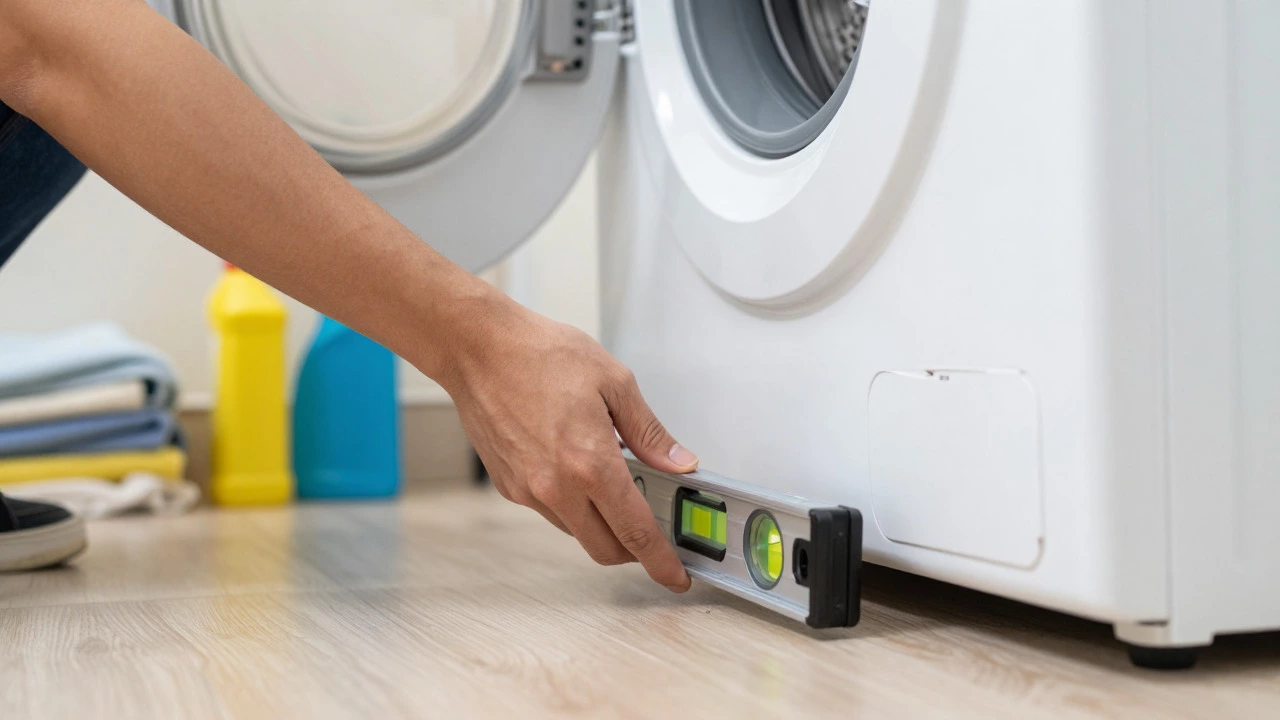
- Level the Machine: An unlevel washer vibrates excessively, stressing the suspension springs and drum bearings. Use a level tool to ensure all four feet are firmly on the floor.
FAQ
Is a 10-year-old washing machine considered old?
Yes, 10 years is the average expected lifespan. At this age, the machine is entering its decline phase. While it may still function well, any significant repair should be evaluated carefully against the cost of a new unit.
Which lasts longer: top-load or front-load washers?
Generally, top-load washers last longer (10-15 years) because they have fewer electronic components and simpler mechanical structures. Front-loaders are more efficient but rely on complex electronics and seals that can fail earlier.
How much does it cost to replace a washing machine motor?
Motor replacement is one of the most expensive repairs, typically ranging from $300 to $600 including parts and labor. Because of this high cost, it is often a sign that the machine is near the end of its life.
Can I extend the life of my washing machine by using less detergent?
Yes. Excess detergent creates suds that trap dirt and moisture, leading to mold growth and residue buildup. Using the recommended amount (or slightly less) keeps the drum cleaner and reduces strain on the pump.
What is the most common reason for washing machine failure?
The most common failures involve the drainage system (clogged pump or hose) and the control board. In older machines, bearing wear is also a frequent cause of noise and eventual breakdown.