

What Is Considered an Appliance? A Complete Guide for Homeowners
 Jun, 20 2026
Appliance Classifier Tool
Select the characteristics of your device to find out how it is classified.

Helps determine who to call for repairs.
Walk into any kitchen or laundry room, and you are surrounded by machines that make life easier. But when your washing machine stops spinning or your oven won’t heat up, the first question is usually: "Is this actually an appliance?" The answer matters more than you might think. It determines whether you call a plumber, an electrician, or a specialized appliance repair technician. It also affects insurance claims, warranty coverage, and resale value of your home.
The line between a simple gadget and a full-blown appliance isn't always clear. A toaster seems obvious, but what about a smart fridge with a touchscreen? Or a built-in microwave drawer? Understanding these definitions helps you maintain your home better and avoid costly mistakes during repairs. If you ever find yourself needing to browse local service directories for niche needs while managing home maintenance, you can check out this resource for unrelated local listings, though for home issues, sticking to certified technicians is key.
The Core Definition of an Appliance
At its simplest, an appliance is a device designed to perform a specific household task using electricity, gas, or water. Unlike tools you hold in your hand, like a hammer or a drill, appliances are typically stationary or semi-stationary units that automate chores. They reduce physical labor and save time. Think about the difference between hand-washing dishes and running a dishwasher. The dishwasher is an appliance because it automates a complex process involving water temperature, pressure, and detergent distribution.
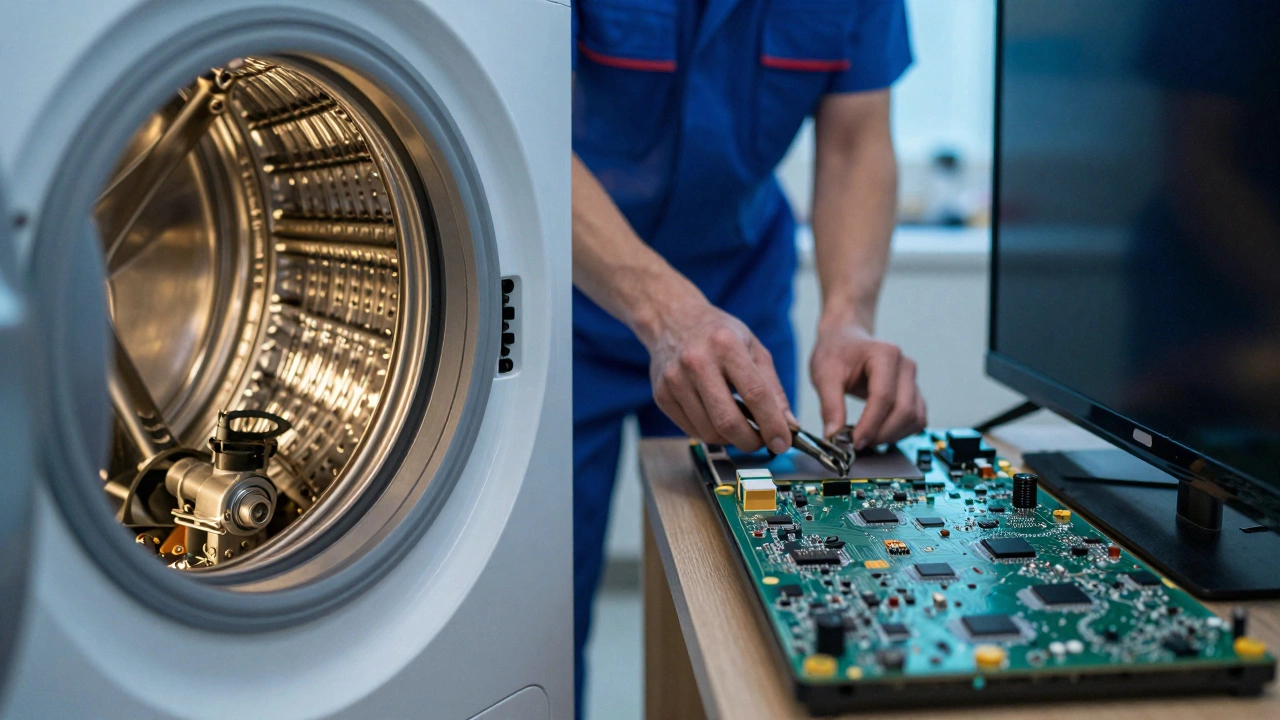
This definition excludes most electronics. Your television, smartphone, or laptop are not appliances. They are consumer electronics. Why the distinction? Appliances interact with your home’s infrastructure-plumbing, gas lines, and high-amperage electrical circuits. Electronics usually just plug into a standard outlet and don’t require venting, drainage, or gas connections. This structural difference is why you hire different professionals to fix them. A TV repair tech deals with circuit boards; an appliance repair tech deals with motors, heating elements, and water pumps.
Major vs. Minor Appliances: What’s the Difference?
The term "appliance" covers everything from a $10 LED bulb socket to a $5,000 steam oven. To make sense of this, experts split them into two main groups: major (large) appliances and minor (small) appliances. Knowing which bucket your device falls into helps you decide how to care for it and who to call when it breaks.
Major Appliances are large, often expensive units that are sometimes built into your home. They handle heavy-duty tasks. These include refrigerators, freezers, dishwashers, washing machines, dryers, ovens, ranges, and HVAC systems. Because they connect to permanent utilities, installing or repairing them often requires permits or licensed tradespeople. For example, moving a gas range involves handling gas lines, which is dangerous if done incorrectly.
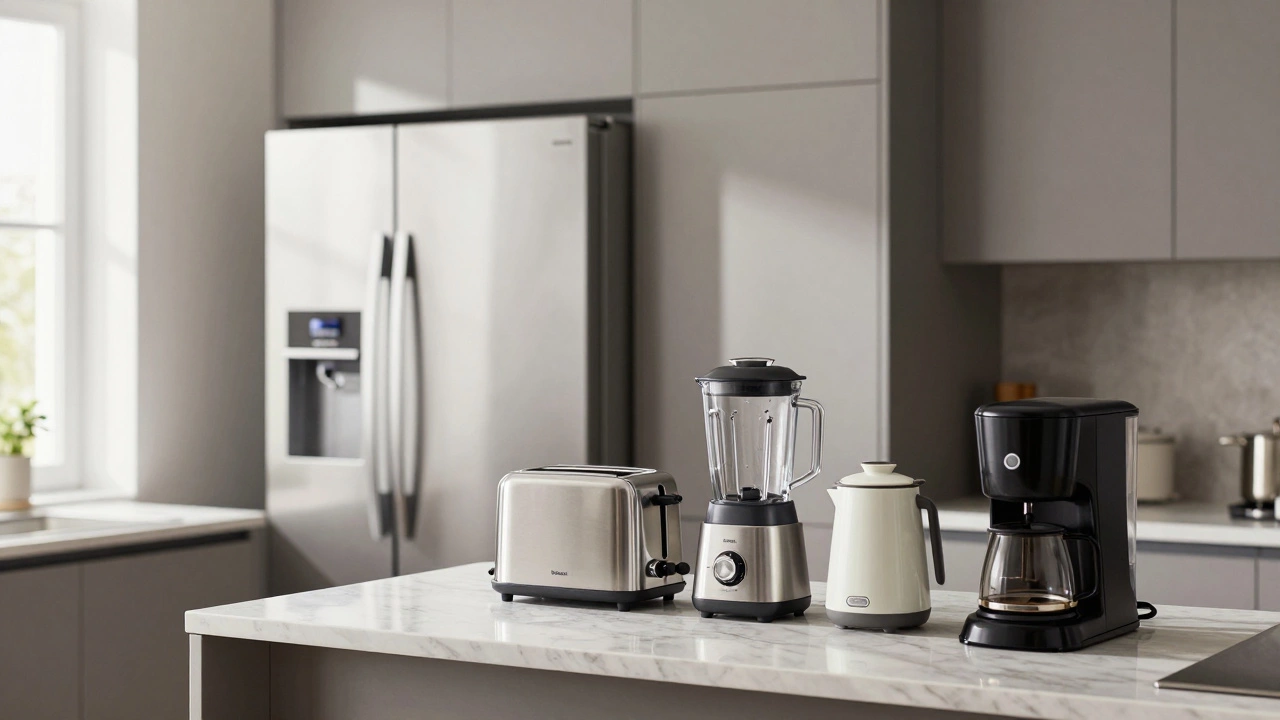
Minor Appliances are smaller, portable devices that plug into standard outlets. They include toasters, blenders, coffee makers, microwaves, irons, and vacuum cleaners. You can easily move them from counter to counter or store them in a cupboard. When these break, you often replace them rather than repair them, simply because the cost of parts and labor exceeds the price of a new unit.
| Feature | Major Appliances | Minor Appliances |
|---|---|---|
| Size & Portability | Large, often fixed/built-in | Small, fully portable |
| Power Source | High voltage, gas, or water connection | Standard 110V/220V outlet |
| Lifespan | 10-20 years | 3-7 years |
| Repair Cost | Often worth repairing | Often cheaper to replace |
| Installation | May require professional help | Plug-and-play |
Gray Areas: Built-Ins and Smart Devices
Modern homes blur the lines between categories. What about a built-in coffee system in your kitchen island? Or a robot vacuum that maps your floor? These "gray area" devices challenge the traditional definition. Generally, if a device is hardwired into your cabinetry or requires dedicated plumbing, it leans toward being a major appliance. If it sits on top of a counter but looks custom-fitted, it’s still technically a minor appliance, even if it costs as much as a fridge.
Smart technology adds another layer. A smart thermostat controls your HVAC system. Is the thermostat an appliance? No, it’s a control interface. The HVAC system is the appliance. Similarly, a smart fridge has an app, but its core function-cooling food-makes it an appliance. The connectivity doesn’t change its classification; it just adds features. When troubleshooting, remember that software glitches in smart appliances often mimic hardware failures. Restarting the Wi-Fi module might solve a "broken" ice maker before you call a technician.
Why Classification Matters for Repairs
Understanding whether something is an appliance directly impacts your repair strategy. Major appliances have complex internal components: compressors, igniters, drum bearings, and control boards. These parts wear out over time. Because these machines are expensive, repairing them extends their lifespan and saves money compared to replacement. However, DIY fixes on major appliances can be risky. Gas leaks from a faulty oven burner or electrical shorts in a dryer vent can cause fires.
For minor appliances, the economics rarely favor repair. If your blender motor burns out, the replacement part might cost $40, plus shipping. A new blender is $50. It makes no financial sense to repair it. Instead, focus on preventive care: clean filters, descale coffee makers, and keep vents clear. This extends the life of both major and minor devices without needing professional intervention.
Common Misconceptions About Appliances
Many homeowners assume all kitchen gadgets are appliances. A knife set is not an appliance. A cutting board is not an appliance. These are tools. An appliance must have a power source or mechanical automation. Another common mistake is confusing fixtures with appliances. A sink is a fixture. A garbage disposal under the sink is an appliance because it uses electricity to grind waste. Knowing this difference helps when filing insurance claims. Damage to fixtures might be covered under home insurance, while damage to appliances might fall under homeowner’s warranty or manufacturer coverage.
Also, don’t confuse "white goods" with all appliances. White goods refer specifically to laundry and kitchen appliances (fridges, washers, dryers). Black goods are entertainment electronics (TVs, stereos). Brown goods are computing devices. While colloquial, these terms help retailers categorize inventory. If you’re looking for a repair specialist, specify "white goods" or "major appliances" to ensure you get someone trained in mechanical and electrical systems, not just software or screen replacements.
Maintenance Tips Based on Appliance Type
To keep your appliances running smoothly, tailor your maintenance routine to their type. Major appliances need annual checkups. Clean the coils on your refrigerator condenser every six months. Check dryer vents for lint buildup monthly to prevent fires. Descale your dishwasher’s spray arms quarterly. These small tasks prevent big breakdowns.
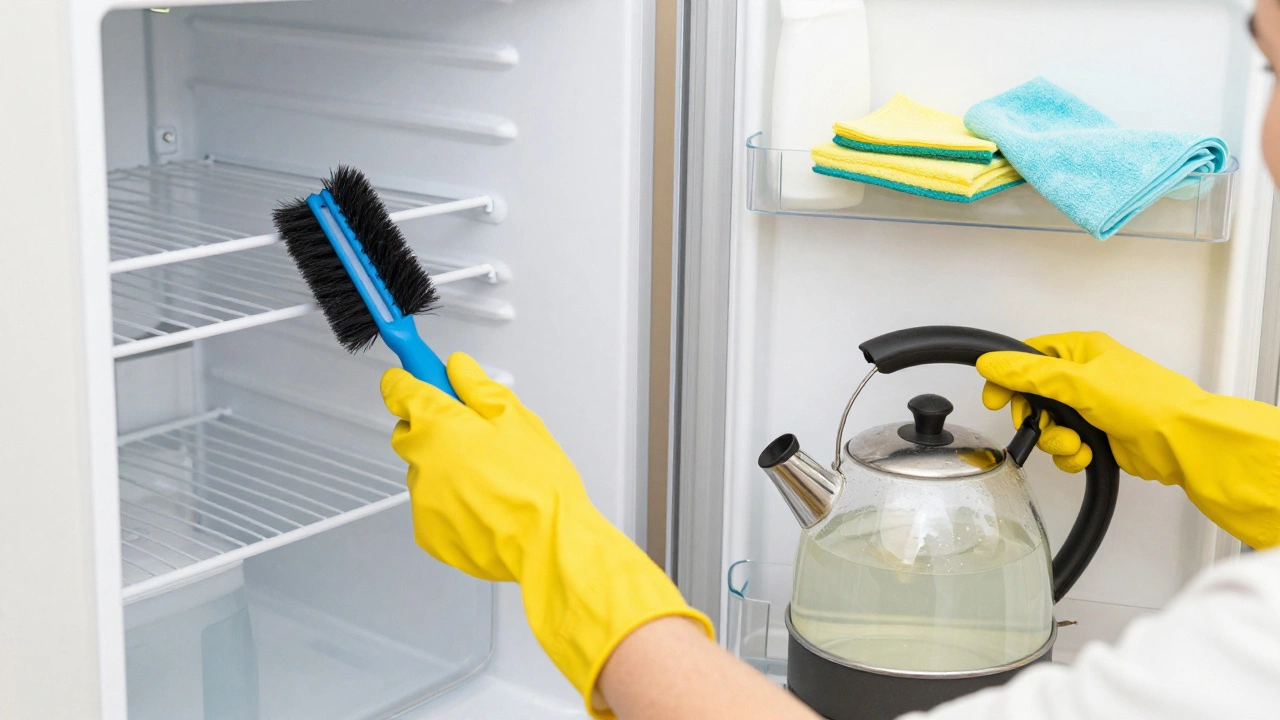
For minor appliances, cleanliness is key. Food residue builds up quickly in toasters and blenders. Use vinegar solutions to descale kettles and coffee makers. Avoid submerging corded appliances in water unless they are explicitly waterproof. Most minor appliances are not designed for immersion cleaning. Wipe exteriors with damp cloths and use brushes for crevices. Proper storage also matters. Keep cords untangled and store delicate items like air fryer baskets separately to avoid scratches.
Is a computer considered an appliance?
No, a computer is classified as consumer electronics or IT equipment. It does not perform household chores like cleaning, cooking, or cooling. It processes data. While it plugs into an outlet, it lacks the mechanical components and utility connections (water/gas) that define appliances.
What is the difference between an appliance and a tool?
A tool is manually operated, like a screwdriver or a whisk. An appliance is automated and powered by electricity, gas, or water. For example, a hand mixer is a tool (if manual) or a minor appliance (if electric). A stand mixer is definitely a minor appliance due to its motorized base and higher power requirements.
Do I need a license to repair major appliances?
In many regions, yes. Repairing gas appliances requires a gas fitter’s license. Electrical work on major appliances may require an electrician’s license. Always check local regulations. Attempting unauthorized repairs can void warranties and violate safety codes, potentially leading to fines or insurance denial.
Are built-in microwaves considered major appliances?
Technically, they are often categorized as major appliances due to their installation method and higher price point, even though they function similarly to countertop models. Their integration into cabinetry means removal and installation require carpentry skills, aligning them with other built-in kitchen units like ovens.
How long should a major appliance last?
Refrigerators typically last 10-15 years. Dishwashers and washing machines last 9-12 years. Dryers can go 10-13 years. Ovens and cooktops may last 15+ years. Lifespan depends on usage frequency, maintenance, and build quality. Regular cleaning and timely filter changes significantly extend these periods.