

What is an Appliance Job? A Complete Guide for Homeowners
 Aug, 20 2026
Appliance Repair Cost Estimator
Breakdown
Fill in the details and click Calculate to see the breakdown.
Have you ever called a technician and been told you need to book an "appliance job" but had no idea what that actually entails? It’s a common source of confusion. Does it mean a full replacement? A quick fix? Or just a diagnostic check? Understanding the term helps you avoid surprise fees and sets realistic expectations for your home maintenance.
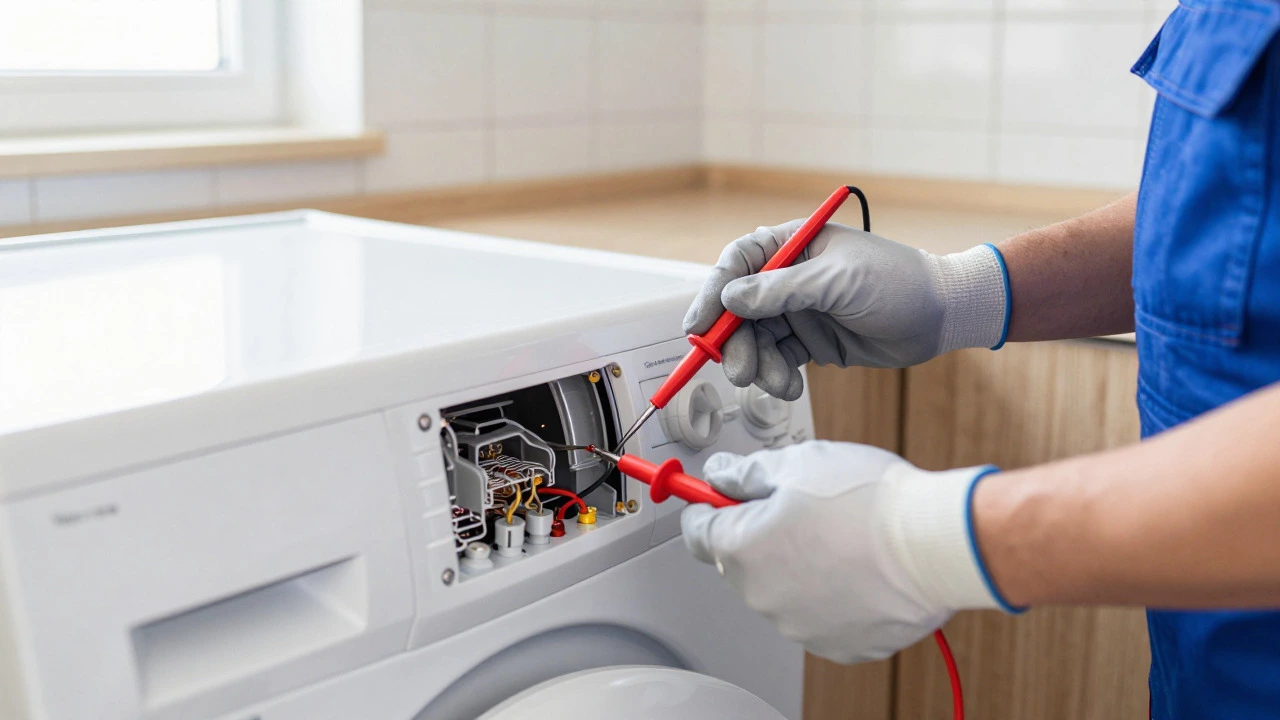
An appliance job is a scheduled service visit by a qualified technician to inspect, diagnose, repair, or maintain a household appliance. While often used interchangeably with "repair," the term is broader. It covers everything from swapping a worn-out gasket on a washing machine to replacing a faulty control board in a refrigerator. The scope depends entirely on what the technician finds during their initial assessment.
The Scope of a Standard Appliance Service Call
Not all appliance jobs are created equal. When you book one, you are typically signing up for a specific tier of service. Knowing the difference between these tiers saves money and time.
- Diagnostic Visit: This is the entry-level job. The technician comes out, tests the unit, and identifies the problem. If you don’t proceed with the repair, you pay only for this labor. In many regions, if you accept the repair quote on the spot, the diagnostic fee is waived or credited toward the total cost.
- Standard Repair: This involves fixing a specific component. For example, replacing a door seal on a fridge or clearing a clogged drain pump in a dishwasher. These jobs usually take 1-2 hours.
- Major Overhaul: Complex issues like compressor failures in air conditioning units or mainboard replacements in ovens. These require more parts, specialized tools, and often longer downtime for the appliance.
- Maintenance Checkup: Preventative care. Cleaning coils, checking gas lines for leaks, or descaling kettles. This extends the life of the device and improves efficiency.
Most homeowners confuse a diagnostic visit with a full repair. If your toaster stops working, you likely don’t need a $200 diagnostic fee; you need a $50 part replacement. But if your central heating system makes a grinding noise, a thorough diagnostic is essential before any heavy lifting begins.
Common Types of Appliance Jobs by Category
Different appliances have different failure patterns. Here is how typical jobs break down across major categories in a modern home.
| Appliance Type | Typical Fault | Average Job Duration | Complexity Level |
|---|---|---|---|
| Washing Machine | Clogged Drain Pump | 1 - 1.5 Hours | Low |
| Refrigerator | Compressor Failure | 3 - 4 Hours | High |
| Dishwasher | Heating Element Replacement | 1 Hour | Medium |
| Oven | Igniter Malfunction | 1 - 2 Hours | Medium |
| Water Heater | Anode Rod Replacement | 2 Hours | Medium |
Notice the variation in complexity. A clogged drain pump is a straightforward mechanical task. However, a compressor failure in a Refrigerator involves refrigerant handling, which requires certified technicians and specific safety protocols. This distinction matters because it affects both the price and the availability of parts.

How Much Does an Appliance Job Cost?
Cost is the biggest concern for most people. Prices vary based on location, brand, and the urgency of the repair. In cities like Toronto, labor rates tend to be higher than in rural areas due to demand and living costs.
Here is a general breakdown of what you might expect to pay in 2026:
- Labor Rate: Typically ranges from $75 to $120 per hour. Some companies charge a flat rate for standard jobs instead of hourly billing.
- Call-Out Fee: A fixed fee to get the technician to your door, usually between $50 and $80. This is often deducted if you proceed with the repair.
- Parts Costs: Varies wildly. A simple fuse might cost $10, while a new control board can exceed $300.
- Emergency Premiums: Weekend or after-hours calls can add a 20-50% surcharge.
A good rule of thumb: if the repair cost exceeds 50% of the price of a new appliance, it might be smarter to replace the unit. This is especially true for older models (over 8-10 years old) where future failures are likely.
DIY vs. Professional: When to Call a Pro
You don’t need a technician for every minor issue. Some appliance jobs are perfectly safe for DIY enthusiasts, while others are dangerous without proper training.
Safe for DIY: * Replacing a door gasket on a washer or dryer. * Cleaning a dishwasher filter. * Swapping out a light bulb in a fridge. * Descaling a kettle or coffee maker.
Requires a Pro: * Any work involving gas lines (stoves, boilers, water heaters). * Compressor repairs on fridges or AC units. * Main electrical board replacements. * Anything behind the front panel of a high-voltage oven.
Gas appliances, in particular, carry risks of leaks and carbon monoxide exposure. Always hire a certified professional for Gas Appliance Repair. Electrical faults can also cause fires if not handled with the correct fuses and wiring standards.

Preparing Your Home for a Service Visit
Efficiency starts before the technician arrives. A well-prepared home ensures the job goes smoothly and quickly.
- Clear Access: Move furniture away from the appliance. Ensure there is at least 3 feet of clearance around the unit so the tech can access back panels and connections.
- Turn Off Utilities: Unless instructed otherwise, turn off the power breaker for the appliance and close the water valve. This prevents accidents and allows the tech to work safely.
- Write Down Symptoms: Note exactly when the problem started, any unusual noises, error codes displayed, and recent changes in usage. This speeds up diagnosis significantly.
- Keep Pets Secure: Small animals can hide under appliances or interfere with tools. Keep them in another room during the job.
- Be Available: You may need to answer questions about usage habits or approve quotes on the spot. Having someone present avoids scheduling conflicts.
Skipping these steps can add 30-60 minutes to the job, which directly impacts your bill if you’re paying by the hour.
Frequently Asked Questions
Is an appliance job the same as a repair?
Not always. An appliance job is the broader term for any scheduled service visit. It includes diagnostics, maintenance, and repairs. A repair is a specific type of appliance job where a broken component is fixed or replaced.
Do I have to pay if the repair isn't done?
Usually, yes. You will pay for the diagnostic labor and travel time. However, many companies waive the diagnostic fee if you accept the repair quote immediately. Always ask about this policy before booking.
How long does a typical appliance job take?
Simple fixes like replacing a hose or cleaning a filter take under an hour. Complex jobs like compressor replacements or circuit board swaps can take 3-4 hours. The technician should give you an estimate after the initial diagnosis.
Should I buy extended warranties for my appliances?
It depends on the appliance. High-cost items like refrigerators or built-in ovens may benefit from extended coverage. Cheaper items like toasters or blenders usually fail within the standard warranty period anyway. Read the terms carefully, as exclusions for wear-and-tear are common.
What should I do if the appliance breaks again after a repair?
Check your receipt for a warranty on the repair. Most reputable companies offer a 90-day to 1-year guarantee on parts and labor. If the same fault returns within this period, the second job should be free. If it’s a different issue, you’ll pay standard rates.