

What Is an Appliance Considered? Definition, Types & Repair Tips
 Jul, 6 2026
Appliance Repair vs. Replace Calculator
The 50% Rule Analysis
- Repair Ratio:
- Status:
Lifespan Analysis
- Expected Lifespan:
- Remaining Life:
- Status:
You walk into a store or browse online, and you see everything from a massive refrigerator to a tiny electric toothbrush labeled as an "appliance." It’s confusing. Is your toaster really in the same family as your central heating system? The short answer is yes, but they play very different roles in your home. Understanding what counts as an appliance helps you maintain them better, fix them faster, and save money on unnecessary replacements.
In the world of appliance service, definitions matter. A technician treats a broken washing machine differently than a faulty coffee maker. Knowing the difference between major and minor units can dictate whether you call a pro or grab a screwdriver. Let’s break down exactly what falls under this umbrella term and why it matters for your wallet and your daily routine.
The Core Definition: What Makes an Appliance an Appliance?
At its simplest level, an appliance is any device that performs a specific household task using electricity or gas. These machines are designed to make life easier by automating chores that used to take hours of manual labor. Think about washing clothes, cooling food, or heating water. Before these devices existed, you were doing all of that by hand. Now, you press a button.
Household Appliance is a machine or device, typically powered by electricity or gas, used to perform a specific domestic function such as cleaning, cooking, or climate control. These devices range from large, fixed installations to small, portable gadgets found in kitchens and bathrooms.
The key characteristic here is utility. If it doesn’t help you manage a household task, it’s probably electronics or furniture, not an appliance. Your TV is entertainment; your fridge is preservation. That distinction is crucial when you’re looking at warranties, insurance policies, or repair costs. Most homeowner’s insurance covers damage caused by appliances (like a burst pipe from a dishwasher) but rarely covers the cost of repairing the appliance itself unless you have specific coverage.
Major Appliances: The Big Boys
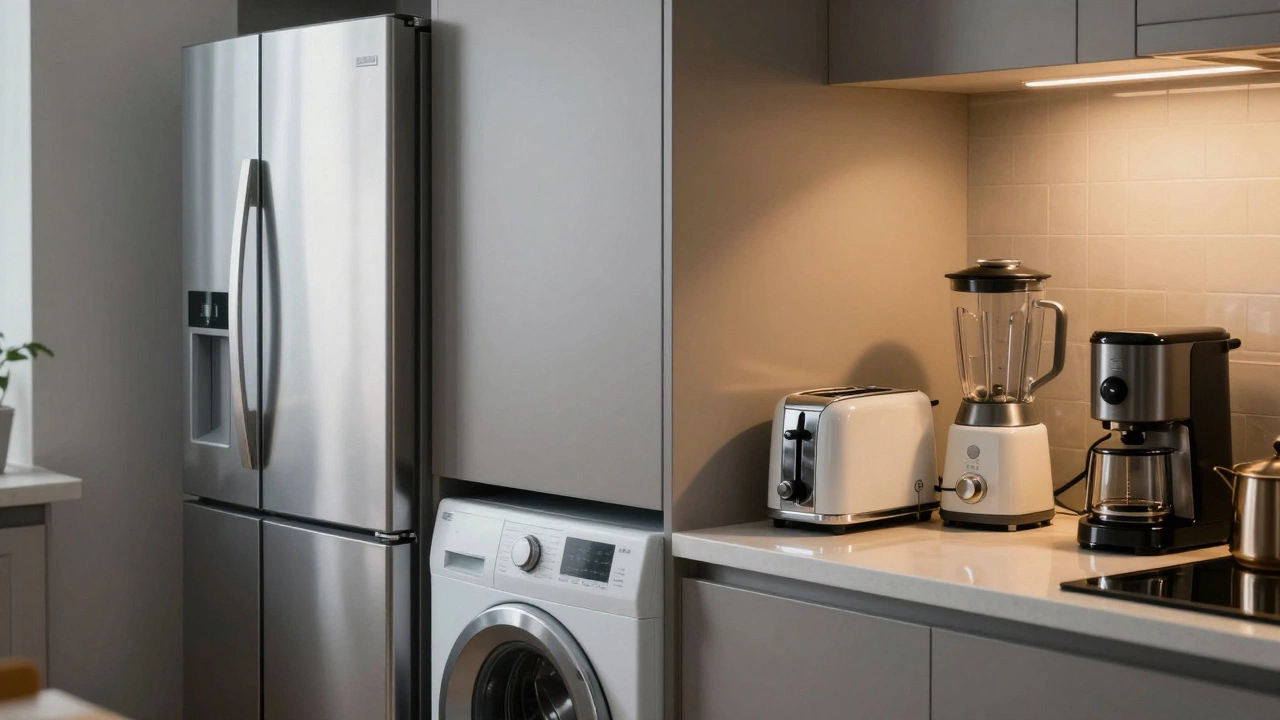
When people talk about appliances, they usually mean the big, expensive ones. These are often called "white goods" because they traditionally came in white enamel finishes. They are heavy, expensive, and often built to last ten to twenty years. You don’t buy these on a whim, and you certainly don’t toss them out when they break down. You repair them.
Major appliances fall into three main categories:
- Kitchen Units: Refrigerators, freezers, ovens, cooktops, dishwashers, and microwaves. These handle food storage and preparation.
- Laundry Units: Washing machines and tumble dryers. These handle fabric care.
- Climate Control: HVAC systems, boilers, and water heaters. These keep your home comfortable and provide hot water.
Why does this category matter? Because these items are complex. A modern refrigerator has a compressor, a condenser fan, an evaporator fan, a control board, and sensors. When one part fails, the whole system stops working. This complexity means you need specialized tools and knowledge to fix them. Trying to DIY a refrigerant leak isn’t just difficult; it’s illegal in many places without certification. For these items, professional appliance repair services are almost always the smarter financial choice compared to buying a new unit.
Minor Appliances: The Little Helpers
Then there are the smaller devices. These are often called "brown goods" (though that term is fading) or simply small appliances. They include toasters, blenders, coffee makers, vacuum cleaners, hair dryers, and electric kettles. Unlike major appliances, these are cheap enough that most people replace them rather than repair them if something goes wrong.
However, "minor" doesn’t mean unimportant. A broken vacuum cleaner disrupts your cleaning routine. A dead coffee maker ruins your morning. The difference lies in the repair economics. If a blender costs $50 and a replacement motor costs $30 plus shipping, you’re better off buying a new blender. With a $1,500 oven, a $100 heating element is a no-brainer repair.
Minor appliances also tend to have shorter lifespans. While a good washing machine might run for 15 years, a cheap toaster might only last two. They are disposable by design. This is why manufacturers rarely offer long-term support for them. You’ll find fewer spare parts available for a five-year-old air fryer than for a ten-year-old dryer.
Built-In vs. Freestanding: Does Installation Matter?
Another way to classify appliances is by how they are installed. This distinction affects both value and repair logistics.
Freestanding appliances sit on the floor and plug into a standard outlet. You can move them with a dolly. Most washers, dryers, and fridges fall into this camp. They are easy to access for repairs because technicians can pull them out from cabinets or walls easily.
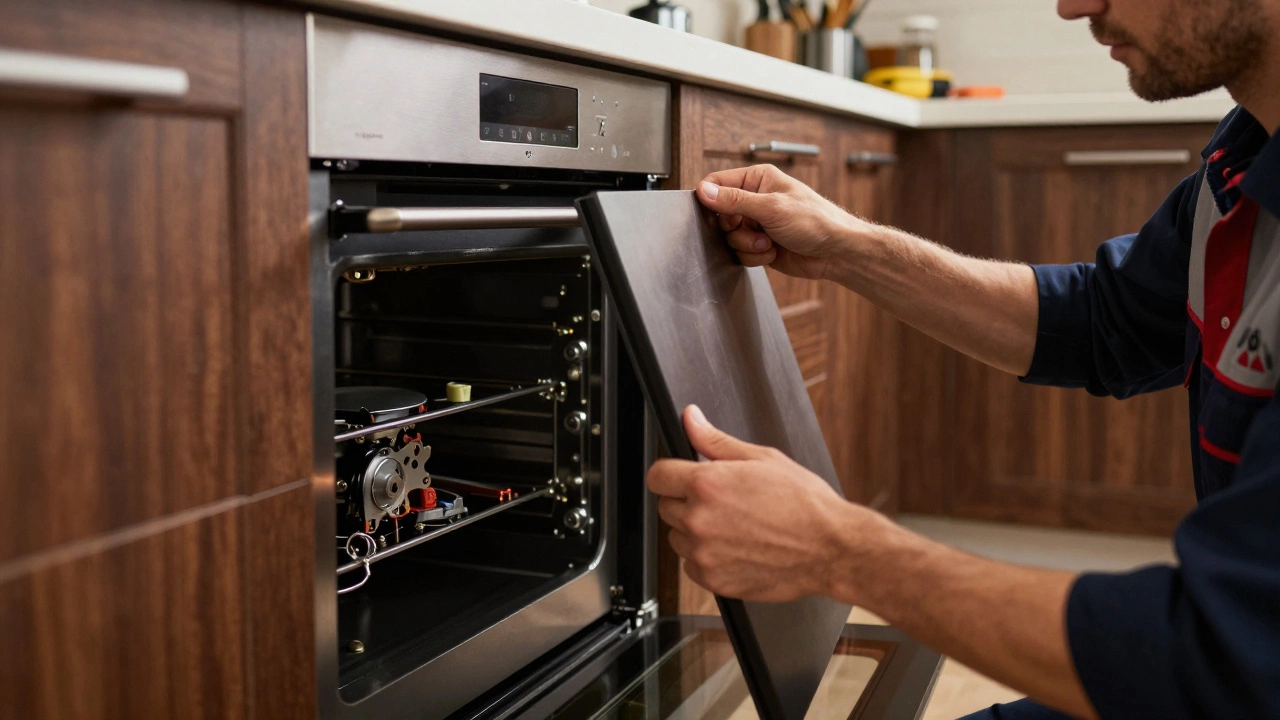
Built-in appliances are integrated into your cabinetry or structure. Think of wall ovens, under-counter dishwashers, or built-in wine coolers. These require precise measurements during installation. When they break, access can be a nightmare. A technician might need to remove cabinet panels or disconnect plumbing lines that are hard-wired rather than plugged in. This often leads to higher labor costs for repairs because the job takes longer. If you are renovating, consider this trade-off: built-ins look sleeker, but they are harder and more expensive to service.
| Feature | Major Appliances | Minor Appliances |
|---|---|---|
| Average Lifespan | 10-20 years | 2-7 years |
| Repair Cost Ratio | Worth repairing often | Often cheaper to replace |
| Installation | Complex (plumbing/gas/electric) | Simple (plug-and-play) |
| Parts Availability | High (long-term support) | Low (short lifecycle) |
| Energy Usage | High (continuous or heavy load) | Low (intermittent use) |
Smart Appliances: The New Category
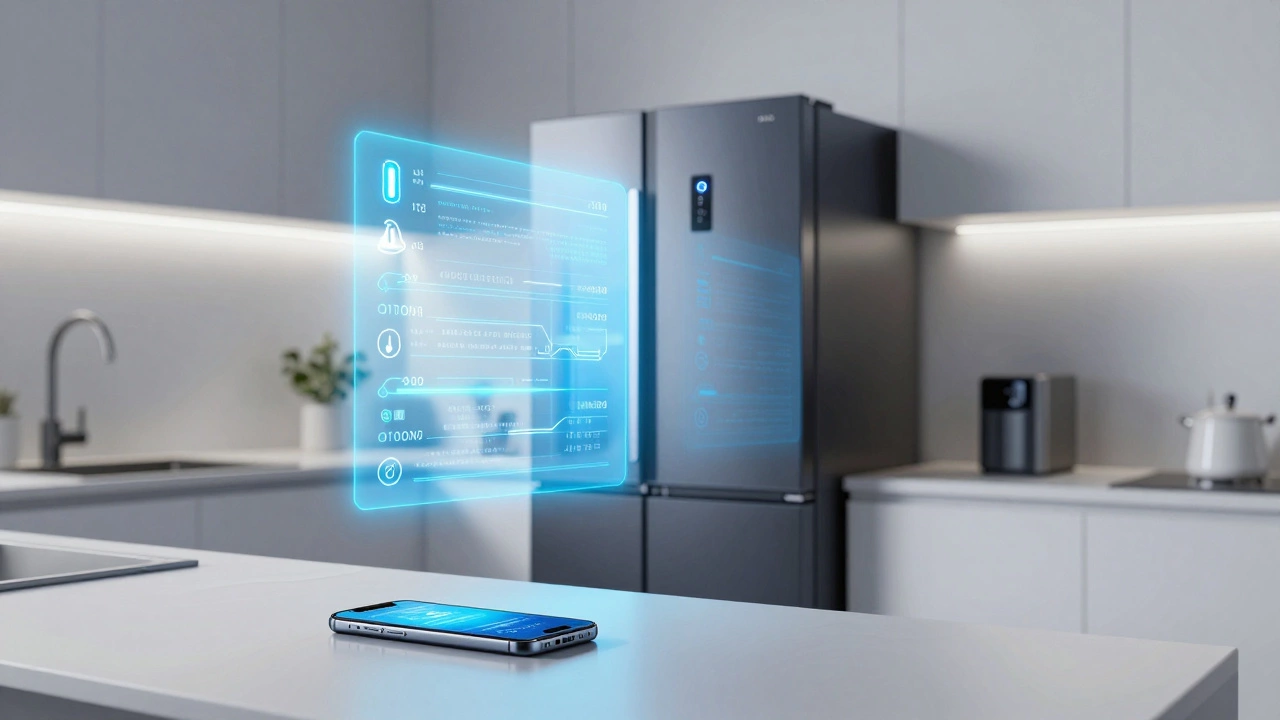
In recent years, a new sub-category has emerged: smart appliances. These are traditional major appliances equipped with Wi-Fi, sensors, and apps. Your fridge can tell you when milk is low. Your washer can send a notification to your phone when the cycle is done. While convenient, they introduce a new layer of complexity.
Smart appliances rely on software as much as hardware. A glitch in the firmware can stop a perfectly good motor from running. This means troubleshooting now involves IT skills alongside mechanical ones. When calling for repair, you must mention if the device is "smart" connected. Technicians may need to reset the network module or update the software before touching any wires. This adds time to the diagnostic phase but can prevent unnecessary part replacements.
Why Classification Matters for Repairs
Understanding where your device fits in the appliance hierarchy changes how you approach problems. Here is a quick guide based on common scenarios:
- If it’s a Major Appliance: Check the warranty first. If out of warranty, get a quote for repair. If the repair cost is less than 50% of the price of a new unit, fix it. Use certified technicians for gas and high-voltage electrical issues.
- If it’s a Minor Appliance: Try basic troubleshooting (cleaning filters, checking power sources). If that fails, calculate the cost of a new unit. Unless it’s a high-end specialty item (like a professional-grade mixer), replacement is usually the best path.
- If it’s Built-In: Be prepared for higher labor fees. Ensure your technician has experience with cabinetry removal to avoid damaging your kitchen finish.
- If it’s Smart: Restart the device and check the app connection before calling anyone. Many "breakdowns" are just connectivity errors.
Misclassifying a problem can lead to wasted money. Calling a plumber for a leaking ice maker might work, but a dedicated appliance technician will know the internal valve mechanisms better. Conversely, trying to fix a gas oven leak yourself is dangerous and should never be attempted by a layperson.
Maintenance Tips by Type
Prevention is cheaper than cure. Different appliances need different care routines.
- Refrigerators: Clean the condenser coils every six months. Dust buildup forces the compressor to work harder, increasing energy bills and wear.
- Dishwashers: Run a vinegar cycle monthly to remove mineral deposits. Check the spray arm holes for clogged food debris.
- Washing Machines: Leave the door open after use to prevent mold. Clean the detergent drawer regularly.
- Ovens: Use the self-clean feature sparingly as it generates extreme heat that can stress seals. Instead, wipe spills immediately after cooking.
- Vacuums: Empty the bin or change bags before they reach capacity. A full vacuum strains the motor significantly.
These small habits extend the life of your devices. An appliance considered "old" at ten years might still be going strong if it was maintained properly. Neglect turns a minor issue into a major breakdown.
FAQ: Common Questions About Appliances
Is a microwave considered a major or minor appliance?
It depends on the type. Countertop microwaves are generally considered minor appliances because they are portable, relatively inexpensive, and have shorter lifespans. However, over-the-range or built-in microwaves are often classified as major appliances due to their integration into kitchen cabinetry, higher cost, and ventilation functions.
How long do major appliances typically last?
Lifespans vary by type. Refrigerators and freezers typically last 10-15 years. Dishwashers and ranges average 9-12 years. Washing machines and dryers often last 10-13 years with proper maintenance. Water heaters can last 8-12 years depending on water quality and tank type.
Should I repair or replace my old appliance?
Use the 50% rule. If the cost of repair is less than 50% of the price of a new equivalent unit, and the appliance is less than half its expected lifespan, repair it. If the repair is expensive and the unit is old, replacement is usually more cost-effective in the long run due to improved energy efficiency in newer models.
Are smart appliances worth the extra cost?
For some users, yes. Smart features like remote monitoring, leak detection, and usage statistics can add convenience and prevent catastrophic failures. However, they come with higher upfront costs, potential privacy concerns, and reliance on internet connectivity. If you value automation and data, they are worth it. If you prefer simplicity, traditional appliances may serve you better.
Does homeowner's insurance cover appliance repairs?
Standard homeowner's insurance typically does not cover mechanical breakdowns or normal wear and tear of appliances. However, it may cover resulting damage, such as water damage from a burst washing machine hose or fire damage from an electrical fault in an oven. Some insurers offer optional equipment breakdown policies that cover repair or replacement costs.