

What Causes a Heat Pump to Go Bad? Common Failure Points Explained
 Sep, 21 2026
Heat Pump Repair vs. Replace Calculator
Enter your details below to determine if it's more cost-effective to fix your current unit or invest in a new one.
You flip the switch on your heat pump expecting warmth or coolness, but all you get is silence or lukewarm air. It’s frustrating, especially when the unit cost thousands of dollars. The truth is, most heat pumps don’t just "die" randomly. They fail because of specific, predictable stresses. Understanding what breaks them can save you from expensive emergency repairs and help you decide whether to fix or replace.
Quick Summary / Key Takeaways
- Refrigerant leaks are the silent killers; low pressure forces the compressor to work harder until it burns out.
- Compressor failure is often the final nail in the coffin, usually caused by electrical surges or poor lubrication.
- Dirty coils and filters restrict airflow, causing the system to overheat or freeze up, leading to mechanical wear.
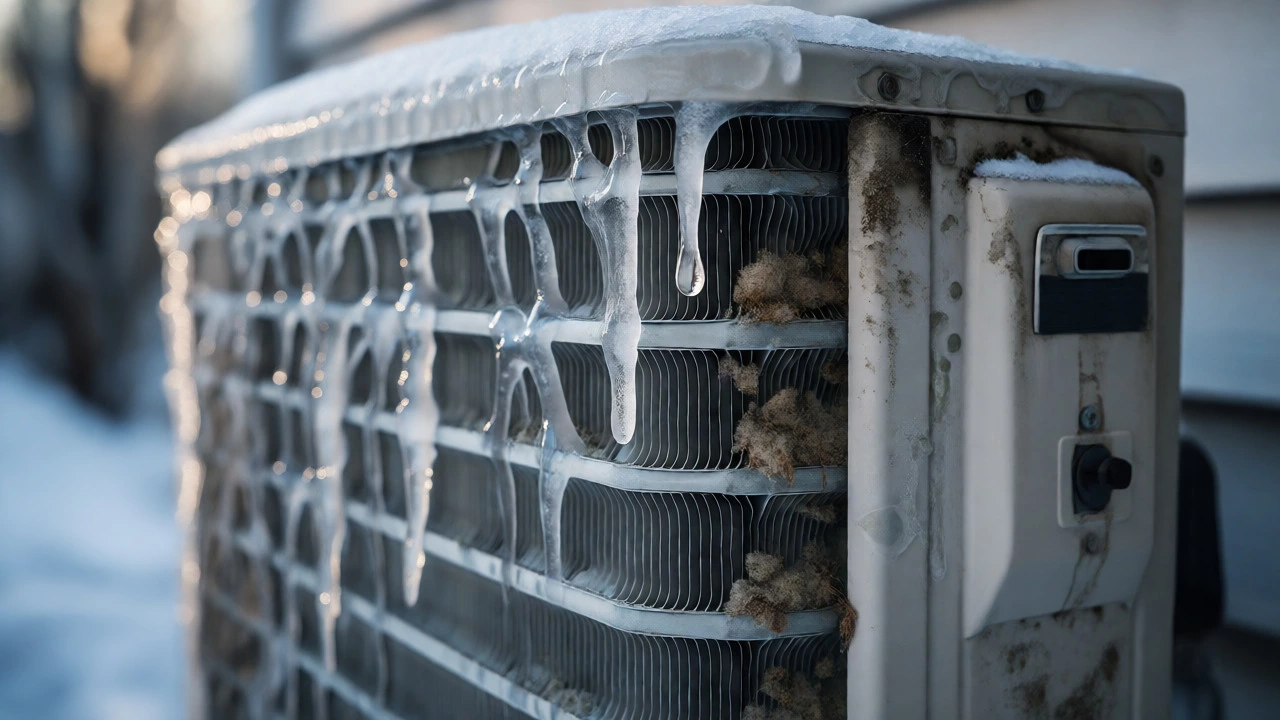
- Defrost cycle issues allow ice to build up on outdoor units, damaging fan motors and reversing valves.
- Age and usage matter: most units last 10-15 years, but neglect can cut that lifespan in half.
The Compressor: The Heart That Stops Beating
If the compressor fails, your heat pump is effectively dead. This component compresses refrigerant gas into a high-pressure liquid, driving the entire heating and cooling cycle. When it goes bad, replacement costs often approach the price of a new unit, which is why prevention is critical. Compressors rarely fail without warning signs. You might hear grinding noises, notice frequent short-cycling (turning on and off rapidly), or see the breaker trip repeatedly.
What actually kills the compressor? Usually, it’s a combination of electrical stress and lack of lubrication. Refrigerant carries oil through the system to keep the compressor moving smoothly. If you have a slow refrigerant leak, the oil circulation drops. The compressor runs dry, overheats, and seizes. Another common culprit is voltage spikes. In older homes with unstable power grids, a single lightning strike or grid fluctuation can fry the start capacitor or the motor windings inside the compressor.
Refrigerant Leaks: The Silent System Killer
A heat pump isn't like a car engine that consumes fuel; the refrigerant is a closed-loop fluid. It shouldn't disappear. If your system is low on refrigerant, you have a leak. These leaks happen at connection points, brazed joints, or where vibration has worn down copper lines over time. Even a tiny pinhole leak matters more than you think.
When refrigerant levels drop, the evaporator coil gets too cold. Instead of absorbing heat efficiently, moisture freezes on the coil, creating an ice block. The system tries to compensate by running longer, putting immense strain on the fan motor and compressor. Technicians often find that fixing a leak requires evacuating the entire system, testing for pressure, and recharging it-a labor-intensive process. Ignoring a small leak leads to big bills later.
Airflow Restrictions: Dirty Coils and Clogged Filters
Your heat pump needs to breathe. If air can't move freely across the indoor and outdoor coils, efficiency plummets and components burn out. Indoor air filters are the first line of defense. A clogged filter restricts airflow, causing the evaporator coil to freeze in winter or overheat in summer. This triggers safety switches that shut the unit down repeatedly, wearing out the contactors and relays.
Outdoor units face different challenges. Leaves, pollen, grass clippings, and even cottonwood seeds can mat against the condenser coil fins. This insulates the coil, preventing proper heat exchange. In Toronto, we also deal with road salt spray and urban grime that corrode aluminum fins. Once fins are bent or clogged, cleaning becomes difficult. Severe corrosion can lead to micro-cracks in the coil tubes, setting the stage for those pesky refrigerant leaks mentioned earlier.
Electrical Failures: Capacitors and Contactors
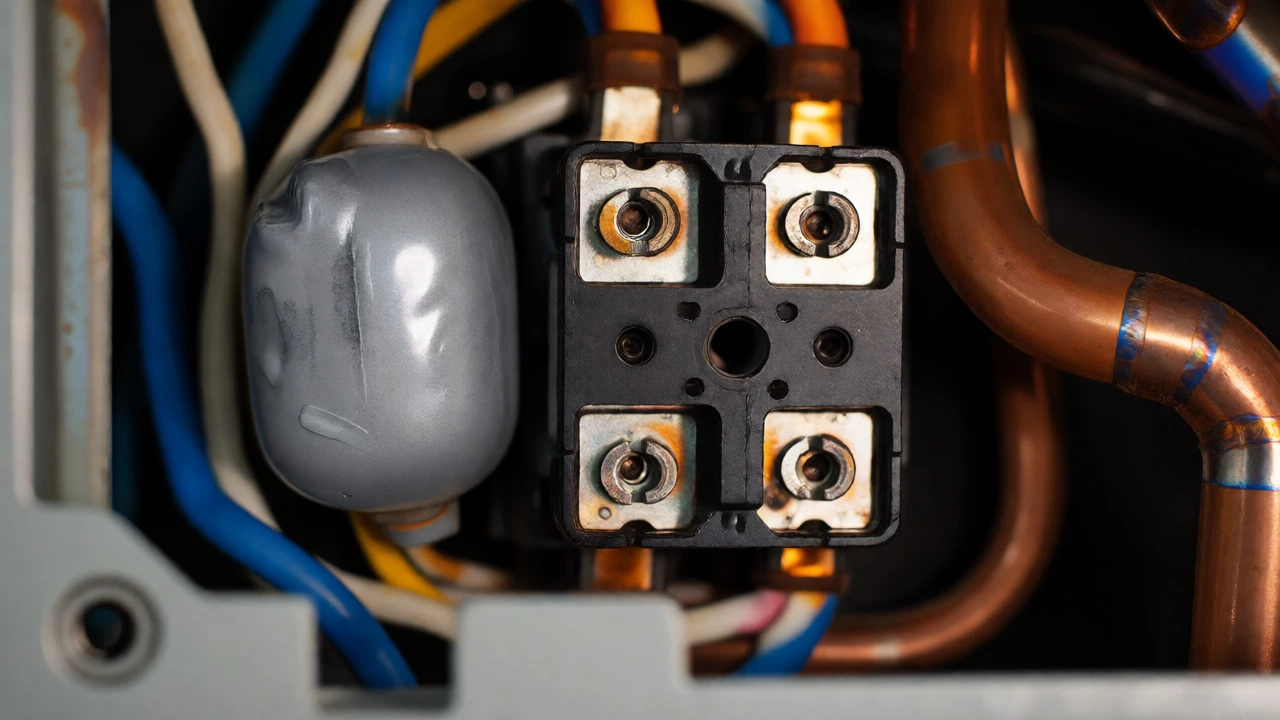
Before blaming the big, expensive parts, look at the small, cheap ones. Electrical components account for nearly 30% of heat pump breakdowns. The two most common offenders are capacitors and contactors.
Capacitors store energy to kick-start the compressor and fan motors. They degrade over time due to heat cycles. A failing capacitor might cause the compressor to hum but not start, or the fan to run slowly. Replacing a capacitor costs under $100, including labor. If you ignore it, the compressor strains against the resistance, eventually burning out its motor windings.
Contactors act as heavy-duty switches that send power to the compressor. Over years of use, the contacts inside pitting or welding together. Pitted contacts create resistance and heat; welded contacts leave the compressor stuck "on," regardless of the thermostat setting. This constant running destroys the compressor faster than any other single factor.
Defrost Cycle Malfunctions
In heating mode, your outdoor unit extracts heat from cold air. This process causes frost to form on the outdoor coil. Modern heat pumps have automatic defrost cycles that reverse operation briefly to melt this ice. But if the defrost control board, sensors, or reversing valve fail, ice builds up unchecked.
Thick ice blocks airflow completely. The fan blades can hit solid ice, cracking the plastic or bending the motor shaft. Worse, the system may try to run while frozen, drawing excessive current. In severe cases, liquid slugging occurs-where liquid refrigerant enters the compressor instead of gas-which can shatter internal valves instantly. Regular maintenance ensures the defrost timer and sensors are calibrated correctly, preventing this catastrophic chain reaction.
Wear and Tear: Moving Parts and Refrigerant Oil
Beyond the major components, physical wear takes its toll. Fan motors rely on bearings. If these bearings lack lubrication or become contaminated with dust, they seize. A seized fan motor stops airflow, leading to immediate overheating shutdowns. Similarly, the reversing valve, which switches between heating and cooling modes, contains a solenoid and sliding piston. Sticking valves prevent proper mode switching, causing the system to blow hot air when you want cold, or vice versa.
| Component | Primary Cause of Failure | Symptom | Estimated Repair Cost (CAD) |
|---|---|---|---|
| Compressor | Lack of oil, electrical surge, liquid slugging | Humming noise, no cooling/heating, tripped breaker | $1,500 - $3,000+ |
| Refrigerant Leak | Corrosion, vibration, poor installation | Ice on coils, weak airflow, higher energy bills | $400 - $1,200 |
| Start Capacitor | Heat degradation, age | Fan/compressor starts slowly or not at all | $150 - $300 |
| Contactor | Pitting, welding of contacts | Unit won't turn off/on, buzzing sound | $150 - $350 |
| Defrost Control Board | Electrical surge, moisture damage | Excessive ice buildup, short cycling | $300 - $600 |
Environmental Factors Specific to Your Location
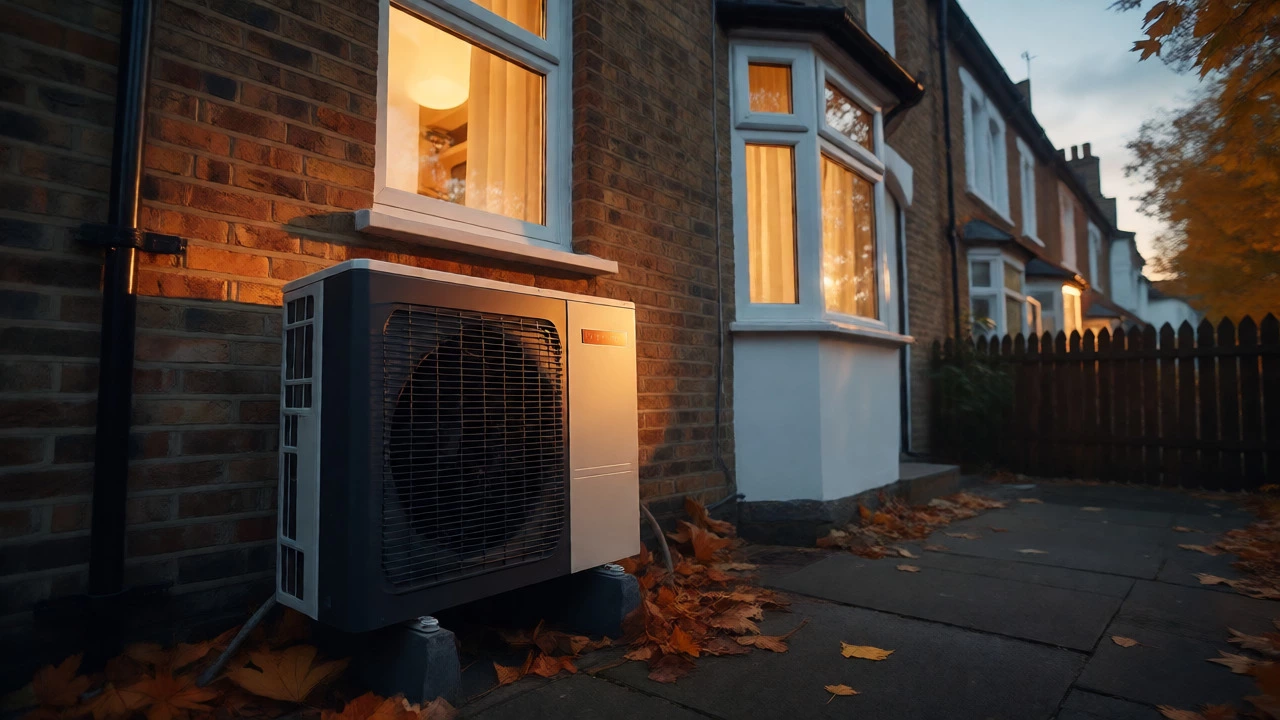
Where you live impacts how fast your heat pump degrades. In regions with harsh winters, like Ontario, heat pumps work harder during extreme cold snaps. Low ambient temperatures reduce efficiency, forcing the system to run longer cycles. This increased runtime accelerates wear on moving parts. Coastal areas suffer from salt air corrosion, which eats away at aluminum fins and copper connections much faster than inland environments.
Urban settings introduce pollution and debris that clog filters and coils quicker. If you’re near construction sites or unpaved roads, expect more frequent cleaning needs. Conversely, rural properties might face less airborne debris but more exposure to wildlife-squirrels and mice love nesting in outdoor units, chewing through insulation and wires.
Maintenance vs. Replacement: Making the Right Call
So, when should you repair, and when should you replace? There’s no hard rule, but here’s a practical heuristic. If your unit is under 10 years old and the repair costs less than 30% of a new system’s price, fix it. If it’s over 15 years old and the compressor or reversing valve fails, replacement is usually smarter. Older R-22 refrigerant systems are particularly costly to service because R-22 is phased out and expensive.
Newer models using R-410A or R-32 refrigerants offer better efficiency. Upgrading might seem pricey upfront, but lower energy bills can offset the difference within 5-7 years. Also, consider warranty coverage. Most manufacturers offer 10-year warranties on compressors if registered properly. Check your paperwork before calling a technician-you might get a free part replacement.
Preventing Early Failure
You can’t stop time, but you can slow decay. Change filters every 1-3 months. Keep the outdoor unit clear of vegetation and debris by at least two feet. Schedule professional maintenance twice a year-once before heating season, once before cooling season. During these visits, technicians check refrigerant pressures, clean coils, test electrical components, and inspect ductwork. This small investment prevents the domino effect of minor issues becoming major failures.
Frequently Asked Questions
How long does a heat pump typically last?
Most residential heat pumps last between 10 and 15 years. However, this varies significantly based on climate, usage intensity, and maintenance history. Units in mild climates with regular servicing can reach 20 years, while neglected units in harsh weather conditions may fail in under 8 years.
Is it worth repairing a heat pump compressor?
It depends on the age of the unit. If the heat pump is less than 10 years old and covered by a warranty, repair is often worthwhile. For older units, compressor replacement can cost $1,500 to $3,000, which is close to the price of a new system. Additionally, replacing just the compressor doesn't address other aging components, so full replacement is frequently the more reliable long-term choice.
What are the early warning signs of heat pump failure?
Watch for unusual noises like grinding, rattling, or humming. Noticeable changes in temperature output, such as blowing lukewarm air, are key indicators. Frequent cycling on and off, ice buildup on the outdoor unit, and sudden spikes in energy bills are also strong signals that something is wrong internally.
Can a dirty filter really break my heat pump?
Yes. A severely clogged filter restricts airflow, causing the evaporator coil to freeze in winter or overheat in summer. This forces the compressor to work harder, leading to premature wear. In extreme cases, it can cause the compressor to fail entirely due to liquid slugging or overheating.
Why is my heat pump leaking water indoors?
Water leaks indoors are usually caused by a clogged condensate drain line. When the AC mode is active, moisture condenses on the coils and drains away. If the drain is blocked by algae or dirt, water backs up and overflows the drip pan. Frozen coils thawing excessively can also overwhelm the drainage system.
Does leaving the heat pump on all day save money?
Generally, yes. Heat pumps are designed for steady-state operation. Turning them off and on frequently causes large energy spikes during startup and forces the system to work harder to recover the desired temperature. Maintaining a consistent setpoint is usually more efficient than setback strategies, unless you are away for extended periods.