

The #1 Hot Water Heater Problem: Sediment Buildup & How to Fix It
 May, 21 2026
Water Heater Repair vs. Replacement Calculator
Determine whether it is more cost-effective to repair your current unit or invest in a new one based on age, type, and estimated costs.
Cost Analysis
You turn the knob on your shower handle, expecting a warm rinse after a long day. Instead, you get a lukewarm trickle that turns icy within seconds. Or maybe the water comes out brown and smells like rotten eggs. These aren't just annoyances; they are signals that your water heater is a household appliance designed to heat and store water for domestic use is failing. While there are many ways these units can break down-from broken thermostats to leaking tanks-there is one culprit that stands above the rest.
The most common problem with hot water heaters is sediment buildup. It happens in almost every tank-style unit eventually, and if left unchecked, it destroys efficiency, shortens the lifespan of the unit, and leads to costly repairs. But before we dig into how to fix it, let's look at why this happens and what other signs you should watch for.
Why Sediment Buildup Is the Silent Killer
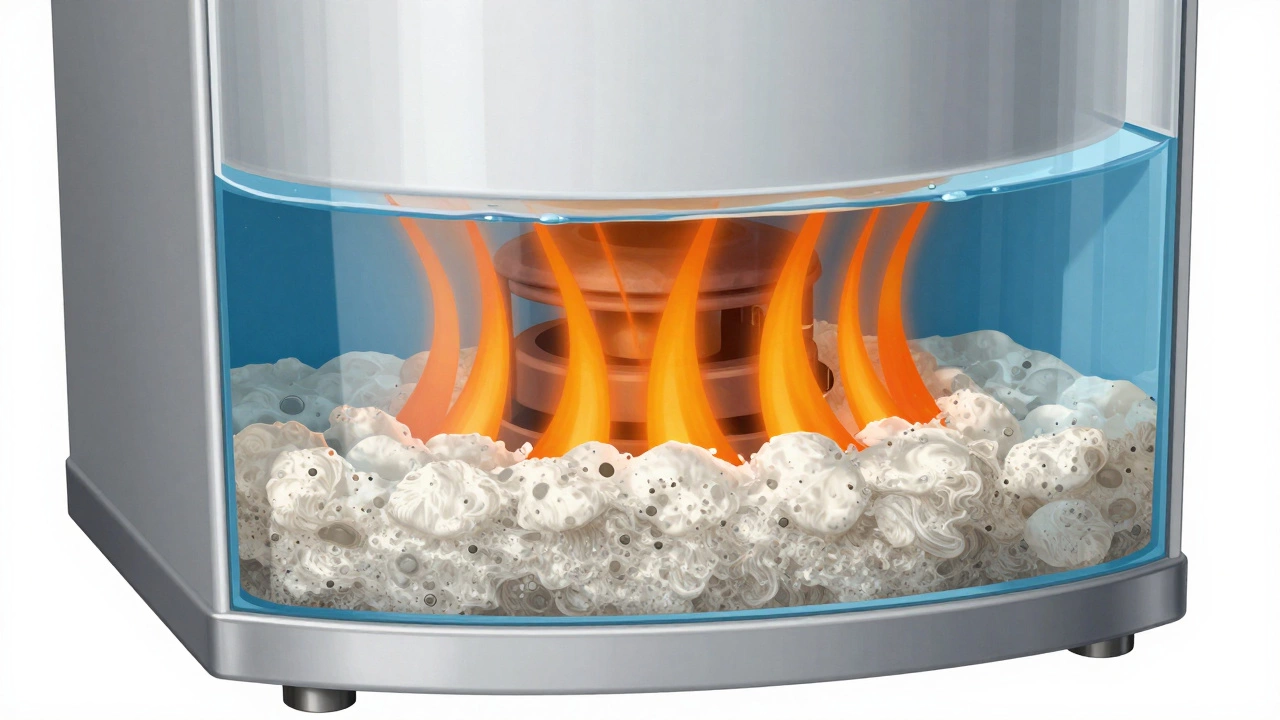
Think of your water heater like a giant kettle. When you boil water in a kettle, you often see white crusty stuff forming at the bottom. That’s mineral scale. Now imagine that happening inside a 40- or 50-gallon steel tank, every single day, for years.
In areas with "hard water"-which includes much of Toronto and Ontario due to high calcium and magnesium content-these minerals don't disappear when heated. They precipitate out of the water and settle at the bottom of the tank. Over time, this layer of sediment grows thicker. This creates a barrier between the heating element (or gas burner) and the water.
Here is the physics of why this is bad: The metal at the bottom of the tank gets incredibly hot because the sediment insulates it from the cooling water. This overheating causes the glass lining inside the tank to crack. Once that lining cracks, the steel tank rusts. And once the tank rusts through, you have a leak. A leaked tank cannot be repaired; it must be replaced.
| Symptom | What It Means | Urgency Level |
|---|---|---|
| Popping or rumbling noises | Water trapped under sediment is boiling and escaping | High (Fix soon) |
| Inconsistent water temperature | Sediment blocks heat transfer, making recovery slow | Medium |
| Brown or discolored water | Rust from a compromised tank lining | Critical (Replace soon) |
| Reduced hot water volume | Sediment takes up space meant for water | Medium |
The Second Most Common Issue: A Failing Anode Rod
If sediment is the silent killer, the anode rod is a sacrificial metal rod designed to corrode instead of the water heater tank is the unsung hero that has given up the ghost. Most people don't know this part exists until their tank leaks.
Water heaters are lined with glass to prevent rust. However, that glass can chip. To protect the steel tank further, manufacturers install an anode rod made of magnesium or aluminum. This rod attracts corrosive elements in the water, sacrificing itself so the tank doesn't rust. It’s called "cathodic protection."
The problem? These rods last about 3 to 5 years in hard water areas. If you haven’t checked yours since you bought the unit five years ago, it’s likely completely dissolved. Without it, the corrosion attacks the tank directly. Replacing an anode rod costs around $50-$100 in parts and labor. Replacing a whole tank costs $1,500+. Checking this rod annually is the cheapest insurance policy you can buy for your home.
Other Frequent Culprits to Watch For
While sediment and anode rods are the big two, other components fail regularly. Knowing which part is acting up can save you from calling a technician for a simple DIY fix.
- Thermostat Failure: If your water is too hot or not hot enough, the thermostat might be misreading the temperature. In electric models, there are usually two thermostats (upper and lower). If the upper one fails, the lower element never turns on, giving you very little hot water.
- Broken Heating Elements: Electric water heaters use immersion rods to heat water. If one burns out, you’ll still get some hot water, but it won’t last long. You can test these with a multimeter. If there’s no continuity, the element needs replacing.
- T&P Valve Leaks: The Temperature and Pressure relief valve is a safety device. If it drips constantly, it could mean the valve is faulty, or more seriously, your pressure is too high. Never cap this valve. If it’s leaking, replace it immediately.
- Gas Pilot Light Issues: For gas heaters, if the pilot light keeps going out, check the thermocouple. This small sensor ensures the gas valve only opens when the pilot is lit. A dirty or worn thermocouple will shut off the gas supply repeatedly.
Tank vs. Tankless: Do Tankless Units Have Problems?
You might think switching to a tankless water heater is a system that heats water on demand without storage solves all these issues. It does solve the sediment-in-the-tank problem, but it introduces new challenges.
Tankless units are highly efficient because they don't keep 50 gallons of water hot 24/7. However, they are even more sensitive to mineral buildup. Since the water flows through narrow copper pipes rather than sitting in a big tank, scale can clog the flow restrictors quickly. This leads to reduced water pressure and error codes on the display.
In Toronto, where winter temperatures drop well below freezing, tankless units also face the risk of frozen inlet pipes if not properly insulated. Additionally, tankless systems require annual flushing with vinegar or descaling solution to maintain efficiency. If you skip this, your energy bills will spike as the unit struggles to push water through scaled pipes.
How to Prevent These Problems (And Save Money)
You don’t need to be a plumber to extend the life of your water heater. In fact, most failures happen because owners ignore basic maintenance. Here is a simple checklist to keep your unit running smoothly for 10+ years.
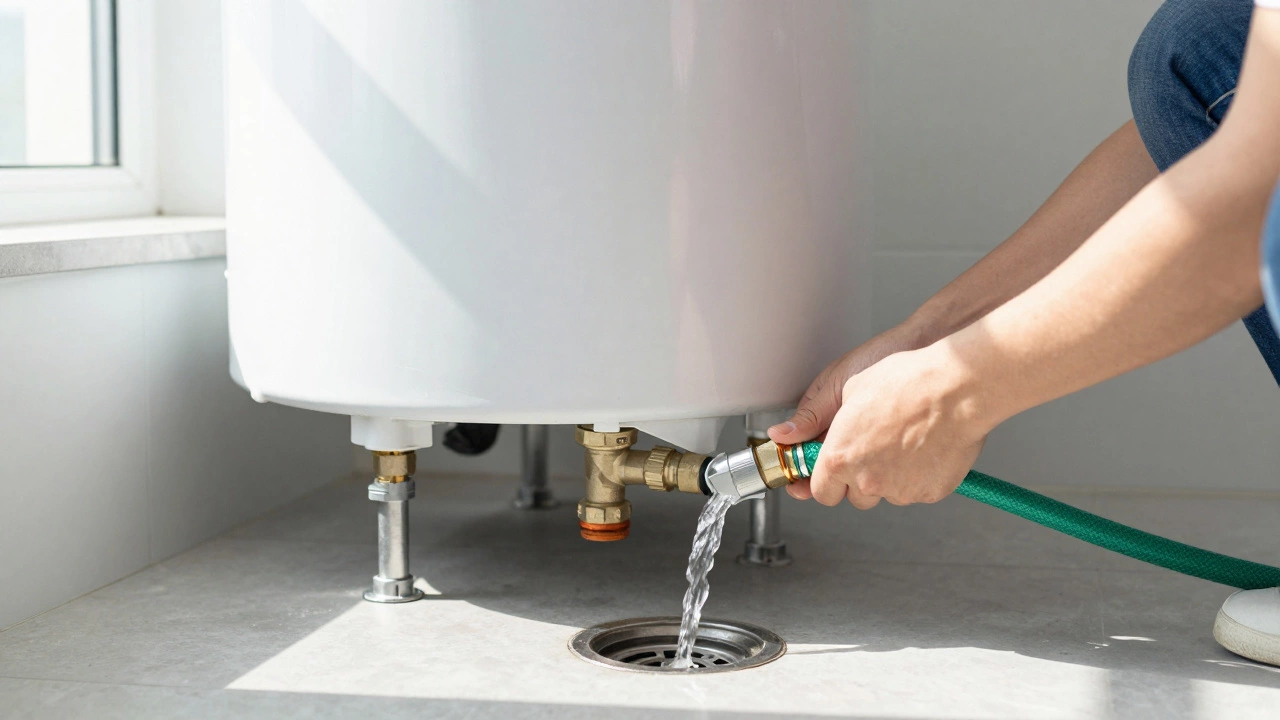
- Flush the Tank Annually: Attach a garden hose to the drain valve at the bottom of the tank. Open the valve and let the water run until it comes out clear. This removes loose sediment before it hardens. Do this once a year, ideally in the spring.
- Check the Anode Rod Every Two Years: Turn off the power/gas, drain a few gallons of water, and unscrew the rod. If it’s covered in thick calcium or less than half an inch of metal remains, replace it. Magnesium rods are better for soft water; aluminum/zinc alloys are better for hard water.
- Test the T&P Valve: Lift the lever on the Temperature and Pressure relief valve once a year. Water should spray out briefly. If it doesn’t, or if it continues to drip, replace the valve.
- Insulate the Pipes: Wrap the first 6 feet of hot and cold water pipes leaving the tank. This reduces standby heat loss and helps the water stay hotter longer, reducing strain on the heater.
- Adjust the Temperature: Set your thermostat to 120°F (49°C). Higher temperatures increase sediment buildup and scalding risk. Lower temperatures save energy and reduce scaling.
When to Call a Professional
Some jobs are safe for DIYers, but others require expertise. If you notice any of the following, stop what you’re doing and call a licensed plumber:
- Visible Leaks from the Tank Body: If water is pooling around the base of the tank, the internal lining has failed. No repair will fix this. You need a replacement.
- Rotten Egg Smell: While sometimes caused by bacteria in the tank, a strong sulfur smell can indicate a reaction between the anode rod and sulfate-reducing bacteria. A pro can determine if you need a zinc-aluminum alloy rod or a full sanitization.
- Electrical Issues: If your breaker trips frequently when the water heater runs, there may be a short in the wiring or elements. This is a fire hazard.
- Gas Odors: If you smell gas near your water heater, evacuate the house and call emergency services. Do not try to relight the pilot yourself.
Cost of Repairs vs. Replacement in 2026
In today’s market, labor costs in Toronto have risen. A simple anode rod replacement might cost $150-$250 including service fees. Flushing the tank professionally runs about $100-$150. However, if you’re dealing with a 12-year-old unit, pouring money into repairs is often a waste.
New standard tank water heaters range from $800 to $1,500 installed. High-efficiency condensing models or hybrid heat pump units can cost $2,500-$4,000. Given the lifespan of a tank is typically 8-12 years, if your unit is over 10 years old and showing multiple symptoms, replacement is usually the smarter financial move. Plus, newer models meet stricter energy standards, lowering your monthly utility bills.
How long does a water heater last?
A traditional tank-style water heater typically lasts 8 to 12 years. Tankless models can last 15 to 20 years with proper maintenance. Factors like water hardness, usage frequency, and regular flushing significantly impact lifespan.
Can I flush my own water heater?
Yes, flushing is a safe DIY task for most homeowners. Turn off the power (electric) or gas, connect a hose to the drain valve, and open the valve to let water flow out. Be careful as the water may be hot. If you have a gas unit, ensure the pilot is off before starting.
Why is my hot water turning brown?
Brown water usually indicates rust from inside the tank. This means the glass lining has cracked and the steel tank is corroding. This is a serious issue that requires immediate attention, as the tank could leak soon.
Is it worth repairing an old water heater?
If your unit is less than 6 years old, minor repairs like replacing a thermostat or element are worthwhile. If it’s over 10 years old, especially with recurring issues, replacement is more cost-effective due to rising energy inefficiency and risk of catastrophic failure.
What causes popping noises in a water heater?
Popping or rumbling sounds are caused by sediment buildup at the bottom of the tank. As water gets trapped under the sediment layer, it boils and escapes, creating noise. This indicates significant scaling that needs flushing.