

Oven Element Failure: Signs, Causes, and When to Repair or Replace
When your oven won’t heat up, the culprit is often a oven element failure, the breakdown of the heating coil inside your oven that’s responsible for generating heat. Also known as a bake element, this part is one of the most common points of failure in electric ovens. If the element is cracked, discolored, or doesn’t glow red when turned on, it’s dead—and your oven won’t cook properly.
Oven element failure doesn’t happen out of nowhere. It’s usually caused by age, frequent use, power surges, or even food spills that burn onto the element over time. Most elements last 10 to 15 years, which means if your oven is around that age, the element is just worn out—not because you did anything wrong. Sometimes, a faulty thermostat or control board can cause the element to overwork and burn out faster, so it’s worth checking those too before replacing the element alone.
You don’t need to be a technician to spot a bad element. Open your oven, turn it on to 350°F, and watch the bottom coil. If it stays dark while the top broil element glows, the bake element is likely dead. If both are dark but the oven light works, the issue is probably power-related—a tripped breaker, blown fuse, or wiring problem. A multimeter can test continuity, but even just seeing visible damage like blistering or holes is enough to know it’s time to replace it.
Replacing the element yourself is doable for most people. It’s usually a $50 part and takes under an hour with basic tools. But if your oven is older than 10 years, you’re spending money on a system that’s nearing the end of its life. Newer ovens use less energy, heat more evenly, and come with smart features. So while fixing the element might get you through the next holiday dinner, it’s not always the smartest long-term move.
And here’s something most people don’t think about: a failing element can make your electricity bill spike. If it’s struggling to reach temperature, the oven runs longer and harder. That adds up over time. You might be paying $50 to fix the element, but if your bill’s gone up 20% over the last year, you’re already losing more than that in wasted energy.
What else could be wrong if it’s not the element?
Not every oven that won’t heat has a bad element. A faulty thermostat, a sensor that misreads the oven’s internal temperature can trick the system into thinking it’s hot enough when it’s not. Or a bad control board, the oven’s brain that sends power to the element might be glitching out. These are harder to diagnose without tools, but if the element looks fine and you’ve ruled out power issues, those are the next suspects.
What you’ll find in the posts below are real, step-by-step guides from people who’ve been there—how to test the element with a multimeter, how to tell if your oven’s control board is failing, whether it’s worth fixing a 10-year-old oven, and what the actual repair costs look like in your area. No fluff. No guesswork. Just clear answers to help you decide whether to fix it, replace it, or walk away.
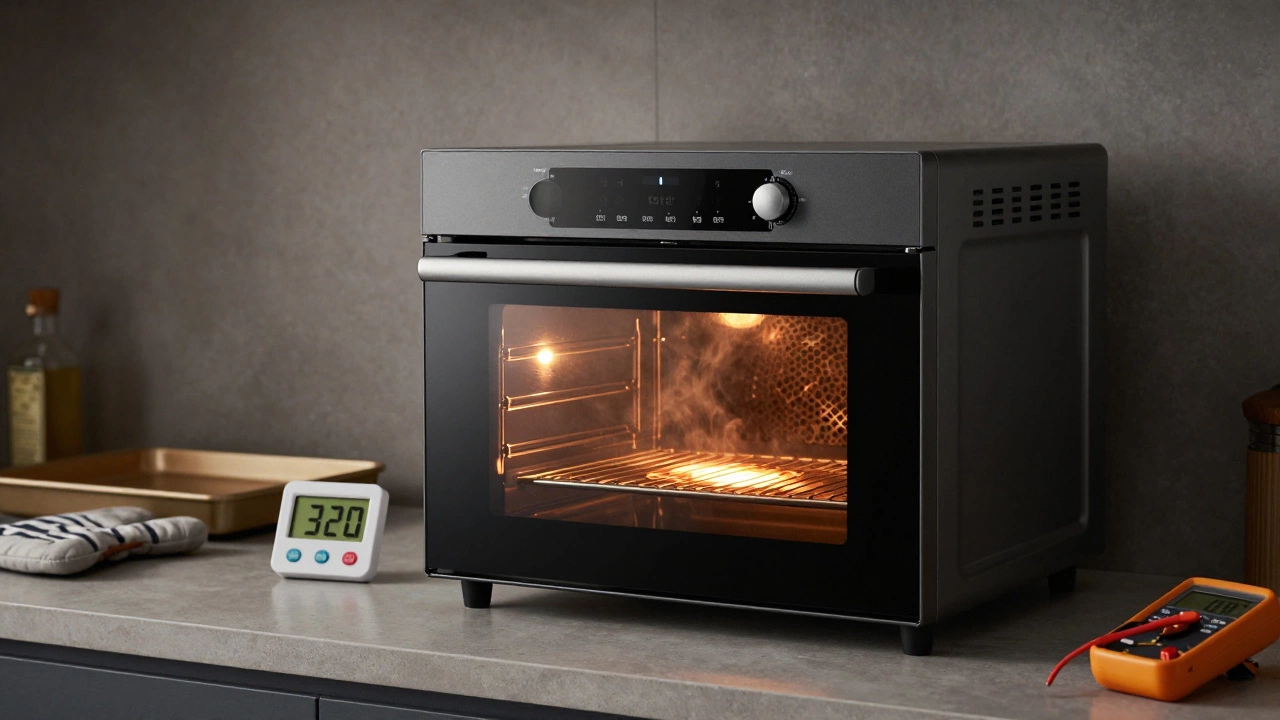
How to Tell If Your Electric Oven Is Broken: 7 Clear Signs
Learn the 7 clear signs your electric oven is broken - from no heat to error codes - and whether to repair or replace it. Save money and avoid guesswork with practical troubleshooting tips.
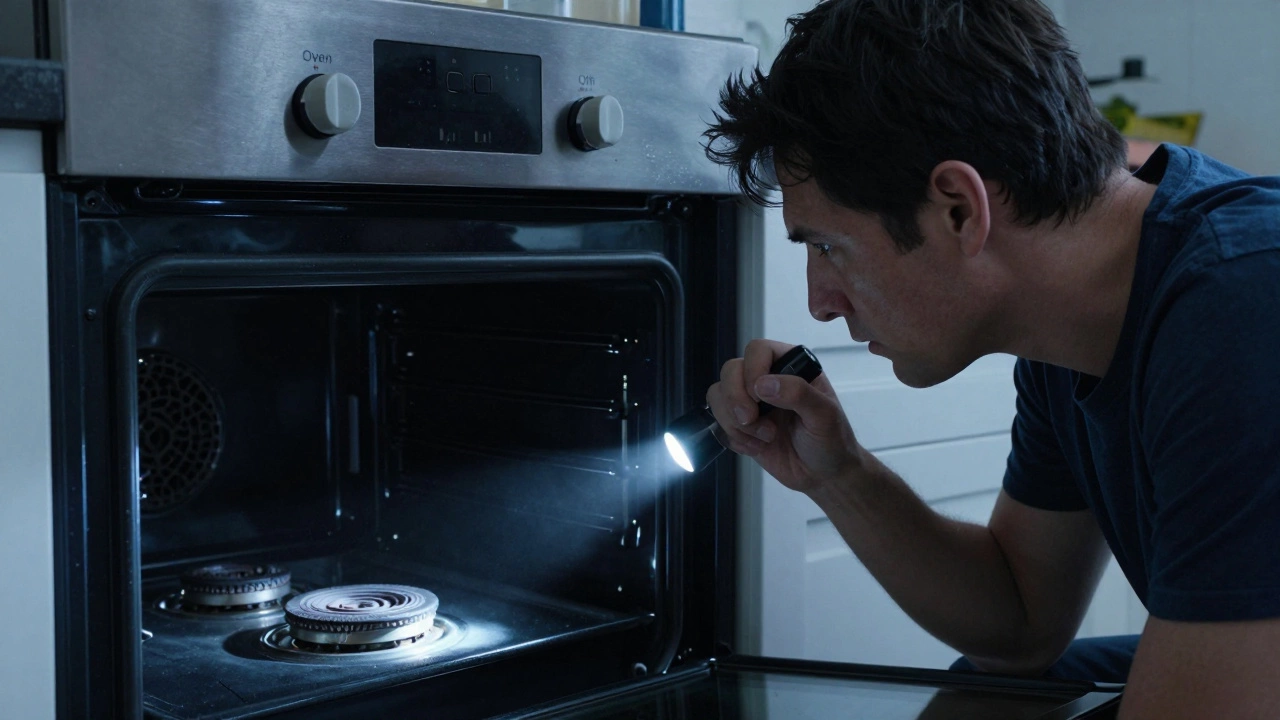
How to Identify an Electric Oven Problem: Common Signs and Quick Checks
Learn how to identify common electric oven problems like heating failures, error codes, and broken elements. Simple DIY checks can save you hundreds on repairs.