

Is It Worth Repairing a 20-Year-Old Water Heater?
 Oct, 5 2026
Water Heater Repair vs. Replace Calculator
Enter your details below to get a data-driven recommendation on whether to fix your current unit or invest in a new one.
Recommendation
Cost:
Expected Life Extension:
Cost:
Expected Life:
Why this choice?
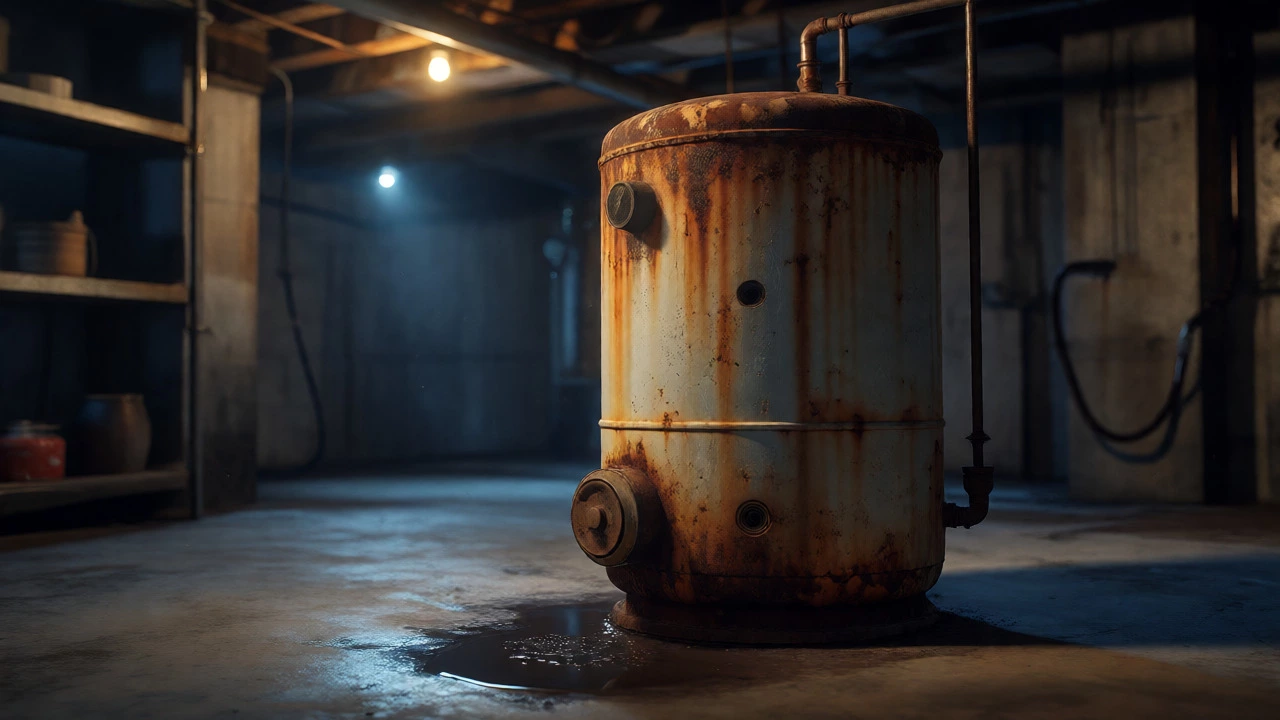
You’re standing in your basement, staring at that rusted metal cylinder humming in the corner. It’s been there for two decades, faithfully heating your showers and washing your dishes. But today, it’s leaking, or maybe it just stopped producing hot water entirely. The plumber quotes you $450 for a new heating element and a labor fee. Your spouse asks, "Why don't we just buy a new one?"
This is the classic homeowner’s dilemma. A water heater is a major appliance, often costing between $800 and $1,500 to replace professionally. Spending half that amount on repairs feels risky when the unit is already past its prime. So, how do you decide? Is a 20-year-old tank a reliable workhorse nearing retirement, or a ticking time bomb waiting to flood your basement?
The Hard Truth About Lifespan
Let’s be real: most conventional storage-tank water heaters are designed to last 8 to 12 years. If yours has hit the 20-year mark, it is statistically an outlier. You’ve beaten the odds. According to data from the U.S. Department of Energy and Canadian building standards, exceeding the expected lifespan by nearly double means every component inside is fatigued.
When a unit reaches this age, you aren’t just dealing with one broken part; you’re dealing with systemic wear. The anode rod, which protects the steel tank from corrosion, is likely fully consumed. Without it, the tank walls have been slowly dissolving from the inside out. This isn’t something a repair can fix. You can replace the thermostat or the heating element, but you cannot patch a thinning steel shell indefinitely.
Think of it like driving a car with 300,000 kilometers on it. Sure, changing the oil might keep it running for another month, but the transmission and engine internals are wearing down. At some point, the cost of keeping the old machine alive outweighs the value it provides.
Repair vs. Replace: The Cost Analysis
To make a smart decision, you need to look at the numbers. In Toronto, as of late 2026, here is what you are typically looking at:
| Item | Average Cost (CAD) | Lifespan Extension | Risk Factor |
|---|---|---|---|
| Heating Element Replacement | $350 - $550 | 2-5 Years (if lucky) | Tank may leak soon after |
| Thermostat Replacement | $300 - $500 | 1-3 Years | Low |
| Anode Rod Replacement | $250 - $400 | Minimal (too late) | High (corrosion advanced) |
| New Standard Tank Install | $900 - $1,400 | 10-15 Years | None |
| Tankless System Install | $1,800 - $3,500 | 20+ Years | Higher upfront cost |
Notice the pattern? If the repair costs more than 50% of the price of a new unit, you should almost always replace it. For a 20-year-old tank, even a minor repair like a valve replacement ($200-$300) eats into the budget you’d need for a new system. Why pour money into a sinking ship?
The Hidden Dangers of Waiting Too Long
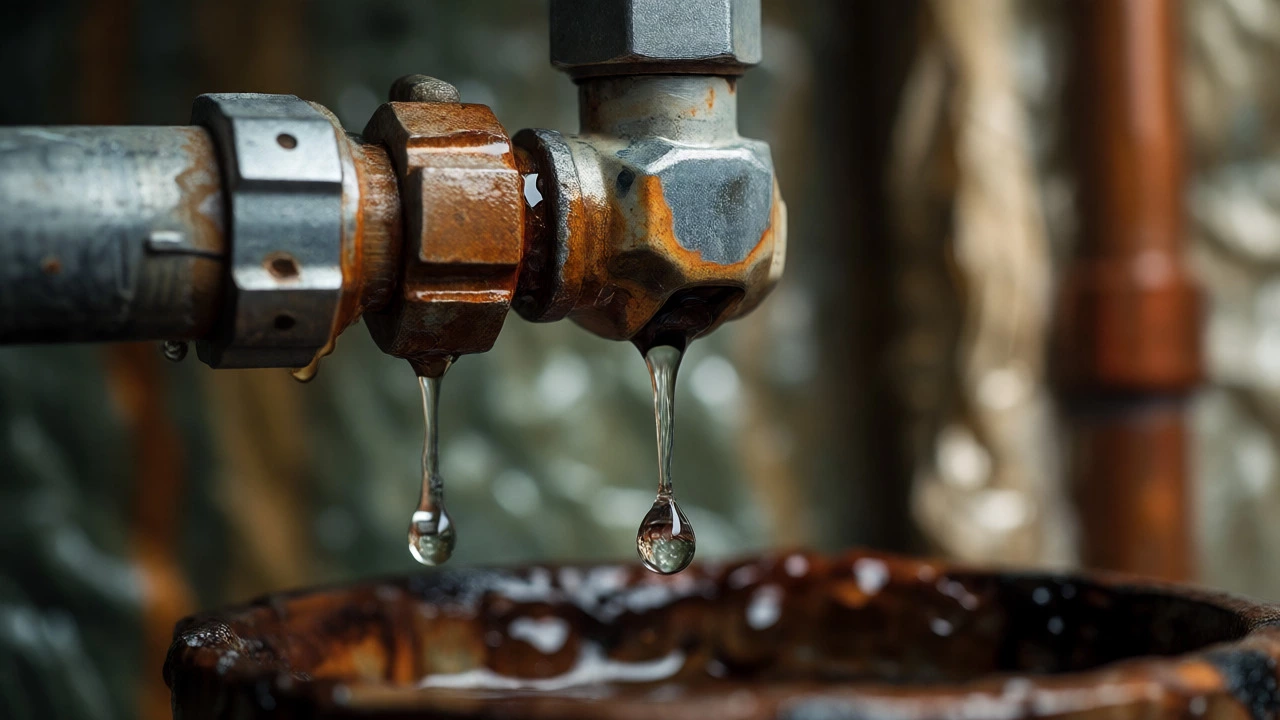
There is a non-monetary reason to pull the trigger on replacement: risk. An aging water heater doesn’t just stop working; it fails catastrophically. Tanks can rupture, releasing hundreds of liters of water into your home in minutes. Insurance companies are increasingly wary of claims involving appliances over 15 years old. Some policies offer reduced payouts or require proof of recent maintenance for older units.
In Toronto, where basements are common living spaces, a burst tank can ruin drywall, flooring, and personal belongings. The cleanup costs alone often exceed the price of a new water heater. By repairing a 20-year-old unit, you are essentially gambling that the tank won’t fail within the next 12 months. Are those savings worth the stress?
When Repair Might Still Make Sense
I’m not saying never repair. There are specific scenarios where fixing an old tank is the right move:
- Minor External Fixes: If the issue is a loose pipe fitting, a faulty temperature and pressure relief (T&P) valve, or a simple drain valve leak, these are cheap fixes. They don’t indicate internal tank failure.
- Short-Term Ownership: If you plan to sell your house in less than six months, spending $1,000 on a new heater might not yield a direct return if buyers negotiate down the asking price. A functional, albeit old, heater keeps the inspection clean.
- Budget Constraints: If cash flow is tight, a temporary repair buys you time to save for the replacement. Just set a strict deadline-no more than six months-to install the new unit.
Upgrade Opportunity: Go Tankless?
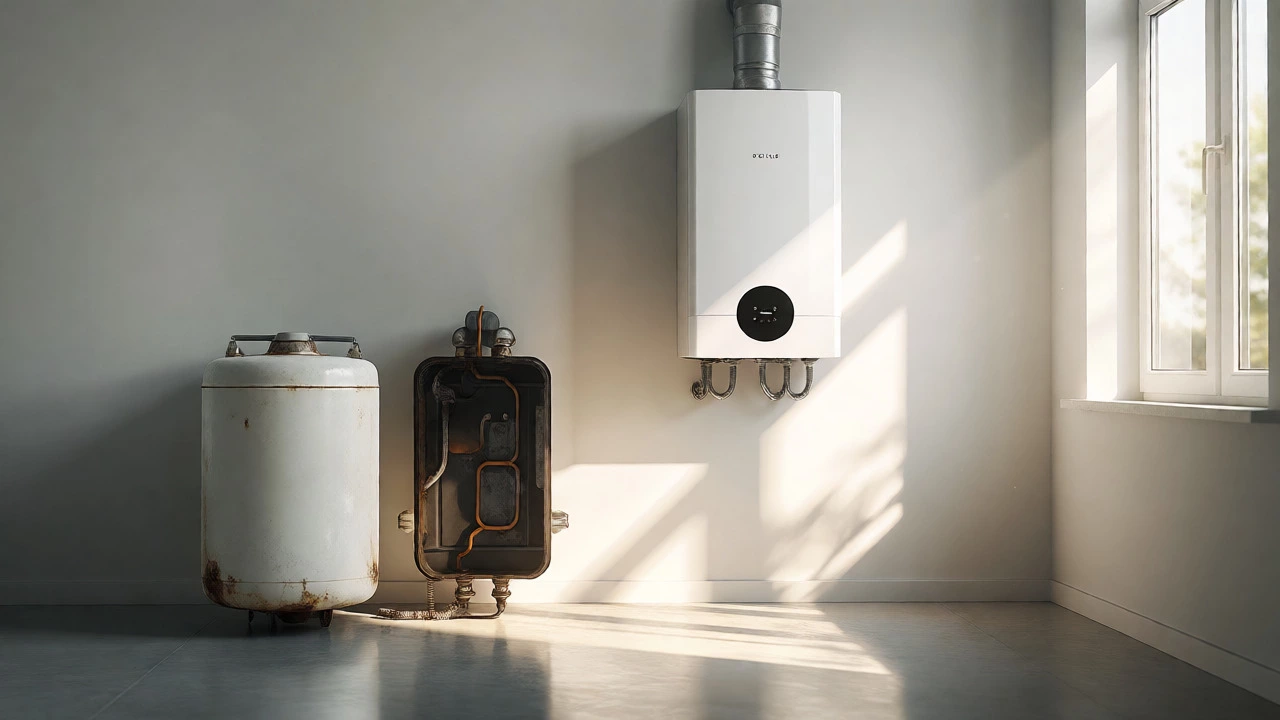
If you are replacing the unit anyway, consider skipping the standard tank. Modern tankless water heaters heat water on demand, eliminating standby energy loss. While the upfront cost is higher, they last twice as long as traditional tanks. Over a 20-year period, a tankless system often pays for itself through lower energy bills.
However, retrofitting a tankless system in an older Toronto home might require upgrading your gas line or electrical panel. Ask your contractor to assess this before committing. If your home already has high-capacity lines, the switch is smoother. If not, sticking with a high-efficiency conventional tank might be the pragmatic choice.
Checklist Before Calling the Plumber
Before you authorize any work, run through this quick diagnostic. It will help you and your plumber make the right call:
- Check the Age Label: Find the manufacturer’s label on the side. Calculate the exact age. If it says 2006, you are at the 20-year mark.
- Inspect for Rust: Look at the top of the tank and around the pipes. Surface rust is normal; deep, flaking rust on the tank body itself is a death sentence.
- Test the Pressure Relief Valve: Lift the lever on the T&P valve. If water flows freely and stops when released, it works. If it drips constantly or doesn’t release water, it needs attention-but this is rarely the sole cause of total failure.
- Listen for Popping Noises: Loud banging or popping sounds indicate heavy sediment buildup. While flushing can help, severe sediment reduces efficiency and stresses the tank bottom.
If the tank body shows signs of corrosion or the unit is strictly beyond 15 years, lean heavily toward replacement. Repairing a 20-year-old water heater is rarely a financially sound long-term strategy. It’s a band-aid on a wound that needs surgery. Save your money for a modern, efficient unit that won’t wake you up with a cold shower-or worse, a flooded basement-in the middle of the night.
How long do water heaters actually last?
Most conventional storage-tank water heaters last between 8 and 12 years. Gas models tend to last slightly longer than electric ones due to different heating mechanisms, but 20 years is exceptional. Tankless models can last 20+ years with proper maintenance.
Is it cheaper to repair or replace a 20-year-old water heater?
Replacement is usually cheaper in the long run. Repairs on such an old unit often exceed $300-$500, which is nearly half the cost of a new installation. Given the high risk of imminent tank failure, investing in a new unit offers better value and peace of mind.
What are the signs my water heater is about to fail?
Key signs include rusty water coming from hot taps, loud rumbling or popping noises from sediment buildup, visible moisture or puddles around the base of the tank, and inconsistent water temperatures. If you see rust on the tank itself, failure is imminent.
Can I extend the life of my old water heater?
You can try flushing the tank annually to remove sediment and replacing the anode rod if it hasn't fully dissolved. However, once the tank is 20 years old, these measures provide minimal extension because the steel integrity is compromised. Maintenance helps younger units, not geriatric ones.
Should I switch to a tankless water heater?
If you own your home long-term, yes. Tankless heaters save energy and space. However, installation can be costly if your home requires upgraded gas lines or electrical circuits. Evaluate your current infrastructure before deciding.