

Is It Worth Repairing a 10-Year-Old Stove? Here’s What Actually Matters
 Dec, 4 2025
Stove Repair vs Replacement Cost Calculator
Use the 50% Rule
This calculator helps you decide if repairing your 10-year-old stove is worth it. The rule of thumb from the article: if repair costs exceed 50% of a new stove's price, replace it.
Key factors from the article:
- Stoves last 13-15 years - 10 years is past the reliability sweet spot
- Repair costs often exceed $200 for common issues
- New stoves cost $600-$900 in Canada
- Older stoves use 20-30% more energy
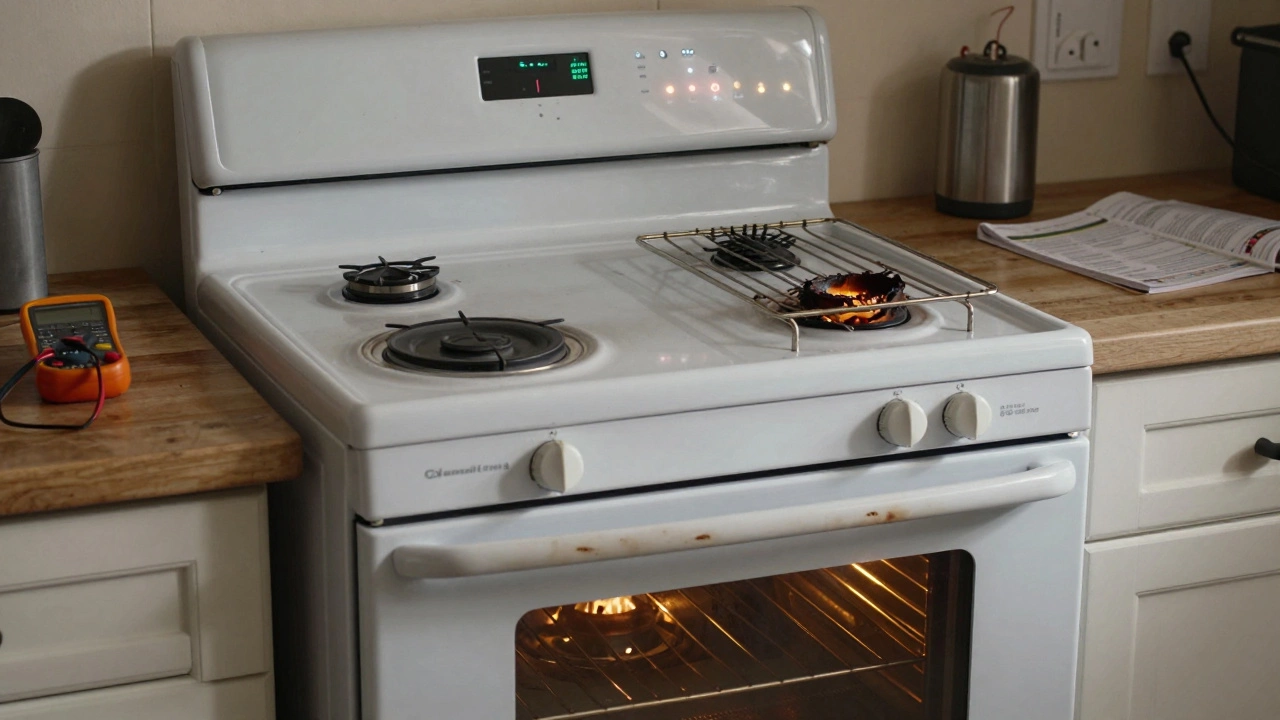
You’re standing in your kitchen, staring at your 10-year-old electric stove. The oven doesn’t heat evenly. The burner on the back left sputters when you turn it on. The control panel flickers sometimes. You’ve been ignoring it, hoping it’ll just keep going. But now you’re wondering: is it worth fixing, or should you just buy a new one?
Stoves Don’t Just Die Overnight
Most electric stoves last between 13 and 15 years. A 10-year-old unit isn’t ancient-it’s in the middle of its life. That means it’s not time to panic. But it also means you’re past the sweet spot for reliability. Components like heating elements, thermostats, and control boards start wearing out around this age. Replacing one part might fix the problem today, but another could fail next month.Think of it like a car with 150,000 kilometers. It still runs, but you’re starting to see more frequent repairs. The question isn’t whether it works now-it’s whether it’s going to keep working without costing you more than a new one.
How Much Will Repairing It Cost?
Repair costs vary depending on the problem. Here’s what you’re likely to pay in Toronto for common issues:- Replacing a bake element: $75-$150 (parts + labor)
- Fixing a faulty thermostat: $120-$200
- Replacing the control board: $250-$450
- Repairing a broken door seal or hinge: $50-$100
Labor usually runs $80-$120 per hour, and most repairs take 1-2 hours. That means even a simple fix can easily hit $200. If the control board is bad, you’re looking at over $400. That’s nearly half the price of a basic new stove.
And here’s the catch: if you’re replacing a control board, you’re probably replacing it because the stove’s electronics are failing. That’s not a one-off issue-it’s a sign the whole system is aging. The next component might be the oven light, then the timer, then the fan. Each repair adds up.
What Does a New Stove Cost These Days?
A basic 30-inch electric range with standard features-four burners, a conventional oven, digital controls-costs between $600 and $900 in Canada. You can find sales at Home Depot or Lowe’s for as low as $500 during holiday promotions. Higher-end models with convection ovens, Wi-Fi connectivity, or induction cooktops go up to $2,000, but you don’t need those unless you’re cooking professionally.Installation is usually $100-$200 if you’re replacing the same size unit in the same spot. If you need to move gas lines, rewire the circuit, or adjust cabinetry, that can add $300-$500. But for most homeowners, it’s a simple swap.
Compare that to spending $400 on a control board repair, only to have the oven door latch fail six months later. You’ve already spent more than half the cost of a new stove-and you’re still stuck with an old machine that uses more energy and lacks modern safety features.
Energy Efficiency Isn’t Just About Bills
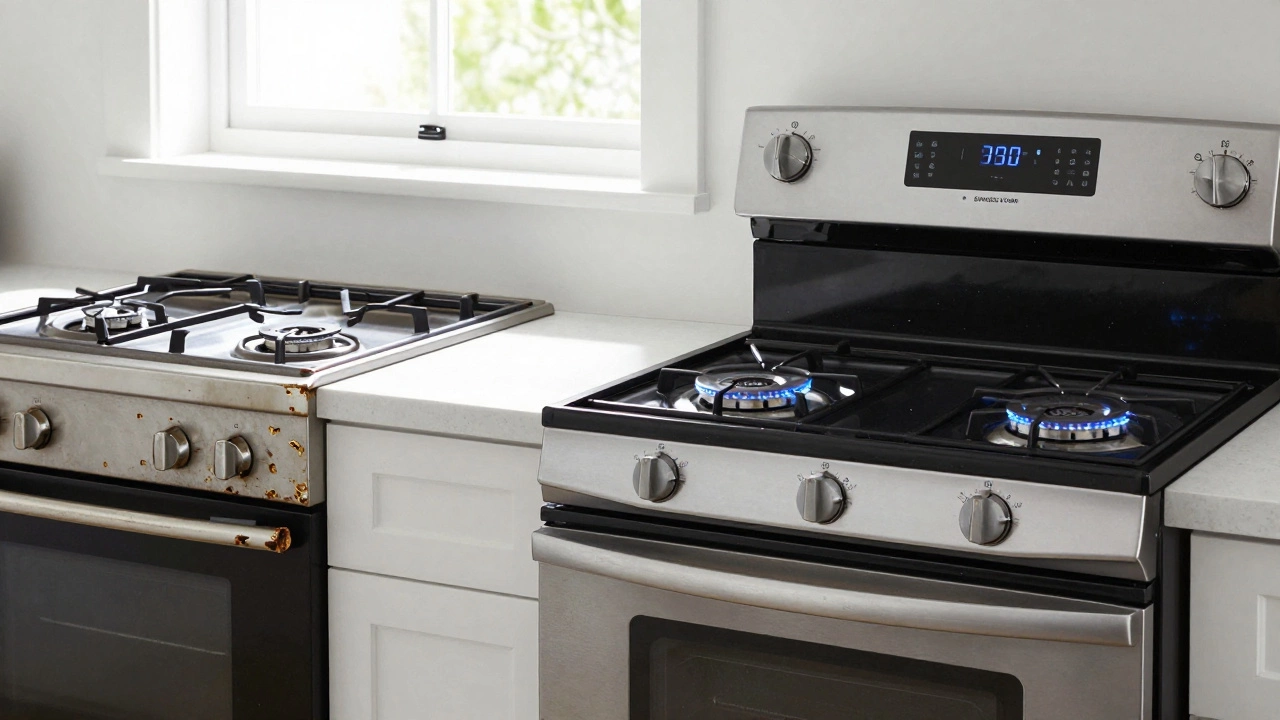
A 10-year-old stove is likely using about 20-30% more electricity than a new ENERGY STAR® certified model. That might not sound like much, but over five years, it adds up. In Ontario, where electricity costs around $0.14 per kWh, an inefficient oven can cost you an extra $60-$90 a year in wasted power.Older stoves also lack features like automatic shut-off, child locks, and precise temperature sensors. If you’ve got kids, pets, or just forget to turn things off, a modern stove with auto-shutoff is a quiet safety upgrade you won’t notice until you need it.
When Repair Makes Sense
There are cases where fixing a 10-year-old stove is the smart move:- You only need to replace a $50 bake element and the rest works perfectly.
- You’re planning to move in the next 1-2 years and don’t want to invest in a new appliance.
- You’ve got a high-end brand like GE, Whirlpool, or Frigidaire with a solid reputation for durability.
- You’re handy and can fix it yourself-parts are cheap and easy to order online.
If your stove is still heating evenly, the burners ignite reliably, and the only issue is a single broken part, then yes-repair it. But if you’re facing multiple problems, or the repair cost is over 50% of what a new unit costs, walk away.
What You Lose When You Keep an Old Stove
Beyond the cost and energy, you’re losing convenience. New stoves have:- Even heating thanks to better airflow and sensor tech
- Self-cleaning modes that actually work
- Quiet fans and better insulation
- Touch controls instead of dials that get sticky
- Smart features like remote preheating via phone
And if you ever sell your home, buyers notice. A 10-year-old stove looks worn. A new one adds perceived value-even if it’s just a basic model. It signals you’ve maintained the house.
How to Decide: The 50% Rule
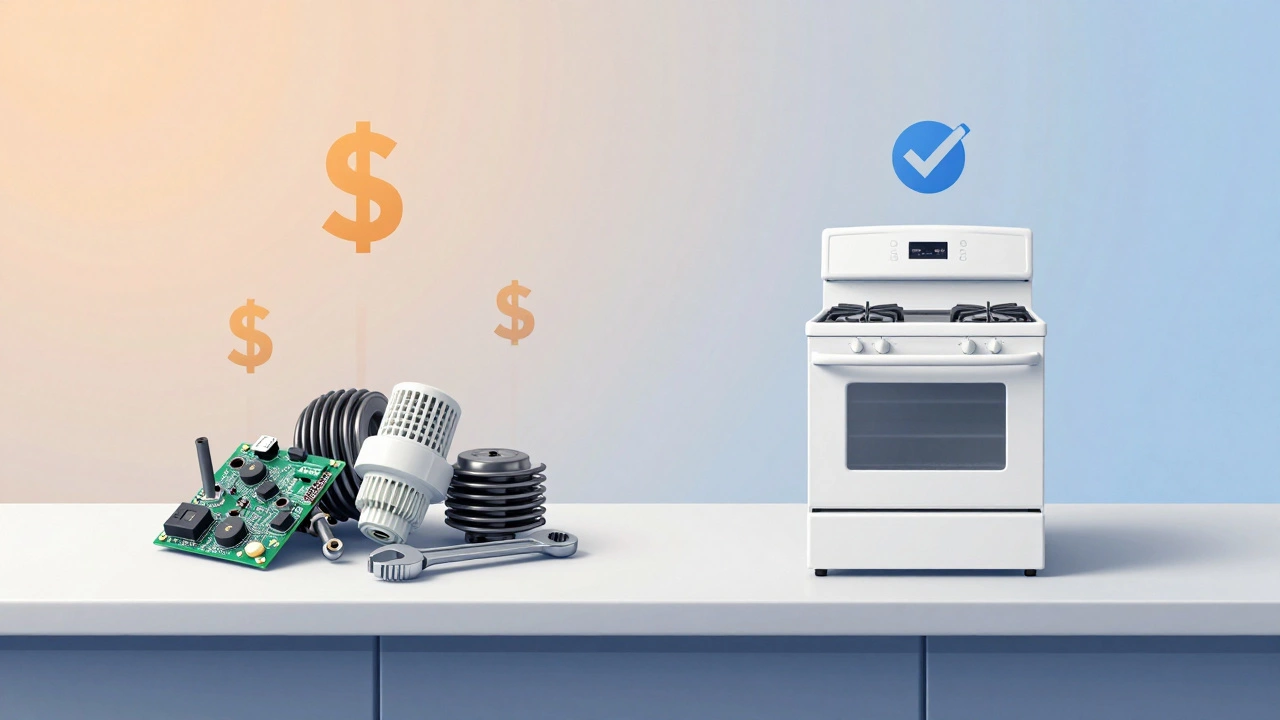
Here’s a simple rule that works for most appliances: if the repair cost is more than 50% of the price of a new unit, replace it.For a $700 new stove, that means if the repair bill hits $350 or more, it’s time to buy new. That’s not just about money-it’s about peace of mind. You won’t be stuck with a broken appliance during Thanksgiving dinner or a holiday party.
Also consider the time. A repair might take a week to schedule. A new stove can be delivered and installed in two days. If you cook daily, that’s five meals you’re not using your oven.
What to Do Next
If you’re still unsure, do this:- Write down every problem with your stove.
- Call a local appliance repair service in Toronto and ask for a quote for the main issue.
- Visit a home improvement store and note the price of a comparable new stove.
- Compare the repair cost to 50% of the new stove’s price.
- If the repair is cheaper and only one part is broken, fix it. If it’s close to or over that line, start shopping for a replacement.
Don’t wait until the stove dies completely. If it’s already acting up, it’s not going to get better. The longer you wait, the more likely you’ll be stuck without a working oven during a busy week.
What to Look for in a New Stove
If you decide to replace it, here’s what to prioritize:- Size: Stick with 30 inches unless you’re remodeling. It fits standard cutouts.
- Heating: Look for convection if you bake often-it’s faster and more even.
- Controls: Digital touch controls are easier than knobs that get gunked up.
- Self-cleaning: Choose one with a steam-clean option if you don’t want to deal with harsh chemicals.
- Brand: Whirlpool, GE, and Frigidaire have the best track record for reliability in Canada.
Avoid the cheapest models under $400. They’re often made with thinner metal and flimsier parts. You’ll pay for it in the long run.
Final Thought: It’s Not About the Stove-It’s About Your Time
A 10-year-old stove isn’t broken because it’s old. It’s broken because it’s tired. And when an appliance is tired, it doesn’t just stop working-it starts costing you more-in money, in stress, in wasted time.If you’ve been living with a temperamental oven for months, you’re already paying the hidden price. Fixing it might buy you a few more months. But replacing it buys you reliability, efficiency, and peace of mind for the next decade.
Is it cheaper to repair a 10-year-old stove or buy a new one?
It’s usually cheaper to buy a new one if the repair costs more than half the price of a new stove. For example, if a new stove costs $700, repairs over $350 aren’t worth it. Most repairs for 10-year-old stoves-like control boards or thermostats-fall in that range.
How long do electric stoves typically last?
Most electric stoves last between 13 and 15 years. A 10-year-old stove is still within its expected lifespan, but it’s entering the phase where parts start to wear out more frequently. After 10 years, you’re more likely to face multiple repairs over a short period.
Can I fix my stove myself?
Yes, if you’re comfortable with basic tools. Replacing a bake element, broil element, or oven door seal is simple and only takes 20-30 minutes. Parts cost under $50 and are easy to order online. But if the issue involves wiring, control boards, or thermostats, it’s safer to call a professional. Mistakes here can be dangerous.
Should I replace my stove before selling my home?
If your stove is visibly worn, cracked, or doesn’t work well, replacing it before selling can help. Buyers notice outdated appliances-even if they’re functional. A new, clean-looking stove adds subtle value and makes the kitchen feel more updated. You don’t need a high-end model; a basic $600 range is enough to make a good impression.
Are newer stoves more energy efficient?
Yes. New ENERGY STAR® certified electric stoves use 15-30% less energy than models from 10 years ago. Over five years, that can save you $100-$200 on electricity bills. Better insulation, precise thermostats, and efficient heating elements make a real difference.