

Is It Worth Fixing a 20-Year-Old Water Heater? Cost vs. Replacement Guide
 May, 7 2026
Water Heater Repair vs. Replacement Calculator
Replacement Options
$1,200 - $2,500
$3,000 - $5,000+
Option 1: Repair
Option 2: Replace
Recommendation
Imagine this: you’re in the middle of a morning shower, and suddenly the water turns ice-cold. You check the breaker, everything seems fine, but your water heater is acting up again. Now, here’s the kicker-this unit is twenty years old. Do you call a plumber for a quick fix, or do you bite the bullet and buy a new one?
This is a classic dilemma for homeowners. A twenty-year-old appliance has officially exceeded its expected lifespan. Most standard tanks last between ten and fifteen years. So, when you’re staring at a repair bill that could range from $150 to $600, it feels like throwing good money after bad. But before you make a decision, let’s look at the numbers, the risks, and the hidden costs involved.
The Lifespan Reality Check
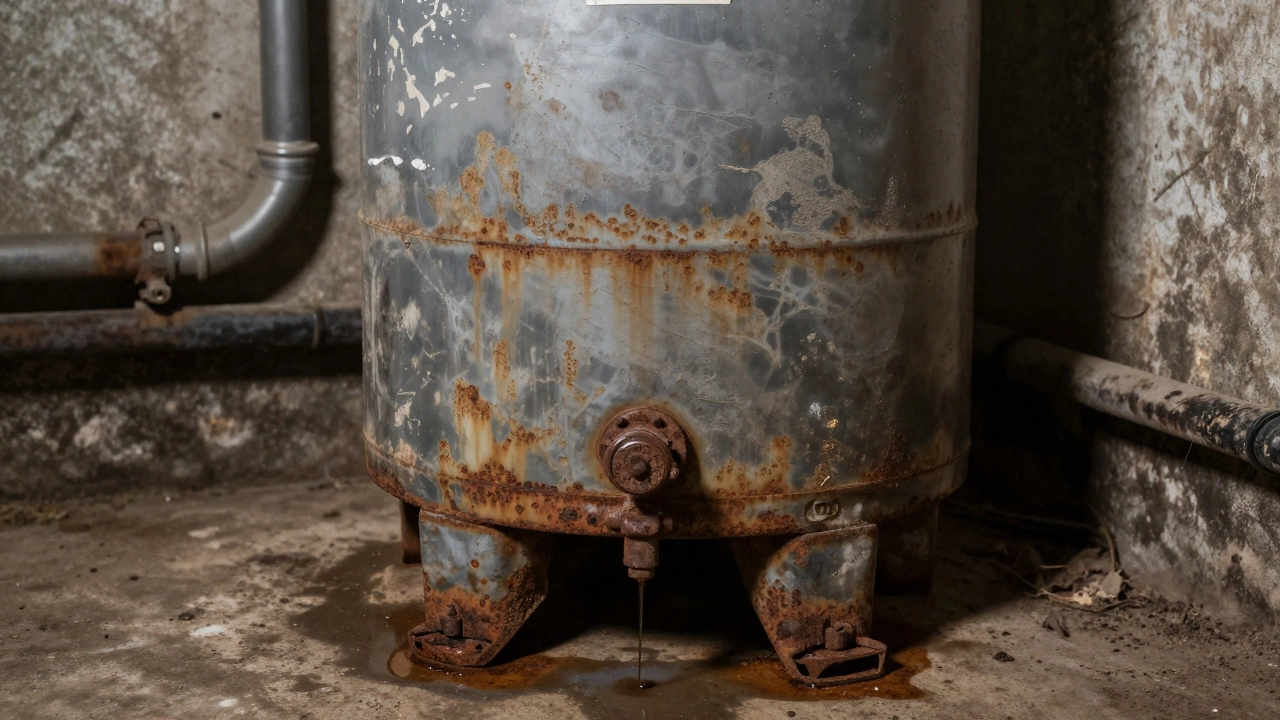
To understand why age matters, we need to talk about how these units wear out. A typical tank-style water heater works by heating water inside a steel vessel. Over time, minerals in your water (especially if you have hard water) build up as sediment at the bottom of the tank. This sediment acts as an insulator, forcing the burner or element to work harder. Worse, it causes corrosion.
At the twenty-year mark, two things are usually happening:
- Corrosion fatigue: The inner lining of the tank is likely compromised. Steel doesn’t last forever against heat and chemical reactions.
- Component failure: Parts like the thermostat, dip tube, or anode rod have degraded beyond their design life.
If your unit is still running at twenty years, it’s not because it’s indestructible; it’s probably just holding on by a thread. The risk isn’t just inconvenience-it’s potential water damage.
The Cost of Repair vs. Replacement
Let’s break down the financial side. This is where most people get stuck. A repair might seem cheaper upfront, but you have to calculate the total cost of ownership.
| Scenario | Estimated Cost | Lifespan Remaining | Risk Level |
|---|---|---|---|
| Minor Repair (Thermostat/Dip Tube) | $150 - $300 | Unknown (Could fail next month) | High |
| Major Repair (Valve/Burner) | $400 - $800+ | Low (Tank may leak soon) | Very High |
| New Standard Tank Installation | $1,200 - $2,500 | 10 - 15 Years | Low |
| New Tankless System | $3,000 - $5,000+ | 20+ Years | Low |
Here’s the rule of thumb I use with clients: if the repair costs more than 50% of the price of a new unit, don’t do it. For a twenty-year-old tank, even a $200 thermostat replacement is risky. Why? Because if the tank leaks three months later, you’ll pay another $200-$500 for emergency removal and disposal, plus any water damage cleanup.
Hidden Dangers of Keeping an Old Tank
It’s not just about the price tag. An aging water heater poses safety and efficiency risks that many homeowners overlook.
Energy Efficiency: Older models are significantly less efficient. A water heater from 2006 might have an Energy Factor (EF) of 0.59, meaning only 59% of the energy used actually heats water. New high-efficiency models can reach EF ratings of 0.90 or higher. That means you’re paying nearly double for gas or electricity to heat the same amount of water. In Toronto, where winter heating bills are already steep, this inefficiency adds up quickly.
Leak Risk: The biggest fear with an old tank is catastrophic failure. When the internal corrosion gets too bad, the tank can rupture. We’ve seen cases where a single night of leaking caused thousands of dollars in floor and foundation damage. Insurance often covers this, but your premiums might go up, and the hassle is undeniable.
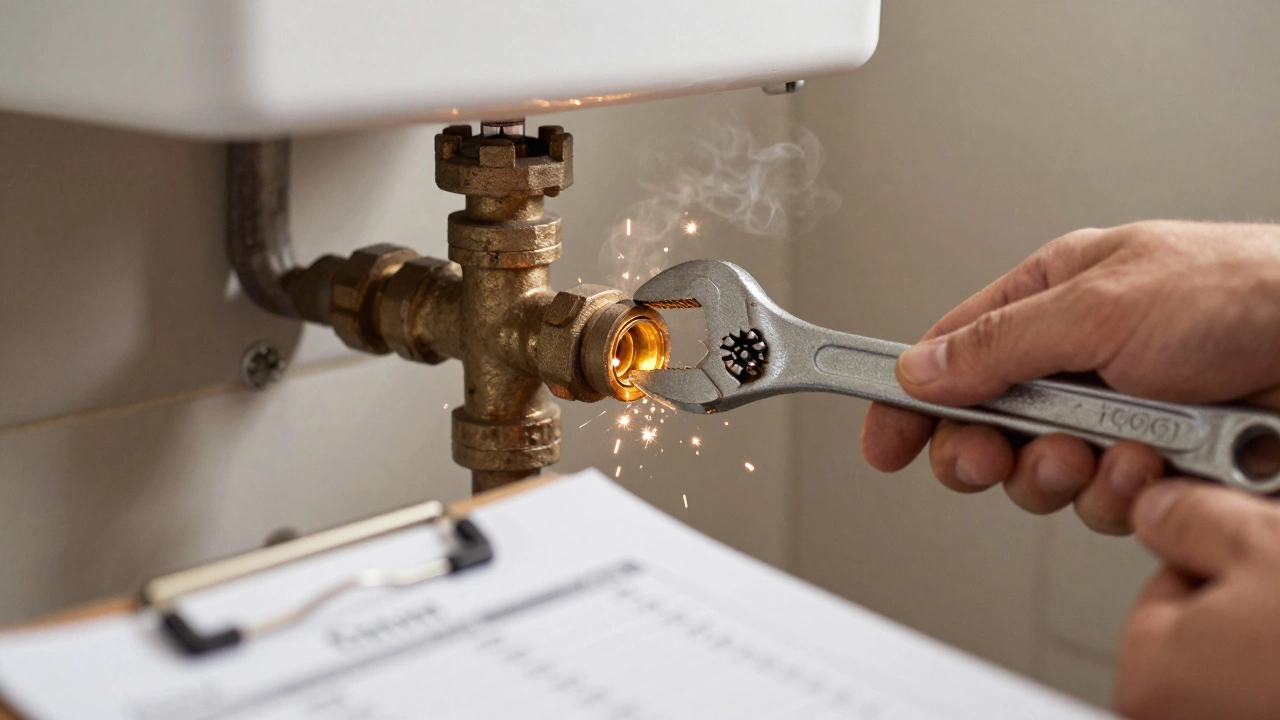
Safety Valves: The temperature and pressure relief valve (TPR valve) is a critical safety component. If it fails or sticks due to age, pressure can build up inside the tank, creating a potential explosion hazard. While rare, it’s a real risk with neglected older units.
When Might a Repair Still Make Sense?
Are there exceptions? Yes, but they are narrow. Consider repairing only if:
- The issue is external: If the problem is with the wiring, the pilot light assembly, or a loose connection, and the tank itself shows no signs of rust or leakage, a minor fix might buy you six more months.
- Budget constraints are absolute: If you simply cannot afford a new unit right now, a temporary repair can keep you going until you save up. Just treat it as a stopgap, not a solution.
- You plan to sell the house soon: If you’re listing your home in the next few weeks, a cheap repair might be enough to pass inspection. However, buyers will likely negotiate a lower price once they see the age of the unit.
If none of these apply, the math rarely favors repair.
What to Look for Before Deciding
Before you call anyone, do a quick visual inspection. Look for these red flags:
- Rust-colored water: If your hot water looks rusty, the tank is corroding internally. Replace immediately.
- Puddles around the base: Even a small damp spot suggests a slow leak. Once a tank starts leaking, it won’t stop.
- Noisy operation: Popping, rumbling, or banging sounds indicate heavy sediment buildup. This stresses the tank walls.
- Inconsistent temperature: If water fluctuates between scalding and cold, the thermostat or dip tube is failing.
If you see any of these, especially rust or leaks, skip the repair quote. Get a replacement estimate instead.
Choosing Your Next Water Heater
If you decide to replace, you have options. Here’s what to consider:
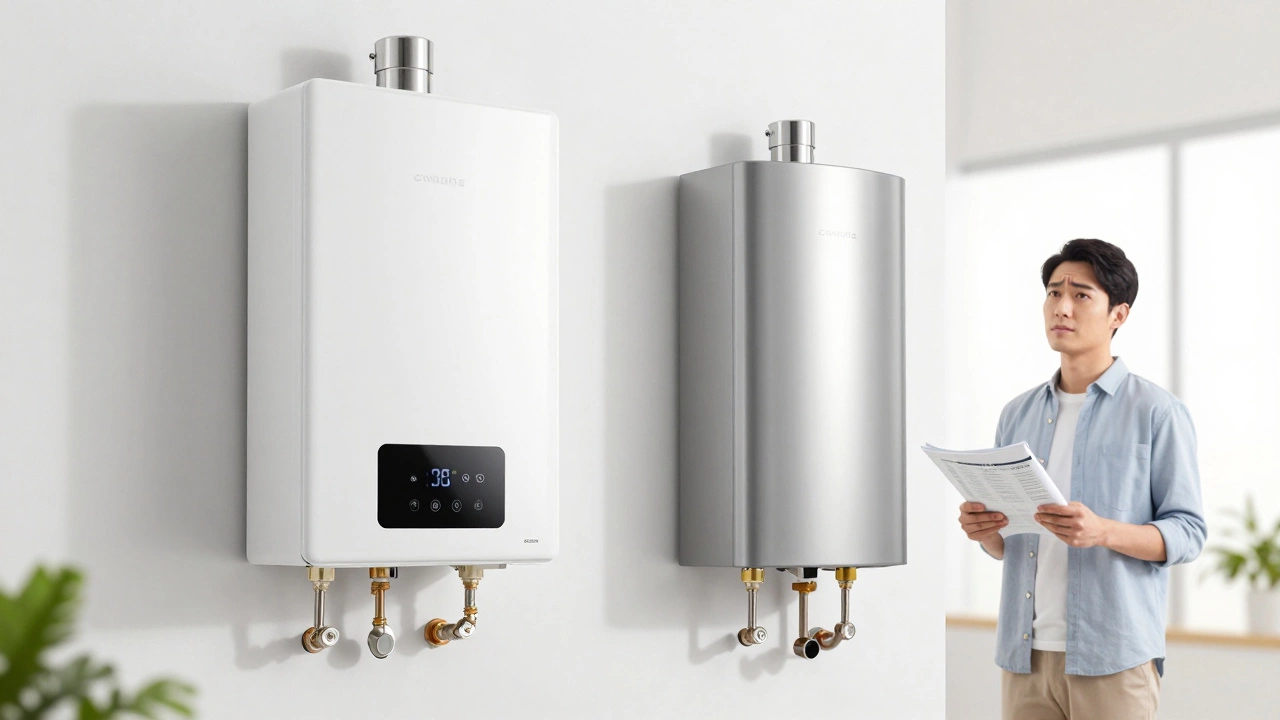
Standard Tank vs. Tankless: Tankless units heat water on demand. They last longer (20+ years) and save space, but the upfront cost is higher. They also require proper venting and gas line upgrades in some homes. For a family of four with simultaneous hot water needs, a high-capacity tankless system is ideal. For a couple or small household, a standard 50-gallon tank is often sufficient and cheaper to install.
Fuel Type: Gas units generally heat faster and are cheaper to run in areas with natural gas access. Electric units are safer (no combustion gases) and easier to install if you don’t have gas lines, but they can be slower to recover and more expensive to operate depending on your local electricity rates.
Efficiency Ratings: Look for ENERGY STAR certified models. In Canada, these meet strict efficiency standards. The initial investment pays off through lower utility bills over the unit’s life.
Final Verdict: Don’t Fix It, Replace It
So, is it worth fixing a twenty-year-old water heater? In almost every case, no. The likelihood of future failures, the poor energy efficiency, and the risk of water damage make replacement the smarter financial and practical choice. You’re not just buying a new appliance; you’re buying peace of mind, better efficiency, and protection for your home.
Call a licensed plumber for a replacement quote. Ask them to inspect your current setup, recommend the right size and type for your household, and handle the disposal of the old unit. It’s an investment that protects your home and your wallet in the long run.
How much does it cost to replace a 20-year-old water heater?
The total cost typically ranges from $1,200 to $2,500 for a standard tank installation, including labor, permits, and disposal of the old unit. Tankless systems can cost $3,000 to $5,000 or more depending on complexity.
Can a 20-year-old water heater explode?
While rare, it is possible if the temperature and pressure relief valve fails and pressure builds up uncontrollably. Regular maintenance and timely replacement significantly reduce this risk.
Should I flush my water heater before replacing it?
No. If you are replacing the unit, flushing is unnecessary. In fact, disturbing a heavily sedimented old tank during flushing could cause leaks or damage connections. Let the professional handle the draining during removal.
What is the average lifespan of a water heater?
Most tank-style water heaters last between 8 and 12 years. With excellent maintenance and soft water, some may reach 15 years. Twenty years is well beyond the expected lifespan.
Is it better to repair or replace a leaking water heater?
Always replace. A leaking tank indicates internal corrosion that cannot be fixed. Temporary patches will fail, leading to more extensive water damage.