

Is It Worth Fixing a 15-Year-Old Stove? Repair vs. Replace Guide
 Sep, 28 2026
Stove Repair vs. Replace Decision Calculator
Enter your details below to determine if fixing your current stove is worth the investment compared to buying a new one.
Recommendation
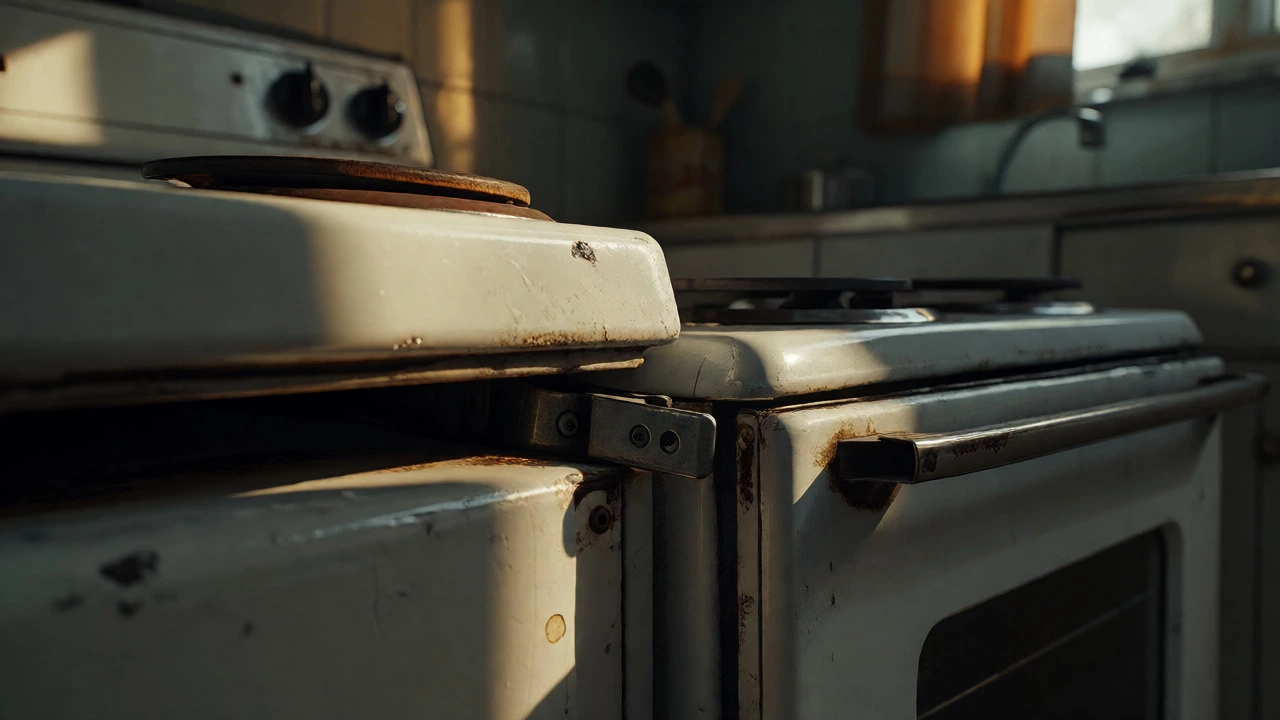
You’re standing in your kitchen, staring at that stubborn burner that won’t ignite or the oven door that hangs crookedly on its hinges. The stove has been with you for fifteen years. It’s seen countless Thanksgiving turkeys and midnight snacks. But now, it’s acting up again. The repair technician quotes you $250 for a part that costs $40 online. Your gut tells you something is off. Should you pay to fix it, or is it time to say goodbye?
This isn’t just about money; it’s about safety, efficiency, and sanity. A 15-year-old stove is entering the twilight of its lifespan. Most appliances are designed to last between 10 and 15 years. Once you cross that threshold, every repair becomes a gamble. Are you investing in a machine that will fail next month, or are you buying yourself another year of reliable cooking?
The Five-Year Rule and Why It Matters
Appliance experts often use a simple heuristic: if the repair cost exceeds 50% of the price of a new unit, replace it. But age changes this equation. For a brand-new stove, spending $300 on a repair might make sense. For a 15-year-old model, that same $300 is throwing good money after bad.
Why? Because wear and tear don’t stop at one component. If your heating element fails at year 15, the wiring insulation is likely brittle. The thermostat sensors are drifting out of calibration. The seals around the oven door have hardened and cracked. Fixing one thing often triggers the failure of another shortly after. You end up paying for multiple small repairs instead of one decisive upgrade.
Consider the hidden costs. An older stove consumes more energy. A modern electric range uses significantly less power due to better insulation and faster heating elements. Over five years, the energy savings from a new, efficient model can offset a portion of the purchase price. In Toronto, where electricity rates fluctuate, these savings add up. Check your utility bills. If they’ve crept up without a change in usage habits, your aging appliance might be the culprit.
Safety Risks of Aging Appliances
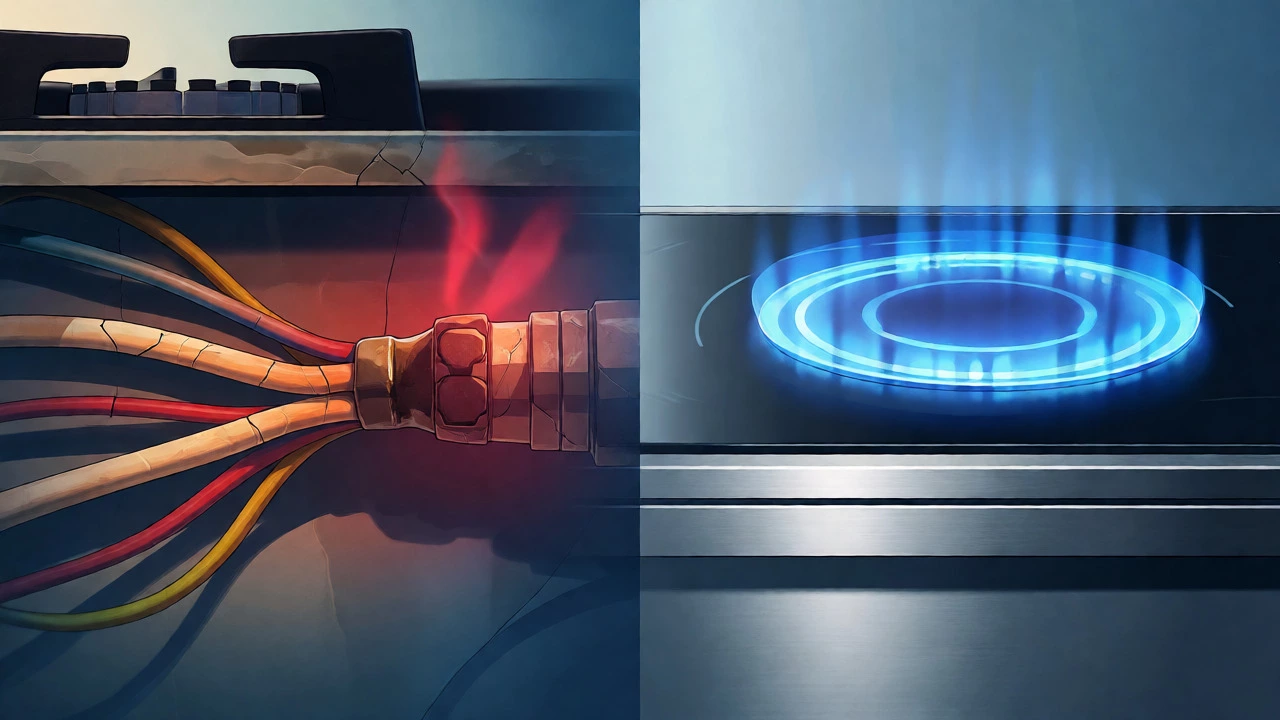
Money is one factor, but safety is non-negotiable. Older stoves, especially gas models, pose specific risks. Gas lines degrade. Connectors loosen over time due to thermal expansion and contraction. A small leak might not smell like rotten eggs immediately because your olfactory senses adapt, or the odorant fades. But a slow leak near an ignition source is a fire hazard.
Electric stoves have their own dangers. Cracked ceramic glass cooktops can shatter under heat stress. Exposed wiring behind the console can short out, potentially causing electrical fires. If your stove sparks when you turn on a burner, or if the circuit breaker trips frequently, these are red flags. These aren’t minor inconveniences; they are warnings that the internal infrastructure is failing.
Carbon monoxide (CO) poisoning is a silent killer associated with faulty gas appliances. While modern detectors help, an old oven’s ventilation system may be compromised by rust or debris. If you experience headaches or nausea while cooking, get your CO levels checked. Don’t assume it’s just a stuffy kitchen.
When Repair Makes Sense
So, is it always worth replacing? No. There are scenarios where fixing a 15-year-old stove is the smart move. Here’s how to decide:
- The Problem Is Isolated: If only the igniter switch is broken, and everything else works perfectly, a $150 repair might buy you two more years. This is common with standalone ranges where the main body is still solid.
- High-End Brand Value: Did you buy a premium brand like Wolf, Viking, or Gaggenau? These units are built to last longer than standard appliances. Replacement costs can exceed $5,000. Spending $500 to keep a $6,000 stove running is often financially sound.
- Part Availability: Some older models use parts that are still widely available. If your local repair shop stocks the components, labor is cheaper. Custom orders for obsolete parts drive up costs and wait times.
- Rental Properties: If you’re a landlord, minimizing upfront capital expenditure matters. A cheap repair keeps cash flow positive until you can budget for a full kitchen refresh.
When Replacement Is the Only Option
If any of the following apply, put down the wrench and start browsing stores:
- Cabinet Fit Issues: Standard stove widths haven’t changed much, but depth and height vary. If your current stove is custom-built into cabinetry, removing it might require expensive carpentry work. However, if the damage is structural, the carpentry cost is worth avoiding future disasters.
- Multiple Failures: If the clock, oven light, and burner all fail within six months, the control board is likely dying. Control boards are expensive ($300-$800). Replacing one doesn’t guarantee the others won’t follow.
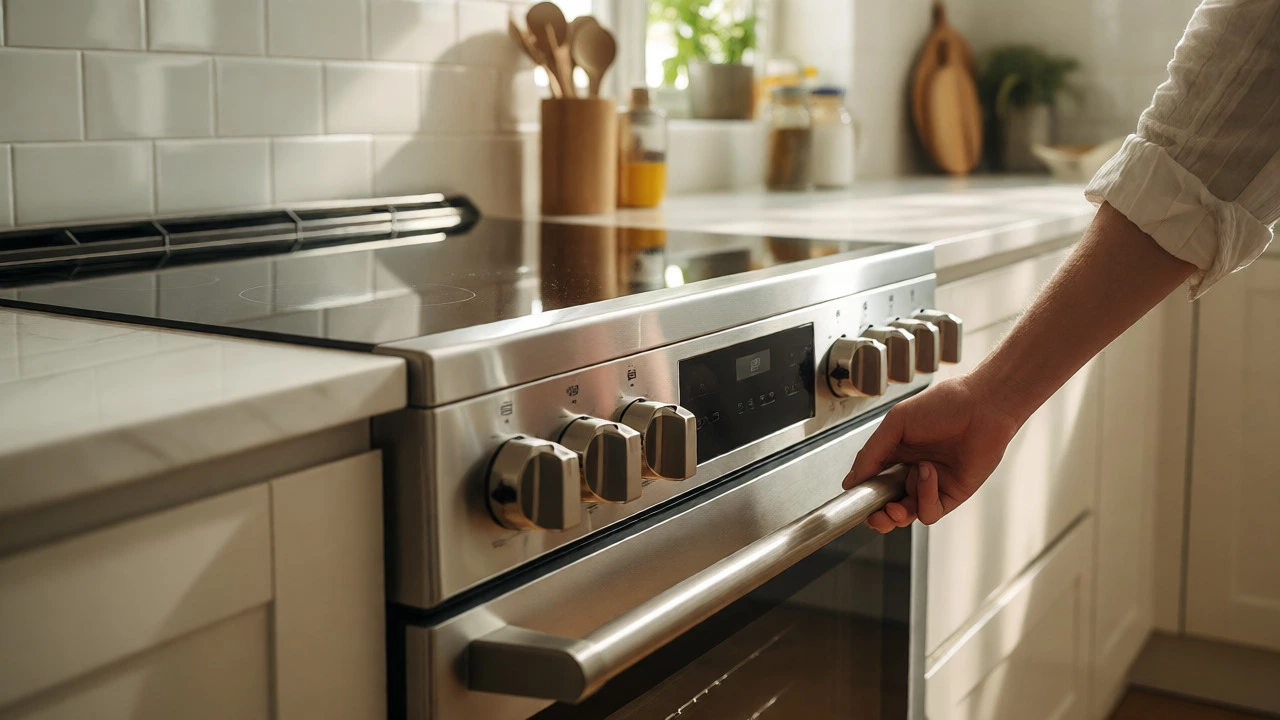
- Aesthetic Obsolescence: Let’s be honest. A yellowed, scratched stove drags down the value of your home. If you plan to sell in the next three years, a modern stainless steel range boosts curb appeal and perceived value. Real estate agents often note that updated kitchens sell faster.
- Lack of Modern Features: Do you want convection baking, induction cooking, or Wi-Fi connectivity? A 15-year-old stove lacks these. If you love cooking, upgrading improves your daily quality of life. Induction cooktops, for instance, boil water twice as fast as electric coils and cool down instantly, reducing burn risks.
Cost Comparison: Repair vs. Buy
Let’s look at the numbers. Prices vary, but here’s a realistic breakdown for a standard freestanding electric range in 2026:
| Item | Repair Cost (Est.) | Replacement Cost (Est.) | Notes |
|---|---|---|---|
| Igniter Switch | $150 - $200 | N/A | Common fix, low risk. |
| Heating Element | $100 - $180 | N/A | Easy DIY for some users. |
| Main Control Board | $400 - $700 | $800 - $1,200 | High failure rate on old units. |
| Gas Valve Assembly | $300 - $500 | $900 - $1,500 | Requires certified technician. |
| New Basic Range | N/A | $700 - $1,000 | Includes delivery and haul-away. |
| New Mid-Range Range | N/A | $1,200 - $1,800 | Better features, warranty included. |
Notice the crossover point. If your repair quote hits $400, you’re halfway to a new basic model. With a new model, you get a one-year warranty and peace of mind. With the repair, you get no guarantee that the adjacent component won’t fail next week.
Environmental Impact
Some readers worry about waste. Throwing away a working-ish appliance feels wasteful. But consider the lifecycle. Manufacturing a new stove requires resources, yes. But operating an inefficient 15-year-old stove generates higher carbon emissions over its remaining life due to energy waste. Modern Energy Star-rated appliances are 20-30% more efficient. By upgrading, you reduce your household’s carbon footprint through lower electricity or gas consumption.
Also, recycling programs exist. Most retailers haul away your old unit for a fee, ensuring metals and plastics are processed correctly. Don’t let guilt keep a dangerous appliance in your home.
How to Extend the Life of Your Next Stove
If you decide to replace, make the investment count. Clean spills immediately. Burnt-on residue corrodes surfaces and damages heating elements. Use proper cookware. Flat-bottomed pots ensure even heat distribution, preventing hot spots that warp metal. Schedule annual inspections for gas connections. Keep vents clear of dust and grease. These small habits can push a new stove’s lifespan toward the 20-year mark.
For those sticking with the old stove, perform a deep clean. Remove burner grates and soak them. Vacuum the bottom of the oven cavity. Check the door seal by closing the door on a piece of paper. If you can pull it out easily, the seal is broken, causing heat loss. Replacing a seal is cheap ($50-$100) and improves efficiency immediately.
How long do stoves usually last?
The average lifespan of a stove is 13 to 15 years. Gas ranges tend to last slightly longer than electric ones due to fewer electronic components, but this varies heavily by brand and maintenance. High-end luxury brands can last 20+ years with professional care.
Is it cheaper to repair or replace a stove?
Generally, if the repair cost is less than 50% of the replacement cost, repair is cheaper upfront. However, for appliances over 10 years old, replacement is often more cost-effective long-term due to avoided repeat repairs and improved energy efficiency.
What are the signs my stove needs replacing?
Key signs include uneven heating, frequent breaker trips, visible rust or cracks, excessive noise, and difficulty maintaining temperature. If multiple components fail within a short period, replacement is usually recommended.
Can I install a new stove myself?
Electric stoves are easier for DIY installation if you have the right tools and knowledge of electrical safety. Gas stoves should always be installed by a licensed professional to ensure safe gas line connections and compliance with local codes, such as those in Ontario, Canada.
Do old stoves use more electricity?
Yes. Older stoves often have degraded insulation and less efficient heating elements, leading to higher energy consumption. Upgrading to a modern, Energy Star-certified model can reduce energy usage by 10-20% compared to units manufactured 15 years ago.