

Is It Bad to Leave an Electric Oven On All Night? Safety, Costs, and Risks Explained
 Aug, 3 2026
Oven Overnight Cost & Risk Calculator
Input Parameters
Results Analysis
Appliance Comparison (8 Hours)
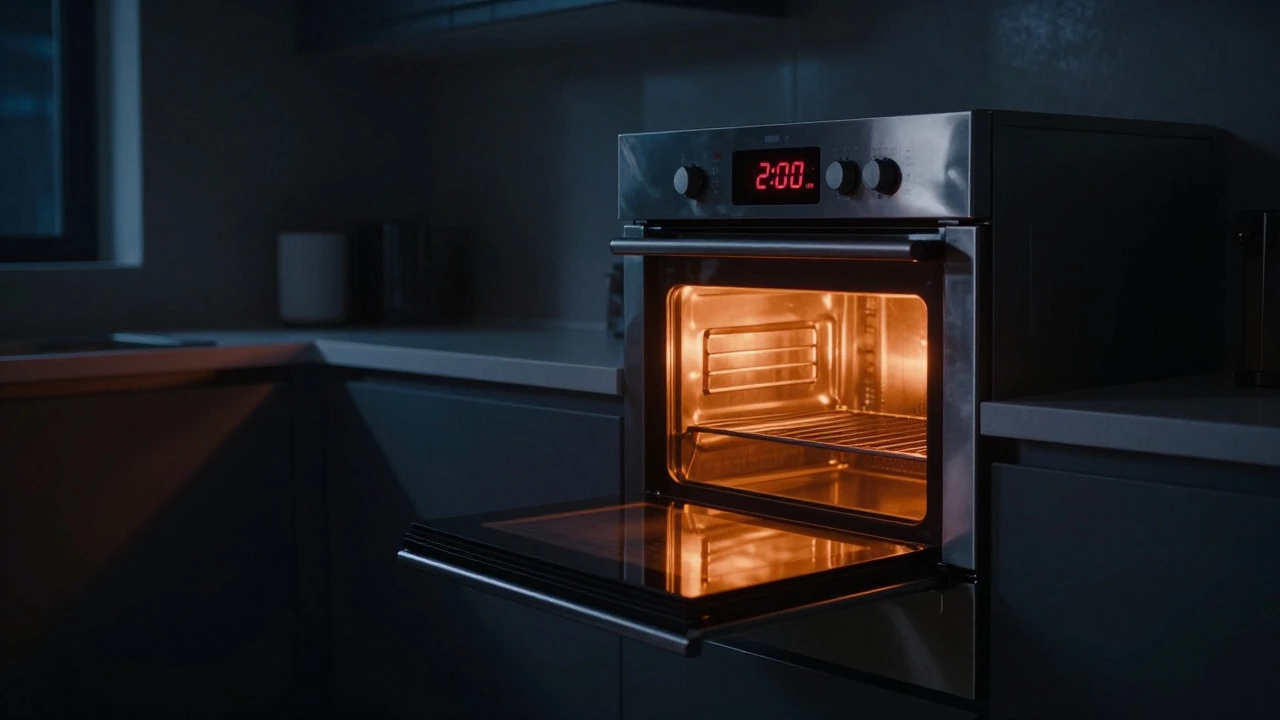
It’s 2 AM. The house is quiet. You’re trying to sleep, but that nagging thought won’t go away: Did I turn off the oven? Or maybe you intentionally left it on low to keep a roast warm for your morning guests. Either way, the question hits hard: Is it actually bad to leave an electric oven on all night?
The short answer is yes. While modern ovens are built with safety features, leaving one running for eight hours straight introduces unnecessary risks-from soaring electricity bills to potential fire hazards and premature wear on your appliance. Let’s break down exactly what happens inside that box when you let it run through the night, whether it’s worth the risk, and how to protect your home.
The Hidden Cost of Overnight Cooking
Before we talk about fires, let’s talk about your wallet. Leaving an electric oven on all night is expensive. Most standard electric ovens draw between 2,000 and 5,000 watts when heating up. Even at a lower setting like 'Warm' or 170°F (77°C), they cycle on and off to maintain temperature, drawing significant power over time.
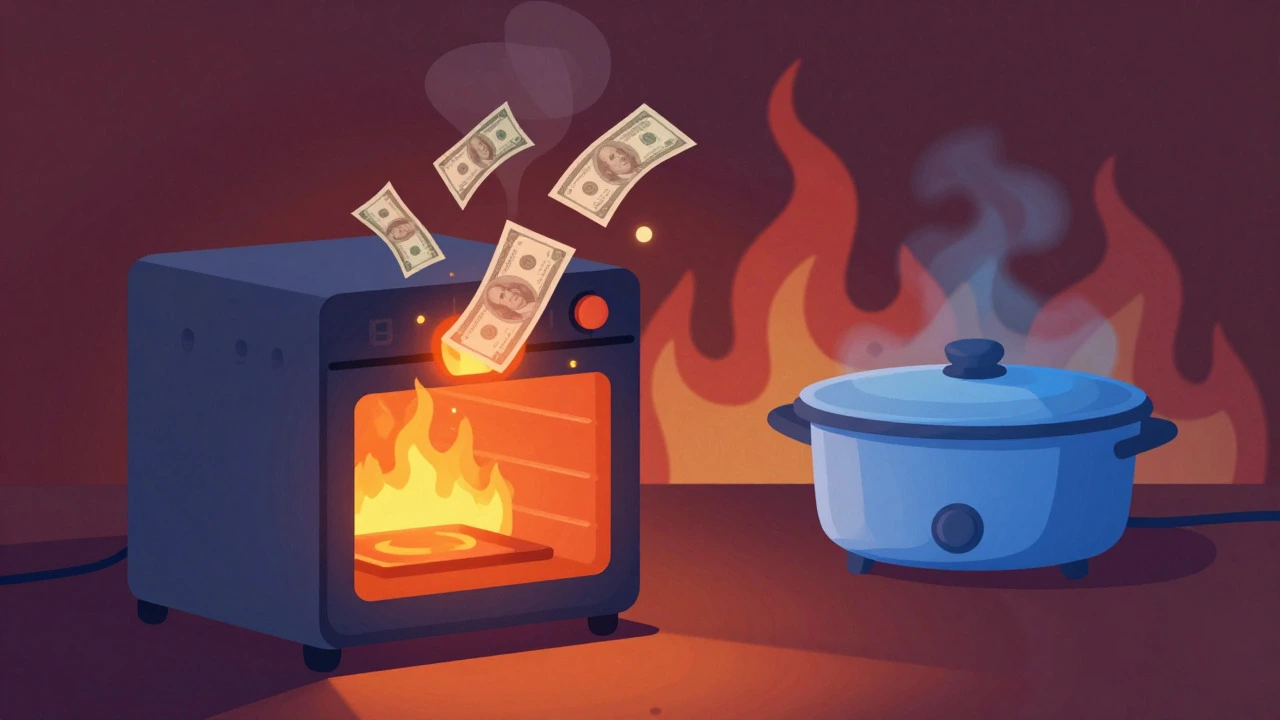
In Toronto, where residential electricity rates hover around 9-10 cents per kWh in summer 2026, leaving a 3,000-watt oven on for 8 hours could cost you roughly $2.00 to $2.50. That doesn’t sound like much until you realize you could have bought a slow cooker for less than $50 and used it for years at a fraction of that cost. Slow cookers use only 100-200 watts. The difference is stark.
If you’re doing this regularly, those small charges add up. More importantly, you’re paying premium rates for convenience that comes with hidden dangers.
| Appliance | Average Wattage | Cost for 8 Hours (CAD) | Safety Risk Level |
|---|---|---|---|
| Electric Oven | 2,000 - 5,000 W | $1.80 - $3.60 | High |
| Slow Cooker | 100 - 200 W | $0.07 - $0.14 | Low |
| Toaster Oven | 800 - 1,500 W | $0.60 - $1.20 | Medium-High |
Fire Hazards: Why Ovens Aren’t Designed for Unattended Use
Here’s the scary part: most kitchen fires start because someone forgot something was cooking. According to data from the Canadian Fire Protection Association, unattended cooking is the leading cause of home kitchen fires. Leaving an oven on all night falls squarely into this category.
Modern electric ovens have thermal fuses and automatic shut-off timers in many newer models, but these aren’t foolproof. If grease builds up on the bottom rack or spills onto the heating element, it can ignite. At high temperatures, even paper towels or plastic utensils left inside can catch fire. And if you’re sleeping, you might not smell smoke until it’s too late.
Older ovens-especially those manufactured before 2010-are more vulnerable. Their thermostats degrade over time, meaning the oven might not cool down properly between cycles. This causes the interior to overheat, stressing wiring and increasing fire risk. If your oven is older than ten years, leaving it on overnight is playing Russian roulette with your kitchen.
Wear and Tear: How Overnight Use Shortens Your Oven’s Life
Ovens aren’t designed for marathon sessions. Every time the heating element turns on, it expands. When it cools, it contracts. This thermal cycling puts stress on the metal components. Doing this for eight hours straight accelerates fatigue in the elements, door seals, and control boards.
I’ve seen dozens of repair cases where customers reported their oven stopped working after “just one long bake.” In reality, the constant heat had weakened the thermal fuse or cracked the glass door seal. Replacing a heating element costs $150-$300 in parts alone, plus labor. A new oven runs $800-$1,500. Is keeping leftovers warm really worth that?
Additionally, prolonged heat exposure degrades the insulation inside the oven cavity. Over time, this makes the oven less efficient, causing it to work harder and consume even more energy. It’s a vicious cycle.
When Might It Be Safe? (And What to Do Instead)
Let’s be fair: there are rare scenarios where leaving an oven on overnight isn’t terrible. For example, if you’re using a dedicated proofing function at a very low temperature (around 80-90°F) to rise dough, and you’re awake to monitor it, the risk is minimal. But even then, it’s better to use a bread machine or a warming drawer specifically designed for low-heat holding.
If you absolutely must keep food warm overnight, here’s what you should do instead:
- Use a slow cooker: Set it to 'Low' or 'Warm.' These appliances are insulated and designed for long, unattended operation.
- Transfer food to a thermos: High-quality vacuum-insulated containers can keep food hot for 6-8 hours without any power source.
- Reheat in the morning: Store leftovers in the fridge and microwave them when you wake up. It takes two minutes and uses negligible energy.
Never use an oven as a space heater. Yes, people do this in winter. No, it’s not safe. Ovens vent heat unevenly, and the exhaust fans pull air from the kitchen, potentially drawing in dust or fumes. Plus, you’re risking tripping your circuit breaker.
Safety Features You Should Know About
Not all ovens are created equal. Newer models come with safety tech that reduces-but doesn’t eliminate-the risk of overnight use. Here’s what to look for:
- Automatic Shut-Off: Many ovens now default to turning off after 8-12 hours if no interaction occurs.
- Child Locks: Prevent accidental activation, but don’t help if you intentionally leave it on.
- Residual Heat Indicators: Show when the oven is still hot, reducing burn risks after you forget it was on.
- Smart Connectivity: Apps that alert you if the oven is left on can be lifesavers. Some even allow remote shut-off.
Check your owner’s manual. If your oven lacks an auto-shutoff feature, consider upgrading or installing a smart plug with timer functionality (though note: not all ovens work well with smart plugs due to high wattage).
What to Do If You Forget You Left It On
Panic helps no one. If you wake up and realize the oven has been on all night, follow these steps:
- Don’t open the door immediately. Sudden cooling can crack the glass or cause steam burns. Wait 10-15 minutes for the temperature to drop slightly.
- Check for smoke or burning smells. If present, evacuate the house and call 911. Don’t try to fight a kitchen fire yourself unless it’s tiny and contained.
- Turn off the oven at the breaker if needed. If the controls are unresponsive, cut power at the main panel.
- Inspect for damage. Look for warped racks, melted knobs, or discolored walls. If anything looks wrong, schedule a professional inspection.
Even if nothing seems wrong, monitor the oven for the next few days. Watch for error codes, uneven heating, or unusual noises. Early detection prevents bigger problems later.
Bottom Line: Don’t Gamble With Your Kitchen
Leaving an electric oven on all night is risky, expensive, and unnecessary. Modern alternatives exist that are safer, cheaper, and more efficient. Save your oven for actual cooking. Use a slow cooker, thermos, or reheater for overnight warmth. Your wallet-and your peace of mind-will thank you.
If you’re unsure about your oven’s condition, book a maintenance check. Technicians can test thermostats, inspect heating elements, and verify safety sensors. It’s a small investment compared to replacing a destroyed kitchen.
Can leaving an electric oven on all night cause a fire?
Yes. Unattended cooking is the top cause of kitchen fires. Grease buildup, spilled food, or faulty thermostats can ignite materials inside the oven. Older models are especially vulnerable.
How much does it cost to leave an oven on overnight?
In Canada, expect to pay $2-$4 per night depending on your rate and oven size. Over a year, that adds up to hundreds of dollars wasted.
Do modern ovens turn off automatically?
Many newer models have auto-shutoff after 8-12 hours. Check your manual. Older units rarely have this feature.
Is it safe to use an oven to keep food warm overnight?
No. Ovens aren’t designed for long-term holding. Food quality degrades, and safety risks increase. Use a slow cooker or refrigerate and reheat instead.
What should I do if I find my oven was left on all night?
Stay calm. Don’t open the door right away. Check for smoke or smells. Turn off power if needed. Inspect for damage and schedule a technician visit if anything seems off.
Can I use a smart plug with my electric oven?
Most standard smart plugs can’t handle the high wattage of ovens (2,000+ W). Look for heavy-duty industrial-grade plugs rated for 15A+, or install a hardwired smart relay.
How often should I service my electric oven?
Every 1-2 years. Cleaning grease traps, testing thermostats, and checking door seals prevents failures and improves efficiency.
Are convection ovens safer for overnight use?
Not necessarily. Convection fans circulate heat faster, which can dry out food quicker and increase the chance of burning. They also generate more noise and vibration over long periods.
Does leaving the oven light on affect safety?
Minimal impact. The bulb uses little power and generates negligible heat. However, if the filament breaks, it could create a spark in rare cases. Replace burnt-out bulbs promptly.
What’s the safest alternative to keeping food warm overnight?
A slow cooker set to 'Warm' or a high-quality insulated thermos. Both maintain safe temperatures without fire risk or excessive energy use.