

Is a Laptop an Appliance? The Truth About Electronics vs. Appliances
 Oct, 19 2026
Appliance vs. Electronics Classifier
Confused about whether your new gadget is an "appliance" or "electronics"? This distinction affects warranties, insurance claims, and who you call for repairs. Select a device below to see its classification.
Primary Function
Who Fixes It?
Warranty Type
Insurance Category
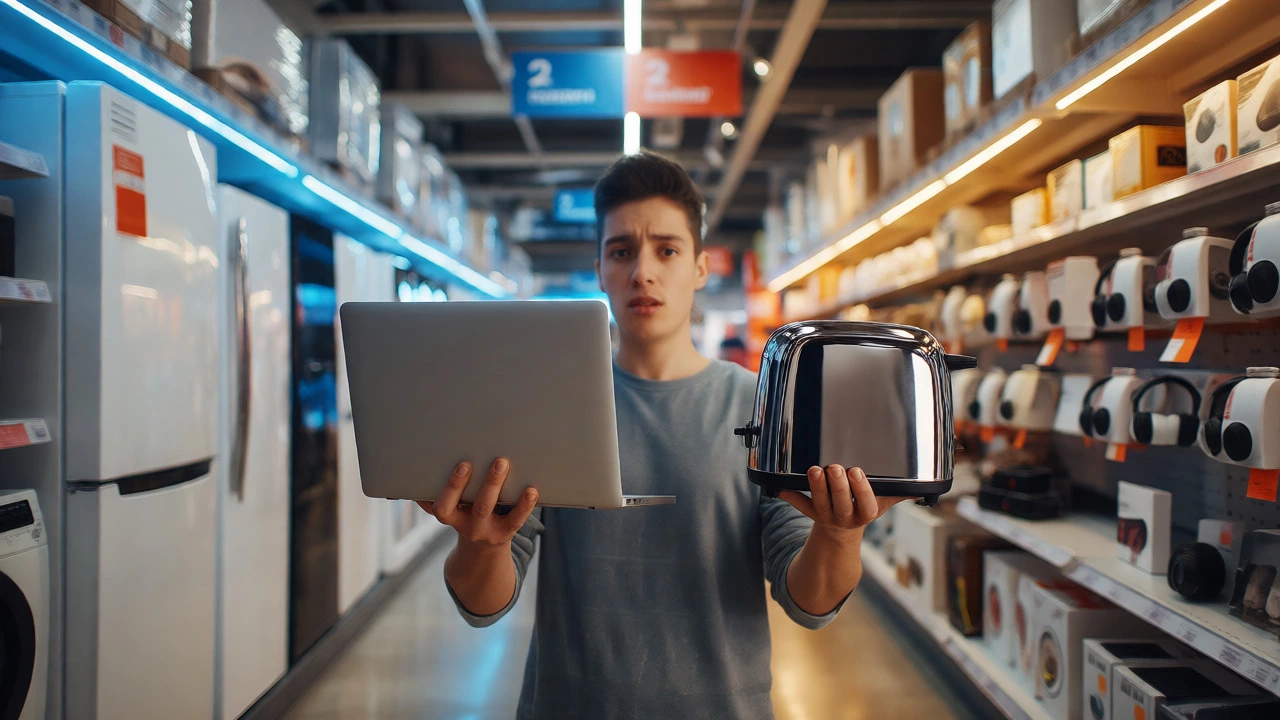
You’re standing in the aisle of a big-box store, holding a shiny new laptop in one hand and a toaster in the other. You want to buy an extended warranty for both. The clerk looks at you funny when you ask if they’re in the same category. "No," he says, pointing to different signs: "Home Appliances" and "Consumer Electronics." But wait. Don’t they both plug into the wall? Don’t they both break down? So, is a laptop an appliance?
The short answer is no. In the strictest technical and retail sense, a laptop is not an appliance. It’s classified as consumer electronics. However, the line gets blurry when you look at how we use them, how we insure them, and who fixes them. If you’ve ever tried to get your laptop repaired under a standard home appliance warranty, you know the frustration. Let’s clear up this confusion once and for all, because knowing the difference saves you money on warranties and helps you find the right technician when things go wrong.
What Actually Counts as an Appliance?
To understand why a laptop doesn’t fit the bill, we have to define what an appliance actually is. An appliance is a device designed to perform a specific household function, usually related to cleaning, cooking, cooling, or climate control. Think about your daily routine. You wake up, make coffee (coffee maker), take a shower (water heater), wash clothes (washing machine), and keep food cold (refrigerator). These are appliances.
The key distinction here is function. Appliances are built to do physical work on matter or energy within the home environment. They manipulate water, heat, air, or food. A laptop, on the other hand, manipulates information. It processes data. While it consumes electricity just like your fridge, its primary job isn’t to clean your socks or cool your milk. It’s to help you write emails, watch movies, or code software. This functional difference is the root of the classification split.
In Canada, where I live, major retailers like Best Buy or Canadian Tire physically separate these sections. Why? Because the supply chains, insurance models, and repair networks are totally different. If you walk into the appliance section looking for a MacBook, you’ll only find microwaves and vacuum cleaners. If you walk into the electronics section, you won’t find a dishwasher. The industry has drawn a hard line, even if our brains try to blur it.
The Technical Divide: Mechanics vs. Logic
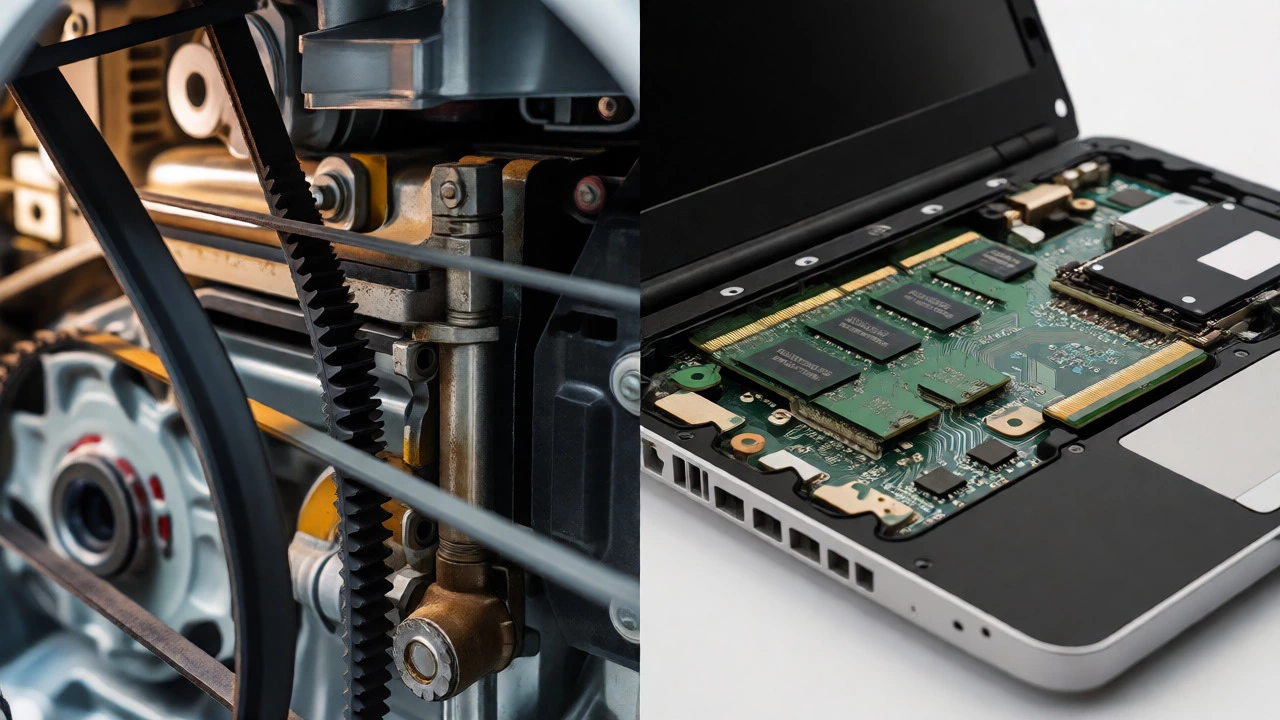
Let’s look under the hood. Literally. When you open up a washing machine, you see motors, belts, pumps, and drums. These are mechanical parts that wear out from friction and movement. Now, open up a laptop. You’ll find a motherboard, RAM sticks, a solid-state drive, and a processor. There are almost no moving parts in a modern laptop except for the fan and maybe the keyboard keys.
This structural difference dictates how they fail and how they are fixed. Appliance repair often involves replacing mechanical components that have broken due to wear and tear. A bearing goes bad, a pump clogs, a heating element burns out. These are robust, heavy-duty parts. Laptop repair is more about micro-soldering, software troubleshooting, and replacing delicate circuit boards. A cracked screen or a failed SSD requires a completely different skill set than fixing a leaking valve on a boiler.
Consider the lifespan and upgradeability too. You can replace the belt on a dryer for twenty bucks and keep it running for another five years. With a laptop, if the motherboard dies, the whole device is often considered totaled because the cost of parts exceeds the value of the remaining tech. Appliances are built to last a decade; laptops are built to be obsolete in three to five years. That planned obsolescence is a hallmark of consumer electronics, not appliances.
Why Do People Confuse Them?
If they’re so different, why does everyone mix them up? Blame the language. We call everything with a plug an "electrical appliance" in casual conversation. Technically, yes, a laptop is an electrical device. But in the world of services and warranties, "appliance" means something specific.
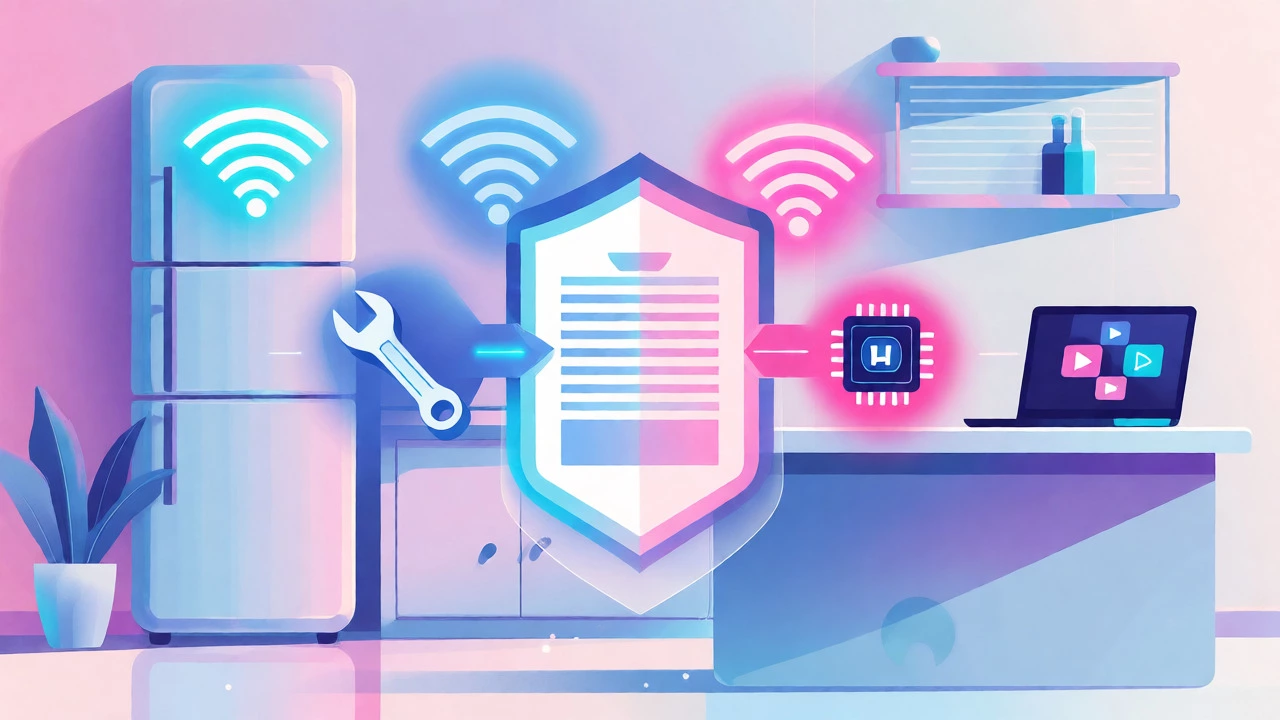
Another reason is the rise of "smart homes." Your refrigerator now has Wi-Fi. Your oven can be controlled by an app. Suddenly, your appliance has electronics inside it. Conversely, your smart TV streams Netflix, acting like a computer. The convergence of technology makes the boundaries fuzzy. But just because your fridge talks to your phone doesn’t make it a smartphone. It’s still a fridge. And just because your laptop plays music doesn’t make it a stereo system. It’s still a computer.
There’s also the issue of insurance policies. Many homeowners’ insurance plans cover "appliances" but exclude "electronics." If your laptop gets fried by a power surge, your insurer might deny the claim, saying it’s not covered under the appliance clause. Conversely, if your fridge breaks, they might argue it’s wear and tear. Understanding this distinction before you file a claim can save you a lot of headaches.
Warranties and Insurance: Where the Money Hides
This is where the rubber meets the road. If you buy an extended warranty for your home appliance, it typically covers mechanical failures, labor, and parts for devices like ovens, fridges, and washers. It rarely covers computers.
| Feature | Laptop (Electronics) | Refrigerator (Appliance) |
|---|---|---|
| Primary Function | Data processing & communication | Food preservation via cooling |
| Key Components | CPU, RAM, SSD, Screen | Compressor, Condenser, Thermostat |
| Repair Type | Micro-electronics, Software | Mechanical, Plumbing, Electrical |
| Average Lifespan | 3-5 Years | 10-15 Years |
| Insurance Category | Personal Property / Electronics | Home Contents / Appliances |
When you shop for protection plans, notice the wording. Companies like SquareTrade or AppleCare+ offer plans specifically for electronics. Home warranty companies like American Home Shield focus on systems and appliances. If you try to put your laptop under a home warranty plan, it will likely be rejected or require a special rider. Always read the fine print. If you want coverage for your laptop, you need an electronics-specific plan. If you want coverage for your HVAC system, you need an appliance/home warranty plan.
Who Fixes What? Finding the Right Technician
So, your device is dead. Who do you call? If you call an appliance repair company for your laptop, they’ll probably laugh. Or worse, they’ll charge you a trip fee just to tell you they don’t touch computers. Appliance technicians are trained in high-voltage systems, refrigerant handling, and mechanical diagnostics. They carry wrenches, multimeters, and screwdrivers for large panels.
Laptop technicians, or IT specialists, work with tiny screws, anti-static mats, and diagnostic software. They need clean environments to prevent dust from ruining sensitive components. In Toronto, you’ll see distinct businesses: "Appliance Repair Toronto" versus "Computer Repair Downtown." They are separate trades. Hiring the wrong person wastes time and money.
However, there is overlap in "white goods" that have complex electronics, like modern smart fridges. Sometimes, an appliance tech needs to call in an electronics specialist to fix the control board. But for a laptop? Stick to computer repair shops. For your washer? Stick to appliance pros. Knowing which trade handles which device ensures you get competent service the first time.
The Grey Area: Smart Devices and IoT
We have to acknowledge the future. As Internet of Things (IoT) devices become common, the line continues to blur. Is a smart speaker an appliance? It sits in your kitchen, plugs into the wall, and performs a service (playing music/answering questions). Retailers often classify them as accessories or electronics, not appliances. Yet, they integrate into your home ecosystem like an appliance.
For tax purposes or business expenses, the classification matters less. Both are depreciating assets. But for practical maintenance, the rule of thumb remains: if it cleans, cooks, cools, or heats your house, it’s an appliance. If it computes, communicates, or entertains via digital media, it’s electronics. A laptop fits squarely in the second bucket.
Practical Tips for Managing Your Tech
Now that you know a laptop isn’t an appliance, here’s how to handle your devices better:
- Separate Warranties: Don’t bundle your laptop and fridge under one generic "device" warranty unless the contract explicitly states it covers both. Read the exclusions.
- Find Specialized Repair: Build a contact list with two types of pros: one for home systems (HVAC, plumbing, appliances) and one for personal tech (phones, laptops, tablets).
- Surge Protection: Both appliances and laptops suffer from power surges, but laptops are more sensitive. Use a high-quality surge protector for your electronics. For large appliances, ensure your home wiring is grounded properly.
- Resale Value: Laptops depreciate fast. Appliances hold value longer. Factor this into your buying decisions. Buying a used fridge is often safer than buying a used laptop, depending on age and condition.
Understanding these categories helps you navigate the marketplace smarter. You stop expecting a plumber to fix your Wi-Fi, and you stop expecting a computer geek to fix your leaky faucet. Each tool has its place, and each trade has its expertise.
Can I use my home appliance warranty to fix my laptop?
Generally, no. Most home warranty plans cover major household systems and appliances like refrigerators, ovens, and HVAC units. They typically exclude portable consumer electronics such as laptops, smartphones, and televisions. Check your specific policy, but you usually need a separate manufacturer warranty or third-party electronics protection plan for your laptop.
Why are laptops not considered white goods?
"White goods" refers to large household appliances traditionally painted white, like fridges and washing machines. Laptops are small, portable, and made of plastic or metal alloys, fitting into the "brown goods" or "consumer electronics" category. The distinction is based on size, portability, and function rather than just color.
Do laptop repairs cost more than appliance repairs?
It depends on the damage. Simple appliance repairs (like replacing a belt) can be cheap, while complex ones (compressor replacement) are expensive. Laptop repairs vary widely; a battery swap is cheap, but a logic board repair can cost nearly as much as a new mid-range laptop. Labor rates for specialized micro-soldering can be higher than general appliance mechanics.
Is a smart TV an appliance or electronics?
A smart TV is classified as consumer electronics. Even though it connects to the internet like a smart appliance, its primary function is entertainment and display, not a household utility task like cleaning or cooking. It falls under the same category as laptops and gaming consoles.
Does homeowner's insurance cover laptop theft differently than appliance damage?
Yes, often. Homeowner's insurance usually covers personal property (including laptops) for theft or fire, regardless of location. However, damage to appliances from mechanical failure is often excluded unless you have a specific endorsement. Laptops are personal belongings; appliances are part of the home structure or contents. The claims process differs significantly.