

How to Tell if Your Anode Rod is Bad: Signs, Inspection & Replacement Guide
 Jun, 1 2026
Anode Rod Lifespan Calculator
Estimate how long your anode rod will last based on your water type and the material of the rod. This tool helps you plan maintenance to prevent tank corrosion.
Estimated Lifespan:
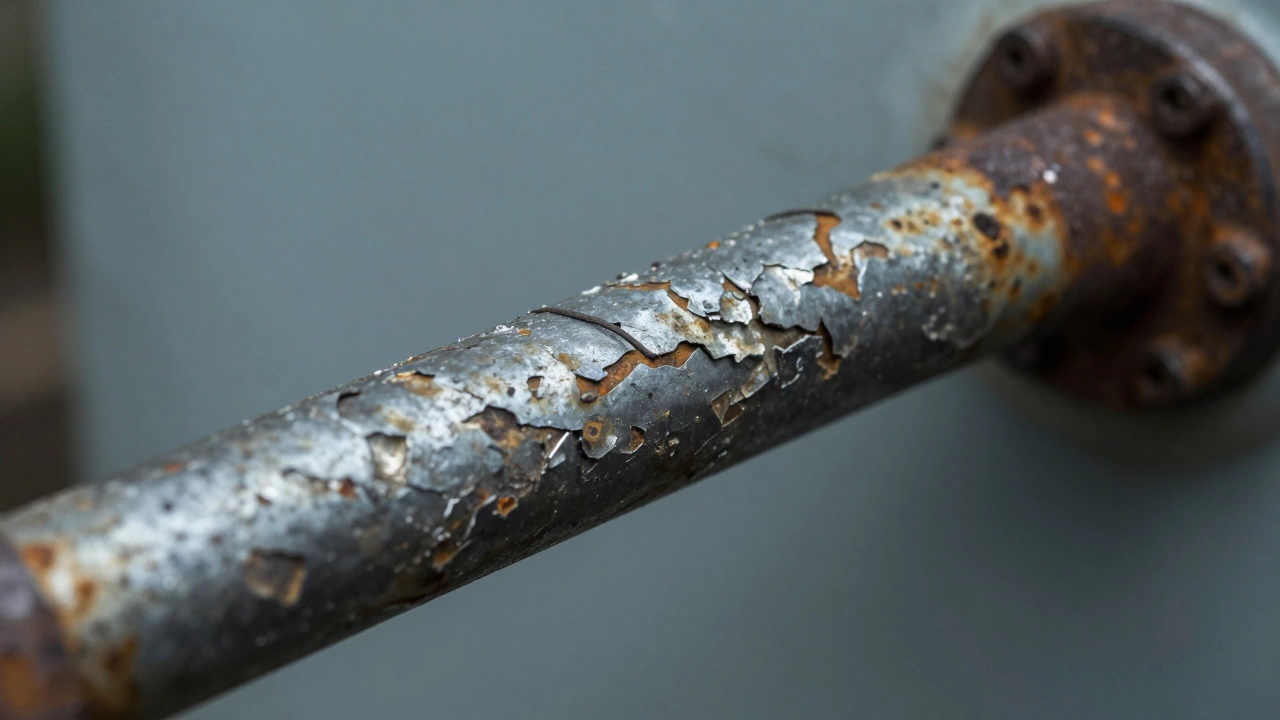
Imagine turning on your shower only to hear a metallic clanking sound, or noticing that your hot water smells like rotten eggs. It’s not just bad luck; it might be your water heater’s silent defender failing you. That defender is the anode rod, a crucial component inside your tank designed to prevent rust and extend the life of your appliance. When this part wears out, your water heater becomes vulnerable to catastrophic leaks. Knowing how to spot the signs of a failing anode rod can save you thousands in replacement costs and prevent water damage to your home.
Most homeowners ignore their water heaters until they break down completely. But the anode rod is a consumable part-it literally sacrifices itself to protect the steel tank. Once it’s gone, the corrosion process attacks the tank directly. In this guide, we’ll walk through exactly what to look for, how to inspect the rod yourself, and when it’s time to call a professional or swap it out.
What Is an Anode Rod and Why Does It Matter?
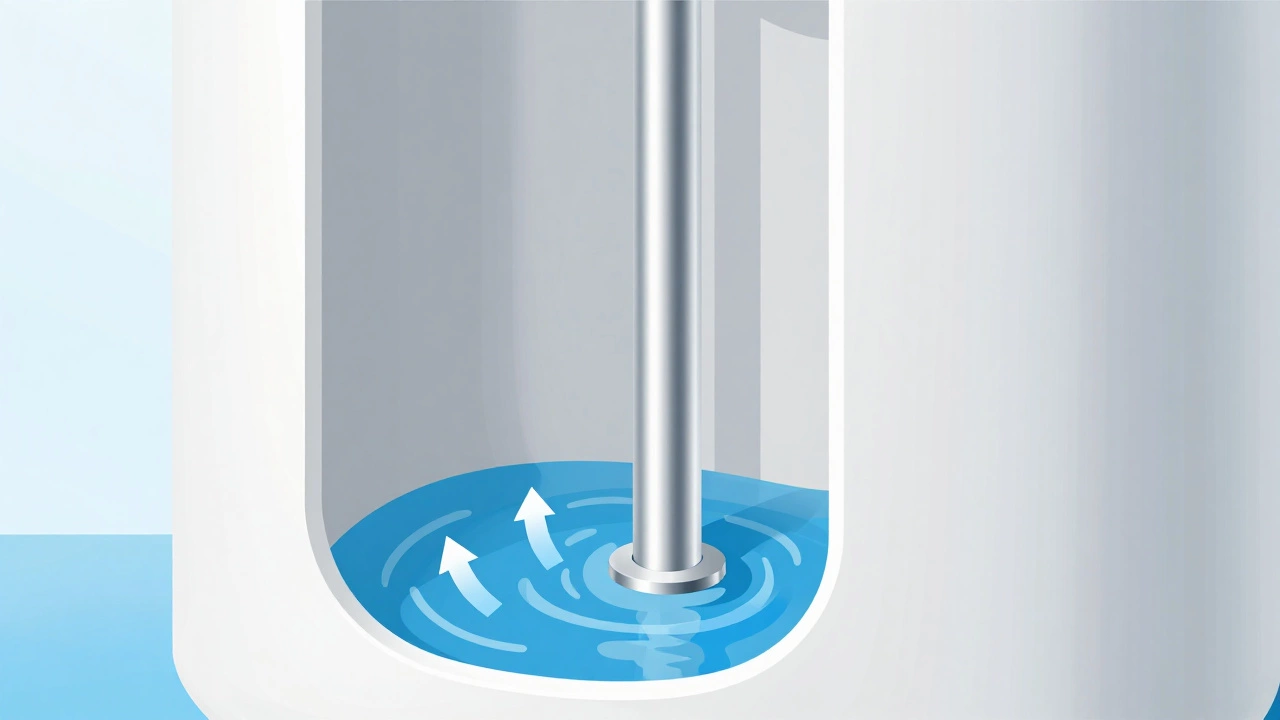
To understand why your anode rod matters, you need to know how a water heater tank works. Inside your unit is a large steel tank filled with water. Steel and water are a bad mix-they react chemically to create rust. To stop this, manufacturers install a sacrificial anode rod. This rod is made of a metal that is more "active" than steel, usually magnesium or aluminum.
Through a process called electrolysis, the water naturally corrodes the anode rod instead of the steel tank. Think of it as a bodyguard taking a bullet for the boss. As long as the anode rod has material left, your tank stays safe. Once the rod is fully consumed, the water starts eating away at the tank walls. This is why checking this simple part is one of the most cost-effective maintenance tasks you can perform.
| Rod Type | Material | Best For | Lifespan Estimate |
|---|---|---|---|
| Magnesium | Pure Magnesium | Soft water areas | 3-5 years |
| Aluminum | Aluminum-Zinc Alloy | Hard water areas | 5-7 years |
| Titanium Powered | Titanium Core with Electrical Charge | All water types, longest life | 10+ years |
Top Signs Your Anode Rod Needs Replacement
You don’t always need to open the tank to know something is wrong. There are several external clues that suggest your anode rod is depleted or failing. If you notice any of these symptoms, it’s time to investigate further.
- Sulfur Smell: A distinct "rotten egg" odor coming from your hot water is a classic sign. While bacteria can cause this, a common culprit is the reaction between sulfate-reducing bacteria and a magnesium anode rod. The hydrogen sulfide gas produced creates that foul smell.
- Strange Noises: Popping, rumbling, or banging sounds often indicate sediment buildup. However, excessive noise can also mean the tank is heating unevenly due to corrosion spots where the anode no longer protects the metal surface.
- Rusty Water: If your hot water runs brown or orange but your cold water is clear, the tank lining may be breached. This usually happens after the anode rod has been gone for some time, allowing rust to flake off the tank walls.
- Reduced Hot Water Capacity: If your water heater doesn’t hold heat as well as it used to, it could be due to mineral deposits insulating the tank, but it can also signal internal corrosion affecting the tank’s integrity.
- Age of Unit: If your water heater is older than five years and you’ve never replaced the anode rod, assume it needs attention. Most standard rods last between three and five years depending on water hardness.
How to Inspect Your Anode Rod (Step-by-Step)
The only way to be 100% sure about the condition of your anode rod is to remove it and look at it. This is a DIY-friendly task if you have basic tools and follow safety precautions. Here is how to do it safely.
- Turn Off the Power: If you have an electric water heater, switch off the circuit breaker. For gas units, turn the dial to "Pilot" or "Off."
- Shut Off the Cold Water Supply: Locate the cold water inlet valve near the top of the tank and turn it clockwise to close it.
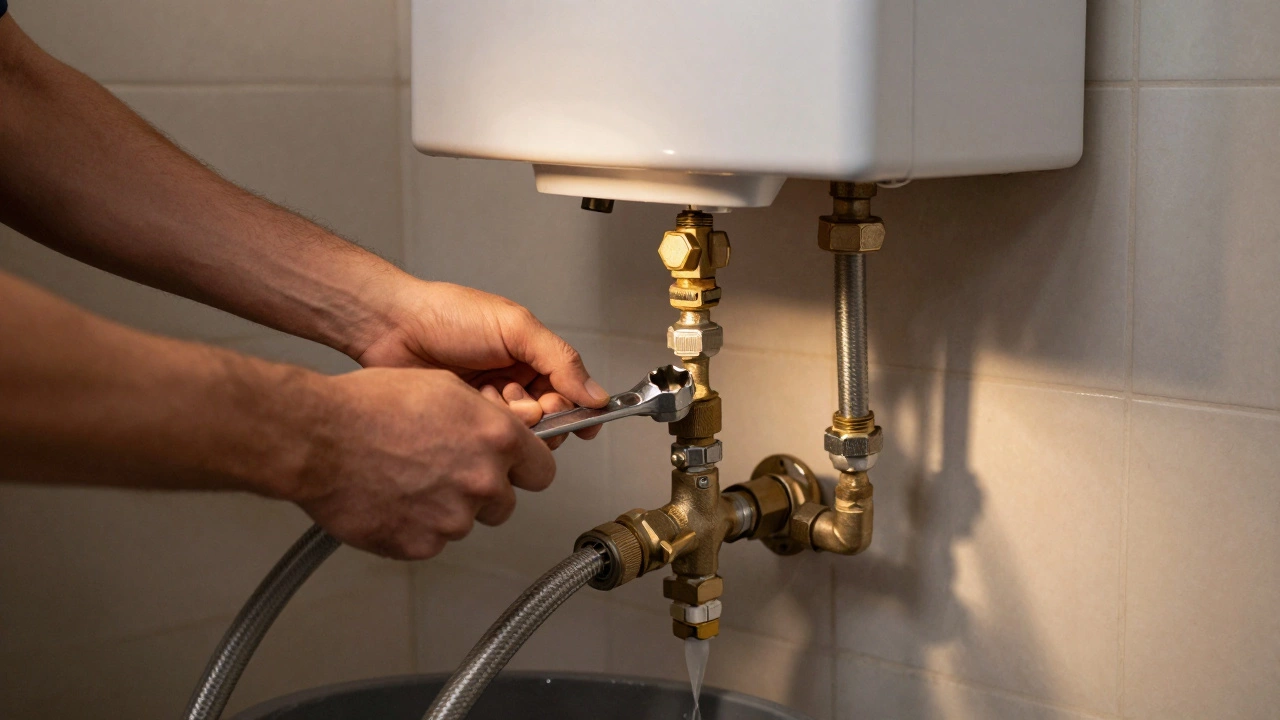
- Drain Some Water: Connect a garden hose to the drain valve at the bottom of the tank. Run the other end to a floor drain or outside. Open the valve and let enough water out so the level drops below the anode rod fitting (usually near the top). You might also need to open a hot water faucet in the house to relieve pressure.
- Locate the Anode Rod: Look for a hexagonal nut on the side of the tank, often covered by a plastic cap. It’s usually next to the temperature-pressure relief valve.
- Remove the Rod: Use a socket wrench (typically 7/8-inch) to loosen the nut. Be prepared for some water to spill out. Pull the rod straight out. It may require some wiggling if it’s stuck with calcium buildup.
- Inspect the Rod: Hold it up to the light. You want to see a solid core wire running through the center. If the outer coating is heavily pitted, crumbly, or less than half its original thickness, it’s time for a replacement.
When to Replace vs. When to Call a Pro
Replacing an anode rod is straightforward, but there are scenarios where calling a professional is the smarter move. If you are comfortable using a wrench and handling plumbing connections, you can likely do this yourself. The cost savings are significant-parts cost $20-$50, while a service call can run $100-$150.
However, call a licensed plumber if:
- The Tank Leaks During Drainage: If opening the drain valve causes a major leak elsewhere, the tank may already be compromised.
- You Have a Glass-Lined Tank with Cracks: If you see cracks in the porcelain lining during inspection, the tank is doomed. Replacing the anode won’t help.
- You’re Unsure About Gas Connections: If working on a gas unit makes you nervous about relighting the pilot or checking for leaks, leave it to the pros.
- The Rod is Stuck Fast: Sometimes calcium encrustation fuses the rod to the tank. Forcing it can strip the threads, requiring specialized extraction tools.
Choosing the Right Replacement Rod
Not all anode rods are created equal. Choosing the right type depends on your local water chemistry. Using the wrong one can lead to faster depletion or continued odor issues.
Magnesium rods are the most aggressive protectors. They work great in soft water but deplete quickly in hard water. They are also the primary cause of sulfur odors because they react with bacteria. If you hate the rotten egg smell, avoid magnesium.
Aluminum rods are slower to deplete and work better in hard water conditions. They don’t produce sulfur odors, making them a popular choice for many Canadian homes with moderate to hard water supplies.
Titanium powered anodes are a newer technology. Instead of sacrificing metal, they use a small electrical charge to repel corrosion. They last much longer (often 10+ years) and eliminate odor issues entirely, though they come at a higher upfront cost ($50-$100).
Maintenance Tips to Extend Life
Once you’ve installed a new anode rod, you can take steps to make it last longer and keep your water heater efficient.
- Flush the Tank Annually: Sediment buildup traps heat and accelerates corrosion. Draining a few gallons from the bottom once a year removes minerals that coat the anode rod, keeping it active.
- Check Temperature Settings: Keep your water heater set to 120°F (49°C). Higher temperatures accelerate chemical reactions, causing the anode rod to deplete faster and increasing energy bills.
- Install a Water Softener: If you live in an area with very hard water (common in parts of Ontario), a water softener reduces mineral content. This drastically slows down the wear on both the anode rod and the tank lining.
- Mark Your Calendar: Set a reminder to check the anode rod every two years. Prevention is far cheaper than emergency repairs.
Frequently Asked Questions
How often should I replace my anode rod?
Generally, you should inspect your anode rod every two years and replace it every three to five years. However, this varies based on water hardness. In areas with very hard water, magnesium rods may need replacing annually, while aluminum or titanium rods can last significantly longer.
Can I replace the anode rod myself?
Yes, replacing an anode rod is a common DIY project. You will need a socket wrench, a garden hose, and a bucket. Ensure you turn off the power and water supply before starting. If you encounter resistance or leaks, it’s best to consult a professional.
Why does my hot water smell like rotten eggs?
A rotten egg smell is often caused by sulfate-reducing bacteria reacting with a magnesium anode rod. Switching to an aluminum or titanium powered anode rod usually eliminates this odor. Alternatively, flushing the tank and disinfecting it can help reduce bacterial growth.
What happens if I don't replace a bad anode rod?
If the anode rod is fully depleted, the steel tank begins to corrode. This leads to pinhole leaks, reduced heating efficiency, and eventually total tank failure. A burst water heater can cause thousands of dollars in water damage to your home.
Is a titanium anode rod worth the extra cost?
Titanium powered anodes are more expensive upfront but last much longer than traditional magnesium or aluminum rods. They are ideal if you want low maintenance, odor-free water, and maximum protection for your tank. For many homeowners, the longevity justifies the initial price tag.
How do I know if my water heater tank is already rusted?
Signs of tank rust include rusty-colored hot water, visible leaks around the base of the tank, or bubbling noises during heating. If you see these signs, the damage may be irreversible, and you might need to replace the entire water heater unit rather than just the anode rod.
Does water hardness affect anode rod life?
Yes, water hardness plays a major role. Hard water contains high levels of minerals like calcium and magnesium, which can coat the anode rod and reduce its effectiveness. In hard water areas, aluminum rods tend to perform better than magnesium ones, and regular tank flushing is essential.