

How to Reset a Freezer Compressor: A Step-by-Step Guide
 Sep, 17 2026
Freezer Compressor Reset Assistant
Follow this guided sequence to safely reset your freezer's control board. This process helps clear electronic glitches that may prevent the compressor from starting.
1. Safety First
Before touching anything, ensure you have these ready:
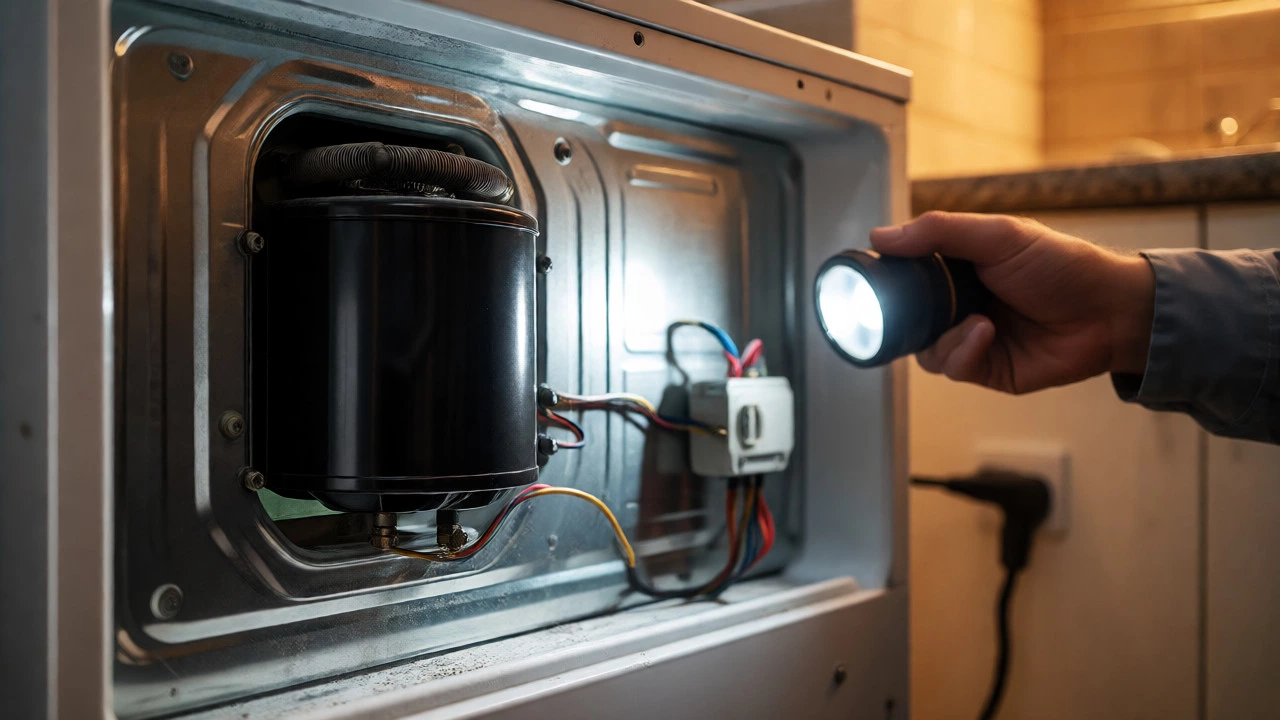
- Flashlight (to see behind unit)
- Towel or blanket (floor protection)
- Patience (this takes >5 mins)
| Symptom | Likely Cause |
|---|---|
| No sound, no lights | Power supply issue |
| Lights on, no noise | Failed start relay |
| Clicking every few sec | Struggling to start |
| Runs then stops | Overheating/Leak |
Maintenance Tips
- Clean condenser coils every 6 months.
- Test door seals with a dollar bill.
- Avoid placing hot food directly inside.
- Keep freezer between 10°C and 30°C ambient temp.
You open the freezer door, expecting ice-cold air, but instead, it’s warm. The light is on, the fan might even be humming, but the food is softening. It’s a panic moment every homeowner dreads. Before you call a technician or throw out hundreds of dollars in groceries, there’s a simple fix you can try yourself: resetting the freezer compressor. This guide walks you through exactly how to do it safely and effectively.
Why Your Freezer Needs a Reset
Think of your freezer like a car engine. Sometimes, despite everything being mechanically sound, the system gets confused. Modern freezers are packed with electronic control boards that monitor temperature, airflow, and compressor cycles. If there’s a power surge, a brief outage, or even just a glitch in the logic board, the compressor might shut down as a safety measure. It doesn’t mean the part is broken; it means it’s waiting for a signal to restart. A reset clears this error state, forcing the system to re-evaluate conditions and kickstart the cooling process.
This isn’t about fixing a refrigerant leak or replacing a burnt-out motor. Those require professional tools and expertise. A reset addresses electronic hiccups. According to data from major appliance manufacturers like Whirlpool and LG, up to 15% of "no-cool" service calls are resolved simply by cycling the power. That’s a significant number of avoided service fees.
Safety First: What You Need Before Starting
Electricity and water don’t mix well, especially when dealing with heavy appliances. Before you touch anything, gather these items:
- A flashlight (to see behind the unit)
- A towel or blanket (to protect the floor if you move the freezer)
- Thermometer (optional, but helpful for verifying results)
- Patience (this takes more than five minutes)
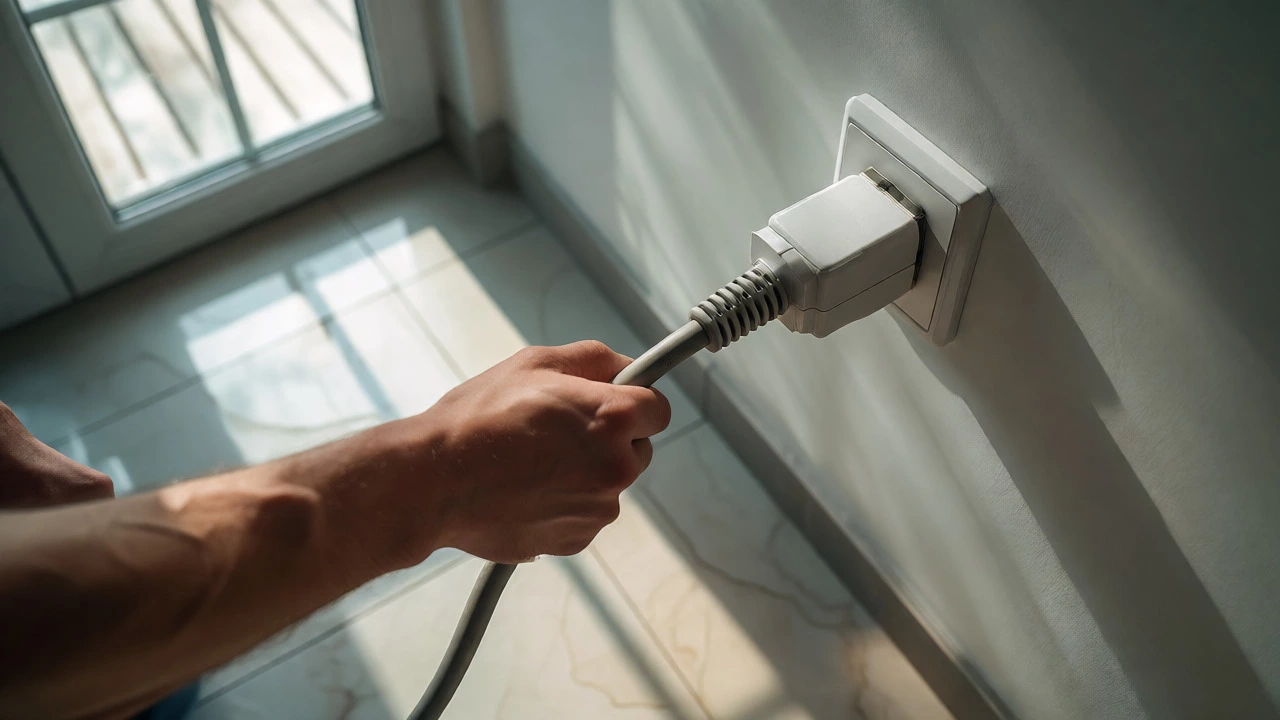
Unplug the freezer from the wall outlet. Don’t just turn it off via the internal switch; pull the plug. This ensures complete isolation from the electrical grid. If your freezer is built-in or hardwired, locate the circuit breaker box and flip the switch labeled "Kitchen" or "Appliance." Wait at least one minute before proceeding. This allows residual charge in the capacitors to dissipate, preventing any surprise shocks when you interact with the components later.
The Hard Reset Procedure
Here is the core action most people miss. Simply plugging it back in immediately often fails because the control board hasn’t fully cleared its memory cache. Follow this specific sequence:
- Disconnect Power: Ensure the unit is unplugged or the breaker is off.
- Wait Period: Leave it disconnected for a minimum of 30 seconds, but ideally 5 minutes. This duration guarantees the control board resets completely.
- Inspect Connections: While unplugged, check the power cord for damage. Look for frayed wires or burn marks near the prongs. Also, ensure the outlet itself works by testing it with another device, like a lamp.
- Reconnect Power: Plug the freezer back into a dedicated outlet. Avoid using extension cords or power strips, which can cause voltage drops that confuse the compressor start relay.
- Listen Closely: Within 30 to 60 seconds of plugging it in, you should hear a distinct click followed by a hum. That hum is the compressor starting up. If you hear nothing, or if it clicks repeatedly without starting, the issue may be deeper.
Troubleshooting Common Scenarios
What if the reset didn’t work? Let’s break down what different sounds mean. Silence usually indicates no power reaching the unit. Check your breaker again. Did it trip? If the breaker holds but the freezer stays silent, the start relay or overload protector might be faulty. These small components sit directly on the compressor and help it overcome initial inertia.
If you hear clicking but no running, that’s often called "short cycling." The compressor tries to start, realizes something is wrong (like high pressure or low voltage), and shuts down immediately to protect itself. In this case, cleaning the condenser coils becomes critical. Dust and pet hair insulate the coils, causing the system to overheat. Use a coil brush or vacuum with a brush attachment to clean the back or bottom grille. Better airflow lowers the workload on the compressor, making a successful restart more likely.
| Symptom | Likely Cause | Action |
|---|---|---|
| No sound, no lights | Power supply issue | Check outlet, breaker, and cord |
| Lights on, no compressor noise | Failed start relay or capacitor | Replace relay kit ($20-$40) |
| Clicking every few seconds | Compressor struggling to start | Clean coils, check voltage |
| Runs briefly then stops | Overheating or refrigerant leak | Clean coils, call pro if persists |
When to Call a Professional
A DIY reset solves electronic glitches, not mechanical failures. If you’ve performed the steps above and the freezer still won’t cool after 24 hours, stop tinkering. Continuing to force-start a struggling compressor can burn out the motor windings, turning a $50 relay fix into a $300 compressor replacement.
Contact a certified technician if you notice:
- Burning smells coming from the back of the unit
- Visible oil leaks around the compressor base
- The freezer runs constantly but never reaches freezing temperatures
- Ice buildup inside the evaporator coils (behind the interior panel)
In Toronto, where winters drop below -10°C, ensure your garage-freezer isn’t exposed to extreme cold if it’s not designed for it. Some compressors struggle to start in sub-zero ambient temperatures due to thickened oil. Moving the unit to a space between 10°C and 30°C can sometimes resolve startup issues without any repairs.
Maintaining Your Freezer Post-Reset
Once your freezer is running again, prevent future resets by keeping the system efficient. Clean the condenser coils every six months. Keep the door seals tight-test them by closing the door on a dollar bill. If it slides out easily, replace the gasket. Overloading the freezer restricts airflow, forcing the compressor to work harder. Finally, avoid placing hot food directly inside; let it cool first to reduce thermal load.
How long does it take for a freezer to get cold after a reset?
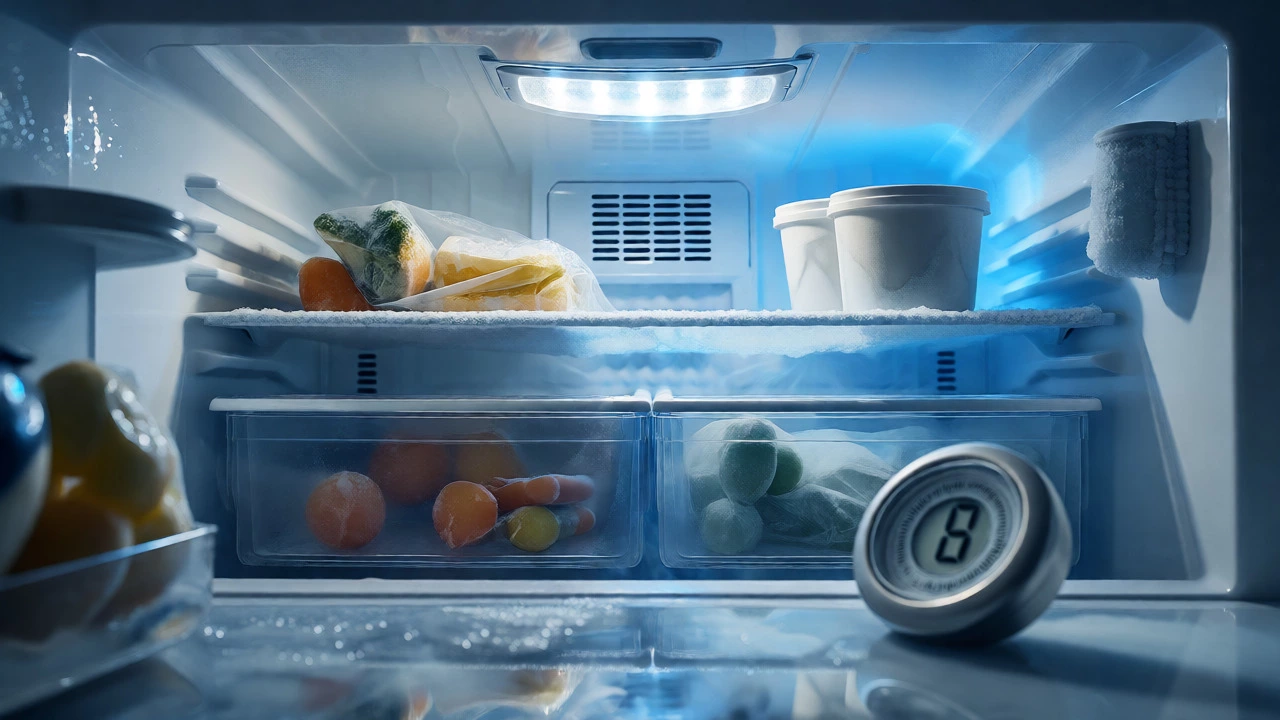
Typically, it takes 4 to 24 hours for a freezer to reach its target temperature of -18°C (0°F) after a reset. Factors include the amount of food inside, ambient room temperature, and whether the door was left open during the process. Empty freezers cool faster but hold temperature less stably than full ones.
Can I reset my freezer compressor myself?
Yes, performing a hard reset by unplugging the unit is safe for homeowners. However, replacing internal components like the start relay or capacitor involves working with live electricity and sharp edges. If you’re not comfortable handling electrical parts, stick to the power cycle method and call a pro for hardware replacements.
Why did my freezer stop cooling suddenly?
Sudden loss of cooling is often caused by a defrost system failure, a blocked air vent, or an electronic control board glitch. A power surge can also freeze the logic board. Less commonly, it could be a refrigerant leak, though this usually develops gradually rather than instantly.
Does unplugging the freezer reset it?
Yes, unplugging cuts power to the control board, clearing temporary errors. For a true reset, wait at least 30 seconds to 5 minutes while unplugged. Immediate replugging may not allow the capacitors to discharge fully, leaving the error state active.
Is it cheaper to repair or replace a freezer compressor?
For older units (over 10 years), replacement is often more cost-effective. Compressor repairs typically cost $300-$500 including labor. A new energy-efficient freezer costs $500-$800. If the repair quote exceeds 50% of the replacement cost, buy a new one.