

How to Fix No Hot Water in Shower: A DIY Troubleshooting Guide
 Sep, 13 2026
Water Heater Troubleshooter
Follow this guided checklist to diagnose why your shower has no hot water. Check off each step as you complete it.
Start Diagnosing
Check the boxes on the left as you inspect your water heater. The recommendation will update based on your findings.
| Symptom | Likely Cause | Difficulty |
|---|---|---|
| No hot water anywhere | Tripped breaker / Pilot out | Easy |
| Hot water runs out fast | Sediment / Broken dip tube | Moderate |
| Lukewarm only | Faulty element / Thermostat | Moderate |
| Cold only | Both elements failed / Gas off | Hard/Pro |
There is nothing quite like the shock of stepping into a freezing cold shower when you expect warmth. It wakes you up, sure, but not in the way you want. If your shower has suddenly turned into an ice bath, you are likely dealing with one of a few common issues. Before you call a plumber and pay a service fee, try these troubleshooting steps. Most cases of no hot water can be fixed with basic tools and a bit of patience.
Check Your Power Supply First
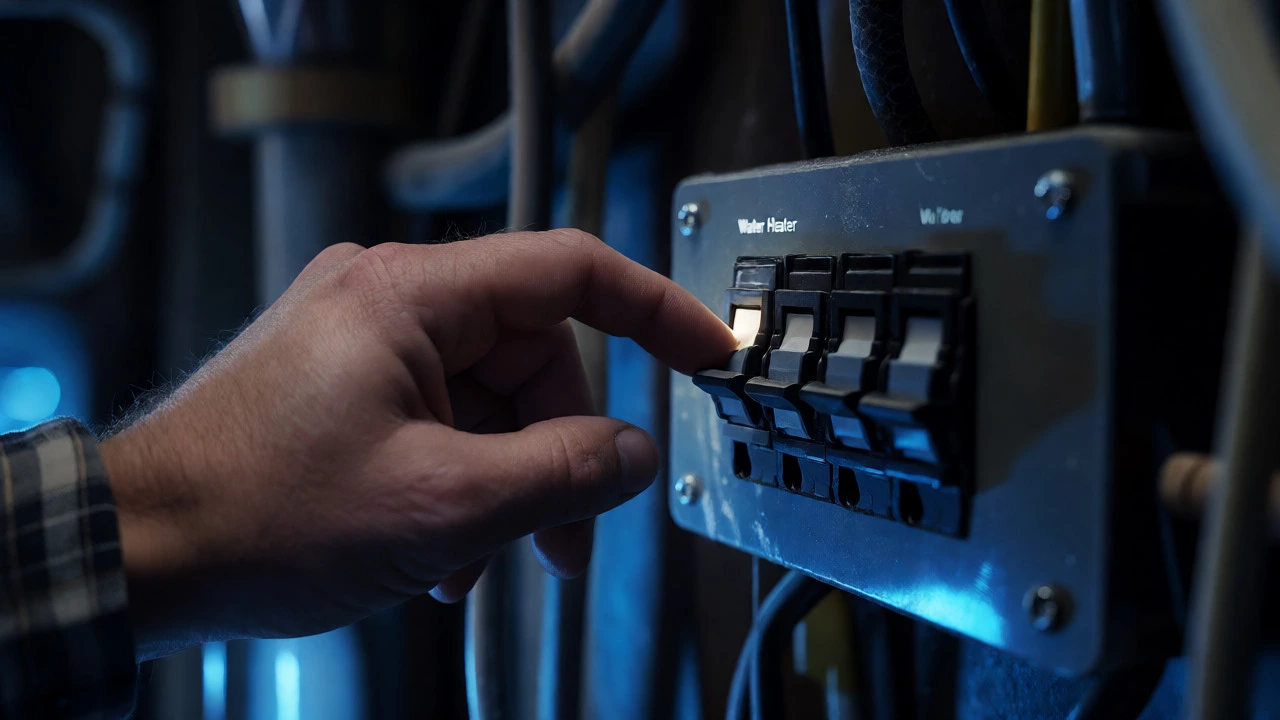
It sounds too simple to be true, but it happens more often than you think. Electric water heaters rely on electricity just like your toaster or microwave. If the breaker tripped, your heater stops working immediately. Go to your electrical panel and look for a switch labeled "Water Heater" or similar. If that switch is flipped to the middle or off position, flip it back to "On." Sometimes, a heavy load from another appliance causes the breaker to trip. If it trips again right away, you have a short circuit or a faulty heating element, which requires professional attention. But if it stays on, wait about 30 minutes and check your shower again.
Inspect the Pilot Light (Gas Heaters)
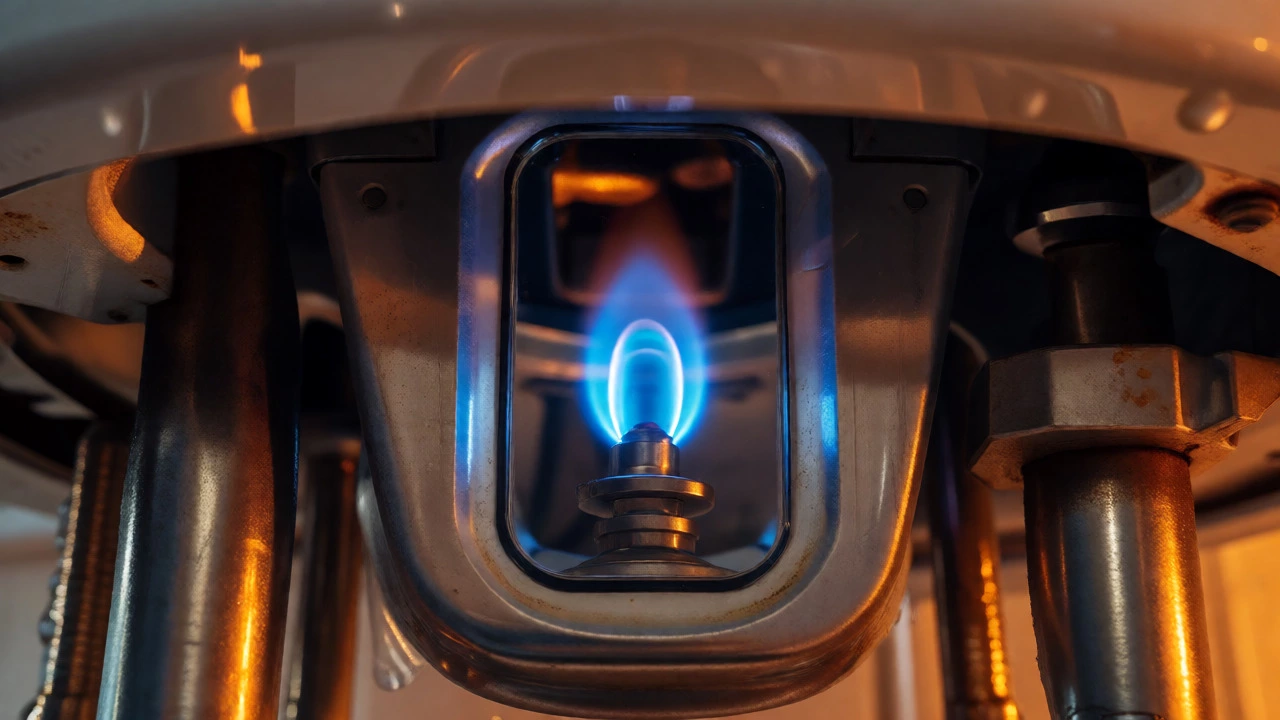
If you have a gas water heater, the pilot light is your first suspect. The pilot light is a small flame that ignites the main burner. If it goes out, no heat gets generated. Look through the viewing window on the bottom of the tank. You should see a steady blue flame. If you see nothing, or if the flame is yellow and flickering wildly, the pilot is out or dirty.
To relight it, turn the gas control knob to "Pilot." Press and hold the knob while using a long match or lighter to ignite the pilot. Keep holding the knob for about a minute after the flame catches to heat up the thermocouple. Release slowly. If the flame stays lit, turn the knob to "On." If it goes out immediately, your thermocouple might be faulty. This is a cheap part, but replacing it involves handling gas lines, so proceed with caution or call a pro if you are unsure.
Test the Heating Elements (Electric Heaters)
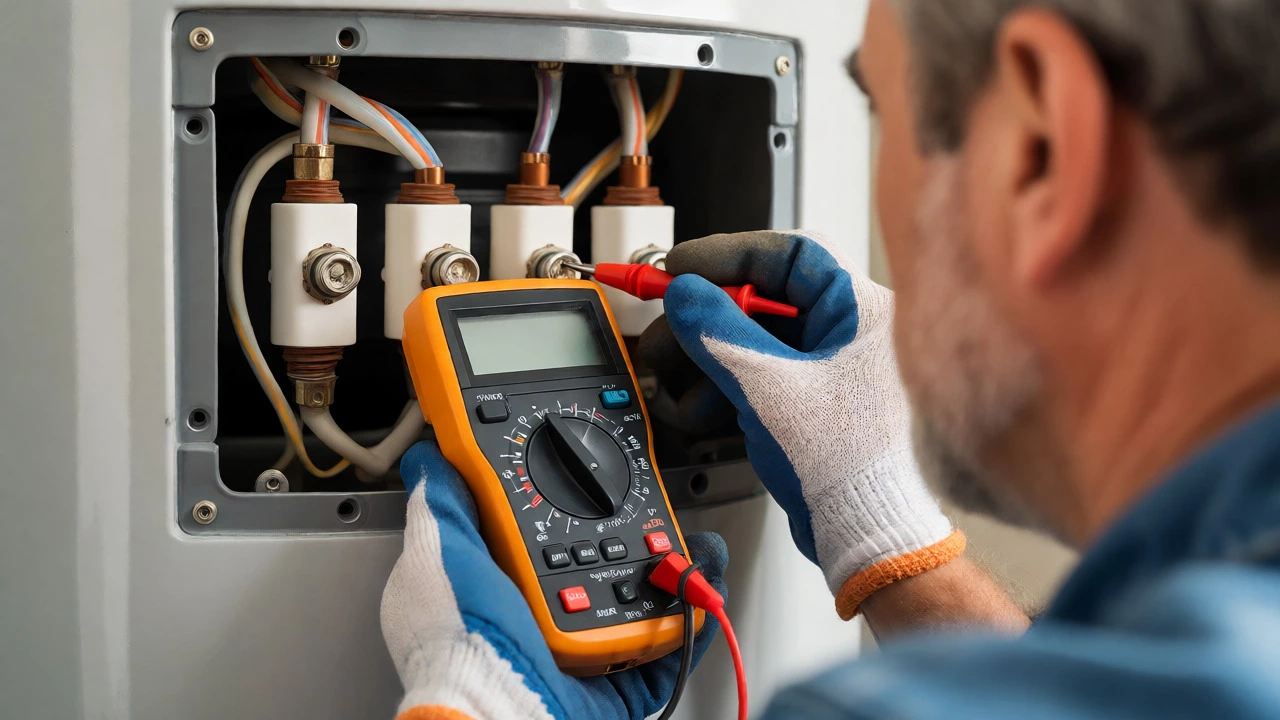
Electric tanks usually have two heating elements: one at the top and one at the bottom. They work in tandem to keep the water hot. If one fails, you might still get lukewarm water, but if both fail, you get none. To test them, you need a multimeter. Turn off the power to the heater at the breaker box. Remove the access panels on the side of the tank. Be careful; there is live voltage inside until you confirm it is off.
Touch the probes of your multimeter to the terminals of each heating element. You are looking for continuity, which means the circuit is complete. If the meter shows infinity or no movement, the element is burned out. Replacing a heating element is a straightforward job for a handy homeowner. Just drain some water, unscrew the old element, and screw in the new one. Make sure to replace the gasket to prevent leaks.
Examine the Thermostat Settings
Sometimes the heater is working fine, but the settings are wrong. Check the thermostat dial on your unit. It should typically be set between 120°F and 140°F (49°C and 60°C). If someone accidentally bumped it down to 80°F, the water will feel cold. Adjust it back to a comfortable level. Note that thermostats can drift over time. If you set it to 120°F but the water feels like 100°F, the thermostat itself might be broken. In this case, you need to replace the thermostat. It sits behind the insulation and access panel, so you will need to peel back some insulation to reach it.
Look for Sediment Buildup
Hard water leaves minerals behind. Over time, sediment builds up at the bottom of the tank. This layer acts as an insulator, preventing the heating element from transferring heat to the water efficiently. It also clogs pipes and valves. If your hot water runs out quickly or takes forever to heat up, sediment is likely the culprit.
To fix this, flush the tank. Connect a garden hose to the drain valve at the bottom of the heater. Run the other end of the hose outside or into a bucket. Open the valve and let the water run until it comes out clear. This removes the sludge. Do this once a year to maintain efficiency. If the drain valve is stuck due to corrosion, do not force it. You might break it and cause a leak. In that case, a plumber can help replace the valve.
Check the Dip Tube
This is a less common issue, but it ruins hot water output. The dip tube is a plastic pipe inside the tank that directs incoming cold water to the bottom. If it cracks or breaks, cold water mixes with hot water near the top of the tank. The result? Lukewarm showers even when the heater is running. You cannot see the dip tube without draining the tank and removing the inlet pipe. If you suspect this problem, listen for gurgling noises or notice that the hot water degrades rapidly during use. Replacing the dip tube requires draining the tank and disconnecting the cold water inlet, which is a moderate difficulty repair.
| Symptom | Likely Cause | DIY Difficulty |
|---|---|---|
| No hot water anywhere | Tripped breaker or Pilot light out | Easy |
| Hot water runs out fast | Sediment buildup or Broken dip tube | Moderate |
| Lukewarm water only | Faulty heating element or Thermostat | Moderate |
| Cold water only | Both elements failed (electric) or Gas supply off | Hard/Pro |
When to Call a Professional
You should stop DIY-ing and call a licensed plumber or HVAC technician if you smell gas. Never ignore a gas odor. Also, if you find water pooling around the base of the tank, the tank itself may be leaking. Patching a leaking tank is rarely effective; replacement is usually the better option. Finally, if you have replaced parts like elements and thermostats but still have no hot water, the issue might be deeper in the plumbing system, such as a faulty mixing valve. These components require specialized knowledge and tools to diagnose correctly.
Preventing Future Problems
Once you get your hot water back, take steps to keep it that way. Insulate your pipes to retain heat. Set your thermostat to 120°F to save energy and prevent scalding. Flush the tank annually. And consider installing a water softener if you live in a hard water area. These small habits extend the life of your water heater and ensure you never have to endure another cold surprise.
Why does my shower have no hot water but the sink does?
If the sink has hot water but the shower does not, the issue is likely isolated to the shower fixtures rather than the water heater. Check the shower cartridge or diverter valve. Mineral deposits can block the hot water side of the shower valve, or the cartridge may be worn out. Flushing the shower arm or replacing the cartridge usually fixes this specific issue.
How long does it take for a water heater to heat up after being reset?
After resetting a breaker or relighting a pilot, it typically takes 30 to 60 minutes for a standard 40-50 gallon electric tank to fully reheat. Gas heaters are faster, usually taking 15 to 20 minutes. Wait at least 30 minutes before testing the water temperature to allow the tank to recover.
Can I replace a water heater heating element myself?
Yes, if you are comfortable working with electricity and plumbing. You must turn off the power at the breaker and drain the tank slightly below the element level. Use a socket wrench to remove the old element and install the new one with a fresh gasket. Always double-check that the power is off with a non-contact voltage tester before touching any wires.
What does a bad thermocouple look like?
A bad thermocouple often looks discolored, blackened, or corroded. However, visual inspection is not always reliable. The primary sign of failure is that the pilot light will not stay lit when you release the gas control knob. If cleaning the tip does not help, the thermocouple is likely defective and needs replacement.
Is it dangerous to shower with no hot water?
Showering with cold water is generally safe, though uncomfortable. However, if the lack of hot water is caused by a gas leak or electrical fault, it can be dangerous. If you smell gas or hear hissing sounds, evacuate the area and call your utility company immediately. Do not attempt to shower if you suspect a serious mechanical failure involving gas or high-voltage electricity.