

How to Fix a Water Heater with Cold Water: A Complete Troubleshooting Guide
 Jul, 20 2026
Water Heater Troubleshooting Wizard
Diagnostic Steps
Starting Diagnosis...
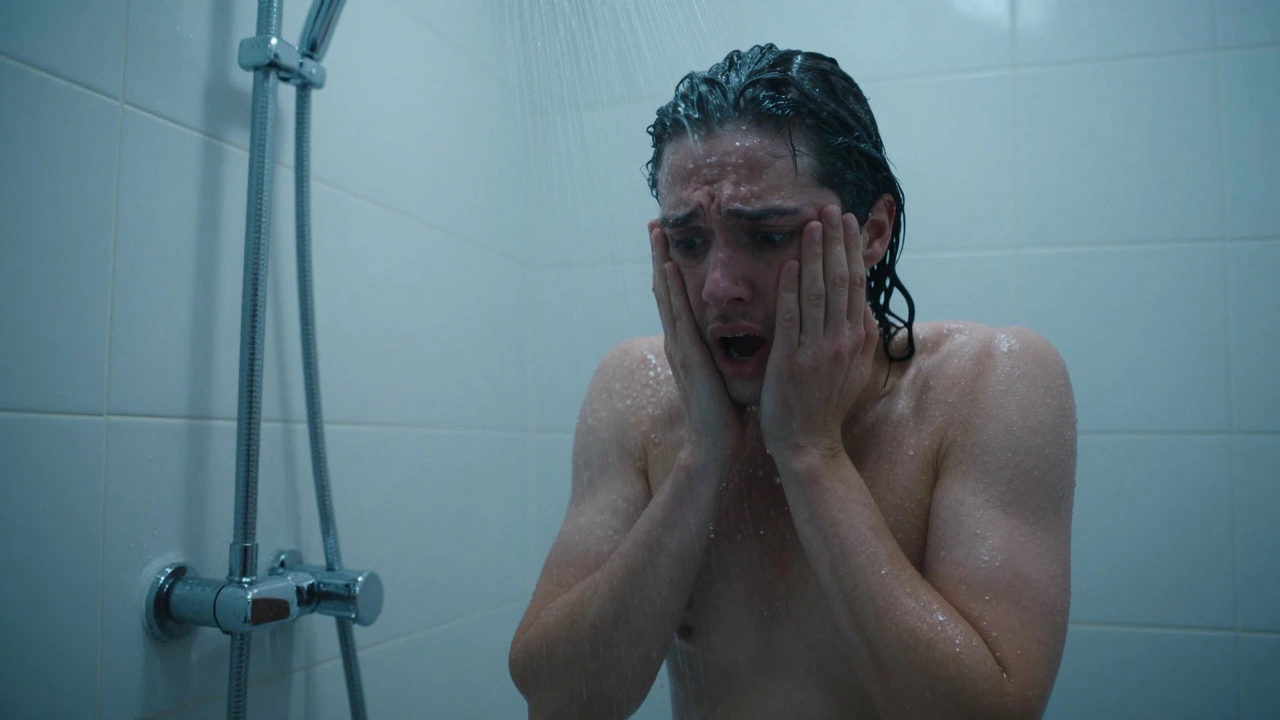
There is nothing worse than stepping into a shower expecting warmth and getting hit with an icy blast. It’s a shock to the system, and it usually means your water heater is a household appliance that heats water for domestic use, including bathing, cooking, and cleaning. When this device fails to deliver hot water, it disrupts your entire routine. Before you call a professional and pay hundreds of dollars, there are several common issues you can diagnose and potentially fix yourself.
The problem isn't always a broken unit. Sometimes, it's a tripped switch, a clogged filter, or a simple setting error. By following a logical troubleshooting path, you can identify why your water heater is producing cold water and take action. This guide covers both traditional tank-style units and modern tankless systems, ensuring you have the right steps regardless of your setup.
Safety First: Turn Off the Power
Before touching any part of your water heater, safety must be your top priority. Water and electricity don't mix, and gas lines can be dangerous if mishandled. If you have an electric unit, go to your main electrical panel and flip the breaker labeled "Water Heater" to the off position. For gas units, locate the gas valve near the bottom of the tank and turn it to the "Off" position. This prevents accidental ignition while you inspect the components.
If you suspect a leak, shut off the cold water supply valve located at the top of the tank. This stops more water from entering the unit, minimizing potential damage to your floor or walls. Always wear gloves and safety glasses when working around appliances to protect yourself from sharp edges or debris.
Check the Thermostat Settings
It sounds obvious, but one of the most common reasons for cold water is a thermostat that has been accidentally turned down or reset. On electric water heaters, remove the access panels on the side of the tank to reveal the thermostats. There are usually two, one for each heating element. Ensure they are set between 120°F and 140°F (49°C - 60°C). Setting it too low won't heat the water sufficiently, while setting it too high can scald you and increase energy bills.
For gas models, look for the control knob on the front of the unit. Make sure it is set to "Hot" or a specific temperature number rather than "Vacation" or "Pilot." Some units have a digital display where you can adjust the temperature directly. If the settings look correct, move on to the next step.
Reset the High-Temperature Limit Switch
Electric water heaters have a safety feature called a high-temperature limit switch, often referred to as an E-cutout. If the water gets too hot due to a malfunctioning thermostat, this switch trips to prevent overheating and potential explosions. When it trips, it cuts power to the heating elements, resulting in cold water.
To check this, remove the insulation behind the access panel. You will see a red button, usually located near the thermostat. If it is popped out, press it firmly until it clicks back in. You may need to do this for both the upper and lower thermostats. After resetting, replace the insulation and access panels, then restore power at the breaker box. Wait a few hours to see if the water heats up.
Inspect the Gas Pilot Light
If you have a gas water heater, the pilot light is essential for ignition. Without it, the burner won't fire, and the water stays cold. Look through the small window on the control panel. If you don't see a blue flame, the pilot has gone out. This can happen due to drafts, a dirty thermocouple, or a faulty igniter.
To relight the pilot, follow the instructions on the label attached to your unit. Typically, you turn the gas control knob to "Pilot," press it down, and hold it while pressing the igniter button repeatedly until the flame catches. Keep holding the knob for about 30 seconds after the flame lights to allow the thermocouple to heat up and keep the gas valve open. If the flame goes out immediately after releasing the knob, the thermocouple may be dirty or broken and needs replacement.
Clean the Sediment Buildup
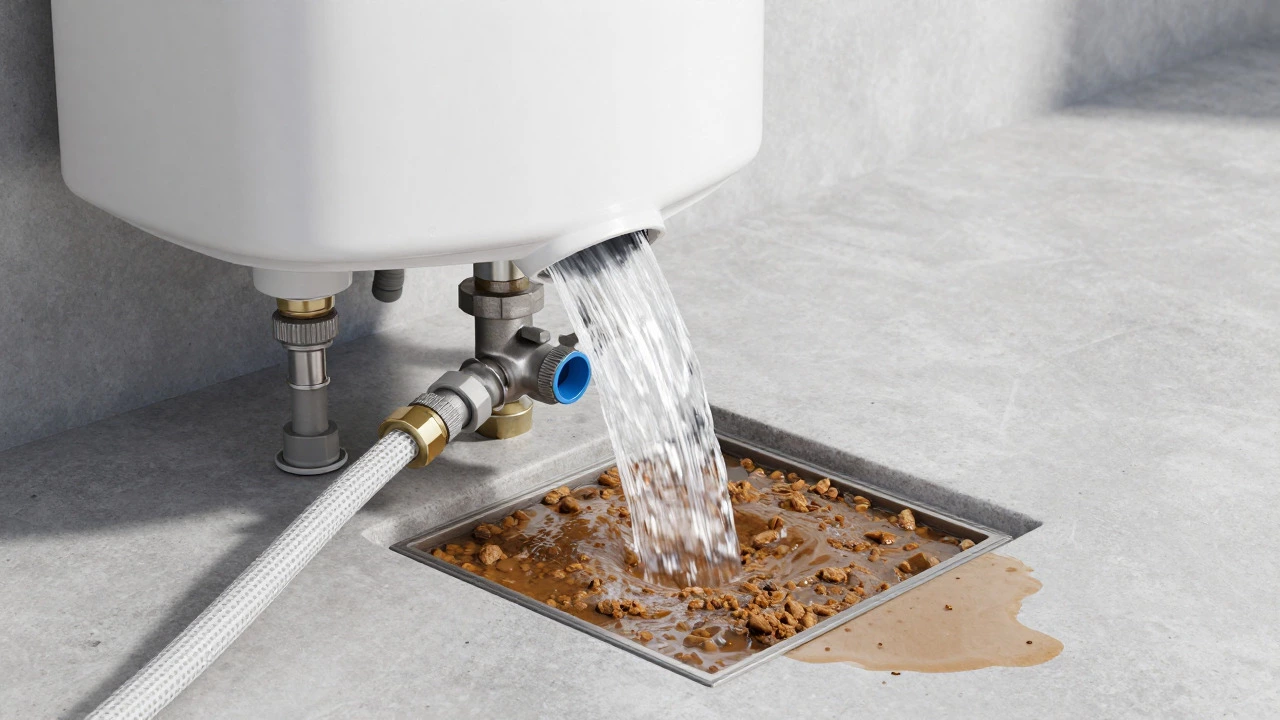
Over time, minerals from hard water settle at the bottom of the tank, forming a layer of sediment. This acts as an insulator between the burner or heating element and the water, reducing efficiency and causing overheating. In severe cases, the thermostat senses the superheated metal below the sediment and shuts off the heater prematurely, leading to lukewarm or cold water.
To flush the tank, attach a garden hose to the drain valve at the bottom of the water heater. Run the other end to a floor drain or outside. Open a hot water faucet somewhere in your house to relieve pressure, then open the drain valve. Let the water flow until it runs clear. This process removes the sediment and restores proper heat transfer. You should perform this maintenance annually to extend the life of your unit.
Examine the Heating Elements
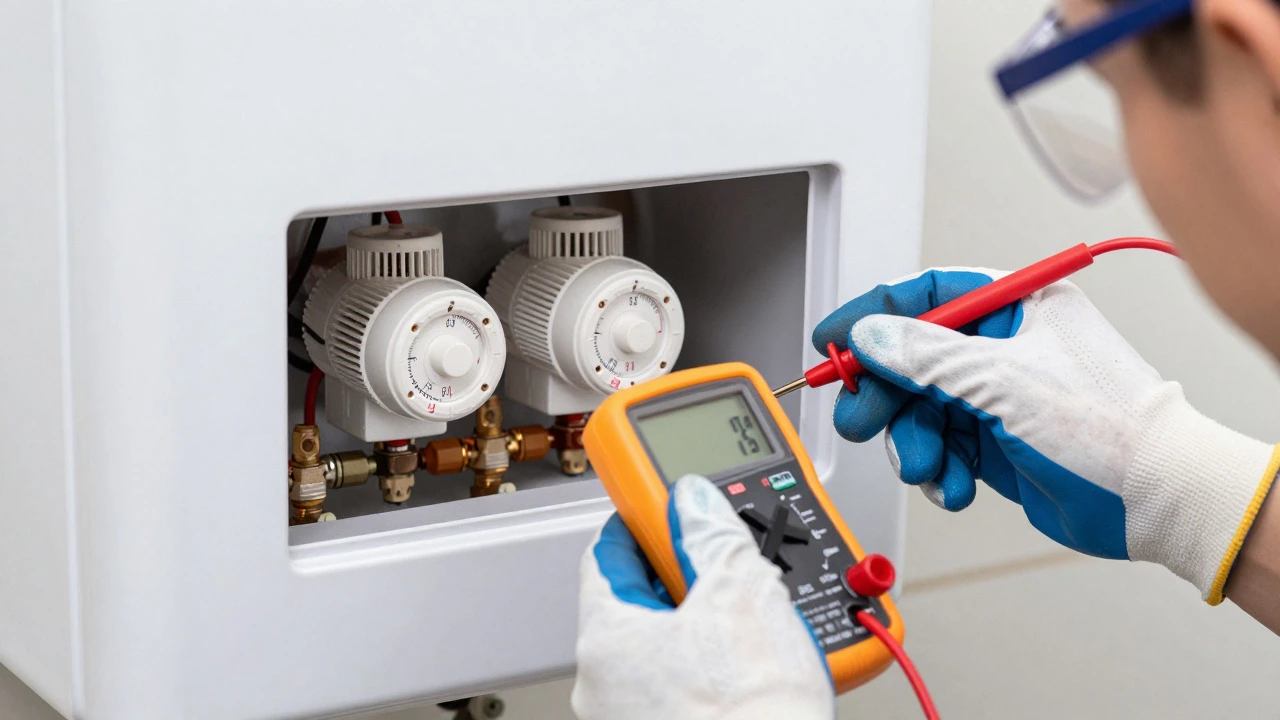
In electric water heaters, the heating elements are responsible for raising the water temperature. If one element burns out, you might still get some hot water, but it will run out quickly. If both fail, you get only cold water. To test them, you need a multimeter. Turn off the power, remove the access panels, and disconnect the wires from the terminals.
Set the multimeter to measure resistance (ohms). Touch the probes to the two screws on the heating element. A reading between 10 and 16 ohms indicates the element is good. If the meter shows infinite resistance (OL), the element is broken and needs replacement. Replace both elements if one is bad, as they tend to fail around the same time.
Troubleshooting Tankless Water Heaters
Tankless water heaters, also known as on-demand units, work differently. They heat water as it flows through the unit, so there is no stored hot water. If you're getting cold water from a tankless system, check the error codes displayed on the screen. Common issues include low water flow, air locks in the pipes, or a frozen inlet pipe.
Ensure that all faucets using hot water are fully opened. Some tankless units require a minimum flow rate to activate the burner. If the flow is too slow, the unit won't ignite. Also, check the filters inside the unit for debris. Remove them according to the manufacturer's instructions and clean them with vinegar to dissolve mineral buildup. This ensures proper water flow and heating efficiency.
| Issue | Symptom | Solution |
|---|---|---|
| Tripped Breaker | No power to unit | Reset circuit breaker |
| Low Thermostat | Lukewarm water | Adjust thermostat to 120-140°F |
| Out Pilot Light | No flame visible | Relight pilot or replace thermocouple |
| Sediment Buildup | Popping noises, inefficient heating | Flush tank annually |
| Bad Element | Short supply of hot water | Test and replace heating element |
When to Call a Professional
While many issues can be fixed DIY-style, some problems require expert intervention. If you smell gas, leave the house immediately and call your gas company. Never try to fix a gas leak yourself. Similarly, if you see water leaking from the top or bottom of the tank, the internal tank may be corroded and ruptured. This usually means the unit needs replacement, not repair.
If you've checked the thermostat, reset the breakers, and flushed the tank but still have cold water, the issue might be with the dip tube. The dip tube directs cold water to the bottom of the tank. If it breaks, cold water mixes with hot water at the top, resulting in lukewarm output. Replacing a dip tube requires draining the tank and removing the cold water inlet pipe, which is best left to a plumber.
Finally, consider the age of your water heater. Most tanks last 8 to 12 years. If yours is older and experiencing frequent failures, investing in a new, more efficient model might save you money in the long run by reducing repair costs and energy consumption.
Why does my water heater produce cold water suddenly?
Sudden cold water is often caused by a tripped circuit breaker, a blown fuse, or a pilot light going out. Check your electrical panel first, then inspect the gas pilot if applicable. Another possibility is a large demand for hot water that exceeded the heater's capacity.
How do I know if my heating element is bad?
You can test a heating element with a multimeter. If the resistance reading is infinite or significantly higher than 16 ohms, the element is faulty. Visual signs include corrosion or burning smells coming from the access panels.
Is it safe to reset a water heater yourself?
Yes, resetting the breaker or the high-limit switch is generally safe if you follow proper precautions. Always turn off the power at the main panel before accessing internal components. If you are uncomfortable working with electricity, hire a professional.
Why is my tankless water heater not heating?
Tankless units may fail to heat due to low water flow, clogged filters, or error codes indicating sensor failure. Ensure all hot water taps are fully open and clean the inlet filters if necessary. Consult the manual for specific error code meanings.
How often should I flush my water heater?
It is recommended to flush your water heater once a year. This removes sediment buildup that reduces efficiency and causes overheating. In areas with very hard water, you may need to flush it twice a year to maintain optimal performance.