

How to Fix a Refrigerator Not Cooling: DIY Troubleshooting Guide
 Jun, 11 2026
Refrigerator Cooling Troubleshooter
Answer the questions below to diagnose why your refrigerator is not cooling properly.
Diagnosis Result:
Recommended Action:
Your refrigerator is the workhorse of your kitchen, yet it’s often ignored until things go wrong. One morning, you open the door and realize the milk is warm, or worse, the ice maker has stopped producing cubes. A refrigerator that is not maintaining proper internal temperatures can lead to spoiled food and wasted money within hours. Before you call a technician, there are several common issues you can diagnose and fix yourself.
The good news is that most cooling problems aren't caused by a broken compressor-the expensive part you fear. Often, the issue is something simple like dirty coils, a blocked air vent, or a faulty sensor. By following this step-by-step guide, you can identify the root cause and potentially save hundreds of dollars in service fees.
Check the Temperature Settings First
It sounds obvious, but before you start unscrewing panels, check the control panel. Sometimes, the temperature setting gets bumped accidentally, especially if you have kids or pets knocking into the fridge. Most modern refrigerators should be set between 35°F and 38°F (1.7°C to 3.3°C) for the fresh food section and 0°F (-18°C) for the freezer.
- Fresh Food Compartment: Set to 37°F (3°C). This keeps food cold without freezing it.
- Freezer Compartment: Set to 0°F (-18°C). This ensures long-term preservation.
If the settings look correct, leave the fridge alone for a few hours. If it was just a temporary fluctuation due to frequent door opening, it might recover on its own. If not, move on to the next steps.
Clean the Condenser Coils
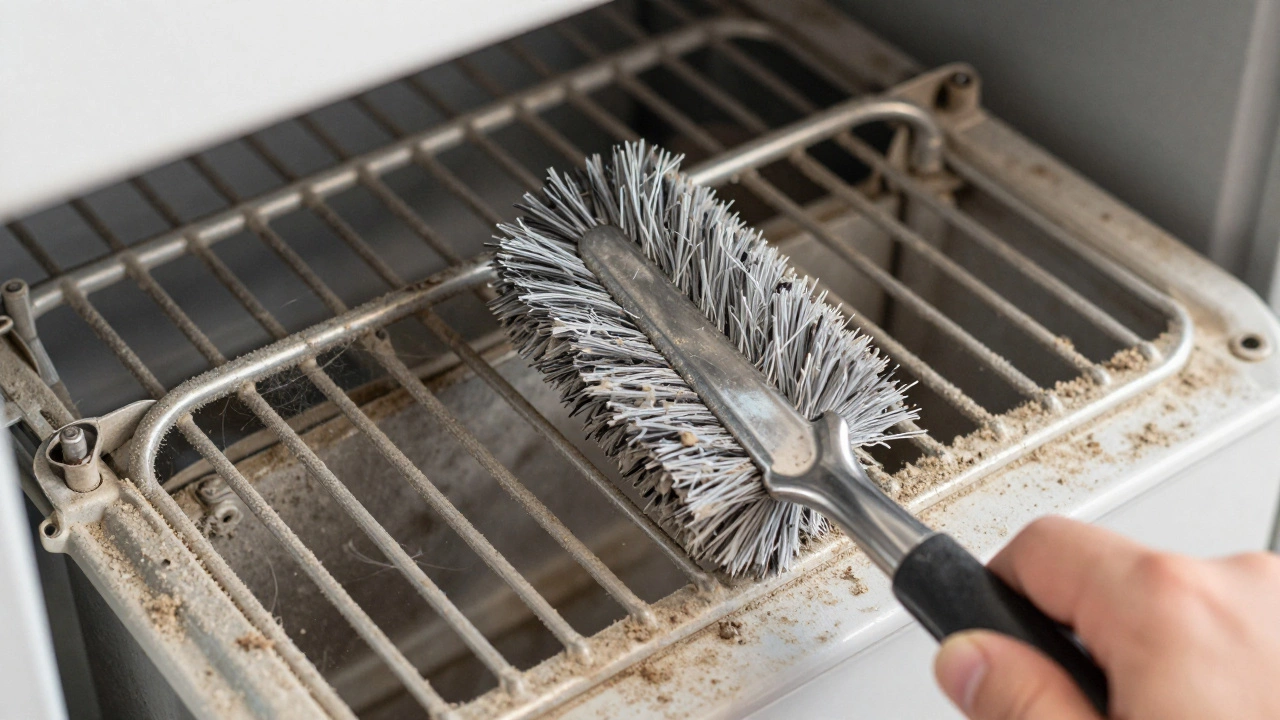
The condenser coils are metal tubes located at the back or bottom of the fridge that release heat from the interior to the outside air. When these coils get covered in dust, pet hair, and grime, they can’t dissipate heat efficiently. The compressor then has to work harder and run longer, which can lead to overheating and eventual failure to cool.
You’ll need a coil brush or a vacuum cleaner with a hose attachment. Pull the fridge away from the wall carefully. If the coils are on the back, use the brush to gently sweep away debris. If they’re behind a kickplate at the bottom, remove the plate and vacuum thoroughly. Cleaning these coils once or twice a year can improve efficiency by up to 10% and prevent many cooling issues.
Inspect the Evaporator Fan Motor
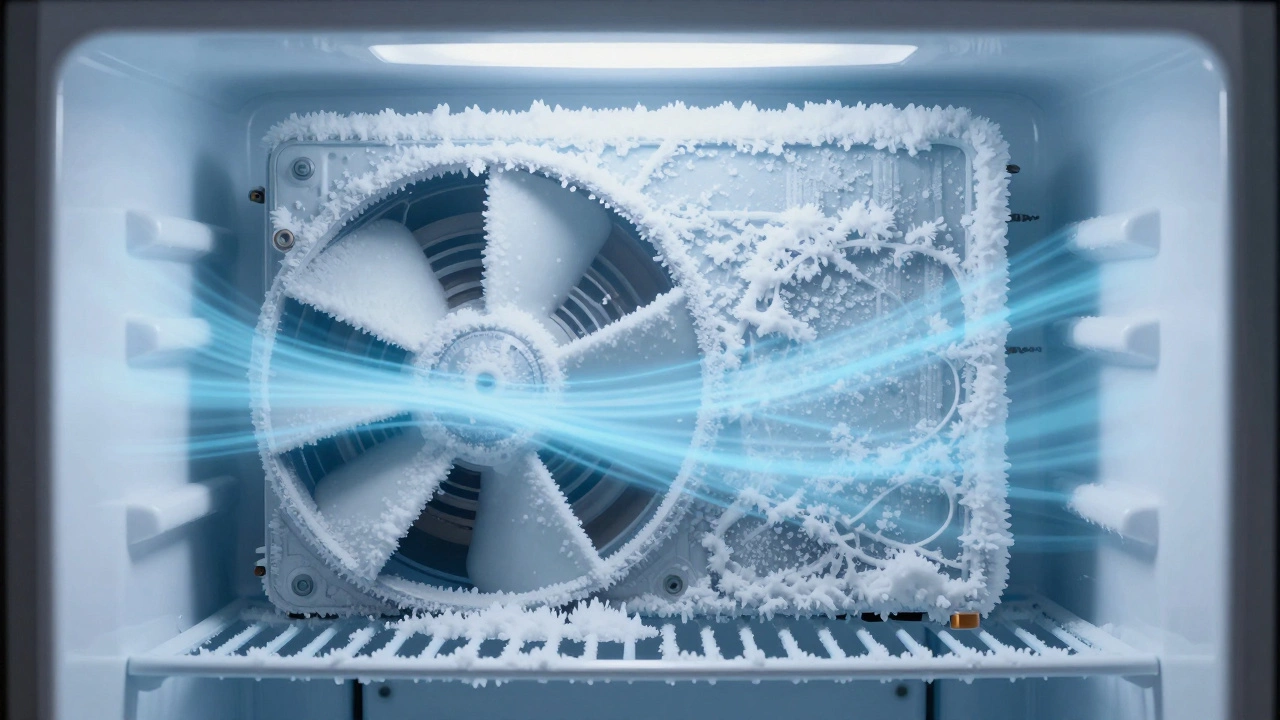
Inside the freezer compartment, there’s an evaporator fan motor that circulates cold air from the evaporator coils throughout the refrigerator and freezer sections. If this fan stops working, the cold air stays trapped in the freezer, causing the fridge section to warm up while the freezer may still feel cold.
To test it, unplug the fridge, remove the back panel inside the freezer, and locate the fan. You can try spinning the blades by hand. They should spin freely. If they’re stuck or make grinding noises, the motor bearings are worn out and need replacement. Also, check for ice buildup around the fan blades, which can block rotation. If the fan spins freely but doesn’t run when plugged in, the motor itself is likely dead.
Test the Defrost System
A built-up layer of frost on the evaporator coils are internal components that absorb heat from the fridge interior acts as an insulator, preventing them from cooling the air effectively. Your fridge has a defrost system designed to melt this frost periodically. If any part of this system fails, ice builds up, blocking airflow.
The defrost system consists of three main parts:
- Defrost Heater: A heating element that melts the ice. You can test it with a multimeter for continuity. If it reads infinite resistance, it’s broken.
- Defrost Thermostat: Controls when the heater turns on and off. It also needs a continuity test.
- Defrost Control Board: Sends power to the heater. If the heater and thermostat are fine, the board might not be sending the signal.
If you see thick ice on the back wall of the freezer, manually defrost the unit by leaving the doors open for 24 hours. If the fridge starts cooling properly afterward, one of these defrost components is faulty.
Examine the Door Seals
Worn-out door gaskets are rubber seals around the fridge doors that keep cold air inside and warm air out allow warm, moist air to enter the fridge. This forces the compressor to run constantly, struggling to maintain temperature. Over time, this strain can damage the cooling system.
Perform the "dollar bill test." Close the fridge door on a dollar bill so half of it sticks out. Try to pull the bill out. If it slides out easily without resistance, the seal is weak. Check all four sides and corners. You can often fix minor leaks by warming the gasket with a hairdryer to reshape it. For cracked or torn seals, order a replacement specific to your model number.
When to Call a Professional
Sometimes, the problem isn't something you can fix with a screwdriver. If you’ve checked the coils, fans, and defrost system, and the fridge still isn’t cooling, the issue might be with the compressor is the heart of the refrigeration system that pumps refrigerant through the coils or a leak in the sealed system.
| Symptom | Likely Cause | Action |
|---|---|---|
| Buzzing noise but no cooling | Failed start relay or bad compressor | Call a pro |
| Warm air blowing from vents | Refrigerant leak or compressor failure | Call a pro |
| Condensation on exterior | Door seal failure or high humidity | Check seals first |
Refrigerant leaks require specialized equipment to detect and repair. Attempting to fix this yourself is illegal in many places due to environmental regulations and dangerous due to high pressures. In these cases, professional help is non-negotiable.
Maintenance Tips to Prevent Future Issues
Prevention is cheaper than repair. Incorporate these habits into your routine:
- Clean coils every 6 months: Use a vacuum or brush to keep them dust-free.
- Check door seals annually: Look for cracks or gaps.
- Don’t overload the fridge: Air needs to circulate to keep things cold.
- Keep vents clear: Ensure food items don’t block the air vents inside the fridge.
By staying proactive, you extend the life of your appliance and avoid emergency breakdowns. Most refrigerators last 10-15 years with proper care. If yours is older and constantly breaking down, consider whether repair costs outweigh the price of a new, energy-efficient model.
Why is my freezer cold but the fridge is warm?
This is usually caused by a faulty evaporator fan motor or a blocked air damper. The fan circulates cold air from the freezer to the fridge. If it’s broken, the freezer stays cold, but the fridge warms up. Check for ice buildup blocking the fan blades.
How do I know if my defrost heater is bad?
If you see thick ice on the evaporator coils inside the freezer, the defrost heater is likely failing. You can test it with a multimeter for continuity. If it shows no continuity, it needs replacement.
Can dirty condenser coils cause a fridge to stop cooling?
Yes. Dirty coils prevent heat from escaping, causing the compressor to overheat and shut off. Cleaning them can restore proper cooling function and improve energy efficiency.
Is it worth repairing an old refrigerator?
If the repair cost is more than half the price of a new fridge, or if the unit is over 10 years old, it’s often better to replace it. New models are more energy-efficient and come with warranties.
What should I do if my fridge makes a buzzing noise but isn't cooling?
A buzzing noise often indicates a failing start relay or a struggling compressor. Try tapping the start relay gently; if it starts running, replace the relay immediately. If the noise persists, the compressor may be dying.