

How to Check if a Water Heater Is Working Properly: A DIY Diagnostic Guide
 Sep, 24 2026
Water Heater Diagnostic Tool
Answer the questions below to get a preliminary diagnosis of your water heater's health. This tool is based on standard diagnostic guidelines for tank and tankless systems.
Symptom Checker
Fill out the form on the left and click "Run Diagnosis" to see potential issues and recommended actions.
Safety First
If you smell gas, stop immediately, ventilate the area, and call your utility provider. Do not use electrical switches.
You step into the shower, expecting that comforting blast of heat, but instead get lukewarm misery. Or worse, you turn on the tap and hear nothing but silence from the tank in the basement. It’s annoying, sure, but before you call a plumber for a potentially expensive service call, you need to know: is your water heater actually broken, or is it just acting up? Most of the time, the answer lies in simple checks you can do yourself in under fifteen minutes.
Living in Toronto, where winters bite hard, having reliable hot water isn’t a luxury-it’s survival. But diagnosing a unit doesn’t require a degree in mechanical engineering. Whether you have a standard tank model or a modern tankless system, the signs of trouble are surprisingly consistent. Let’s walk through exactly how to test your system, spot the early warning signs, and decide if this is a five-minute fix or a replacement job.
The Quick Visual Inspection
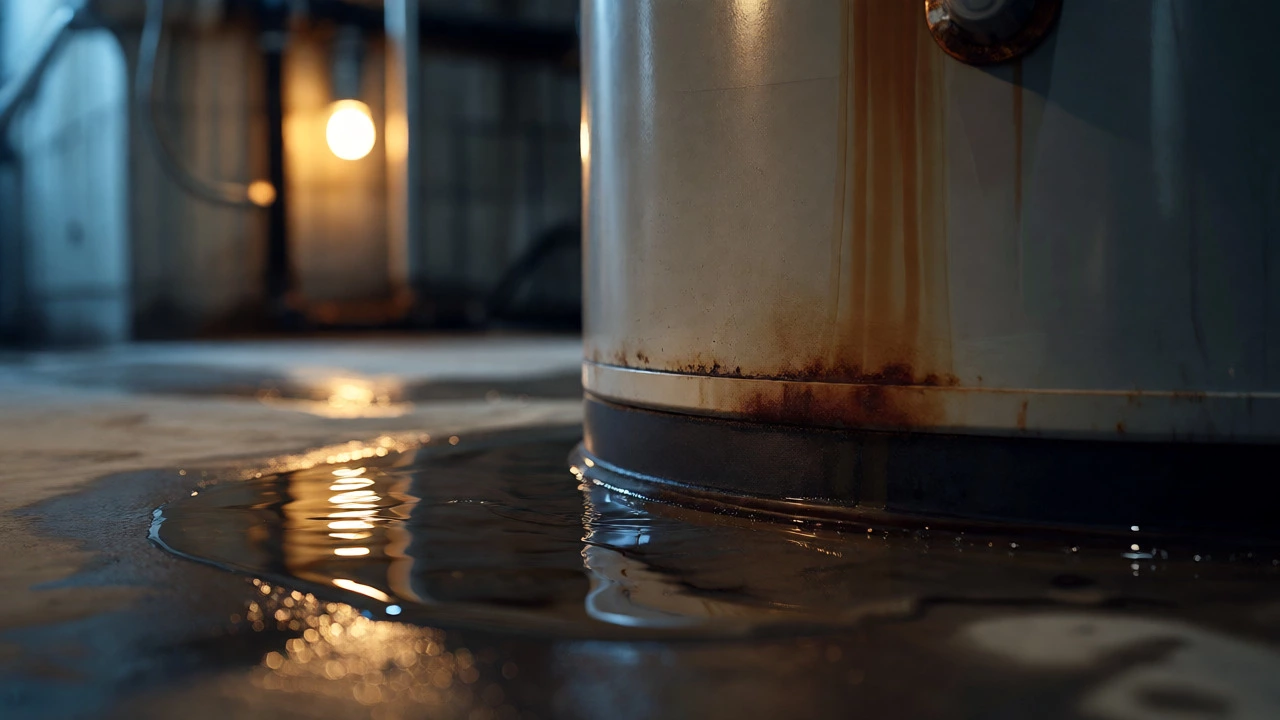
Start with your eyes. You don’t need tools yet. Walk over to the unit and look at the floor around it. Is there water? Even a small puddle is a red flag. Tanks rarely leak from the bottom unless they’re ancient; usually, moisture comes from loose fittings, the drain valve, or the temperature and pressure relief (T&P) valve. If you see rust stains running down the side of the tank, that’s corrosion doing its work. Rust means the metal is thinning, and eventually, it will fail completely.
Next, check the connections. Look at the pipes entering and exiting the top of the tank. Are they dry? Condensation is normal on cold water lines in humid weather, but steady dripping is not. If you have a gas water heater, take a sniff. Do you smell rotten eggs or natural gas? If yes, stop reading, open a window, and call your utility company immediately. That’s a safety hazard, not a repair issue.
Testing Hot Water Temperature
Temperature is the most direct indicator of performance. The Department of Energy recommends setting your thermostat to 120°F (49°C). This balances energy savings with preventing bacterial growth like Legionella. But how do you know if it’s actually hitting that mark?
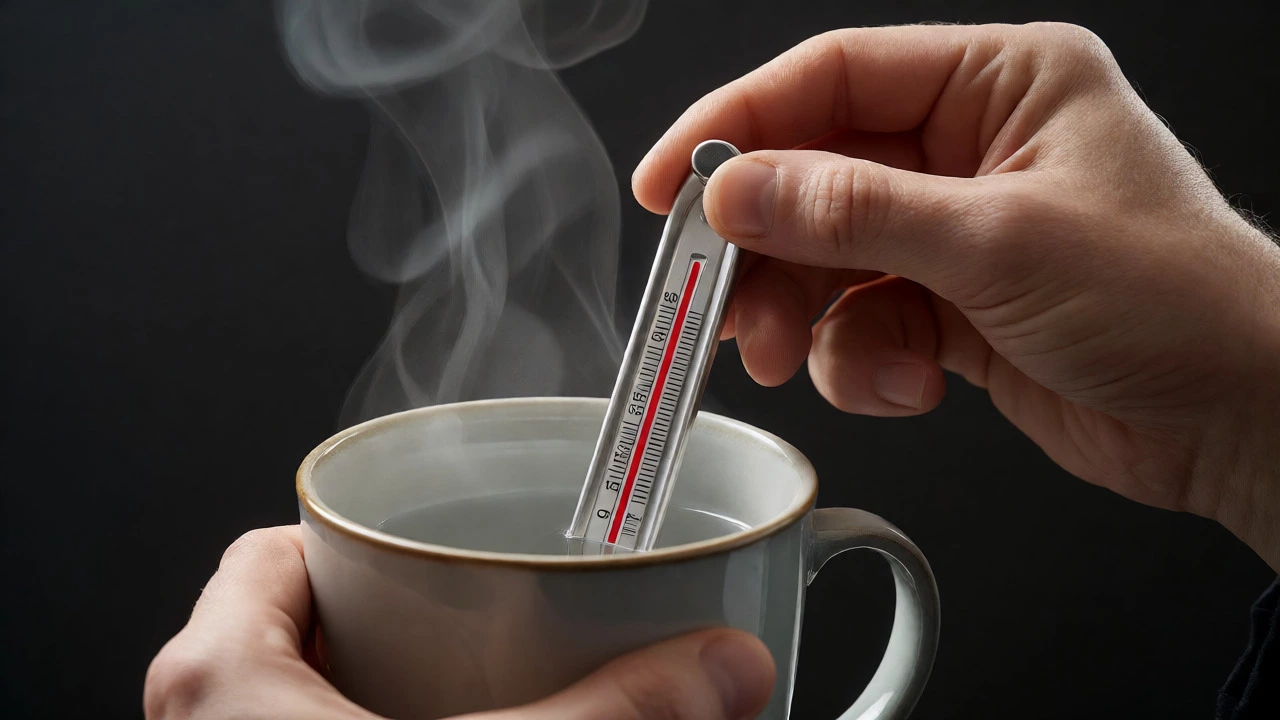
Grab a kitchen thermometer and a mug. Run the hot water at a faucet closest to the heater for about three minutes to clear the pipes. Then, fill the mug and insert the thermometer. Wait thirty seconds for the reading to stabilize.
- Below 110°F: Your heater might be undersized, the thermostat could be set too low, or the heating element/burner is failing.
- Between 120°F and 130°F: This is the sweet spot. Efficient and safe.
- Above 140°F: Dangerous. Risk of scalding, especially for children and elderly residents. Also, high temps accelerate mineral buildup inside the tank.
If the temperature is off, adjust the thermostat dial. On electric models, you’ll need to remove the access panels and insulation to reach the elements. On gas models, the dial is usually external. Turn it slightly, wait an hour, and re-test. Don’t crank it to maximum just because it feels cold; that wastes energy and stresses the unit.
Listening for Unusual Noises
Your water heater talks to you if you listen. Silence is golden, but specific sounds indicate specific problems.
| Sound | Likely Cause | Severity |
|---|---|---|
| Popping or Rumbling | Sediment buildup at the bottom of the tank trapping water bubbles. | Moderate (flush needed) |
| Hissing | Leak from a pipe joint or valve dripping onto hot components. | High (repair needed) |
| Whining or Screeching | Restricted water flow, often due to a partially closed valve or faulty pressure reducing valve. | Moderate |
| Clicking | Gas burner ignition issues or electrical relay problems. | Moderate to High |
Popping sounds are the most common complaint. In areas with hard water, minerals like calcium and magnesium settle at the bottom. When the heater fires up, it boils the water trapped under this sediment layer, causing those loud pops. This reduces efficiency because the heater has to work harder to transfer heat through the insulating layer of dirt. Flushing the tank usually solves this.
Checking the Pressure Relief Valve
The T&P valve is your safety net. If pressure builds up too high inside the tank, this valve opens to release steam or water, preventing an explosion. Over time, these valves can get stuck in the "open" position (dripping constantly) or the "closed" position (failing to release when needed).
To test it, place a bucket under the discharge tube. Lift the lever on the valve gently. You should hear a rush of water and see it flow into the bucket. Release the lever, and it should snap back and stop leaking within a few seconds. If it continues to drip after closing, the seal is worn out, and the valve needs replacement. If no water comes out at all, the valve might be clogged with sediment-another reason to flush your tank.
Evaluating Water Quality and Flow
Is the hot water coming out rusty? Brownish or reddish water suggests internal corrosion. If it’s only happening occasionally, it might be sediment disturbed by recent plumbing work. But if every cup of hot tea looks like mud, the tank lining is likely compromised. Replacement is usually the only option here.
What about flow rate? If you notice the shower pressure drops significantly when someone else uses hot water elsewhere, you might have a blockage in the dip tube or simply an undersized unit for your household demand. For tankless heaters, a drop in flow often indicates scale buildup on the heat exchanger, requiring a descaling cycle.
Inspecting the Anode Rod
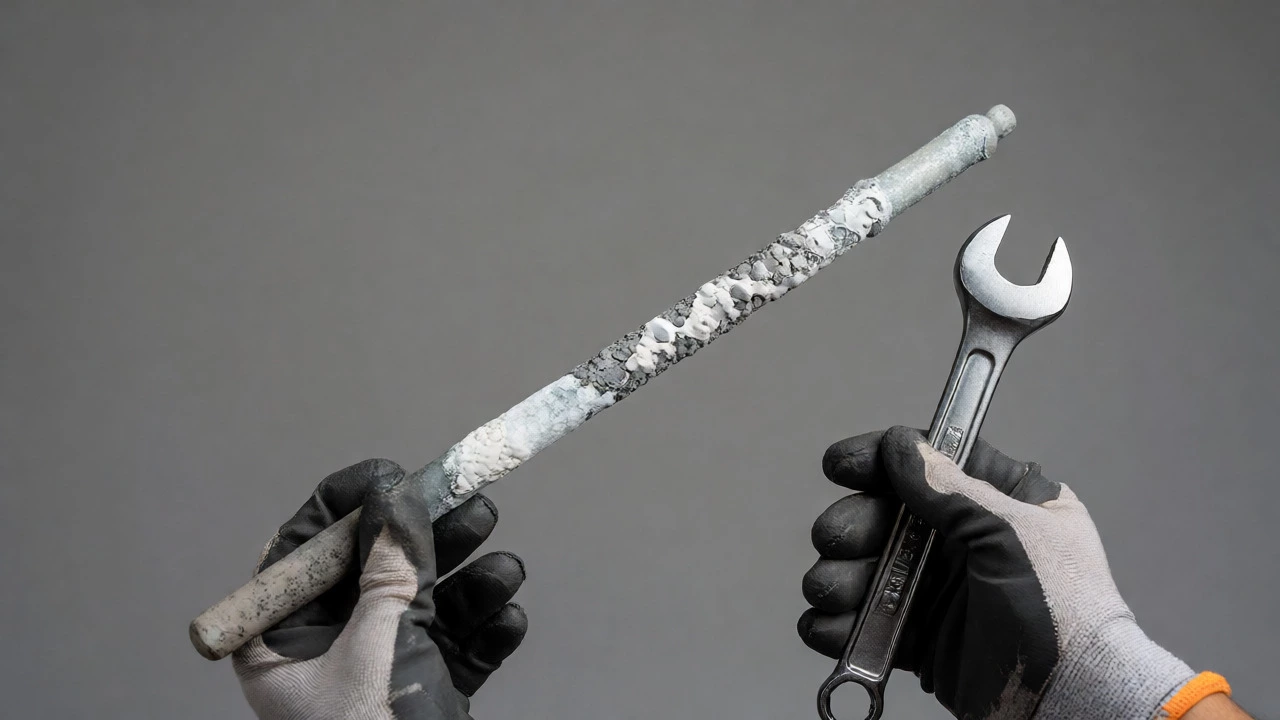
This is the secret weapon of long-lasting tanks. The anode rod is a sacrificial component made of magnesium or aluminum that attracts corrosive elements in the water, protecting the steel tank itself. Think of it as a bodyguard for your water heater. Once the rod corrodes away, the tank starts rusting from the inside out.
Locate the hex head on top of the tank (often near the cold water inlet). Use a wrench to unscrew it. Pull the rod out and inspect it. If it’s covered in white calcium deposits, soak it in vinegar overnight to clean it. If less than 50% of the core wire is exposed, it’s still good. If the rod is heavily eaten away or missing chunks, replace it immediately. Doing this every 3-5 years can double the lifespan of your unit.
Tankless vs. Tank-Specific Checks
If you own a tankless water heater, the diagnostics differ slightly. These units don’t store water, so they don’t suffer from sediment buildup in the same way. Instead, they rely on flow sensors and electronic igniters.
For tankless systems, check the error codes on the digital display. Most modern brands (like Navien, Rinnai, or Noritz) flash specific error codes that point directly to the problem-low gas pressure, airflow issues, or sensor failures. Consult your manual for the code chart. Also, ensure the air intake and exhaust vents outside aren’t blocked by snow or debris, which is a common winter issue in Canada.
When to Call a Professional
You’ve checked the temperature, listened for noises, tested the valve, and inspected the rod. Still no hot water? Here’s when you stop DIY-ing:
- Electrical Issues: If the breaker keeps tripping, you may have a shorted heating element. Dealing with 240V requires caution and expertise.
- Gas Line Problems: If the pilot light won’t stay lit or the burner doesn’t ignite, leave it to a licensed technician.
- Major Leaks: If the tank itself is weeping from seams or cracks, it’s time for a new unit. Patching a tank is a temporary band-aid at best.
- Age: If your tank is over 10-12 years old and showing multiple symptoms, repair costs often outweigh the benefit. Newer models are 15-20% more efficient.
Why does my water run cold even though the heater is on?
This is often caused by a failed heating element (in electric models) or a faulty thermocouple (in gas models). Another possibility is a crossed connection between hot and cold pipes, allowing cold water to mix into the hot line. Check your breaker panel first; if one leg is tripped, the heater won't produce heat.
How often should I flush my water heater?
In areas with hard water like much of Ontario, flushing once a year is recommended. This removes sediment that reduces efficiency and causes noise. If you have soft water, every two years may suffice. Always turn off the power or gas supply before draining the tank.
What size water heater do I need for my family?
A general rule of thumb is 40 gallons for 1-2 people, 50 gallons for 3-4 people, and 80 gallons for 5+ people. However, usage patterns matter. If everyone showers at different times, a smaller tank with a fast recovery rate might work. For simultaneous use, consider a larger tank or a high-flow tankless unit.
Can I replace the anode rod myself?
Yes, provided you have the right socket wrench (usually 1-1/16 inch) and enough clearance above the tank. Be prepared for some water spillage. If the rod is seized due to rust, applying penetrating oil and waiting 15 minutes can help. If it breaks during removal, a plumber may be needed to extract the fragments.
Is it cheaper to repair or replace a water heater?
If the unit is less than 5 years old and the issue is a minor part like a valve or element, repair is usually cheaper. If the tank is leaking or the unit is over 10 years old, replacement is almost always more cost-effective in the long run due to improved energy efficiency and reliability.