

How Often to Replace an Extractor Fan: Signs, Lifespan & Maintenance Guide
 Jun, 21 2026
Extractor Fan Repair vs. Replace Calculator
Current Situation
Ready to Calculate
Enter your fan's details and costs to see our recommendation.
You know that feeling when the smell of burnt toast lingers in your kitchen for hours? Or when you step out of a hot shower and the mirror stays fogged up all morning? That’s usually your extractor fan struggling. It’s one of those appliances we install, forget about, and then panic over when it stops working. But here’s the real question most homeowners miss: do you actually need to replace the whole unit, or is it just time for a tune-up?
The short answer is that a quality extractor fan should last between 10 to 20 years. However, "years" isn’t the only metric that matters. Usage frequency, environment (greasy kitchen vs. humid bathroom), and maintenance habits play a huge role. If your fan is older than ten years and starting to sound like a jet engine, you might be looking at a replacement rather than a simple fix. Let’s break down exactly how to tell if yours has reached its end-of-life.
Understanding the Average Lifespan of Extractor Fans
Not all fans are created equal. The lifespan depends heavily on where the fan is installed and what it’s tasked with doing. A kitchen range hood deals with grease, heat, and particulate matter. This hostile environment wears down motor bearings and clogs filters much faster than a standard bathroom fan does.
- Kitchen Extractor Fans: Typically last 10-15 years. Grease buildup adds weight to the impeller and strains the motor.
- Bathroom Ventilation Fans: Can last 15-20 years or more. They handle moisture but generally less physical debris than kitchen units.
- Inline Ducted Fans: These often last longer (15-25 years) because they are mounted in attics or ceilings, away from direct exposure to cooking splatter or bath products.
If you bought a budget-friendly model five years ago and it’s already wheezing, don’t expect it to hit the decade mark. Higher-end brands with stainless steel blades and sealed motors simply outlast their plastic counterparts. In Toronto, where winters are harsh and homes are tightly sealed to save energy, these fans work overtime to prevent mold and stale air, pushing them harder than they might in a climate-controlled southern region.
Top 5 Signs Your Extractor Fan Needs Replacement
Sometimes the failure is obvious-the fan just stops spinning. Other times, the decline is gradual. Here are the concrete signs that indicate your unit is done:
- Unusual Noise: A healthy fan hums quietly. If you hear grinding, rattling, or high-pitched screeching, the motor bearings are likely worn out. Lubrication won’t fix this if the metal is physically damaged.
- Reduced Airflow: Hold a tissue paper near the vent while the fan is on. If it doesn’t stick firmly, the motor is losing power or the ductwork is blocked. If cleaning the filter doesn’t help, the motor itself may be failing.
- Frequent Tripping of Circuit Breakers: If turning on the fan causes your breaker to trip, there’s an electrical short or the motor is drawing too much current due to internal friction. This is a fire hazard and requires immediate professional attention.
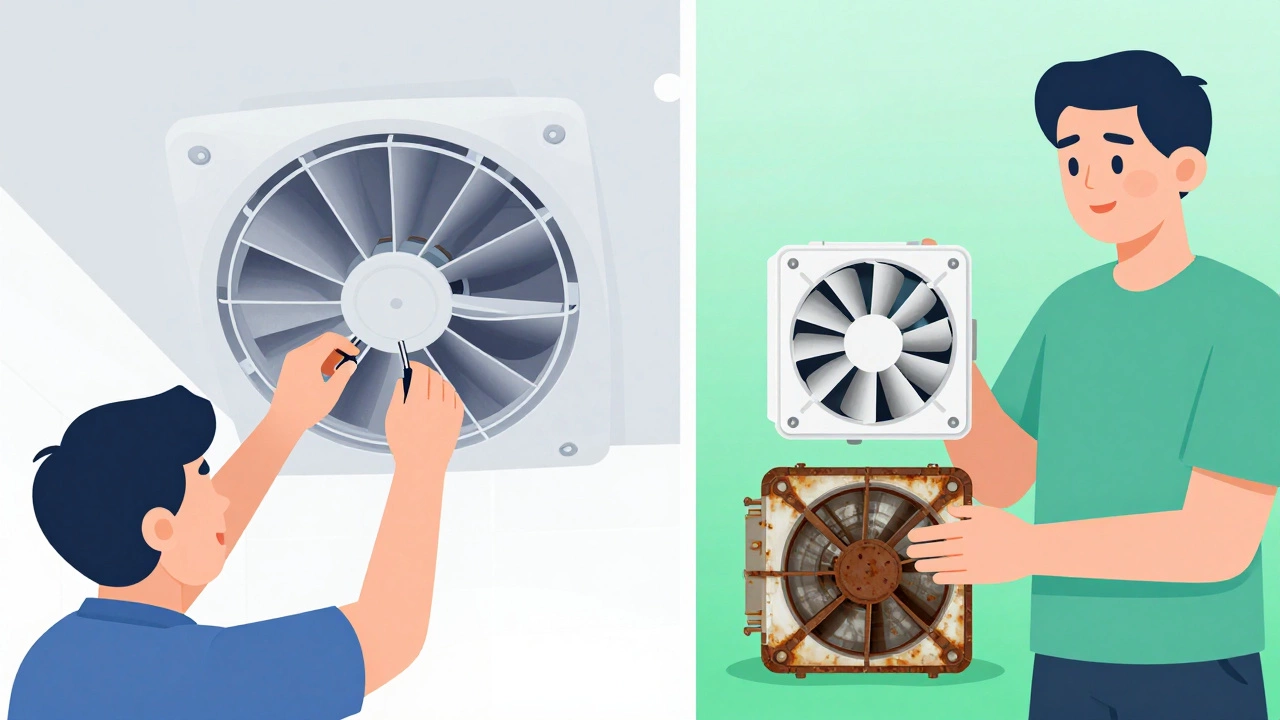
- Visible Rust or Damage: Check the housing and blades. Rust weakens the structure and can cause imbalance, leading to vibration and noise. Plastic components become brittle over time and may crack under vibration.
- Age Beyond Expectations: If your fan is over 15 years old and showing any of the above symptoms, repair costs often outweigh the benefit. Modern fans are significantly more energy-efficient and quieter.
Repair vs. Replace: Making the Smart Financial Choice
This is the dilemma most people face. You call a technician, they diagnose a bad capacitor or motor, and quote you $300-$500 for parts and labor. Is it worth it?
Consider the cost-benefit ratio. A new mid-range extractor fan costs between $150 and $400. Installation might add another $100-$200 depending on complexity. If your current unit is more than eight years old, replacing it is almost always the better long-term investment. Newer models use DC motors which are up to 70% more efficient than older AC motors, saving you money on electricity bills.
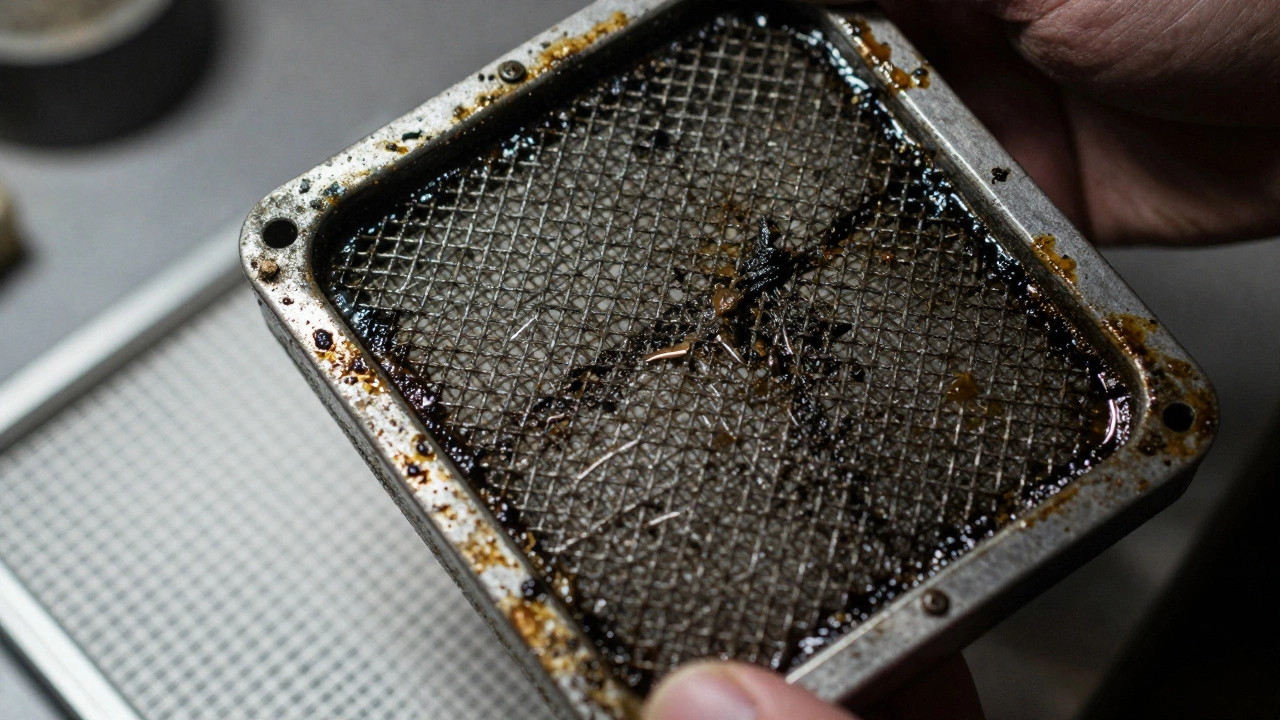
However, if the issue is minor-like a dirty filter, a loose wire, or a tripped switch-repair makes sense. Always start with basic troubleshooting before calling for a full replacement. Clean the grease filters in the dishwasher or with degreaser. Check the wall switch. Ensure the external vent flap isn’t stuck shut by bird nests or ice (common in Canadian winters).
| Factor | Choose Repair | Choose Replace |
|---|---|---|
| Age of Unit | Less than 5 years | More than 10 years |
| Issue Type | Electrical connection, dirty filter, stuck damper | Burnt motor, broken blades, severe rust |
| Noise Level | Slight vibration (tighten screws) | Grinding or screeching |
| Efficiency Goal | Maintain current performance | Want quieter, more powerful operation |
Maintenance Tips to Extend Fan Life
You can double the life of your extractor fan with simple, regular maintenance. Most failures aren’t due to age alone but neglect. Here’s how to keep yours running smoothly:
- Clean Filters Monthly: Kitchen grease filters trap oil that hardens over time. Soak metal mesh filters in hot soapy water or run them through the dishwasher. Charcoal filters in recirculating hoods cannot be cleaned and must be replaced every 3-6 months.
- Check the Ductwork Annually: Lint, dust, and bird nests can block airflow. Use a flashlight to inspect the exterior vent cap. Ensure the flap opens freely when the fan runs.
- Lubricate Moving Parts: Some older fans have accessible bearings. A drop of silicone-based lubricant every year can reduce friction. Never use WD-40 as a long-term lubricant; it attracts dust.
- Run the Fan Longer: After cooking or showering, leave the fan running for 15-20 minutes. This clears residual moisture and grease particles before they settle into the motor housing.
In Toronto homes, pay special attention during winter. Cold air entering through leaky ducts can freeze inside the fan housing, causing ice buildup that jams the impeller. Seal any gaps in the ductwork with foil tape, not duct tape, which degrades quickly.
Choosing the Right Replacement Model
When you decide to replace, don’t just buy the cheapest option. Consider these factors:
- Airflow Capacity (CFM): Measure your room volume. For kitchens, you need at least 100 CFM per linear foot of cooktop width. Bathrooms need 1 CFM per square foot. Under-sizing leads to poor performance; over-sizing causes noise and backdrafts.
- Sone Rating: This measures noise. Lower sones = quieter. Aim for 1.5 sones or less for bedrooms/bathrooms. Kitchens can tolerate up to 3-4 sones.
- Type: Ducted fans expel air outside and are most effective. Recirculating (ductless) fans use charcoal filters and are less efficient but easier to install in apartments without exterior walls.
- Energy Efficiency: Look for ENERGY STAR certified models. They use less power and often come with better warranties.
Popular brands like Broan-NuTone, Zephyr, and RangeKleen offer reliable options. If you’re in an older Toronto home with limited attic space, consider compact inline fans that fit in tighter duct runs.
DIY Installation vs. Professional Help
Replacing a standard bathroom fan is often a DIY job if you’re comfortable with basic wiring and cutting drywall. Turn off the power at the breaker box first! Match the new unit’s dimensions to the existing opening. Connect wires using wire nuts (black to black, white to white, ground to ground).
However, kitchen range hoods involve heavier units, complex duct routing, and sometimes gas line proximity. If your new hood requires cutting through masonry or extending ductwork more than a few feet, hire a pro. Poor installation leads to leaks, noise, and reduced efficiency. In Ontario, electrical work beyond simple plug-in replacements may require licensed electricians depending on local bylaws.
Can I clean my extractor fan instead of replacing it?
Yes, if the issue is poor airflow due to grease buildup. Cleaning the filters and ductwork can restore performance. However, if the motor is making grinding noises or the unit is over 10 years old, cleaning won’t fix mechanical wear. Regular cleaning extends life but doesn’t stop eventual failure.
How much does it cost to replace an extractor fan?
A basic bathroom fan costs $50-$150. Kitchen range hoods range from $200 to $1,000+. Installation adds $100-$300 for simple swaps. Complex installations involving new ductwork or electrical upgrades can cost $500+. Always get multiple quotes.
Why is my extractor fan noisy but still working?
Noise usually indicates bearing wear, loose mounting screws, or an unbalanced impeller. Tighten screws first. If grinding persists, the motor bearings are failing. While it may run for months, noise will worsen until it fails completely.
Do I need a permit to replace an extractor fan in Toronto?
For like-for-like replacements (same size, same location, no electrical changes), permits are rarely required. If you’re adding new circuits, changing duct paths through structural elements, or installing commercial-grade equipment, check with the City of Toronto Building Division. When in doubt, consult a licensed contractor.
What’s the difference between a ducted and ductless extractor fan?
Ducted fans pull air out of your home through vents to the outside, removing heat, moisture, and odors effectively. Ductless (recirculating) fans filter air through charcoal and blow it back into the room. Ducted is superior for performance; ductless is easier to install where exterior walls aren’t available.