

How Often Should You Replace the Anode Rod in a Water Heater?
 Dec, 1 2025
Anode Rod Replacement Calculator
How often should you replace your anode rod?
Enter your water heater details to estimate when you should replace the anode rod.
Why This Matters
The anode rod protects your water heater tank from rust. If it fails, you face costly repairs or replacement.
Warning Signs
- Rusty water
- Rotten egg smell
- Reduced hot water
- Leaking tank
Most people don’t think about their water heater until it stops working. By then, it’s often too late to save it. But one simple part-the anode rod-can extend your water heater’s life by years if you check it regularly. So how often should you replace the anode rod in a water heater? The short answer: every 3 to 5 years, but it depends on your water quality, usage, and rod type.
What does the anode rod actually do?
The anode rod is a long metal stick, usually made of magnesium, aluminum, or zinc, that hangs inside your water heater tank. Its job isn’t to heat water. It’s to protect the tank from rusting.
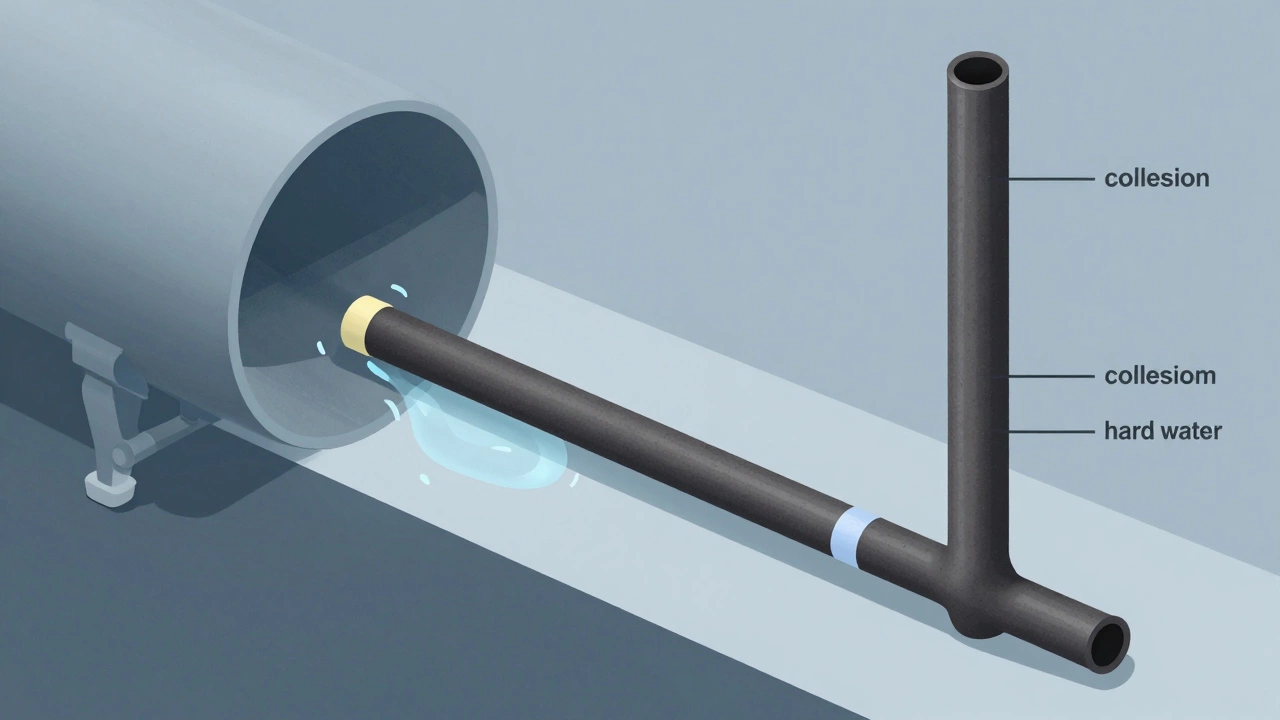
Water, especially hot water, is naturally corrosive. Over time, it eats away at the steel lining of the tank. The anode rod is designed to corrode first. It’s called a "sacrificial" rod because it gives up itself to save the tank. Think of it like a bodyguard taking a bullet for the main target.
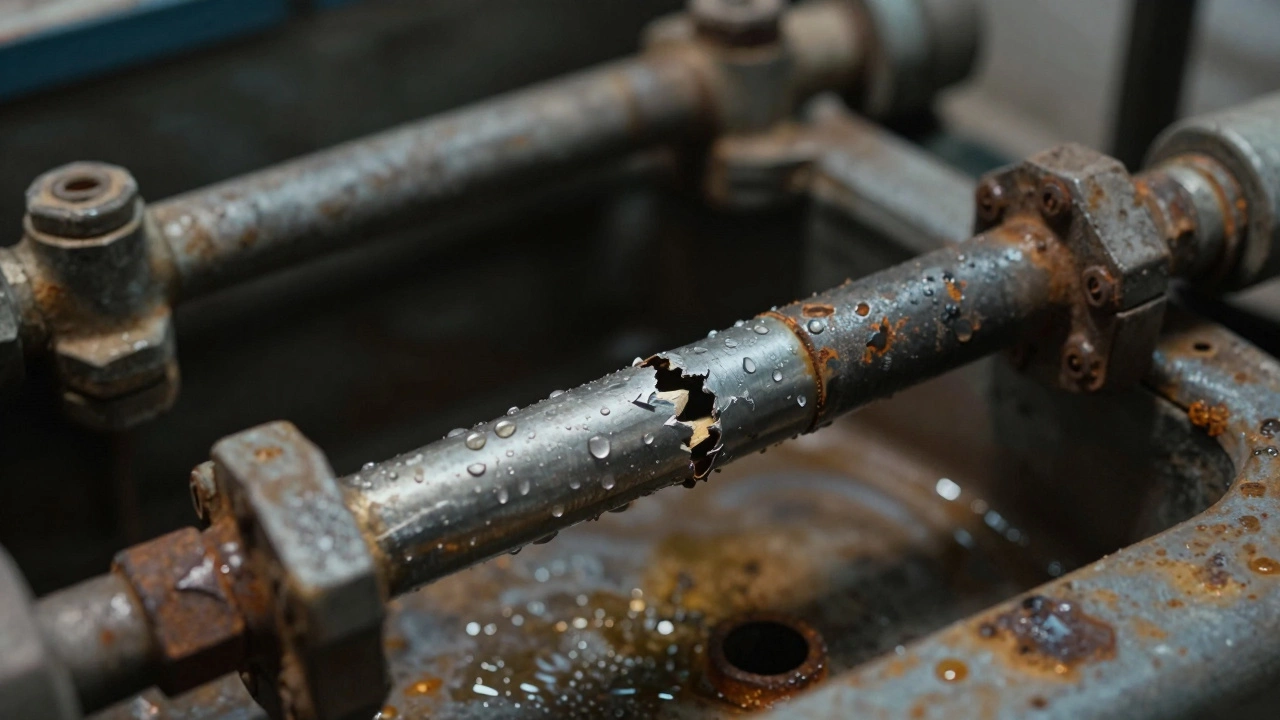
If the anode rod wears out completely, the tank starts rusting from the inside. That’s when you get rusty water, strange smells, or worse-a leaking tank that floods your basement. Replacing the rod before it’s gone is far cheaper than replacing the whole water heater.
How often should you replace it?
The standard advice is every 3 to 5 years. But that’s just a starting point. In Toronto, where water hardness and mineral content vary by neighborhood, some homeowners need to replace theirs every 2 years. Others might get 6 or 7 years out of it.
Here’s what changes the timeline:
- Hard water - If your water has high levels of calcium and magnesium, the rod corrodes faster. Toronto’s water is moderately hard, but areas like Mississauga and Brampton have harder water than downtown.
- Water heater size - Larger tanks (80+ gallons) often have multiple rods or thicker rods that last longer.
- Water temperature - The hotter the water, the faster corrosion happens. If you set your thermostat above 140°F, you’re accelerating rod wear.
- Water quality - If your water has high sulfur content, you’ll get that rotten egg smell. That’s a sign the anode rod is reacting with bacteria, and it’s wearing out quickly.
There’s no magic number. The best way to know is to inspect it.
How to check your anode rod
You don’t need to be a plumber to check the rod. It takes about 30 minutes and costs nothing but your time.
- Turn off the power or gas to the water heater. For electric, flip the breaker. For gas, turn the dial to "pilot."
- Shut off the cold water supply line to the tank. This is usually the pipe on top with a handle.
- Open a hot water tap in your house to relieve pressure. This keeps water from spraying out when you remove the rod.
- Find the anode rod port. It’s usually on top of the tank, near the hot water outlet. It looks like a hex head bolt, about 1 inch wide.
- Use a 1-1/16 inch socket wrench or breaker bar to loosen it. It’s often stuck. Don’t force it-spray some penetrating oil and wait 10 minutes.
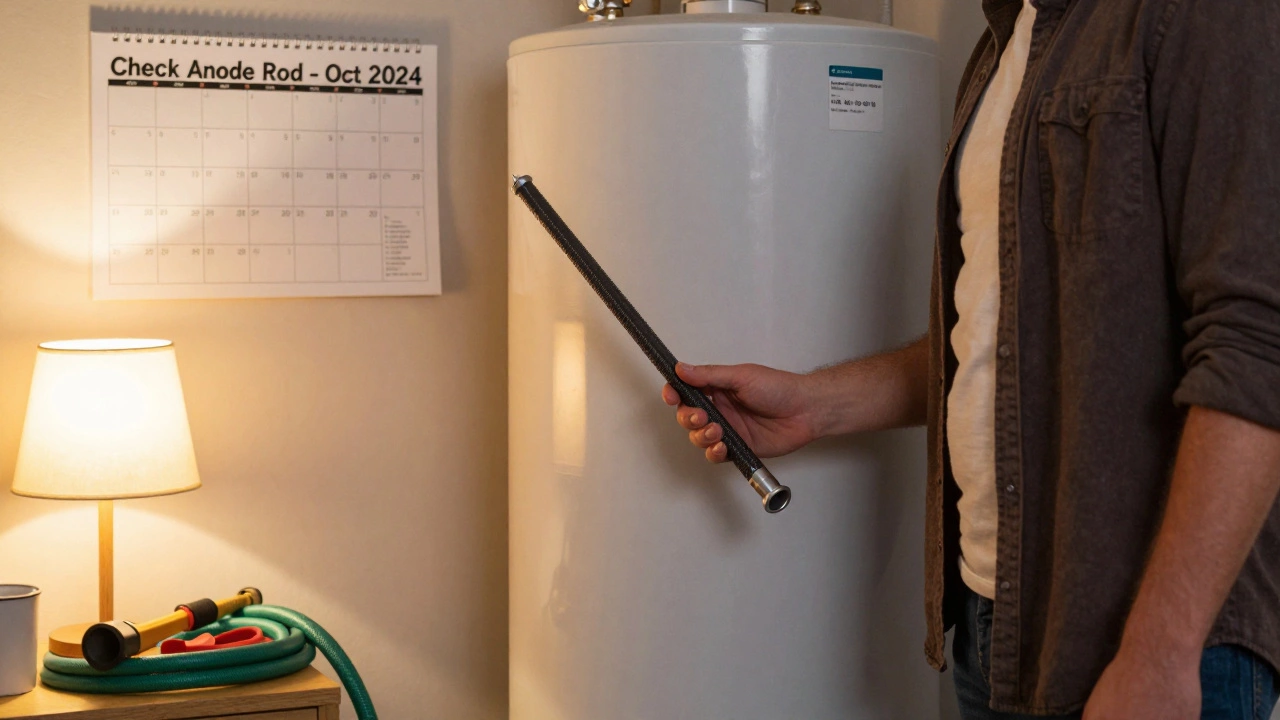
- Pull the rod out. Look at it closely.
Here’s what to look for:
- If it’s still thick and covered in metal-leave it alone.
- If it’s half gone, thin, or has big chunks missing-replace it now.
- If you can see the steel core sticking out-your tank is already at risk.
Most rods last 3-5 years, but if you see less than 6 inches of material left, it’s time to swap it out.
Types of anode rods and which one to pick
Not all anode rods are the same. The material affects how fast it corrodes and what kind of water it works best with.
| Type | Best For | Corrosion Rate | Smell Risk |
|---|---|---|---|
| Magnesium | Soft to moderately hard water | Fast | Low |
| Aluminum | Hard water, high mineral content | Slower | Low |
| Zinc (aluminum-zinc blend) | Water with rotten egg odor | Medium | Reduces odor |
If you’ve had a rotten egg smell from your hot water, try a zinc-aluminum rod. It’s not a permanent fix, but it helps. For most homes in Ontario, magnesium is fine. If your water is very hard, aluminum lasts longer.
Some rods are flexible or come in two pieces. That’s helpful if your tank is cramped or hard to reach. Don’t overpay for "premium" rods-basic ones from Home Depot or Rona work just fine.
What happens if you don’t replace it?
Ignoring the anode rod is like ignoring your car’s oil change. Nothing breaks right away. But over time, the damage builds.
After the rod is gone, the tank lining starts corroding. You might notice:
- Rusty or brown water from the hot tap
- Sulfur smell (like rotten eggs)
- Reduced hot water output
- Strange noises-popping or rumbling from sediment buildup
- Leaks around the base of the tank
Once the tank starts leaking, you’re looking at $800-$1,800 to replace it. An anode rod costs $30-$60. Even if you pay a plumber $150 to install it, you’re still saving hundreds.
Pro tips for longer tank life
Replacing the rod is the #1 thing you can do to extend your water heater’s life. But here are a few more:
- Flush the tank once a year to remove sediment. It’s easy-hook up a garden hose to the drain valve and run water until it’s clear.
- Set the thermostat to 120°F. That’s hot enough for showers and saves energy.
- Install a water softener if your water is very hard. It reduces mineral buildup and slows corrosion on everything, not just the tank.
- Check the pressure relief valve every 6 months. If it’s leaking or stuck, replace it.
These steps don’t take much time, but they add up. A water heater that gets basic care can last 12-15 years. Without care? Maybe 6-8.
When to replace the whole water heater
Even with perfect maintenance, water heaters don’t last forever. Here’s when to cut your losses:
- The tank is over 10 years old and you’ve never replaced the anode rod.
- You see rust on the outside of the tank or pooling water around the base.
- It takes longer to heat water, even after flushing and rod replacement.
- Repair costs are approaching half the price of a new unit.
If your heater is 8-10 years old and you’ve kept up with maintenance, replacing the anode rod might give you another 3-5 years. If it’s older than that and you’ve never touched the rod, it’s probably not worth it.
Final advice
Don’t wait for your water heater to die. Set a calendar reminder every 3 years to check the anode rod. Do it yourself-it’s not hard. If you’re uncomfortable, hire a plumber for a one-time inspection. That’s a small price to pay to avoid a flooded basement in the middle of a Toronto winter.
Water heaters are built to last. But they don’t last on their own. The anode rod is your best defense. Check it. Replace it. Save money. Stay dry.
How do I know if my anode rod is bad?
Remove the rod and inspect it. If it’s less than half its original thickness, has large chunks missing, or you can see the steel core inside, it’s worn out. Rusty water, bad smells, or reduced hot water are also signs the rod has failed and the tank is now corroding.
Can I replace the anode rod myself?
Yes. You’ll need a socket wrench, a new rod, and about 30 minutes. Turn off the power and water, relieve pressure, and unscrew the old rod. It’s often stuck-use penetrating oil and patience. Most homeowners do this without help. If you’re unsure, hire a plumber for one service call.
Does the anode rod affect water quality?
The rod itself doesn’t contaminate water. But when it wears out, the tank corrodes, which can cause rust and sediment in your water. Aluminum rods can sometimes cause a metallic taste, and zinc rods may reduce sulfur smell. If you notice taste or odor changes, check the rod first.
What’s the average cost to replace an anode rod?
The rod itself costs $30 to $60. If you do it yourself, that’s your only cost. A plumber will charge $150-$250 to replace it, including labor. Compare that to a new water heater, which costs $1,000-$2,500 installed. Replacing the rod is one of the best value repairs in home maintenance.
Should I replace the anode rod if my water heater is 12 years old?
If it’s never been replaced and your heater is still working, go ahead and replace it. But if the tank is already leaking, rusted on the outside, or you’re getting inconsistent hot water, it’s likely not worth it. At 12 years, the tank’s steel lining is probably too far gone. Use this as a chance to plan for a replacement.
Replacing your anode rod isn’t glamorous, but it’s one of the smartest moves you can make for your home. A few minutes every few years can save you thousands.