

How Much Should a New Boiler Cost? Real Prices for 2026
 Oct, 25 2026
Boiler Cost Estimator (2026)
Use this tool to estimate your potential boiler installation costs. Prices are estimates for 2026 UK averages.
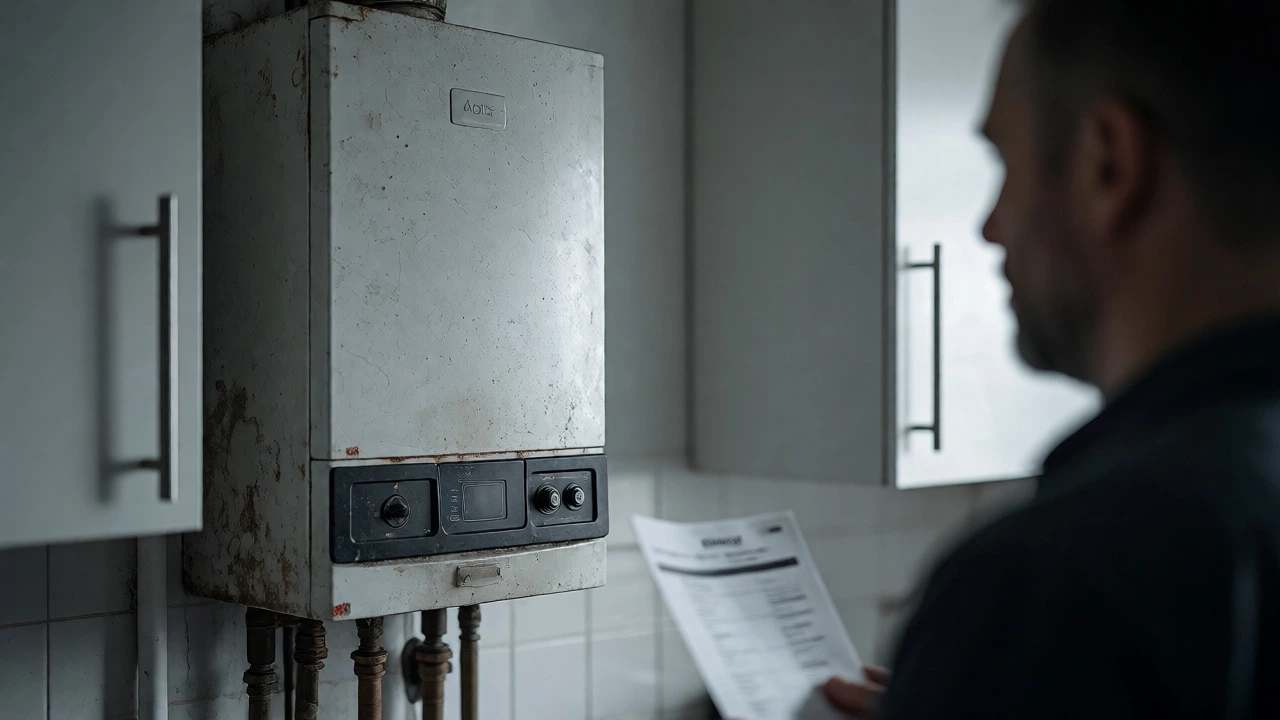
You’re standing in your kitchen, staring at that old, clanking metal box on the wall. It’s finally given up the ghost, or maybe it’s just become so inefficient that your energy bills look like a mortgage payment. Now you’re facing the big question: how much should a new boiler cost? It’s not a simple number to pin down because it depends on everything from the type of unit you choose to where you live and who installs it. But don’t worry-we’ll break down the real numbers, hidden fees, and smart ways to save so you aren’t blindsided by the final bill.
The Quick Answer: What You’re Looking At
If you want the ballpark figures right now, here is the reality for 2026. For a standard replacement of an existing combi boiler (the most common type in UK homes), expect to pay between £1,800 and £3,500. This includes the unit itself and basic labor. If you’re switching fuel types, moving the boiler location, or installing a larger system for a bigger house, costs can jump to £4,000-£6,000+. Remember, these are averages. A cheap job might cost less but could hide poor workmanship, while a premium brand with a long warranty will push the upper limit.
| Boiler Type | Unit Cost Only | Installation & Materials | Total Estimated Cost |
|---|---|---|---|
| Combi Boiler | £900 - £1,800 | £900 - £1,700 | £1,800 - £3,500 |
| System Boiler | £1,100 - £2,200 | £1,200 - £2,000 | £2,300 - £4,200 |
| Regular Boiler | £1,200 - £2,500 | £1,500 - £2,500 | £2,700 - £5,000+ |
Why The Price Varies So Wildly
It feels frustrating when quotes vary by thousands of pounds for what seems like the same job. Here’s why. First, the boiler type dictates the complexity. A combi boiler, which heats water on demand without needing a storage tank, is generally cheaper and quicker to install than a regular boiler system that requires cold water tanks and a hot water cylinder. Second, the location matters. If your installer needs to run new gas pipes through walls, lift floorboards, or move the flue position, labor hours skyrocket. Third, brand reputation plays a role. Premium brands like Vaillant or Worcester Bosch often cost more upfront but offer better reliability and longer warranties compared to budget options.
Breaking Down The Components Of Your Bill
When you get a quote, ask for an itemized breakdown. You need to know exactly what you’re paying for. Typically, the bill splits into three buckets:
- The Unit: This is the boiler itself. Entry-level models start around £900, while high-efficiency condensing boilers with smart controls can hit £2,500.
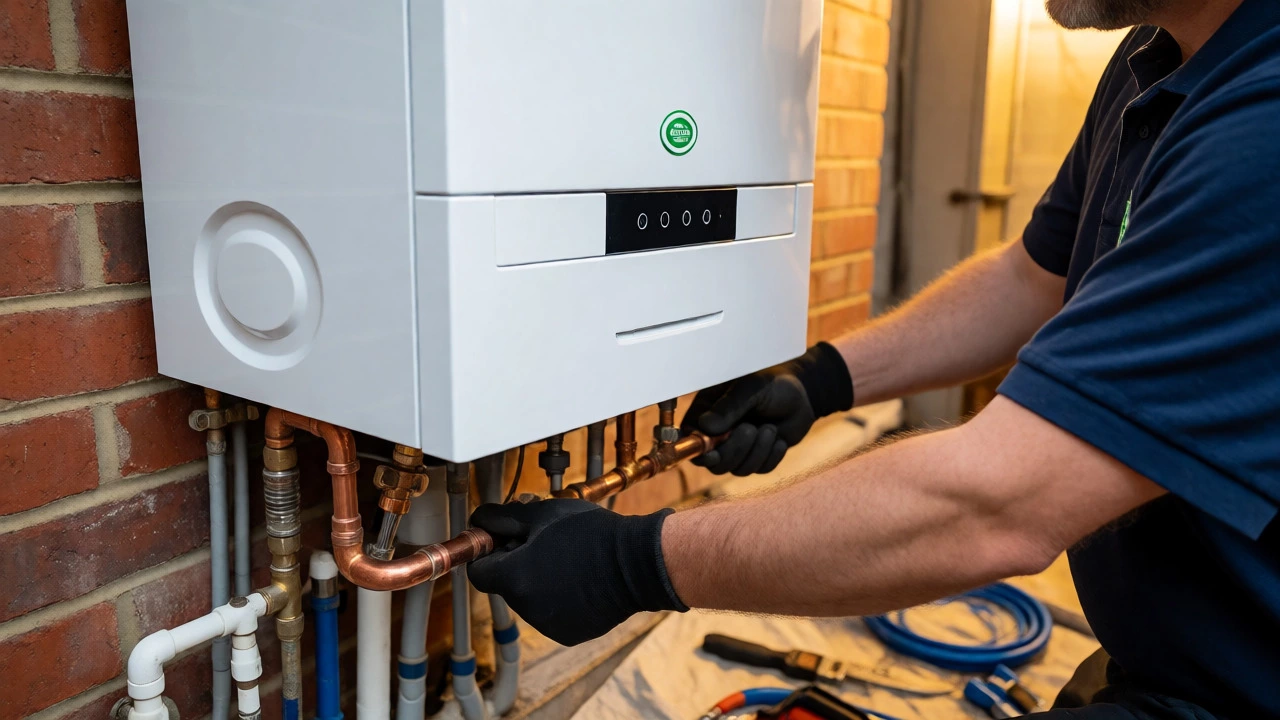
- Labor: Gas Safe registered engineers charge daily rates or fixed fees. A straightforward swap takes half a day; a complex relocation takes two days.
- Materials: This includes magnetic filters, thermostats, pipework, flues, and scaffolding if needed. Never skip the magnetic filter-it protects your new investment from sludge buildup.
Hidden Costs That Catch Homeowners Off Guard
You’ve agreed on a price, but then extra charges appear. Why? Because some issues only show up once the old boiler is removed. For instance, if the existing gas pipe is undersized for a modern high-flow combi, the engineer must replace it, adding £150-£300. Or perhaps the condensate drain pipe needs extending to reach an external wall, which involves drilling and possibly trenching. Always ask your installer: "What happens if you find unexpected issues during removal?" Get a clause in writing about how extras are handled.
How To Save Money Without Cutting Corners
You don’t have to pick the cheapest installer who might leave you with leaks next winter. Try these strategies:
- Get Three Quotes: Never accept the first quote. Compare at least three Gas Safe registered engineers. Look for consistency-if one is significantly cheaper, ask why.
- Choose Off-Peak Timing: Avoid summer when everyone thinks about heating upgrades, or mid-winter emergencies. Spring and autumn are quieter periods where installers may offer discounts to fill their schedules.
- Consider Refurbished Units: Some reputable suppliers sell professionally refurbished boilers with full warranties. These can be 30-50% cheaper than new units.
- Check For Grants: Depending on your property’s energy rating and local council schemes, you might qualify for funding through programs like the Energy Company Obligation (ECO).

Is It Worth Buying Extended Warranties?
Most manufacturers offer 5-10 year warranties on new boilers. However, these often require annual servicing by an authorized agent to remain valid. An extended warranty from the installer might seem appealing, but read the fine print. Does it cover parts only, or labor too? Labor is usually the expensive part of a repair. If the extended warranty covers both parts and labor for 10 years, it might be worth the £200-£400 premium for peace of mind, especially if you plan to stay in the home long-term.
Frequently Asked Questions
Can I install a new boiler myself to save money?
No, not legally. In the UK, all gas work must be carried out by a Gas Safe registered engineer. DIY installation voids the manufacturer's warranty and is dangerous due to carbon monoxide risks. You can, however, do preparatory work like clearing the area or removing old furniture to save on labor time.
How long does a new boiler last?
A well-maintained modern condensing boiler typically lasts 10 to 15 years. Regular annual servicing and the use of a magnetic filter can extend this lifespan. Older non-condensing boilers often lasted longer but were far less efficient.
Does replacing a boiler increase home value?
Yes, indirectly. A new boiler improves your Energy Performance Certificate (EPC) rating, making your home more attractive to buyers and potentially lowering their projected energy bills. While it doesn't add direct square footage, it removes a major 'red flag' for surveyors and buyers looking for low-maintenance properties.
What size boiler do I need?
Size is measured in kilowatts (kW). A small flat might need 24-28kW, while a large family home with multiple bathrooms might need 35-42kW. Bigger isn't always better; an oversized boiler cycles on and off frequently, wasting energy. Have a professional calculate your heat load based on radiators and hot water demand.
Are smart thermostats included in the cost?
Rarely. Basic room thermostats are often included, but smart devices like Nest or Hive usually cost extra (£100-£200 installed). They can save you money on running costs over time, so consider them a worthwhile add-on if your budget allows.