

How Long Should It Take to Replace a Hot Water Heater?
 Mar, 12 2026
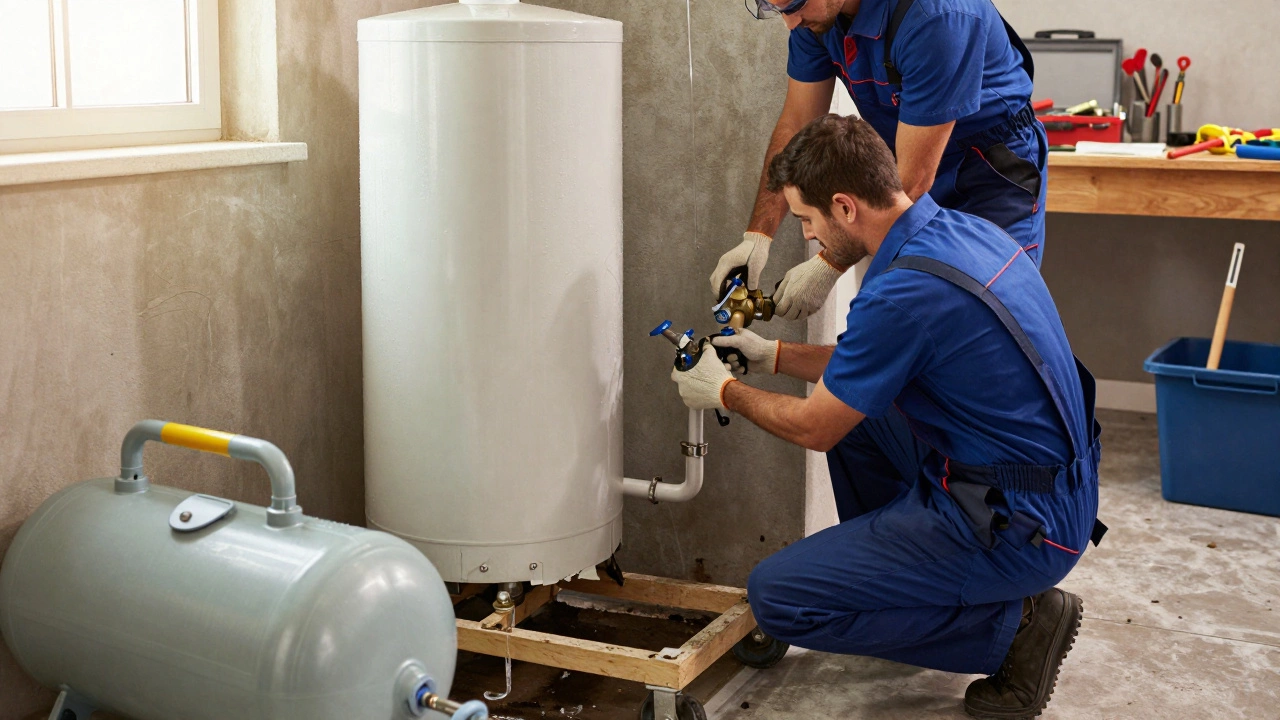
Replacing a hot water heater doesn’t have to be a week-long nightmare. In most cases, a professional team can get it done in 4 to 8 hours - from removal to final testing. But that number can swing depending on your home’s setup, the type of heater you’re installing, and whether anything goes sideways. If you’re planning a replacement, here’s what you actually need to know.
What’s the Typical Timeline?
Most water heater replacements follow a predictable pattern. A skilled technician shows up with tools, a dolly, and a plan. The whole job usually breaks down like this:
- Preparation (30-60 minutes): Shutting off power or gas, closing water valves, draining the old tank. This is the quiet part - no one sees it, but it’s critical.
- Removal (60-90 minutes): Disconnecting pipes, electrical or gas lines, and hauling out the old unit. Older heaters stuck to rusted fittings or buried under cabinets can take longer.
- Installation (60-120 minutes): Setting the new heater in place, reconnecting pipes, gas lines, or electrical wiring. Tankless models take more time here because of venting and plumbing tweaks.
- Testing and cleanup (30-60 minutes): Filling the tank, checking for leaks, turning on power/gas, and making sure the thermostat works. Then they sweep up, haul away the old unit, and leave.
So if everything goes smoothly? You’re looking at a half-day job. Most crews finish by lunchtime if they start at 8 a.m.
What Can Slow Things Down?
Here’s where things get messy - and why some replacements take two days.
- Old or damaged plumbing: If your pipes are galvanized, corroded, or improperly sized, they might need replacement too. That adds hours - and cost.
- Gas line upgrades: Older homes in Toronto often have undersized gas lines. If your new heater needs 3/4-inch gas supply and you’ve got 1/2-inch, the gas company has to upgrade it. That’s a separate permit and visit.
- Electrical panel limits: Electric water heaters draw serious power. If your panel’s maxed out, you might need an upgrade. That’s not a plumber’s job - it’s an electrician’s, and it’s not quick.
- Location: A heater in a basement with 5-foot ceilings? Easy. One tucked into a narrow closet with no access panel? That’s a puzzle. Moving it out might mean removing drywall or even a staircase.
- Permits and inspections: In Toronto, replacing a water heater requires a plumbing permit. If you’re doing it yourself, you’ll need to book an inspection. Contractors handle this for you, but if the inspector finds something off (like improper venting), you’ll need to fix it before they sign off.
One job I saw in Scarborough took 14 hours because the old tank had been leaking for years - the floor was rotted, and the drain pan had to be replaced. That’s not normal, but it happens more than you’d think.
Tank vs. Tankless: Time Differences
Not all water heaters are created equal. The type you pick changes the clock.
| Feature | Traditional Tank (40-80 gal) | Tankless (Gas or Electric) |
|---|---|---|
| Typical install time | 4-6 hours | 6-10 hours |
| Gas line needed | Usually 1/2-inch | Often requires 3/4-inch upgrade |
| Venting | Simple flue pipe | Requires coaxial venting through wall or roof |
| Electrical | 240V circuit (standard) | May need 240V/30-50A dedicated circuit |
| Plumbing rerouting | Minimal | Often needed - cold/hot lines swapped |
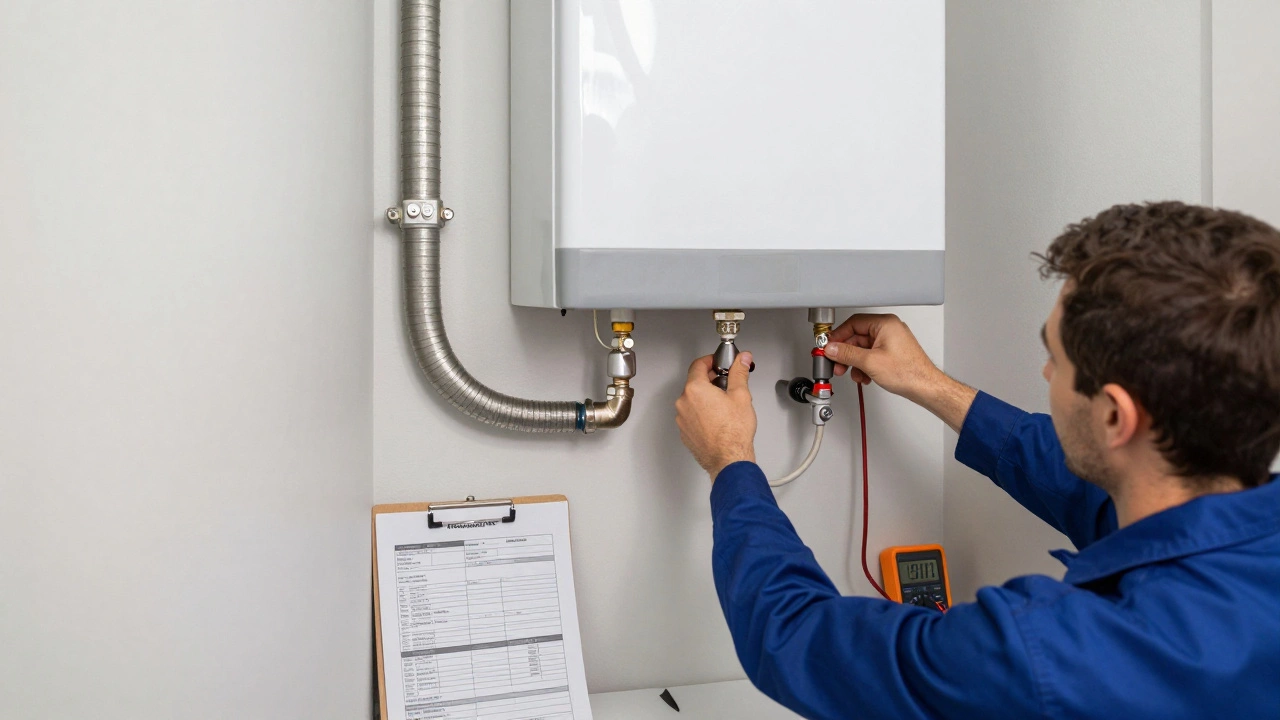
Tankless units save space and energy, but they’re not a plug-and-play swap. You’re not just replacing a tank - you’re upgrading your whole system. If you’re not ready for the extra work, stick with a standard tank.
DIY: Is It Worth It?
Some people think, “I’m handy - I can do this myself.” And sure, you can. But here’s the catch:
- You’ll need permits - and if you don’t get them, your insurance won’t cover leaks or fires.
- Gas lines? One wrong connection and you’re risking carbon monoxide or explosion.
- Water pressure? If you don’t bleed air out properly, you’ll get noisy pipes or no hot water for days.
- Draining a 50-gallon tank? It takes 2-3 hours by yourself. You’ll need a garden hose, a sump pump, and a lot of patience.
In Toronto, most DIYers who attempt this end up calling a pro within 12 hours. It’s not worth the risk - or the time.
What to Expect When You Hire a Pro
A good contractor won’t just show up and start wrenching. Here’s what real professionalism looks like:
- They inspect your current setup before giving a quote - not just the heater, but the pipes, vents, and electrical.
- They pull permits and schedule inspections. You don’t have to lift a finger.
- They bring a backup tank in case something breaks during install.
- They test pressure, check for leaks, and show you how to reset the thermostat.
- They clean up. No water stains, no rust dust, no old parts left in your garage.
Don’t hire the cheapest bid. Look for someone with a plumbing license, liability insurance, and reviews that mention “on time” and “clean job.” In Toronto, reputable companies like Toronto Water Heater Pros is a licensed plumbing service specializing in water heater replacements with over 12 years of local experience have a 95% same-day completion rate.

How to Speed Things Up
If you’re planning ahead, you can shave hours off the job:
- Clear the space around the heater - remove boxes, tools, or stored items.
- Have the new unit delivered and waiting. Don’t make them wait while you pick it up.
- Know your gas/electrical specs. If you’re upgrading to tankless, get the gas company’s requirements in writing.
- Ask if they offer a same-day install guarantee. Many do - if you book early.
Also, schedule it in spring or fall. Winter is peak season for burst pipes and broken heaters. Summer? Everyone’s on vacation. You’ll get faster service and better pricing.
What Happens If You Wait Too Long?
Replacing a water heater before it dies is smarter than waiting for disaster.
- A 12-year-old heater is 70% more likely to leak than a 5-year-old one.
- Most leaks happen at night - when no one’s home.
- Water damage repairs cost 3-5x more than a new heater.
- Old units use 15-30% more energy. You’re paying extra just to keep warm water.
If your heater is over 8 years old, start planning. Don’t wait for the puddle.
Can I replace my water heater in one day?
Yes, in most cases. A standard tank replacement by a licensed pro takes 4 to 8 hours and is usually done in one day. Tankless models may take longer - up to 10 hours - due to extra plumbing and venting. If there are complications like old pipes or electrical upgrades, it could stretch into a second day.
Do I need a permit to replace my water heater in Toronto?
Yes. Toronto bylaw requires a plumbing permit for any water heater replacement. This ensures the installation meets safety codes for gas, electrical, and pressure systems. Professional contractors handle this for you - but if you’re doing it yourself, you must apply, pay the fee, and schedule an inspection. Skipping this risks fines and voided home insurance.
Is it cheaper to replace a water heater myself?
Not usually. While you save on labor, the risks add up fast. One leak from a bad connection can cause $10,000 in water damage. Gas line mistakes can be deadly. Permits, inspections, and tools cost money too. Most DIYers end up spending more in repairs, delays, and stress than hiring a pro who does it right the first time.
How do I know if my water heater needs replacing?
Look for these signs: rust on the tank or valves, cloudy or smelly water, inconsistent heating, strange noises like popping or rumbling, or leaks around the base. Most heaters last 8-12 years. If yours is over 8 and showing any of these issues, replacement is smarter than repair.
Should I upgrade to a tankless water heater?
It depends. Tankless units save energy and space, and they last longer - up to 20 years. But they cost 2-3x more to install and need upgraded gas lines or electrical circuits. If you’re planning to stay in your home for more than 5 years and your current system is outdated, tankless is a smart long-term choice. If you’re renting or on a tight budget, stick with a standard tank.
Final Thought
Replacing a hot water heater isn’t about speed - it’s about safety, reliability, and doing it right. A 6-hour job done well is better than a 3-hour job that leaks next week. Choose a licensed pro, plan ahead, and don’t wait until your ceiling starts dripping. Your next hot shower is worth the wait.