

How Long Do Extractor Fans Last? Real-World Lifespan and When to Replace
 Jan, 26 2026
Extractor Fan Lifespan Calculator
How Long Will Your Fan Last?
Estimated Lifespan
Enter your fan details to see results
Most people don’t think about their extractor fan until it stops working. Then suddenly, the kitchen smells like last night’s fried fish, or the bathroom mirror stays foggy for hours. You wonder: how long do extractor fans last? The answer isn’t simple. It depends on the type, how often you use it, and whether it got proper care.
Typical Lifespan of Extractor Fans
Most extractor fans last between 8 and 15 years. That’s the average you’ll see from brands like Vent-Axia, Nuaire, or extractors built into cooker hoods. But that’s just a number. Some fail after 5 years. Others still hum along after 20. What makes the difference?
Extractor fans in bathrooms tend to last longer than those in kitchens. Why? Kitchen fans deal with grease, steam, and cooking residue. That gunk builds up inside the motor and blades. Bathroom fans mostly handle moisture and hair. Less sticky, less damaging.
A kitchen extractor fan used daily - think frying eggs, boiling pasta, or searing steak - wears out faster. A bathroom fan used once a day for 20 minutes? It can easily hit 15 years. I’ve seen old homes in Toronto with 1990s extractor fans still working because they were only used for showers and didn’t get clogged with grease.
What Kills an Extractor Fan?
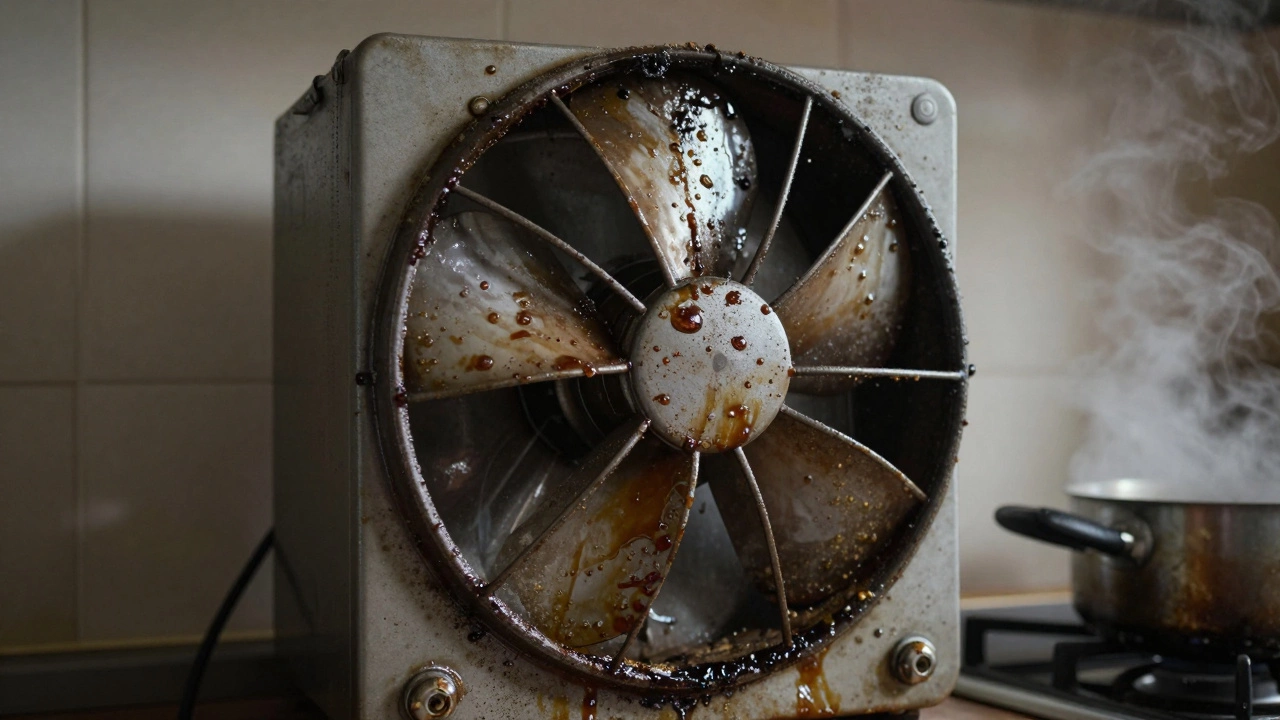
The biggest killer? Dirt. Not water. Not power surges. Dust, grease, and lint.
When grease builds up on the motor shaft, it doesn’t just slow things down - it causes the bearings to overheat. Over time, the motor burns out. You’ll notice it first: the fan gets louder. A high-pitched whine. Then it starts rattling. Then it stops turning altogether.
Some people try to fix it by spraying WD-40 inside. Don’t. That’s a temporary fix at best. WD-40 attracts more dust and turns into sticky gunk. It makes the problem worse.
Another common issue is blocked ducting. If your extractor vents to the outside and the duct is clogged with bird nests, leaves, or collapsed flex duct, the fan has to work harder. That extra strain shortens its life. I’ve seen fans die after just 4 years because the duct hadn’t been cleaned since the house was built.
Signs Your Extractor Fan Is Done
Here’s what to look for:
- It won’t turn on at all - even after checking the fuse and switch
- It runs but doesn’t move air - you can’t feel any suction
- It makes grinding, screeching, or buzzing noises
- It turns on and off randomly
- There’s visible grease or mold buildup inside the housing
If you’re seeing two or more of these, replacement is smarter than repair. Most extractor fans aren’t designed to be fixed. The motor is sealed. The blades are glued on. Replacing the whole unit costs less than labor for a repair.
How to Make Your Extractor Fan Last Longer
You can extend the life of your extractor fan with simple habits.
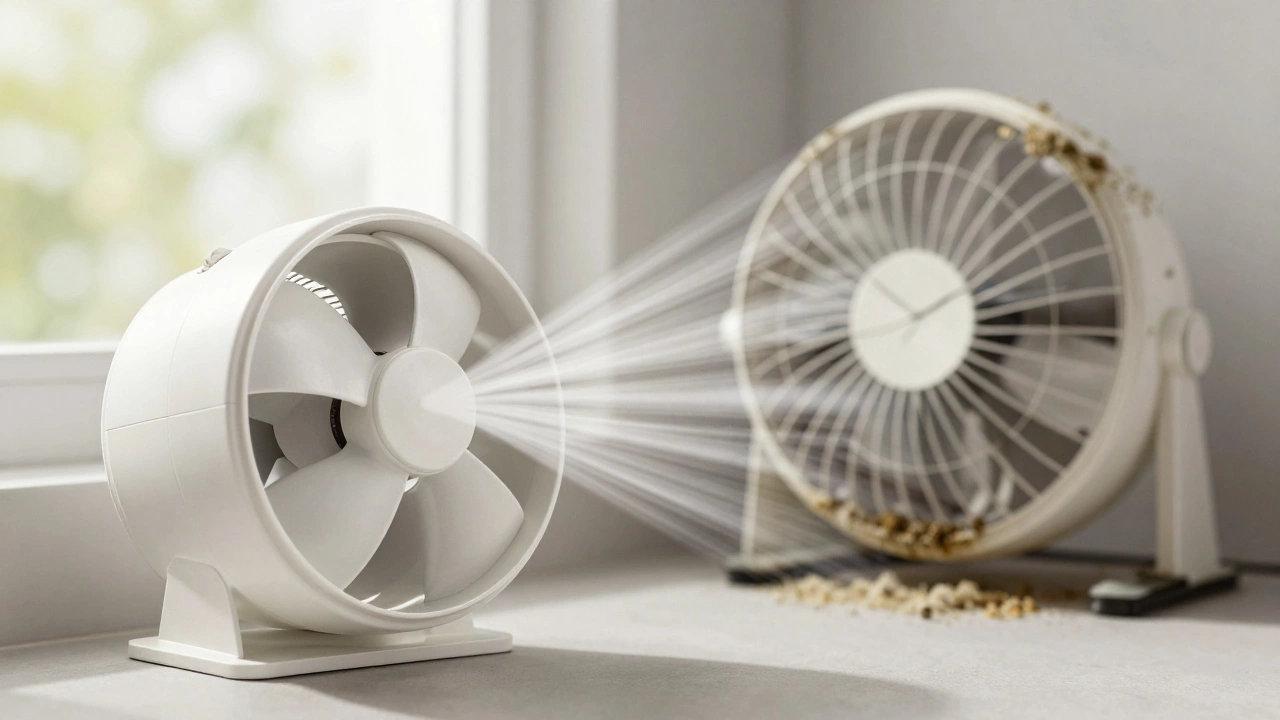
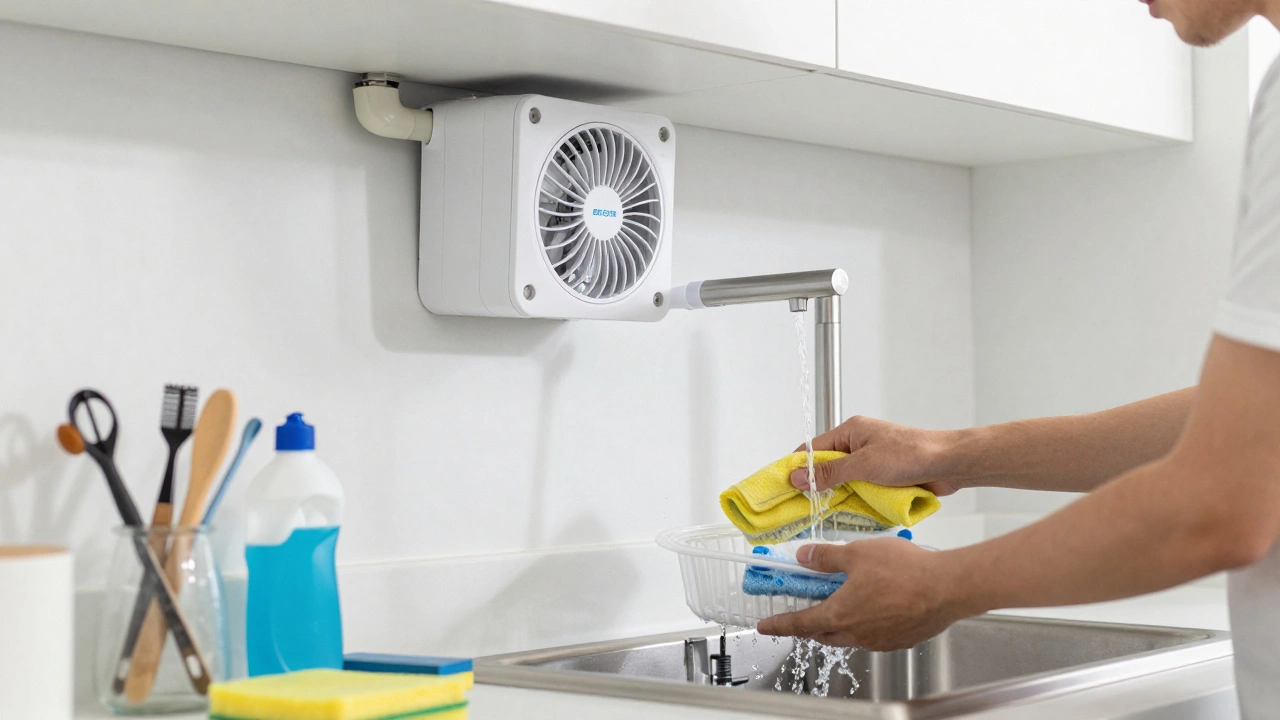
- **Clean the grease filter every month.** If it’s metal, wash it in hot soapy water. If it’s disposable, swap it out. Don’t wait until it’s black.
- **Wipe down the fan housing every 3 months.** Use a damp cloth and mild cleaner. Don’t use harsh chemicals - they can crack plastic housings.
- **Check the duct vent outside twice a year.** In spring and fall, go outside and look at the exhaust outlet. Is it clear? Is air blowing out? If not, clean it with a brush or vacuum.
- **Don’t run it nonstop.** If you’re cooking for an hour, run the fan for 15 minutes after you’re done. You don’t need it on all day.
- **Upgrade to a model with a timer.** Many modern extractors auto-shut off after 10 or 15 minutes. That reduces wear and saves energy.
These steps won’t make your fan last forever. But they can easily add 3 to 5 years to its life.
When to Replace vs. Repair
Here’s the hard truth: 9 out of 10 extractor fan repairs aren’t worth it.
Why? Because the motor isn’t replaceable. The whole unit is cheap. A basic bathroom extractor fan costs $40-$70. A kitchen hood extractor runs $100-$250. Labor to replace it? $80-$150, depending on your location. Labor to fix the motor? Often $120-$200 - and even then, there’s no guarantee it won’t fail again in 6 months.
Replacement is faster, quieter, and more reliable. Modern fans are also more energy-efficient. A 2020s model uses 30% less power than one from 2010. You’ll save money on your electricity bill over time.
Only consider repair if:
- The fan is part of a custom-built hood you can’t easily replace
- You’re renting and the landlord won’t pay for a new unit
- You’re handy and want to learn how to replace the capacitor (a $5 part)
Otherwise, replace it. It’s the smarter move.
What to Look for When Buying a New One
Not all extractor fans are the same. Here’s what to check before buying:
- CFM rating - how much air it moves. For kitchens, aim for at least 100 CFM. For bathrooms, 50-80 CFM is enough.
- Noise level - measured in sones. Anything under 1.0 sone is whisper-quiet. 1.5-2.0 is normal. Avoid anything over 3.0.
- Energy rating - look for ENERGY STAR or A+ rating. It saves money long-term.
- Warranty - good brands offer 2-5 years. If it’s only 1 year, the manufacturer doesn’t trust it.
- Easy-to-clean filters - removable, dishwasher-safe filters are a huge plus.
Brands like Broan, Zephyr, and Vent-Axia have solid reputations. Avoid no-name brands from big-box stores unless they come with a clear warranty and good reviews.
What Happens If You Don’t Replace a Failing Fan?
Ignoring a broken extractor fan isn’t just annoying - it’s risky.
In the kitchen, grease buildup can become a fire hazard. The National Fire Protection Association (NFPA) reports that cooking equipment is the leading cause of home fires in Canada. A clogged extractor fan traps grease in the duct, which can ignite if the motor overheats.
In the bathroom, moisture builds up. That leads to mold on walls and ceilings. Mold spores cause allergies, asthma, and respiratory problems. A 2023 study by Health Canada found that homes with poor ventilation had 3 times higher mold levels than homes with working extractors.
And then there’s the smell. Persistent odors in your home lower property value. Buyers notice. They ask questions. They walk away.
Replacing a fan isn’t just about comfort. It’s about safety, health, and your home’s value.
Final Answer: How Long Do Extractor Fans Last?
On average, extractor fans last 10 years. But with good care, they can last 15. Without care, they might die in 5.
Replace your fan if it’s over 10 years old and showing signs of wear. Don’t wait for it to completely fail. Clean it regularly. Check the duct. Upgrade to a modern, quiet, efficient model.
The cost of a new fan is small compared to the cost of mold removal, fire damage, or losing a potential buyer because your home smells like old grease.
Can I repair my extractor fan instead of replacing it?
Most extractor fans aren’t designed to be repaired. The motor is sealed, and replacement parts are rarely sold. Even if you fix it, the same issues - grease buildup, worn bearings - will return quickly. Replacement is almost always cheaper, faster, and more reliable.
How often should I clean my extractor fan filter?
Clean the grease filter every month if you cook often. For light use, every 2 months is fine. Wash metal filters in hot soapy water or put them in the dishwasher. Replace disposable filters when they look dark or clogged.
Why is my extractor fan so loud all of a sudden?
A sudden increase in noise usually means the motor bearings are worn out or grease has built up on the blades. It could also mean the fan is trying to push air through a blocked duct. Turn it off and check the duct for obstructions. If the noise continues after cleaning, the motor is failing.
Do extractor fans use a lot of electricity?
Older models can use 50-70 watts. Newer energy-efficient fans use 15-30 watts. Running a fan for 1 hour a day costs less than $1 per month. The real savings come from reduced humidity and mold - which can lower your heating and cleaning bills.
Should I install a timer on my extractor fan?
Yes. A timer ensures the fan runs long enough to remove moisture and odors without being left on all day. Many modern fans come with built-in timers. If yours doesn’t, you can buy a simple wall timer for under $20 and install it yourself.
If you’re unsure whether your fan needs replacing, take a photo of the unit and note the model number. Most manufacturers list expected lifespans online. Or, call a local appliance repair tech - many offer free estimates. But don’t wait until the fan dies completely. The sooner you act, the less damage you’ll have to fix.