

How Long Do Electric Hobs Last? Lifespan, Signs of Failure & Repair Tips
 Jul, 30 2026
Electric Hob Repair vs. Replace Calculator
Enter the details of your current situation below to get an instant recommendation.
Waiting for Input
Fill in the form to see if you should repair or replace.
That moment when your favorite burner stops heating or the glass surface cracks is never convenient. You’re in the middle of cooking dinner, and suddenly, your kitchen workhorse quits. It’s a frustrating scenario that forces you to ask a critical question: how long do electric hobs actually last?
The short answer is usually between 10 and 15 years. However, this number varies wildly depending on whether you have a traditional radiant coil model, a smooth-top ceramic unit, or a modern induction cooktop. Understanding the expected lifespan of your specific appliance helps you decide whether to invest in an expensive repair or bite the bullet and replace it entirely.
Key Takeaways
- Standard electric coil hobs typically last 10-15 years, while ceramic and induction models can last 15-20+ years with proper care.
- Repair costs for minor issues like faulty sensors or knobs are often under $150, but replacing a cracked glass panel can cost $300-$600, making replacement more economical for older units.
- Proper cleaning agents matter significantly; abrasive cleaners destroy ceramic coatings, reducing lifespan by years.
- Induction technology is the most durable option because it has fewer moving parts and generates less heat stress on the surrounding components.
Understanding Hob Types and Their Durability
Not all electric hobs are created equal. The internal mechanics and surface materials dictate how long the appliance will survive daily use. To get a realistic expectation, we need to break down the three main categories found in modern kitchens.
Radiant Coil Hobs are the oldest technology. They feature exposed metal coils that glow red hot. These are mechanically simple, which means they are robust against impact but prone to electrical failure over time. The coils themselves can burn out, and the drop-in sockets where they connect often corrode from steam and food spills. Expect these to hit their limit around the 10-year mark if used heavily.
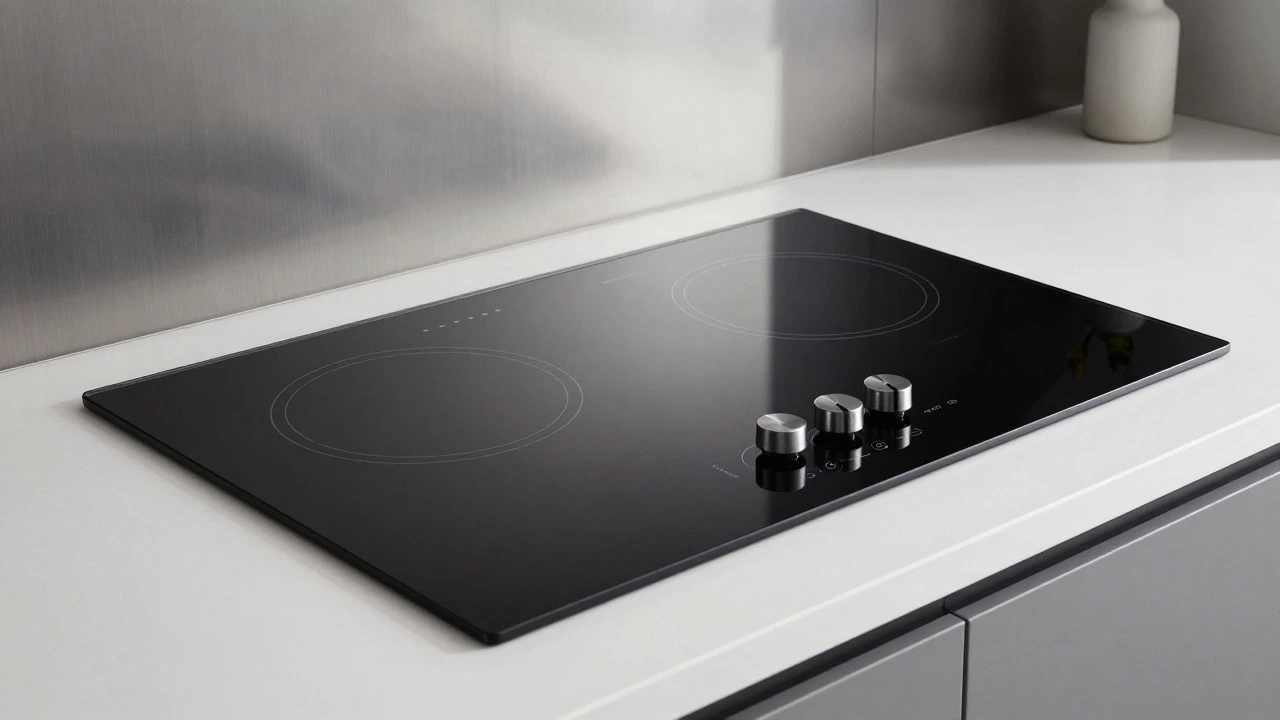
Ceramic Glass Hobs (also known as solid-state or radiant glass) look sleeker. Underneath the black glass surface, there are halogen lamps or infrared elements. The glass is tough, but it is brittle. Thermal shock-placing a cold pot on a hot zone-is the enemy here. While the electronics might last 15 years, the physical integrity of the glass often fails sooner due to micro-cracks expanding over time.
Induction Hobs represent the cutting edge. They use electromagnetic fields to heat the cookware directly, not the hob itself. Because the glass doesn’t get as hot and there are no glowing filaments to burn out, induction units generally have the longest lifespan, often exceeding 20 years. The main point of failure is usually the control board or the touch interface, not the heating mechanism itself.
Factors That Shorten the Lifespan of Your Cooktop
Even a high-quality appliance won’t last its full potential life if treated poorly. Several common habits accelerate wear and tear, turning a 15-year device into a 7-year headache.
Thermal Shock is the number one killer of ceramic and induction surfaces. When you take a heavy cast-iron skillet off the stove and immediately run cold water over it, or place a frozen dish directly onto a preheated zone, the rapid temperature change stresses the glass. Over months, this creates invisible hairline fractures that eventually lead to a catastrophic shatter.
Abrasive Cleaning does more than just scratch the look; it compromises the protective coating. Many people use steel wool or harsh scouring powders on glass tops. This removes the anti-stick layer, causing sugar and starch to fuse to the surface during boiling. Removing these fused residues requires even more aggressive scrubbing, creating a vicious cycle of damage.
Heavy Cookware also plays a role. While manufacturers claim their glass can withstand significant weight, dropping a 10-pound wok onto the center of the hob can crack it instantly. Even regular use of very heavy pots puts strain on the internal heating elements, especially in older coil models where the socket connections loosen.
Sugar and Acid Spills are sneaky enemies. If you boil over sugary sauces or acidic tomato bases and leave them to cool on the hot surface, they chemically bond to the glass. Once cooled, they act like glue. Trying to scrape them off later often results in deep scratches that weaken the structural integrity of the panel.
Signs Your Electric Hob Is Dying
You don’t always know when a hob is failing until it completely stops working. However, there are warning signs that indicate the end of its useful life is approaching. Recognizing these early can help you plan for a replacement before you’re left without a way to cook.
- Inconsistent Heating: If one zone takes twice as long to boil water compared to others, the heating element or sensor in that zone is degrading. In induction models, this might indicate a failing coil driver.
- Error Codes: Modern digital hobs display error codes (like E1, F5, etc.) when sensors detect faults. Frequent error codes that reset after unplugging suggest a failing control board or loose wiring.
- Burnt Smells: A persistent burnt odor, even after cleaning, often means insulation inside the unit is melting or food debris has gotten into the ventilation fans beneath the glass. This is a fire hazard.
- Touch Control Unresponsiveness: If you have to tap the buttons multiple times to register a command, the capacitive touch layer is wearing out. This is common in induction hobs after 8-10 years.
- Visible Cracks or Chips: Any crack in the glass surface is a ticking time bomb. Moisture can seep in and cause electrical shorts. If you see a crack, replace the unit immediately.
Repair vs. Replace: Making the Economic Decision
When your hob starts acting up, the big question is whether to fix it or buy a new one. This decision depends on the age of the unit, the cost of parts, and the type of failure.
If your hob is less than 7 years old and under warranty, repair is almost always the right choice. Even out of warranty, if the issue is something minor like a broken knob, a faulty power cord, or a single blown fuse, the repair cost should be under $100-$150. In this case, fixing it extends the life of the asset significantly.
However, if the problem involves the glass panel or the main control board, the math changes. A replacement glass top for a premium brand can cost $300 to $600, plus labor. If your current hob is over 10 years old, spending $400 to extend its life by another 2-3 years isn’t smart. Instead, put that money toward a new, more efficient model.
| Issue Type | Estimated Repair Cost | Recommendation |
|---|---|---|
| Faulty Knob/Switch | $50 - $100 | Repair |
| Single Burner Failure (Coil) | $30 - $80 | Repair |
| Cracked Glass Panel | $300 - $600 | Replace Unit |
| Main Control Board Failure | $200 - $400 | Replace Unit (if >8 yrs old) |
| Touch Interface Malfunction | $150 - $300 | Replace Unit |
Extending the Life of Your Electric Hob
You can add several years to your hob’s lifespan with simple maintenance habits. These steps prevent the most common causes of premature failure.
Clean Immediately After Use. Wait for the hob to cool slightly (but not completely), then wipe away spills with a soft cloth and mild detergent. For stubborn residues, use a dedicated ceramic hob scraper. Keep the blade flat against the glass and use gentle pressure. Never use the scraper on a cold, dry surface as it can scratch.
Use the Right Pots. Ensure your cookware has flat bottoms. Warped pans create air gaps that reduce efficiency and cause uneven heating, stressing the elements. For induction hobs, use only magnetic-compatible cookware. Using non-magnetic pots on induction wastes energy and can trigger safety shutdowns.
Avoid Dragging. Lift your pots and pans instead of sliding them. Sliding abrasive bottoms across the glass creates micro-scratches that accumulate over time. If you must move a pot, lift it slightly.
Protect the Surface. Consider using trivets or silicone mats for hot dishes coming out of the oven. While the glass is heat-resistant, extreme localized heat from a small, hot object can cause thermal stress points.
Choosing a Replacement: What to Look For
If you’ve decided it’s time for a new hob, focus on reliability and ease of maintenance. Induction technology is currently the best balance of longevity and performance. It heats faster, cleans easier, and lasts longer than ceramic or coil alternatives.
Look for models with residual heat indicators. These lights warn you when a zone is still hot, preventing accidental burns and helping you manage thermal shock risks. Also, check for child lock features and auto-shutoff timers, which protect the electronics from overheating if you forget to turn the hob off.
Finally, consider the brand’s service network. Some premium brands offer excellent build quality but have limited repair support in certain regions. Choosing a brand with widely available parts and certified technicians ensures that if something goes wrong, you aren’t stranded.
Is it worth repairing a 12-year-old electric hob?
Generally, no. Most electric hobs have a lifespan of 10-15 years. At 12 years old, other components are likely near failure. Unless the repair is very cheap (under $100), it is more cost-effective to replace the unit with a newer, more energy-efficient model.
Why did my ceramic hob crack overnight?
This is often due to thermal shock or hidden defects. If a large amount of sugar or syrup boiled over and fused to the glass, the cooling process can create stress fractures. Alternatively, a small chip from previous use may have expanded due to temperature changes. If the crack appeared spontaneously, it could indicate a manufacturing defect or excessive vibration from heavy cookware.
Do induction hobs really last longer than gas or ceramic?
Yes. Induction hobs have fewer moving parts and do not rely on glowing filaments or open flames. The glass surface stays cooler, reducing thermal stress. Studies and manufacturer data suggest induction units can last 20+ years, whereas ceramic and coil models typically fail within 10-15 years due to element burnout or glass fracture.
How much does it cost to replace an electric hob?
A basic electric coil hob costs between $200 and $400. Mid-range ceramic models range from $400 to $800. High-end induction hobs typically cost $800 to $1,500+. Installation costs vary but usually add $100-$300 if professional electrical work is required.
Can I use any cleaner on my electric hob?
No. Avoid abrasive cleaners, steel wool, and bleach-based products. Use only cleaners specifically designed for ceramic or glass cooktops. Mild dish soap and water are safe for daily cleaning. Abrasive substances scratch the protective coating, leading to faster degradation and harder-to-clean surfaces.
What causes an electric hob to stop working suddenly?
Common causes include tripped circuit breakers, blown fuses, failed heating elements, or a malfunctioning control board. Water ingress into the electronics can also cause sudden shutdowns. If the entire unit is dead, check your home’s breaker box first. If only one zone fails, the issue is likely isolated to that specific element or sensor.
Does hard water affect the lifespan of an electric hob?
Indirectly, yes. Hard water leaves mineral deposits when liquids boil over. These deposits can etch into the glass surface if not cleaned regularly. Over time, this buildup can interfere with the smoothness of the surface and make cleaning more difficult, potentially leading to abrasive scrubbing that damages the hob.
Are built-in hobs more durable than portable ones?
Built-in hobs are generally built to higher standards with better ventilation and sturdier construction. Portable units often have thinner casings and less robust wiring to keep costs down. For longevity, a high-quality built-in model is a better investment than a budget portable unit.